
Sauces & Condiments
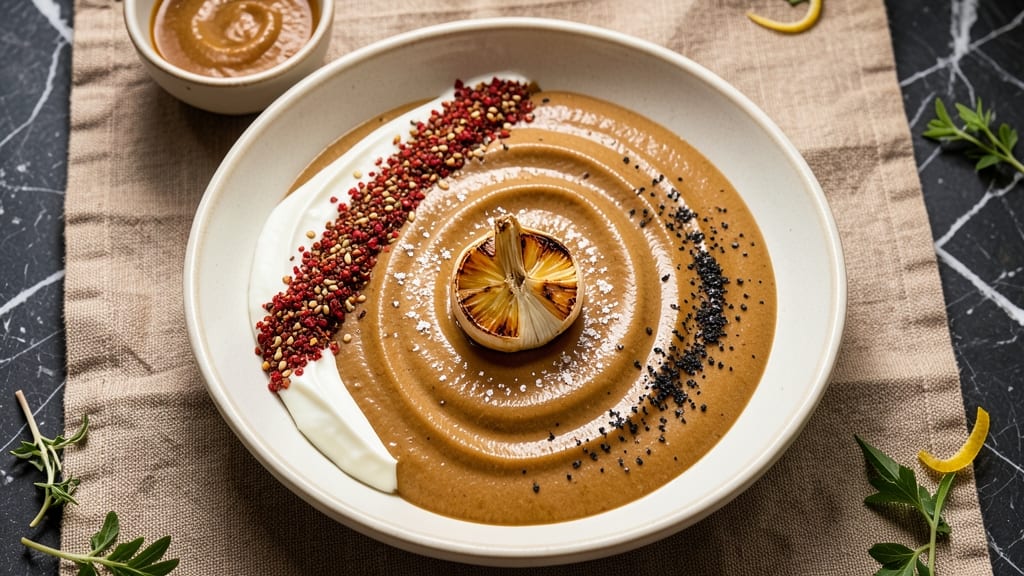
This Azeka sauce recipe transforms humble ingredients into a velvety, aromatic condiment that bridges tradition and modern flavors. Born from West African culinary roots, it combines yogurt's tang with tahini's richness and za'atar's earthy warmth—creating a sauce that elevates everything from soups to grilled meats.
The secret lies in its layered preparation: blending, simmering, and straining to achieve that signature smooth yet complex texture.
What sets Azeka sauce apart is its versatility. Traditionally used to thicken hearty soups like Egusi or as a dip for fried plantains, this sauce adapts effortlessly to contemporary dishes.
Whether you're drizzling it over roasted vegetables, mixing it into marinades, or serving it as a cooling accompaniment to spicy foods, its balance of tangy, nutty, and herby notes makes it indispensable.
The process is straightforward but requires patience—allowing flavors to meld during simmering ensures depth that store-bought versions can't match.
The result is a sauce that's rich yet light, creamy without being heavy, and packed with umami from ingredients like palm oil, locust beans, and crayfish. Each batch develops its own character, but the method remains consistent: blend, simmer, strain, and adjust for the perfect consistency.
This isn't just a condiment—it's a flavor multiplier that turns simple meals into memorable experiences.
Perfect for meal prep or last-minute cooking, Azeka sauce keeps well in the refrigerator for up to a week, allowing you to build flavor ahead of time.
Whether you're serving it at a family gathering or enjoying it as a quick weeknight sauce, its adaptability makes it a staple worth mastering. Let's get started on creating this timeless condiment.
Ingredients for azeka sauce
Nine ingredients blending West African tradition with modern technique for this velvety, aromatic Azeka sauce.
| Ingredient | Amount | Notes |
|---|---|---|
| Plain Yogurt 🧀 | 1 ½ cups | Full-fat for creaminess, unsweetened |
| Tahini 🥜 | ½ cup | 100% sesame paste, no additives |
| Za'atar Spice Blend 🌿 | 2 tbsp | Traditional Middle Eastern blend |
| Palm Oil 🫒 | ¼ cup | Red palm oil preferred for color |
| Locust Bean Flour 🌾 | 2 tbsp | Carob flour substitute if unavailable |
| Crayfish Powder 🦐 | 1 tbsp | Or shrimp powder for seafood flavor |
| Garlic Cloves 🧄 | 4 cloves | Fresh, roasted for depth |
| Lemon Juice 🍋 | 2 tbsp | Freshly squeezed, strained |
| Salt 🧂 | 1 ½ tsp | Diamond Crystal preferred |
| Water 💧 | ½ cup | Room temperature |
The yogurt forms the sauce's creamy base, so opt for full-fat varieties like Fage or Siggi's for maximum richness. Za'atar is non-negotiable—look for blends containing sumac, sesame seeds, and oregano at Middle Eastern markets or specialty grocers. Red palm oil adds both color and depth, while locust bean flour (or carob) ensures proper thickening. For the seafood element, crayfish powder is traditional, but shrimp powder works equally well. Roasting the garlic before blending enhances its sweetness without bitterness, a pro technique worth the extra minute.
No tahini? Sesame paste or peanut butter can substitute at equal amounts, though the flavor profile shifts slightly. Running short on locust bean flour? Cornstarch or arrowroot powder at half the quantity achieves similar thickening. Crayfish powder unavailable? A pinch of MSG or fish sauce mimics the umami punch, though it won't replicate the exact texture. The lemon juice must be freshly squeezed—bottled versions lack the bright acidity needed to balance the sauce's richness. For a nut-free version, replace tahini with sunflower seed butter or cashew cream, though texture may vary slightly.
This sauce develops complexity over time, so simmering for 20-30 minutes is essential for flavor melding. Store in an airtight glass jar in the refrigerator for up to 7 days, or freeze for 3 months in ice cube trays for portion control. The sauce thickens as it cools—always stir before using. Strain through a fine-mesh sieve before serving to achieve that signature silky texture. Leftovers make excellent marinades or soup bases—simply thin with water or broth as needed.
Why You'll Love This Recipe
- No Pantry Panic: I’ll bet you’ve got everything already—yogurt, tahini, and za’atar are probably lurking in your fridge or spice rack. That locust bean flour? If you’ve ever made hummus, you’ve got it. Honestly, this sauce is the kind of recipe that makes you feel like a genius because you didn’t even need to run to the store.
- Tangy, Nutty Magic: The tahini gives it that deep, toasty richness, while the yogurt keeps it light and cool. Za’atar’s earthy kick? It’s the secret weapon—like a warm hug for your taste buds. Between us, I’ve made this over grilled meats, with flatbread, and even as a dip, and it’s never let me down.
- Weeknight Superstar: This sauce is my go-to when I’m too tired to think. Slather it on shawarma, toss it with roasted veggies, or just eat it with pita—it’s that flexible. I’ll be real: my lazy Sundays now involve this jar of sauce, a bag of pre-cut veggies, and zero stress.
- Leftovers That Don’t Suck: Unlike so many sauces that turn sad after day one, azeka keeps its vibe for days. Store it in the fridge, and it’s still creamy and flavorful—perfect for quick lunches or last-minute dinner fixes. (Yes, even on a Tuesday night.) Plus, it’s cheap to make, so you can batch it without guilt.
Step-by-step instructions for Azeka sauce
This velvety, tangy sauce balances rich tahini with bright yogurt and aromatic za'atar.
Roast the Garlic for Depth
Preheat your oven to 400°F. Peel the 4 cloves garlic and place them on a small baking sheet. Drizzle lightly with 1 teaspoon of the 0.25 cup palm oil to prevent burning. Roast for 10-12 minutes until golden and fragrant—you'll smell that sweet, caramelized aroma.
This roasting step transforms the garlic's flavor from sharp to mellow and nutty, which is essential for balancing the sauce's complexity. Let the garlic cool slightly before handling, as it will be very soft and easy to squeeze from the cloves.
Whisk Yogurt and Tahini Smooth
In a medium bowl, combine the 1.5 cups plain yogurt and 0.5 cup tahini. Using a whisk or immersion blender, blend until completely smooth and free of lumps. This step ensures the sauce will have an even, velvety texture without any graininess from the tahini.
I like to add the 2 tablespoons lemon juice and 1.5 teaspoons salt at this stage to balance the flavors early. Taste the mixture—it should be tangy, slightly sweet from the tahini, and properly seasoned. If it needs more acidity, add a bit more lemon juice; if it needs more salt, adjust gradually.
Create the Thickening Base
In a separate small bowl, mix together the 2 tablespoons locust bean flour and 1 tablespoon crayfish powder. This combination will give the sauce its signature thickness and umami depth. Slowly whisk this dry mixture into the yogurt-tahini blend, about 1 tablespoon at a time, to prevent clumping.
Next, add the 0.5 cup room temperature water and the roasted garlic (squeezed from the cloves). The water helps create the perfect consistency while the garlic adds that caramelized sweetness. Whisk vigorously until fully combined—you want a smooth, pourable sauce that coats the back of a spoon.
Incorporate Za'atar and Finish
Gently fold in the 2 tablespoons za'atar spice blend using a spatula. Za'atar's earthy, herby notes are delicate, so fold just until evenly distributed—overmixing can release its oils and make the sauce too bitter. The sauce should now have a rich, golden hue from the za'atar and palm oil.
Finally, add the remaining 0.25 cup palm oil and whisk until fully incorporated. The oil adds richness and helps create that signature glossy finish. Taste again and adjust seasoning if needed—this sauce should be tangy, slightly nutty, with a warm za'atar zing. The texture should be thick but pourable, like a luxurious dip.
Pro Tips For Making Azeka Sauce
- Whisk the Tahini Slowly: Start with just 1 tablespoon of warm water and stir like you’re defusing a bomb—tahini and yogurt are stubborn. After the first lump breaks, add the rest of the water gradually or you’ll end up with a gritty, clumpy mess. I learned this the hard way after scraping tahini off my whisk for the third time.
- Toast the Locust Bean Flour: Dry-toast the flour in a skillet over medium heat for 2-3 minutes until it smells nutty, not burnt. This step deepens its flavor and prevents that raw, floury aftertaste. Skip it, and your sauce will taste like you’re eating a thick, bland paste instead of a rich dip.
- Balance the Za’atar Last: Taste before adding the full za’atar blend—it’s easy to overdo it and turn your sauce bitter. Start with half the amount, let it sit for 5 minutes, then adjust. I was skeptical until I tried it; the first bite revealed the difference between "meh" and "wow."
- Use Cold Yogurt, Not Room Temp: Grab the yogurt straight from the fridge—it thickens the sauce better and prevents it from separating. Warm yogurt makes the sauce thin and watery, and no one wants that. Trust me, even if you’re impatient like me.
Storing and reheating this azeka sauce
Refrigerator Storage
Transfer your freshly made Azeka sauce to an airtight glass jar—I recommend Pyrex or Le Parfait containers for their durability. Store it in the refrigerator at 40°F or below where it will keep for 5-7 days.
The sauce thickens as it cools, so give it a good stir before each use. For best results, press plastic wrap directly onto the sauce's surface to minimize oxidation and preserve its vibrant color. 🧊
Freezer Preservation
For longer storage, portion the sauce into silicon ice cube trays or small freezer-safe containers. Freeze for up to 3 months—this method works perfectly for portion control when using it as a marinade or soup base.
When ready to use, thaw overnight in the refrigerator and stir in 1-2 tablespoons of water to restore its pourable consistency. Avoid refreezing thawed Azeka sauce, as this can degrade its texture. ❄️
Reheating Methods
For stovetop reheating, transfer the sauce to a small saucepan and warm over low heat for 5-7 minutes, stirring constantly. Add 1-2 tablespoons of water if it becomes too thick. Never boil the sauce—this can cause the yogurt to curdle and break its silky texture.
For microwave reheating, use 30-second intervals on 50% power, stirring between each interval until warmed through. Always taste and adjust seasoning after reheating. 🔥
Reviving Thickened Sauce
If your refrigerated Azeka sauce thickens beyond its ideal consistency, simply whisk in 1 tablespoon of water at a time until smooth. For extra richness, replace half the water with warm palm oil or tahini. Avoid thin sauces—this sauce should coat the back of a spoon but remain pourable.
The key is patience: let the sauce sit at room temperature for 10 minutes before adjusting, as cold temperatures make it appear thicker than it is. 💫
Sauce Consistency Tips
To maintain perfect consistency, always use room temperature water when thinning. Cold water can cause the locust bean flour to clump, while warm water helps dissolve it smoothly. For a thicker version, simmer the sauce uncovered for 5-10 minutes on low heat—this reduces moisture without breaking the emulsion.
For a lighter version, blend in 1 tablespoon of yogurt to restore creaminess. Each batch develops its own character, so trust your taste buds to guide adjustments. ✨
Flavor Development Over Time
The real magic happens when you let the sauce sit at room temperature for 30 minutes before using it. This allows the za'atar and garlic flavors to fully integrate, creating a more complex profile.
If you're meal prepping, make the sauce 1 day ahead—the flavors deepen like a fine wine. For best results, store it in the refrigerator overnight and bring to room temperature before serving. This patience pays off with a sauce that's truly restaurant-quality. 💡
Nutrition facts
Frequently asked questions
What's the best way to use Azeka sauce in traditional West African dishes?
Azeka sauce shines as a thickener for hearty soups like Egusi or Okra soup, where its creamy texture and tangy depth enhance the dish. For dips, serve it alongside fried plantains or puff-puffs—its balance of richness and acidity makes it irresistible. You can also stir it into stews at the end for extra flavor without overpowering the main ingredients.
Can I make Azeka sauce without tahini?
Yes! For a nut-free version, replace tahini with ½ cup sunflower seed butter or ½ cup cashew cream (blended cashews + water). The texture will be slightly lighter, but the sauce will still deliver that creamy, aromatic profile. If you prefer a more traditional approach, peanut butter works in a pinch, though it adds a different nutty depth.
Why did my Azeka sauce separate?
Separation usually happens when the sauce is heated too quickly or stored improperly. To fix it, whisk in 1 tablespoon of warm water or tahini while gently reheating on low heat until smooth. For prevention, always whisk vigorously when combining ingredients and store the sauce in an airtight container with plastic wrap pressed directly on the surface to minimize oxidation.
How can I make Azeka sauce spicier?
Add ½ teaspoon of cayenne pepper or 1 tablespoon of finely chopped fresh chili peppers while blending the yogurt and tahini. For heat without spice, increase the garlic to 6 cloves (roasted) or add 1 teaspoon of smoked paprika to the za'atar blend. Adjust gradually—this sauce should complement, not overpower, your dish.
Is Azeka sauce vegan-friendly?
Mostly! Swap the yogurt for ½ cup coconut yogurt or vegan mayo, tahini for sunflower seed butter, and crayfish powder for 1 teaspoon of nori flakes or extra za'atar. The sauce will maintain its creamy texture but gain a subtly different umami profile. For extra richness, stir in 1 tablespoon of aquafaba (chickpea brine) before serving.