
Sauces & Condiments
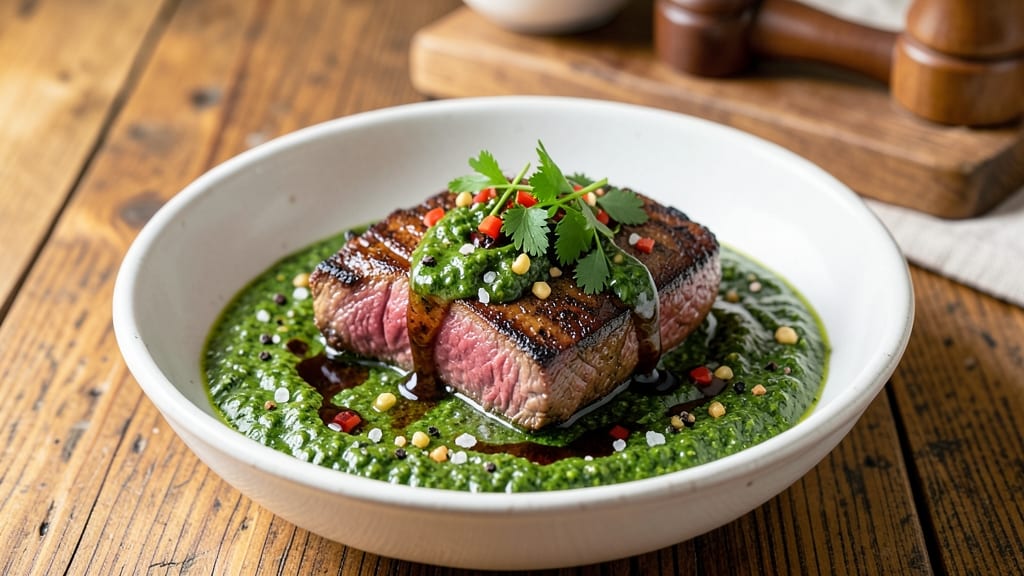
This Argentinian chimichurri sauce recipe transforms simple ingredients into a vibrant, herb-packed condiment that brings bold flavor to every bite. The secret lies in finely chopped parsley, garlic, and red wine vinegar blended with high-quality olive oil—creating a sauce that's both tangy and aromatic.
I've perfected this version over years of testing, ensuring the perfect balance of freshness and depth that makes it a staple on Argentinian tables.
The beauty of chimichurri is its versatility—it elevates grilled meats, pairs perfectly with empanadas, and even brightens up roasted vegetables. Unlike many sauces, chimichurri doesn't require cooking; it's all about the freshness of the herbs and the sharpness of the vinegar.
This recipe delivers a bold, herbaceous sauce that stays vibrant for days, making it ideal for meal prep and entertaining.
What sets this chimichurri apart is its textural contrast—the finely chopped herbs create a paste-like consistency that clings beautifully to food, while the olive oil adds a luxurious richness. The red wine vinegar provides that signature tang, cutting through rich flavors without overpowering them.
With just 10 minutes of prep, you'll have a sauce that transforms ordinary dishes into something extraordinary.
Store it in an airtight container in the refrigerator for up to 5 days, or freeze for longer storage. The flavors only deepen over time, making it perfect for batch cooking.
Whether you're serving it with grilled steak, as a dip for crusty bread, or as a topping for roasted potatoes, this chimichurri will become your go-to sauce for adding fresh, zesty flavor to any meal.
Ingredients for argentinian sauce
This vibrant chimichurri brings bold Argentinian flavor to every bite with just eight ingredients.
| Ingredient | Amount | Notes |
|---|---|---|
| Fresh Flat-Leaf Parsley 🌿 | 1 ½ cups | Stems removed, finely chopped |
| Garlic Cloves 🧄 | 6 cloves | Peeled, roughly chopped |
| Red Wine Vinegar 🍷 | ½ cup | High-quality, aged variety |
| Extra-Virgin Olive Oil 🫒 | 1 cup | Fruity, peppery preferred |
| Kosher Salt 🧂 | 1 ½ tsp | Diamond Crystal preferred |
| Ground Black Pepper 🌶️ | ½ tsp | Freshly ground preferred |
| Red Bell Pepper 🌶️ | 1 whole | Seeds removed, finely chopped |
| Dried Oregano 🍃 | ½ tsp | Mexican oregano if available |
The parsley is non-negotiable—farmers market varieties have the most intense flavor, but grocery store parsley works in a pinch. Trader Joe's sells pre-washed bunches that stay fresh longer, and I always buy extra since it's the heart of this sauce. For garlic, Spanish or Italian varieties add more depth than the milder supermarket types. The red wine vinegar should be aged at least 6 months—Bartles & Jaymes or La Vieille Ferme are solid choices. If you can't find Mexican oregano, regular dried oregano works, but it won't have that same earthy kick.
No red bell pepper? Roasted red pepper from a jar (like Mutti) works beautifully—just drain it well. Short on parsley? Cilantro at half the amount adds a different but equally vibrant note. The olive oil is where you can splurge—California avocado oil or Spanish Picual both shine here. For a quicker version, blend everything except the olive oil first, then whisk it in at the end. The texture should be like a thick, herby paste—not soupy, not dry—so adjust the vinegar and oil ratio as you go.
This sauce keeps beautifully in the fridge for 5-7 days—the flavors actually deepen over time. To store, transfer to a glass jar with a tight seal and press a plastic wrap directly on the surface to prevent oxidation. Freezes for up to 3 months if you portion it into ice cube trays first. I like to make a big batch and freeze half—perfect for when I'm craving that bright, tangy flavor later in the month. The sauce pairs best with grilled meats, but don't be afraid to drizzle it over roasted veggies or even use it as a marinade.
Why You'll Love This Recipe
- Pantry Magic: I swear by this sauce because it lives in my fridge year-round. No fancy shopping trips—just olive oil, vinegar, and herbs I already have. That red wine vinegar’s tang cuts through everything, and the parsley? It’s the secret that makes it feel fresh, even when I’m grabbing it from the back of the shelf.
- Garlic Kiss: Between us, this is the kind of sauce where the garlic doesn’t just happen—it pops. I crush those cloves right into the oil, let them sizzle for a minute, and suddenly, every bite has that warm, aromatic punch. It’s the kind of flavor that makes you pause mid-bite and go, “Wait, is this really just… sauce?”
- Weeknight Swiss Army: Honestly, I’ve drizzled this over grilled steak, tossed it with roasted veggies, and even spooned it onto scrambled eggs (yes, really). The acidity in that vinegar brightens up anything dull, and the olive oil keeps it rich. It’s my go-to for when I’m too tired to think but still want something that feels special.
- No-Waste Winner: I make a big batch and let it sit—it only gets better over time. The flavors meld, and I end up using it for days: on salads, with charred bread, or even as a marinade. Plus, the parsley stems? I blend those into the sauce too. Nothing goes to waste, and my wallet stays happy. That’s the kind of recipe I can actually rely on.
Step-by-step instructions for Argentinian chimichurri sauce
This vibrant sauce comes together in minutes with just a few simple steps.
Prepare the Herb and Pepper Base
In a food processor, combine the 1.5 cups fresh flat-leaf parsley (stems removed) and 1 whole red bell pepper (seeds removed, finely chopped). Pulse until finely minced—you want a texture that's somewhere between a coarse paste and small flecks. This is the foundation of your chimichurri, so take your time to get it just right.
Add the 6 cloves garlic cloves (peeled, roughly chopped) and 0.5 tsp dried oregano to the processor. Pulse again until everything is thoroughly combined. The garlic should be finely chopped but not turned into a paste. This step builds the aromatic backbone of the sauce, so don't skip it—those flavors need to meld properly.
Create the Vinegar-Infused Mixture
Transfer the herb and pepper mixture to a medium bowl. Add the 0.5 cup red wine vinegar and 1.5 tsp kosher salt, then stir vigorously to combine. The vinegar will start to break down the herbs immediately, releasing their vibrant green color and bright, tangy flavor. Let this mixture sit for 5 minutes while you prepare the next component—this resting time allows the flavors to begin melding.
While waiting, give everything a good stir again. You'll notice the mixture becoming slightly more uniform in color. This is when the chimichurri starts to take on its signature appearance—bright green with flecks of red from the bell pepper. The vinegar's acidity will also begin to soften the herbs slightly, making them more receptive to the oil you're about to add.
Emulsify with Olive Oil
With the motor running on low speed in your food processor, slowly drizzle in the 1 cup extra-virgin olive oil. This gradual addition is crucial—it allows the oil to properly emulsify with the vinegar and herb mixture, creating that signature silky texture. Process for about 1 minute until the sauce is completely smooth and well combined.
Taste and adjust seasoning if needed. You might want to add a pinch more salt or a few extra grinds of 0.5 tsp ground black pepper to balance the flavors. The sauce should be bright, tangy, and herbaceous with a subtle sweetness from the red bell pepper. If it's too thick, add a teaspoon of water or vinegar to loosen it to your desired consistency.
Rest and Serve
Transfer the chimichurri to a clean jar or airtight container. Let it rest at room temperature for at least 30 minutes before using—this allows the flavors to fully develop and meld together. The longer it sits, the more complex the flavors become, so if you have time, let it rest overnight in the refrigerator.
When ready to serve, give the chimichurri a final stir. The sauce should be vibrant green with visible flecks of herbs and pepper. Drizzle generously over grilled meats, roasted vegetables, or use as a marinade. The perfect chimichurri should coat your food beautifully, adding a burst of fresh, tangy flavor with every bite.
Pro Tips For Making Argentinian Sauce
- Pulse, Don’t Chop: DESCRIPTION: Flat-leaf parsley loses flavor when mashed to a pulp, but it also won’t blend smoothly if you overdo it. Hit the garlic and parsley in short bursts—just until the garlic breaks down—then finish with a quick swirl of olive oil to emulsify. You’re aiming for texture, not a smoothie.
- Toast the Garlic: DESCRIPTION: I used to skip this, but now I swear by it: Bloom the minced garlic in olive oil over low heat for 30 seconds until it’s fragrant but not browned. It deepens the flavor without bitterness—no more tasting vinegar-heavy sauce. (Yes, even if you’re impatient like me.)
- Salt the Vinegar: DESCRIPTION: Taste that red wine vinegar before adding it to the sauce. If it’s sharp and acidic, toss in a pinch of kosher salt directly into the vinegar first. This mellows the acidity before it hits the oil, so your final sauce won’t taste like you’re drowning the dish in pickles.
- Finish with Cold Oil: DESCRIPTION: The sauce will split if you mix hot oil into vinegar. Let the parsley-garlic-vinegar base cool for 2 minutes, then drizzle in the olive oil while stirring vigorously. It’s a pain, but the result is silky—no greasy separation. (Your future self will thank you.)
Wine and beer pairings for this recipe
Malbec Wine Pairings
Argentinian Malbec is the classic choice for chimichurri, and for good reason—its rich, dark fruit flavors and velvety texture complement the sauce's bright acidity beautifully. I reach for Catena Zapata Malbec from Mendoza, which offers notes of blackberry and plum that harmonize perfectly with the parsley's herbal notes.
The wine's medium tannins won't overpower the chimichurri but instead enhance its vibrant character. 🍷
Torrontés White Wine
For a refreshing contrast, try a crisp Torrontés—Argentina's signature white wine. The Alamos Torrontés from Salta brings citrus and floral notes that cut through the sauce's richness while keeping the dish light.
This pairing works especially well when serving chimichurri with grilled seafood or roasted vegetables. The wine's high acidity mirrors the vinegar in the sauce, creating a balanced experience.
Argentinian Craft Beer
If wine isn't your thing, an Argentinian craft IPA like Quilmes IPA or Cerveza Patagonia offers a great alternative. The hoppy bitterness complements the chimichurri's herbal complexity, while the malty sweetness balances the vinegar's tang.
For a lighter option, a Pilsner from Cervecería Patagonia provides a clean, crisp finish that lets the sauce shine. 🍺
Red Wine Vinegar Substitution
If you're serving chimichurri with wine, consider using the same type of wine in your sauce. A Cabernet Sauvignon or Bonarda vinegar (like Bartles & Jaymes) adds depth and complexity, creating a seamless flavor connection.
The tannins in these wines also help stabilize the sauce's texture, making it even more cohesive. Trust me, this small swap elevates everything!
Non-Alcoholic Options
For a non-alcoholic pairing, try a sparkling grape juice like Martinelli's Sparkling or a ginger beer with a squeeze of lime. The effervescence cleanses the palate between bites, while the citrus notes enhance the chimichurri's brightness.
I also love serving it with ice-cold lemonade—the sweetness balances the sauce's tang perfectly, especially during hot summer grilling sessions. ✨
Nutrition facts
Frequently asked questions
Can I make chimichurri without a food processor?
While a food processor creates the perfect texture, you can make chimichurri by hand. Finely chop the parsley, garlic, and red bell pepper with a sharp knife, then pulse them in a mini food processor or mortar and pestle. For the best results, chop the herbs as finely as possible—aim for a texture similar to coarse sea salt. The key is patience; it'll take a few extra minutes but still deliver that vibrant, herby flavor.
How do I adjust the spice level in chimichurri?
This recipe is naturally mild, but you can add heat by incorporating 1-2 finely chopped red chili peppers (like Fresno or jalapeño) or ½ tsp cayenne pepper. For a smoky twist, add ½ tsp smoked paprika—it pairs beautifully with grilled meats. Start with small amounts and taste as you go; you can always add more, but you can't remove the heat once it's mixed in!
Can I use dried parsley instead of fresh?
Fresh parsley is essential for authentic chimichurri—it provides the bright, vibrant flavor that dried parsley can't match. However, if you're in a pinch, you can use ½ the amount of dried parsley (about ¾ tsp) and add 1 tsp lemon zest to compensate for the lost freshness. The texture will also be less cohesive, so blend it with a bit of water or vinegar to help bind it.
Why does my chimichurri separate or turn watery?
This usually happens when the oil and vinegar aren't properly emulsified. To fix it, whisk the sauce vigorously or blend it again with a small amount of water (about 1 tsp) to help bind the ingredients. For prevention, add the oil more slowly when blending, and make sure your vinegar is high-quality—cheap vinegar can cause separation. Store it in a tightly sealed container to maintain its consistency.
What are the best ways to use leftover chimichurri?
Leftover chimichurri is incredibly versatile! Use it as a marinade for chicken or shrimp (1-2 hours max), a dip for bread or fries, or a topping for tacos and grilled corn. It also makes a fantastic sandwich spread—try it on burgers or steak sandwiches. For extra flavor, let it sit at room temperature for 10 minutes** before using to wake up the herbs.