
Sauces & Condiments
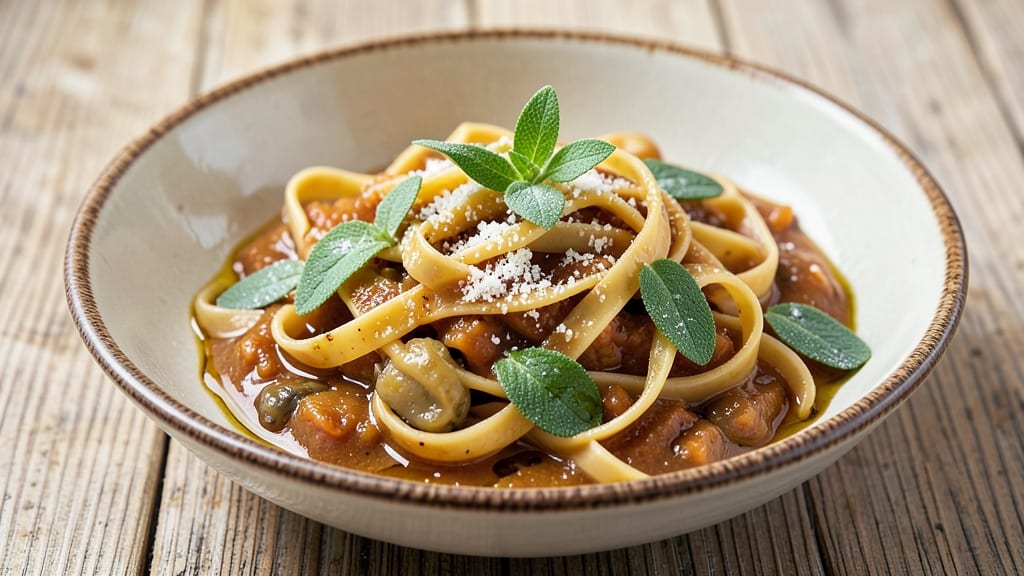
This autumn pasta sauce recipe transforms humble squash and sage into a velvety, golden sauce that clings to every strand of pasta. The secret lies in roasting the squash until caramelized—deepening its natural sweetness and creating a rich, creamy base without heavy cream.
I developed this recipe during a crisp October evening when I needed something hearty yet light, and it quickly became my go-to for cozy weeknight dinners.
The sauce begins with roasted butternut squash, which forms the foundation of its velvety texture and subtle sweetness. Fresh sage leaves add an earthy aroma that pairs beautifully with the squash's caramelized depth, while a touch of nutmeg and garlic infuses warmth.
Unlike traditional creamy sauces, this one relies on the squash's natural sugars and a blend of olive oil and vegetable broth for richness, making it both elegant and approachable.
What makes this sauce truly special is its versatility—it elevates pasta dishes like penne, rigatoni, or even gluten-free noodles, but it also works as a glaze for roasted chicken or a drizzle over grilled vegetables.
The sauce thickens naturally as it simmers, creating a luxurious consistency that coats each bite without being overly heavy. Best of all, it keeps well in the refrigerator for up to five days, making it perfect for meal prep.
For added depth, I recommend finishing the sauce with a sprinkle of toasted pine nuts or crispy pancetta, which adds a delightful crunch and extra layer of flavor.
Whether you're serving it over pasta or using it as a marinade, this autumn pasta sauce brings the essence of fall to your table with minimal effort and maximum impact.
Ingredients for autumn pasta sauce
Nine simple ingredients that turn roasted squash into velvety autumn perfection.
| Ingredient | Amount | Notes |
|---|---|---|
| Butternut Squash 🎃 | 2 cups | Cubed, roasted until caramelized |
| Fresh Sage Leaves 🌿 | ½ cup | Chopped, stems removed |
| Extra-Virgin Olive Oil 🫒 | ½ cup | For roasting and finishing |
| Vegetable Broth 💧 | 1 ½ cups | Low-sodium preferred |
| Garlic Cloves 🧄 | 3 cloves | Minced, fresh preferred |
| Ground Nutmeg 🌶️ | ¼ tsp | Freshly grated for warmth |
| Salt 🧂 | ½ tsp | Diamond Crystal preferred |
| Black Pepper 🌶️ | ¼ tsp | Freshly cracked |
| Pine Nuts 🥜 | ¼ cup | Toasted for garnish (optional) |
The butternut squash is the star here—look for a smooth, heavy squash with no soft spots. Costco or Whole Foods usually carry the best quality, but any grocery store's organic section works. Roast it until it's caramelized and tender—this is what gives the sauce its natural sweetness and creamy texture. Fresh sage is ideal, but dried sage at half the amount works in a pinch. The olive oil should be extra-virgin—the good stuff with fruity notes that'll shine in the finished sauce.
No fresh sage? Dried works fine, just use a third of the amount. Short on pine nuts? Toasted walnuts or pecans add a similar crunch. The vegetable broth can be swapped for white wine or chicken broth if you're feeling fancy. For extra richness, stir in a spoonful of nutritional yeast—it adds a cheesy depth without dairy. The garlic is non-negotiable though—fresh is best, but jarred minced garlic in a pinch (just drain it first).
This sauce tastes even better the next day as the flavors meld. Store it in an airtight container in the fridge for up to 5 days. For longer storage, freeze portions for 3 months. I like to portion it into small jars—perfect for quick weeknight dinners. The pine nuts toast best in a dry skillet for just 2-3 minutes—watch them like a hawk or they'll burn.
Why You'll Love This Recipe
- One-Pot Magic: I swear by this sauce because it’s all in one pot—no blender, no extra bowls. Just roast the squash, deglaze the pan, and toss in the pasta. The garlic and sage melt into the broth while you’re chopping, so by the time you’re done, everything’s infused with that warm, earthy aroma.
- Sage & Squash Kiss: That crispy butternut squash edge with the creamy center? Chef’s kiss. The sage leaves add this bright, herbal punch that cuts through the richness—like a fall hug in a bowl. Honestly, I’ve made this sauce three times this week, and I’m not tired of it yet.
- Weeknight to Dinner Party: This sauce works everywhere. Toss it with spaghetti for a quick weeknight meal, or drizzle it over polenta for a fancy-ish appetizer. Between us, I’ve even used it to dress a simple grilled chicken—suddenly, it’s autumn on a plate. (Yes, even on a Tuesday night.)
- Budget-Friendly Leftovers: Roasted squash and vegetable broth stretch this sauce far—I’ve fed four people for under $10 and still had leftovers. The flavors actually get better the next day as everything melds together. Store it in the fridge, reheat with a splash of water, and boom: instant cozy dinner.
Step-by-step instructions for roasted squash and sage pasta sauce
Here's how to create a velvety autumn sauce that transforms simple pasta into a rich, comforting dish.
🍳 Step 1: Roast the Butternut Squash Until Caramelized
Preheat your oven to 400°F and line a baking sheet with parchment paper. Toss the 2 cups of butternut squash with 2 tablespoons of the extra-virgin olive oil and ¼ teaspoon of salt. Spread the cubes in a single layer, leaving space between them for even roasting.
Roast for 25-30 minutes until the edges are deep golden brown and the squash is tender when pierced with a fork. The squash should smell sweetly caramelized—this is your cue that it's ready. If it's not quite brown enough, return it to the oven for another 5-10 minutes. The deeper the caramelization, the richer the sauce flavor will be.
👨🍳 Step 2: Build the Sauce Base with Sage and Garlic
While the squash roasts, heat 2 tablespoons of extra-virgin olive oil in a large skillet over medium heat. Add the 3 minced garlic cloves and sauté for 30 seconds until fragrant but not browned—burnt garlic will make the sauce bitter. Immediately add the 0.5 cup chopped fresh sage leaves and cook for another 1-2 minutes until the leaves just begin to wilt and release their aroma.
Here's the thing—don't let the sage burn. It should smell earthy and piney, not acrid. If it starts to darken too quickly, remove the pan from heat for 30 seconds to cool slightly. This step is where the sauce gets its signature autumnal depth.
🥘 Step 3: Simmer the Sauce with Nutmeg and Broth
Transfer the roasted squash to the skillet with the sage and garlic. Add the 1.5 cups vegetable broth, scraping up any browned bits from the bottom of the pan. Bring to a gentle simmer, then reduce heat to low and let it cook uncovered for 10-12 minutes until the squash breaks down and the sauce thickens slightly.
Stir in the 0.25 teaspoon ground nutmeg and 0.25 teaspoon black pepper, then taste and adjust seasoning with more salt if needed. The sauce should be rich and velvety, with the sweetness of the squash balanced by the earthy sage and warm nutmeg. If it's too thick, add 1-2 tablespoons of water to reach your desired consistency.
🍽️ Step 4: Finish and Serve Over Pasta
Return the sauce to a gentle simmer and let it cook for another 3-5 minutes to reduce slightly and intensify the flavors. The sauce should coat the back of a spoon smoothly. For an extra touch of texture, toast the 0.25 cup pine nuts in a dry skillet over medium heat for 2-3 minutes until golden and fragrant, then sprinkle them over the finished sauce.
Serve immediately over your choice of pasta, tossing gently to coat each strand. The sauce will cling beautifully, delivering layers of sweet squash, aromatic sage, and nutty warmth with every bite. Pair with grated Parmesan cheese and fresh parsley for a complete autumnal meal.
Pro Tips For Making Autumn Pasta Sauce
- ROAST THE SQUASH FIRST: I learned this the hard way—don’t boil or steam the butternut squash before adding it to the sauce. Instead, roast cubed squash (tossed in olive oil, salt, and pepper) at 400°F (200°C) for 25-30 minutes until caramelized. The flavor depth and texture are completely different—no mushy squash here.
- CHAR THE GARLIC LOW: Garlic burns faster than you think, especially when you’re distracted by the sage aroma. Sauté minced cloves in olive oil over medium-low heat for 2-3 minutes until golden, not brown. High heat turns them bitter—this is where the sauce’s sweetness hides.
- SALT THE BROTH LATE: If you’re using store-bought vegetable broth, resist the urge to salt it upfront. The sage and squash will need balancing, and adding salt later lets you taste as you go. Start with unsalted broth, then adjust at the end—your future self will thank you.
- TOSS IN SAGE LATE: Fresh sage leaves crisp up fast in oil. Add them only in the last 30 seconds of cooking, right when the sauce is simmering. This keeps their edges fragrant and prevents them from turning bitter. (Yes, even if you’re impatient like me.)
Make-ahead tips for this dish
Prep Ahead Strategy
Roast the butternut squash 1-2 days in advance and store it in an airtight container at room temperature. The caramelized cubes keep their sweetness and texture for up to 48 hours, making them ready to use whenever you need a quick sauce.
I like to pre-roast mine on Sunday so I can assemble the sauce during the busy week. 🎃
Sauce Assembly Timeline
Simmer the sauce 24 hours ahead—it actually tastes better after resting as the flavors meld. Store the fully cooked sauce in a glass jar in the fridge for up to 5 days.
The nutmeg and sage infuse deeper overnight, giving you a more complex flavor profile when reheated. Just warm it gently on the stove before serving.
Freezer-Friendly Portions
Divide the finished sauce into small, portion-sized jars (about 1-2 cups each) before freezing. This makes it perfect for quick weeknight dinners. Thaw overnight in the fridge, then reheat on the stovetop with 1 tablespoon of water to restore its creamy texture.
I freeze extra portions specifically for busy nights when I don’t have time to cook from scratch. ❄️
Pasta Prep Shortcut
Cook your pasta 1 day ahead and store it in the fridge with a light drizzle of olive oil to prevent sticking. When you're ready to serve, simply reheat the sauce and toss it with the pasta—no need to cook fresh.
I use this trick for meal prep Sundays, where I can assemble multiple dishes in advance and just reheat as needed. 🍝
Garnish Prep
Toast the pine nuts ahead of time and store them in a small airtight container at room temperature. They stay crispy for up to 3 days, ready to add a crunchy finish whenever you serve the sauce.
You can also chop fresh parsley in advance and store it in the fridge for up to 5 days—just add it fresh when plating for maximum flavor. 🥜
Reheating Like a Pro
For the best texture, reheat the sauce low and slow on the stovetop over medium-low heat for 5-7 minutes, stirring occasionally. If it thickens too much, add 1-2 tablespoons of water or broth to restore its velvety consistency.
Microwave reheating works in a pinch, but the stovetop method preserves the sauce's depth of flavor. 🔥
Nutrition facts
Frequently asked questions
Can I substitute butternut squash with another autumn vegetable?
Try acorn squash or delicata squash for a similar sweetness, or swap in roasted sweet potatoes for a heartier texture. Just adjust cooking time—sweet potatoes need about 15-20 minutes less roasting than butternut. For extra richness, add 1/2 cup of roasted mushrooms to the sauce base.
How do I make this sauce dairy-free?
This recipe is already dairy-free, but you can enhance it further by adding 1 tablespoon of nutritional yeast when simmering for a cheesy depth. For extra creaminess, blend in 1/4 cup of silken tofu with the sauce after cooking. The nutmeg and sage flavors will still shine through beautifully.
Why did my sauce turn out too thin?
This usually happens if you didn't simmer the sauce long enough or used too much broth. Let it cook uncovered for 10-15 extra minutes to reduce naturally, or stir in 1 tablespoon of cornstarch mixed with 2 tablespoons of water to thicken. For future batches, reduce broth by 1/4 cup if you prefer a thicker consistency.
Can I use this sauce for dishes other than pasta?
Yes! This versatile sauce works beautifully as a glaze for roasted chicken or salmon, a dip for crudités, or even a topping for grilled cheese sandwiches. Try drizzling it over mashed potatoes or using it as a base for stuffed bell peppers. The nutmeg and sage flavors add warmth to any dish.
What's the best way to store leftovers?
Store in an airtight container in the fridge for up to 5 days. For longer storage, freeze in portion-sized jars for 3 months. When reheating, add 1 tablespoon of water or broth to restore creaminess. The flavors actually improve overnight as the spices meld!