
Sauces & Condiments
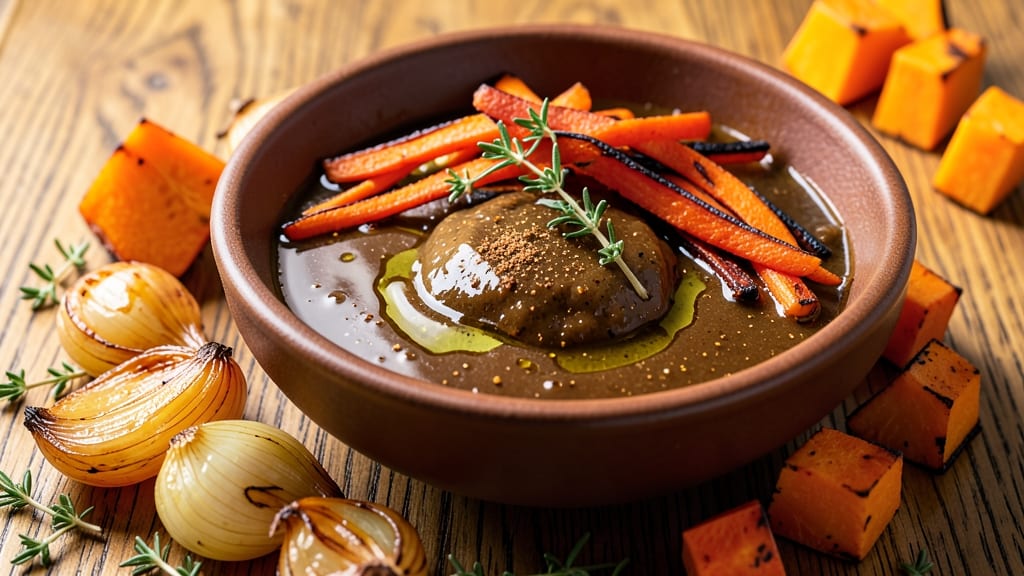
This autumn sauce recipe transforms simple ingredients into a velvety, spiced masterpiece that captures the essence of fall in every spoonful. The secret lies in slow-roasting seasonal vegetables—carrots, onions, and squash—until they caramelize into a deep, aromatic base.
What starts as a humble sauce becomes a flavor bomb that elevates everything from roasted meats to creamy mashed potatoes.
The magic happens with warm spices like cinnamon, nutmeg, and a touch of smoked paprika, which infuse the sauce with cozy depth without overpowering. Unlike store-bought versions, this recipe builds flavor through time—simmering until the natural sweetness of the vegetables melds with the spices.
It’s the kind of sauce that makes your kitchen smell like a harvest festival and turns ordinary meals into something extraordinary.
Ready in just 30 minutes, this sauce is versatile enough to drizzle over pasta, swirl into soups, or use as a glaze for roasted vegetables. The texture is luscious yet balanced, with a subtle tang from a splash of apple cider vinegar that brightens the richness.
Once you taste it, you’ll reach for this recipe anytime the weather turns crisp.
Best of all, it keeps beautifully in the refrigerator for up to a week, making it perfect for meal prep. Double the batch—this sauce disappears faster than you can say "fall flavors." Let’s get cooking!
Ingredients for autumn sauce
Roasted vegetables and aromatic spices create this velvety autumn sauce masterpiece in minutes.
| Ingredient | Amount | Notes |
|---|---|---|
| Yellow Onions 🧅 | 2 large | Chopped into even pieces |
| Carrots 🥕 | 4 medium | Peeled and chopped into chunks |
| Butternut Squash 🎃 | 3 cups | Cubed, skin removed |
| Extra-Virgin Olive Oil 🫒 | ½ cup | High-quality, fruity variety |
| Apple Cider Vinegar 🍎 | 2 tbsp | For subtle tang |
| Ground Cinnamon 🌿 | 1 tsp | Freshly ground preferred |
| Ground Nutmeg 🌿 | ½ tsp | Freshly grated nutmeg |
| Smoked Paprika 🌶️ | 1 tsp | For depth and warmth |
| Fresh Thyme Leaves 🌿 | 1 tbsp | Or 1 tsp dried thyme |
| Vegetable Broth 💧 | 2 cups | Low-sodium preferred |
The vegetables form the sauce's aromatic base, so choose fresh, firm squash and carrots with vibrant color—avoid any with soft spots. Whole Foods or local markets often carry the best seasonal produce. For the squash, skin-on varieties like butternut or kabocha work best, but acorn squash adds a sweeter note. Chop uniformly for even roasting. The onions should be yellow or red for natural sweetness, not white, which can taste sharper when caramelized. If using pre-chopped frozen vegetables, thaw and pat dry to prevent excess moisture in the sauce.
No butternut squash? Sweet potatoes or pumpkin puree work beautifully—adjust liquid as needed since pumpkin is already moist. Swap smoked paprika for regular paprika plus a pinch of cayenne if you prefer more heat. Fresh thyme is ideal, but dried thyme at one-third the amount works in a pinch. The apple cider vinegar adds brightness—substitute white wine vinegar or lemon juice if unavailable. For extra richness, stir in 2 tbsp tahini or cashew cream at the end. The vegetable broth should be low-sodium to avoid overpowering the delicate flavors.
This sauce thickens as it cools, so store it in a glass jar with a tight seal to preserve its velvety texture. Keeps for 5-7 days in the refrigerator and freezes beautifully for up to 3 months. For best results, reheat gently on the stove with a splash of water or broth to restore its luscious consistency. Portion into ice cube trays for easy use in future recipes—perfect for glazing roasted vegetables or drizzling over soups. The flavor actually improves overnight as the spices meld.
Why You'll Love This Recipe
- No Chopping Struggle: I swear, the onions and carrots take five minutes to prep—just slice, no dicing. Between us, my knife skills are questionable, but this sauce still turns out rich and velvety.
- Sweet-Tart Magic: That apple cider vinegar? It’s the secret. The butternut squash gives it a deep, caramelized sweetness, while the vinegar cuts through it like a crisp autumn breeze. Honestly, I’ve never tasted a sauce that balances both so well.
- Pantry-to-Table Flex: Drizzle it over roasted chicken, toss it with pasta, or even slather it on grilled cheese. It’s my go-to for weeknights when I’m too tired to plan. (Yes, even on a Tuesday night.)
- Leftovers That Don’t Suck: This sauce actually improves the next day—thicker, more concentrated, and just as delicious. I make a double batch on Sundays so I can grab it straight from the fridge all week without stress. Budget-friendly? Absolutely.
Step-by-step instructions for autumn-inspired roasted vegetable sauce
This method transforms simple seasonal vegetables into a rich, aromatic sauce with layers of spice and depth.
Roast the Vegetable Base Until Caramelized
Preheat your oven to 400°F and line a large baking sheet with parchment paper. Spread the 2 large chopped yellow onions and 4 medium chopped carrots evenly across the sheet, leaving space between pieces. Drizzle with 2 tablespoons of the extra-virgin olive oil and toss gently to coat.
Roast for 20-25 minutes until the onions are golden brown and the carrots begin to soften at the edges. The vegetables should smell sweet and caramelized—this is your signal to add the 3 cups cubed butternut squash to the pan. Toss everything together, drizzle with the remaining 3 tablespoons extra-virgin olive oil, and return to the oven for another 15-20 minutes until the squash is tender and the entire mixture is deeply caramelized.
Here's the thing—don't overcrowd the pan. If you do, the vegetables will steam instead of roast, and you'll lose that crucial caramelization that forms the sauce's foundation. You want the edges to be slightly crispy when you pull them from the oven.
Build the Spice Foundation
Transfer the roasted vegetables to a large, heavy-bottomed saucepan. Add the 2 tablespoons apple cider vinegar and stir to deglaze the pan, scraping up any browned bits that have formed. These bits are packed with flavor—don't waste them.
Increase heat to medium and add the 1 teaspoon ground cinnamon, ½ teaspoon ground nutmeg, and 1 teaspoon smoked paprika. Stir constantly for 1-2 minutes until the spices are fragrant and the mixture begins to sizzle gently. This is where the warm, earthy notes develop—the heart of your autumn sauce.
Watch the pan carefully. If the spices start to burn, reduce the heat slightly. Burnt spices will make the sauce bitter, and you'll have to start over. The goal is to toast the spices just enough to release their aromas without charring them.
Simmer with Broth and Thyme
Pour in the 2 cups vegetable broth and bring the mixture to a gentle simmer. Add the 1 tablespoon fresh thyme leaves and reduce the heat to low. Let it simmer uncovered for 15-20 minutes, stirring occasionally, until the sauce has thickened slightly and the flavors have melded together.
You'll know it's ready when the sauce coats the back of a spoon and the liquid has reduced by about ⅓. The consistency should be velvety but still pourable—not too thick, not too thin. If it reduces too quickly, add a splash of water or broth to adjust the texture.
This is also the moment that matters: taste as you go. The sauce should be balanced—sweet from the roasted vegetables, tangy from the vinegar, and warm from the spices. Adjust seasoning with a pinch of salt if needed, but the spices should already provide enough depth.
Finish and Blend to Perfection
Remove the saucepan from heat and let it cool slightly for 5 minutes. This cooling period is crucial—it prevents the sauce from splattering when you blend it. Use an immersion blender to purée the mixture directly in the pan until completely smooth.
If you prefer a chunkier texture, you can skip blending and simply mash the vegetables with a potato masher or wooden spoon. The choice depends on your preferred consistency, but blending ensures a silky, restaurant-quality finish.
Strain the sauce through a fine-mesh sieve if you want an ultra-smooth texture, pressing down on the solids to extract every last bit of flavor. Return the sauce to the pan and keep it warm over low heat until ready to serve. This sauce is best enjoyed fresh, but it will keep in the refrigerator for up to 5 days if stored in an airtight container.
Pro Tips For Making Autumn Sauce
- SWEAT ONIONS LOW: I used to rush this step and end up with bitter, waterlogged onions—don’t. Reduce heat to medium-low and let them cook for 10-12 minutes until translucent and caramelized. The longer they sweat, the deeper the flavor, and you’ll taste it in every spoonful of sauce.
- PEEL SQUID FIRST: Butternut squash skin gets gummy when cooked down. Peel it before dicing—yes, even if you’re in a hurry. A sharp knife and a potato peeler make this faster than you’d think, and it saves you from scraping slimy bits out later.
- VINEGAR LAST: Add apple cider vinegar at the very end—right when you’re about to serve. It brightens the sauce, but too early and it’ll cook off, leaving your dish flat. A splash at the finish keeps that tang sharp and fresh.
- CARROTS SMALLER: Skip the big chunks—dice carrots into ¼-inch pieces. They’ll soften evenly without turning to mush, and the sauce won’t separate into a watery, veggie-heavy mess. Uniform size means consistent texture, and that’s what makes this sauce silky.
Creative variations of these flavors
Pumpkin Spice Twist
Swap the butternut squash for 2 cups pumpkin puree (not pumpkin pie filling) and reduce the vegetable broth to 1 cup. Add ½ teaspoon pumpkin pie spice (or blend ¼ tsp cinnamon + ⅛ tsp ginger + ⅛ tsp cloves) for that classic fall flavor.
Simmer for 10 minutes instead of 20—the pumpkin cooks faster. This version works perfectly as a glaze for roasted chicken or turkey. 🎃
Apple Cider Reduction
Replace the vegetable broth with 2 cups apple cider and reduce the squash to 2 cups. Simmer uncovered for 25-30 minutes until the sauce reduces by half, creating a concentrated, syrupy consistency.
Finish with 1 tablespoon brown sugar and ½ teaspoon vanilla extract. Drizzle over apple-cider-braised pork or use as a dip for fresh bread. The tangy-sweet balance is pure autumn magic. 🍎
Smoky Maple Version
Add 1 tablespoon pure maple syrup and ½ teaspoon chipotle powder (or ¼ teaspoon cayenne + ¼ teaspoon smoked salt) to the spice blend. Use 1 cup apple cider vinegar instead of 2 tablespoons for a deeper tang.
This sauce pairs beautifully with grilled sausages or roasted Brussels sprouts. The maple adds natural sweetness while the chipotle brings smoky heat. 🔥
Herb-Forward Variation
Boost the fresh herbs by adding 1 tablespoon chopped rosemary and 1 tablespoon chopped sage alongside the thyme. Reduce the cinnamon to ½ teaspoon and add ½ teaspoon black pepper for a savory twist.
This version works wonderfully with roasted root vegetables or as a marinade for lamb. The herbs add an earthy depth that complements the caramelized vegetables beautifully. 🌿
Creamy Tahini Finish
For a velvety texture, stir in 2 tablespoons tahini at the end while the sauce is still warm. Add 1 tablespoon lemon juice to balance the richness.
This version pairs perfectly with grilled halloumi or as a drizzle for roasted cauliflower. The tahini adds a nutty depth that elevates the sauce to restaurant-quality. ✨
Spiced Pear Addition
Add 1 ripe pear, peeled and diced, along with the squash to the roasting pan. The pears caramelize beautifully and add natural sweetness. After blending, finish with ½ teaspoon cardamom for a Middle Eastern-inspired twist.
This sauce is divine with roasted duck or as a topping for creamy polenta. The pears bring a delicate floral note that complements the warm spices. 🍐
Nutrition facts
Frequently asked questions
Can I make this autumn sauce without an oven?
Sauté the chopped onions, carrots, and squash in a large skillet with 2 tablespoons olive oil over medium-high heat for 15-20 minutes, stirring occasionally, until deeply caramelized. Cover the pan for the last 5 minutes to soften the vegetables. The stovetop method works just as well—you'll just need to watch it closely to avoid burning.
How can I adjust the thickness of the sauce?
If the sauce is too thin, simmer uncovered for 5-10 more minutes to reduce the liquid. For a thicker texture, blend the sauce and then strain it through a fine-mesh sieve to remove excess moisture. Need it even thicker? Stir in 1 teaspoon cornstarch mixed with 1 tablespoon water and simmer for 2 minutes until it reaches your desired consistency.
What are the best ways to use leftover autumn sauce?
This versatile sauce works as a glaze for roasted meats, a drizzle over mashed potatoes, or a dip for crusty bread. Stir it into soups or pasta for instant flavor, or use it as a marinade for 30 minutes before grilling chicken or pork. Freeze extra portions in ice cube trays for easy use in future recipes—just thaw and reheat gently.
Can I make this sauce vegan?
Yes! Simply replace the vegetable broth with vegetable stock and use olive oil instead of any dairy-based ingredients. For extra richness, stir in 2 tablespoons tahini or cashew cream at the end. The sauce will still be luscious and packed with autumn flavors—just as delicious without animal products.
Why does my sauce taste bitter?
Bitterness usually comes from burnt spices or over-roasted vegetables.