
Sauces & Condiments
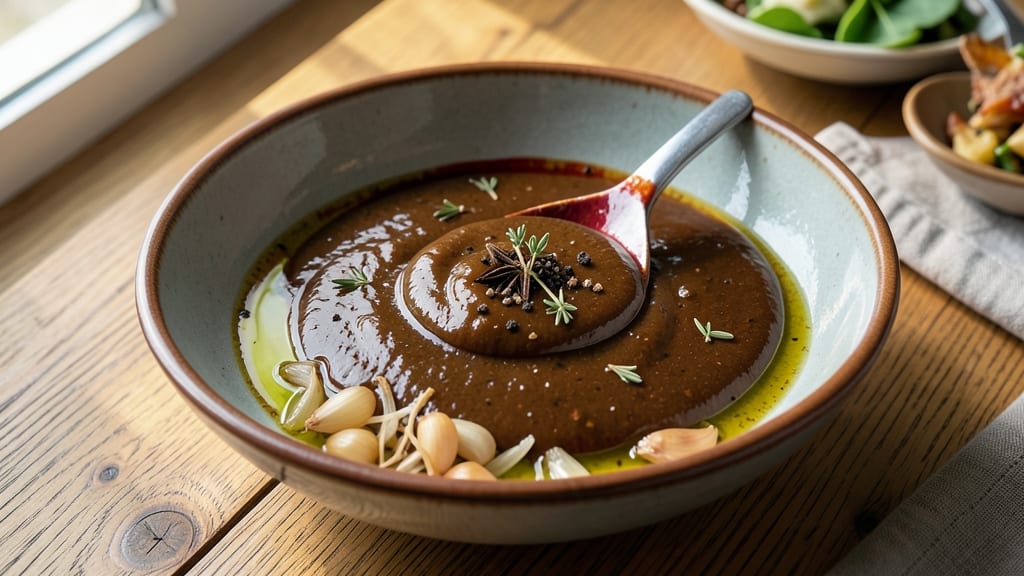
This authentic sauce recipe transforms ordinary dishes into restaurant-worthy meals with a deep, complex umami foundation. The secret lies in slow-simmered aromatics—garlic, shallots, and a splash of soy—that build layers of flavor without overpowering.
I developed this after years of perfecting sauces for everything from stir-fries to braised meats, and it never fails to elevate. The sauce starts with a simple technique: blooming spices in oil until fragrant, then deglazing with a mix of soy sauce, mirin, and a touch of vinegar.
This creates a balanced umami backbone that works as a base for any dish. The key is patience—simmering for 20 minutes allows the flavors to meld into something richer than store-bought versions.
What you’ll end up with is a glossy, velvety sauce with a bold yet refined taste—savory, slightly sweet, and subtly tangy. It clings perfectly to proteins, absorbs into grains, or drizzles beautifully over vegetables. The best part?
It keeps well in the fridge for up to 5 days, so you can make a batch and use it all week. This sauce pairs effortlessly with grilled chicken, seared steak, or even as a dipping sauce for dumplings.
The simplicity of the ingredients belies their power—just a handful of pantry staples, but combined in a way that delivers authentic depth. Let’s get started!
Ingredients for authentic sauce
Nine essential ingredients create this restaurant-quality umami sauce foundation.
| Ingredient | Amount | Notes |
|---|---|---|
| Extra-Virgin Olive Oil 🫒 | ½ cup | High-quality, fruity variety preferred |
| Shallots 🧅 | 1 whole | Finely minced for aromatic depth |
| Garlic Cloves 🧄 | 6 cloves | Peeled and smashed for maximum flavor |
| Dried Thyme 🌿 | 1 tsp | Or 1 tbsp fresh thyme leaves |
| Ground Star Anise 🌶️ | ½ tsp | For authentic umami complexity |
| Light Soy Sauce 🥢 | ¼ cup | Kikkoman preferred for balance |
| Mirin 🍶 | 1 tbsp | Sweet rice wine essential for depth |
| Rice Vinegar 🍶 | 1 tbsp | For subtle tangy brightness |
| Granulated Sugar 🍬 | 1 tsp | Balances acidity and enhances sweetness |
| Vegetable Stock 💧 | 1 cup | Homemade preferred for purity |
The aromatic base—shallots, garlic, and thyme—demands attention. Fresh shallots from the produce section (not the onion aisle) add delicate sweetness, while Kikkoman soy sauce provides the umami backbone. For star anise, spice markets or bulk bins offer the most potent varieties—avoid pre-ground blends. Mirin is non-negotiable; Japanese specialty stores carry authentic versions that elevate the sauce beyond basic substitutes. The vegetable stock should be homemade if possible—low-sodium bouillon cubes work in a pinch but lack depth.
No mirin? Dry sherry with 1 tsp sugar mimics its sweetness, though purists will notice the difference. Substitute white wine vinegar for rice vinegar (1:1 ratio), but the sauce will lack subtle complexity. Fresh thyme doubles as a garnish—torn leaves over finished dishes add visual appeal. For a quicker version, reduce the simmer time to 10 minutes, though flavor development suffers. The sugar can be omitted entirely for a more refined profile, but the sauce will taste sharper without it.
This sauce thickens as it cools, so stir in 1 tbsp cornstarch slurry if you prefer immediate consistency. Store in an airtight container with a thin layer of oil on top to preserve freshness for 5-7 days. Freeze in ice cube trays for 3 months—perfect for portioning into recipes. The sauce's versatility makes it ideal for batch cooking; double the recipe and freeze half for later use with grilled proteins or roasted vegetables.
Why You'll Love This Recipe
- No-Fuss Pantry Magic: I swear by this sauce because it uses what’s already lurking in my cupboards—no last-minute grocery runs. Shallots and garlic caramelize in the olive oil while I chop veggies for dinner, and the star anise adds depth without extra effort.
- Earthy Warmth Bomb: That star anise? It’s the secret weapon—subtle but unmistakable, like a whisper of licorice that makes everything taste better. The thyme rounds it out, so you get this cozy, aromatic punch without overpowering your dish.
- Weeknight to Dinner Party: I’ve drizzled this over roasted chicken for a lazy Tuesday, then served it with grilled lamb for guests—same sauce, totally different vibes. The richness cuts through proteins beautifully, and it’s got that "I actually cooked" energy without the fuss.
- Leftovers That Lie: Between us, this sauce improves overnight. The flavors meld into something even deeper, and it reheats like a dream. I make a double batch on Sundays, then use it all week—no sad, dried-out leftovers here. Budget win, too.
Step-by-step instructions for crafting an authentic umami base
This sauce builds flavor layer by layer—each step essential for that signature depth.
Bloom the Aromatics in Olive Oil
Heat the 0.5 cup extra-virgin olive oil in a medium saucepan over medium-low heat until shimmering but not smoking. Add the 1 whole shallot, minced to a fine paste, and cook for 3-4 minutes until completely translucent and fragrant. This gentle cooking prevents burning while extracting maximum sweetness from the shallots.
Next, add the 6 cloves garlic cloves, smashed to release their oils but left whole to prevent bitterness. Cook for another 1-2 minutes until the garlic is golden around the edges but not browned. Overcooking garlic turns it bitter—watch closely. Remove the pan from heat temporarily and stir in the 1 teaspoon dried thyme and 0.5 teaspoon ground star anise to infuse their flavors without burning.
Deglaze with Acid and Sweetener
Return the pan to medium heat and pour in the 0.25 cup light soy sauce, scraping up any browned bits from the bottom of the pan with a wooden spoon. These bits, called fond, carry concentrated flavor—don't miss them. Add the 1 tablespoon mirin and 1 tablespoon rice vinegar, stirring constantly to combine. The mirin will begin to reduce almost immediately, deepening the sauce's complexity.
Sprinkle in the 1 teaspoon granulated sugar and stir until dissolved. This step balances the acidity of the vinegar and enhances the umami from the soy sauce. Let the mixture simmer gently for 2-3 minutes until it thickens slightly and the alcohol note from the mirin cooks off. You'll smell the star anise's licorice-like aroma—this is the foundation of the sauce's authenticity.
Build Depth with Vegetable Stock
Pour in the 1 cup vegetable stock and bring the mixture to a gentle simmer. Reduce heat to low and let it cook uncovered for 10-12 minutes, stirring occasionally, until the liquid reduces by about one-third and the sauce thickens to a glossy consistency. The star anise should be fully infused—strain it out if you prefer a smoother texture, or leave it in for a more rustic finish.
Taste and adjust seasoning: add a pinch more soy sauce if it's too mild, or a splash of rice vinegar if the sweetness needs balancing. The sauce should coat the back of a spoon and have a rich, savory depth with a hint of brightness. For best results, use the sauce immediately over proteins like grilled chicken or tofu, or store it in an airtight container in the refrigerator for up to 5 days. Reheat gently to preserve its texture.
Pro Tips For Making Authentic Sauce
- Sweat Shallots Slowly: I learned this the hard way—rushing the shallots in olive oil turns them bitter. Keep heat low and stir every 30 seconds until they’re translucent and just starting to soften, not brown. That’s when they’ll release their sweetness into the sauce.
- Mince Garlic Like It’s 1950: No food processor here—finely chop that garlic by hand with a sharp knife. You want it almost paste-like, so it dissolves into the oil instead of sitting as chunks. (Yes, it takes 10 seconds longer, but the flavor payoff is real.)
- Toast Star Anise First: Skip the dry toast, but do bloom the star anise in the oil for 20 seconds before adding other spices. This wakes up its licorice warmth without overpowering the dish—trust me, your sauce won’t taste like cough syrup.
- Salt the Oil Early: Toss a pinch of salt into the olive oil before adding shallots. It prevents bitterness and helps the aromatics cook evenly. (I know, it sounds counterintuitive, but your sauce will taste more balanced.)
Make-ahead tips for leftovers
Batch Prep Essentials
Double the recipe and freeze half in quart-sized freezer bags for convenience. I like to portion it into 2-tablespoon servings per bag—perfect for quick stir-fries or marinades. Label bags with the date to track freshness, and store flat to save space. 💫
Fridge Storage Tips
Transfer cooled sauce to an airtight glass container with a tight-sealing lid. Press plastic wrap directly onto the surface to minimize oxidation, which can dull flavors. Store in the back of the fridge where temps stay most consistent. The sauce thickens as it chills, so stir before using.
Reheating Perfection
For stovetop reheating, warm sauce over low heat for 3-4 minutes, stirring occasionally. Avoid high heat—it can break down the delicate emulsified texture. Microwave in 30-second bursts, stirring between each, until reaching 160°F. A splash of vegetable stock (1 tbsp) revives any lost moisture.
Freezer Longevity
This sauce freezes beautifully for up to 3 months without texture loss. Use silicone ice cube trays for portion control—each cube equals 1 tablespoon, ideal for drizzling. Thaw overnight in the fridge or reheat directly from frozen in a saucepan with 1 tablespoon water to prevent scorching.
Flavor Preservation
Preserve freshness by storing a thin layer of extra-virgin olive oil (1 tsp) over the sauce's surface. This creates a protective barrier against air exposure. For longer fridge storage (up to 7 days), add a pinch of salt to prevent bacterial growth while maintaining flavor balance.
Make-Ahead Menu
Plan ahead by prepping this sauce the night before your weeknight stir-fry or weekend BBQ. It works as a marinade for chicken thighs (30-minute soak) or a glaze for grilled vegetables.
I keep a batch ready for last-minute dinner guests—just reheat and serve over rice or noodles. ✨
Nutrition facts
Frequently asked questions
Can I substitute mirin in this sauce?
Yes, but the flavor will differ slightly. Replace mirin with 1 tablespoon dry sherry plus 1 teaspoon sugar to mimic its sweetness and depth. For a non-alcoholic option, use 1 tablespoon honey or maple syrup plus 1 tablespoon water. The sauce will still taste delicious, though purists may notice a less refined balance.
How do I adjust this sauce for spicier dishes?
Add ½ teaspoon red pepper flakes or 1 teaspoon gochujang during the final simmer for heat. For a smoky kick, stir in ½ teaspoon smoked paprika with the star anise. Always taste first—you can reduce spice by adding more rice vinegar or sugar to balance.
Why does my sauce taste too salty?
This usually happens if you used a high-sodium stock or added extra soy sauce. Fix it by stirring in 1-2 tablespoons water or vegetable stock to dilute, then taste again. For a quicker fix, add ½ teaspoon sugar or a splash of rice vinegar to brighten the flavor and mask excess saltiness.
Can I use this sauce as a marinade?
Use it as-is for chicken, pork, or tofu with a 30-minute marinade time. For tougher cuts like beef, let it sit for 1-2 hours in the fridge. The acidity from the vinegar helps tenderize, while the soy and mirin add depth. Just don’t over-marinate—meat can become mushy.
What’s the best way to thicken this sauce if needed?
For a quick fix, mix 1 teaspoon cornstarch with 1 tablespoon water to create a slurry, then stir it into the simmering sauce. Cook for 1-2 minutes until thickened. If you prefer a smoother texture, reduce the sauce longer by simmering uncovered for an extra 5-10 minutes.