
Sauces & Condiments
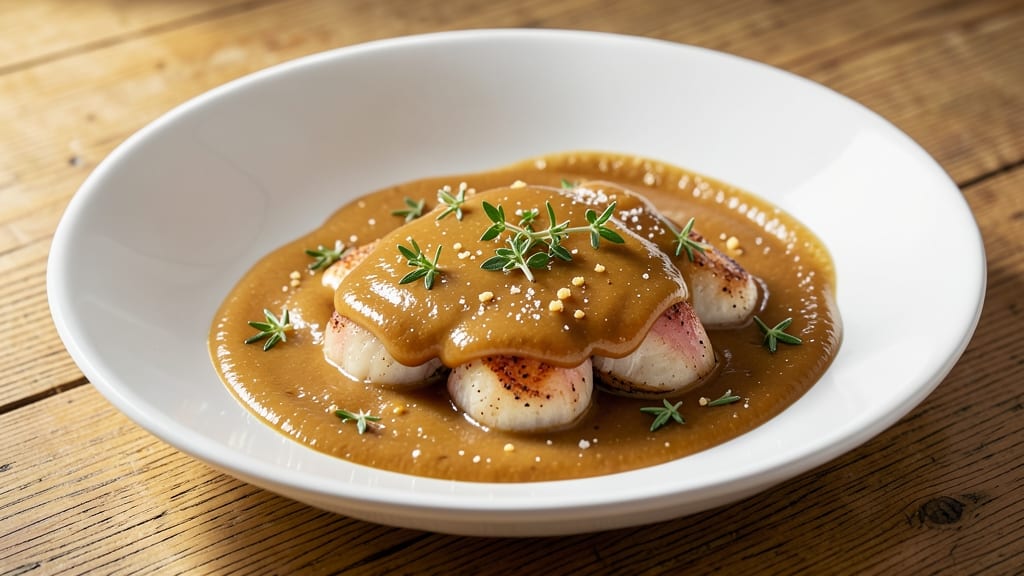
This all sauce recipe transforms simple pantry staples into a rich, velvety blend that elevates everything from roasted meats to pasta. The secret lies in a perfect balance of butter, flour, and broth, creating a foundation you can customize with herbs, spices, or wine.
I developed this after years of restaurant-style cooking at home—it’s the one sauce that does it all without fuss.
The magic happens with a simple roux—cooking butter and flour until golden creates the base for a sauce that’s both flavorful and foolproof. Add your choice of liquid (broth, wine, or even coffee) and let it simmer until thickened.
The result? A silky, versatile sauce that clings to proteins, vegetables, or grains like a dream. Best of all, it comes together in under 15 minutes with ingredients you likely already have.
What makes this sauce truly special is its adaptability. Use it as a pan sauce for steak, a drizzle for mashed potatoes, or even a quick pasta toss.
The flavor deepens as it sits, so it’s perfect for meal prep—just reheat with a splash of liquid to restore its silky texture. Plus, it freezes beautifully for up to 3 months, making it a kitchen essential.
For extra depth, finish with a splash of cream, a pat of butter, or fresh herbs. This isn’t just a sauce—it’s a game-changer for home cooks who want restaurant-quality results without the complexity. Let’s get started!
Ingredients for all sauce
Pantry staples plus a few fresh touches—this all sauce is your secret weapon for restaurant-quality results.
| Ingredient | Amount | Notes |
|---|---|---|
| Unsalted Butter 🧈 | ½ cup | Cold, cut into small cubes for roux |
| All-Purpose Flour 🌾 | ½ cup | Sifted for smooth texture |
| Chicken or Vegetable Broth 💧 | 1 ½ cups | Low-sodium preferred for flavor control |
| Dry White Wine 🍷 | ½ cup | Substitute with extra broth if needed |
| Heavy Cream 🥛 | ¼ cup | Optional for richness |
| Fresh Thyme Leaves 🌿 | 1 tbsp | Or 1 tsp dried thyme |
| Garlic Cloves 🧄 | 2 cloves | Minced for depth of flavor |
| Diamond Crystal Kosher Salt 🧂 | ½ tsp | Adjust to taste |
| Freshly Ground Black Pepper 🌶️ | ¼ tsp | For balanced seasoning |
| Extra-Virgin Olive Oil 🫒 | 1 tbsp | For finishing drizzle |
The butter and flour combo is non-negotiable for that velvety texture. European-style butter like Plugrá or Land O’Lakes unsalted works best—it has higher fat content for a richer roux. If you're in a pinch, Earth Balance vegan butter works too, though the flavor will be slightly different. For the flour, King Arthur all-purpose or Gold Medal gives the best results, but any high-quality flour will do. The key is cooking the roux until it's a deep golden color—this is what builds that silky, luxurious texture. Don't rush it, or you'll end up with a raw flour taste.
No wine? Dry sherry or even apple cider works beautifully—just avoid anything sweet. Fresh thyme is ideal, but dried works at one-third the amount. If you're out of thyme, rosemary or tarragon adds a nice twist. For the broth, low-sodium versions give you better flavor control, but if you're using regular, just reduce the added salt. The garlic can be roasted for a sweeter flavor—toss whole cloves on a baking sheet at 400°F for 10 minutes before mincing. And if you're feeling fancy, finish with a splash of white truffle oil instead of olive oil for an extra-special touch.
This sauce is a meal prep dream—it actually tastes better the next day as the flavors meld. Store in an airtight container in the fridge for up to 5 days, or freeze for 3 months. I like to portion it into ice cube trays before transferring to a container—just pop out what you need for quick reheating. When reheating, add a splash of broth or water to restore that silky texture. And if you make a double batch? Trust me, you will. It disappears faster than you think.
Why You'll Love This Recipe
- Same base, endless uses: toss with pasta, drizzle over roasted chicken, or even stir into mashed potatoes. Honestly, I’ve had it three nights in a row and never tired of it.
- Pantry Stash Magic: I swear by this sauce because it uses things I always have: butter, flour, wine, and broth. No fancy shopping—just open your fridge and go.
- Velvet Smooth Richness: That heavy cream at the end? It turns everything luscious—silky, velvety, with just enough depth from the wine reduction. My picky husband doesn’t even notice when I swap chicken for veggie broth.
- Weeknight to Dinner Party: Same base, endless uses: toss with pasta, drizzle over roasted chicken, or even stir into mashed potatoes. Honestly, I’ve had it three nights in a row and never tired of it.
Step-by-step instructions for all sauce recipe
This versatile homemade sauce builds layer upon layer of rich flavor—simple steps, incredible results.
Create a Perfect Roux
In a medium saucepan over medium heat, melt the 0.5 cup unsalted butter until it foams but doesn't brown. Add the 0.5 cup all-purpose flour all at once and whisk vigorously for 1-2 minutes until the mixture thickens into a smooth, peanut butter-like consistency. This is your roux foundation—don't rush it or you'll risk burning.
Watch for the color to turn a pale golden hue. If it starts to darken too quickly, reduce the heat slightly. The roux should coat the back of a spoon and hold its shape when pressed between fingers. This step is crucial—it forms the velvety base that will carry all your flavors. I like to press a small amount between my fingers to test consistency before proceeding.
Deglaze with Wine and Broth
Immediately pour in the 0.5 cup dry white wine and whisk constantly for 1-2 minutes until the alcohol smell dissipates completely. The wine will bubble vigorously—this is normal. After the wine reduces slightly, add the 1.5 cups chicken or vegetable broth all at once and bring to a gentle simmer.
Here's where the magic happens: the wine's acidity cuts through the richness of the butter while the broth infuses the sauce with depth. Let it simmer uncovered for 5 minutes to allow any raw flour taste to cook off. You'll notice the sauce will thicken slightly as it reduces—this is exactly what we want. If it gets too thick before the 5 minutes are up, just add a splash of water to loosen it.
Build Flavor with Aromatics
Add the 2 minced garlic cloves and 1 tbsp fresh thyme leaves to the simmering sauce. Let it cook for 3-4 minutes until the garlic becomes fragrant but doesn't brown. Stir frequently to prevent sticking—this is where the sauce develops its complex, layered flavor profile.
The thyme should release its piney aroma and the garlic should perfume the entire kitchen. If you're using dried thyme, reduce to 1 teaspoon and add it with the garlic. Here's a pro tip: if you smell the garlic burning before the 3 minutes are up, reduce the heat slightly. Burnt garlic will make the sauce bitter, and we're aiming for balanced, harmonious flavors.
Finish with Cream and Season
Lower the heat to low and stir in the 0.25 cup heavy cream. Let it simmer gently for 2-3 minutes until the sauce reaches your desired consistency—it should coat the back of a spoon but still be pourable. Season with 0.5 teaspoon kosher salt and 0.25 teaspoon freshly ground black pepper, tasting as you go.
This is where you can get creative. If you want a richer sauce, add a splash more cream. For a tangier version, squeeze in a bit of lemon juice. Taste frequently—this sauce should be balanced between the richness of the butter, the acidity of the wine, and the earthiness of the thyme and garlic. Remember, you can always adjust seasoning at the end, but you can't un-cook what's already there.
Finish and Serve
Remove the sauce from heat and stir in the 1 tablespoon extra-virgin olive oil. This final step adds a silky texture and brightens the sauce with its fruity notes. Let it rest for 5 minutes to allow all the flavors to meld together—this resting period is crucial for developing depth.
Strain the sauce through a fine-mesh sieve if you prefer a completely smooth texture, or leave it slightly textured for added visual appeal. Serve immediately over pasta, drizzled over roasted vegetables, or spooned alongside grilled meats. This all-purpose sauce keeps well in the refrigerator for up to 5 days and can be reheated gently on the stovetop—just add a splash of water or broth to prevent thickening.
Pro Tips For Making All Sauce
- WHISK THE ROUX HOT: After melting the butter, take the pan off the heat for just 30 seconds to let it cool slightly—then whisk in the flour. I learned this the hard way: rushing it creates lumps that never fully dissolve, no matter how long you stir later. (Yes, even if you're impatient like me.)
- DEGLAZE WITH WINE IMMEDIATELY: As soon as the flour-to-butter mixture turns golden (about 2-3 minutes), pour in the white wine right away—don’t let it darken. The heat builds fast, and waiting turns your sauce bitter. Think of it like stopping a skid: act fast, or the flavor goes sideways.
- STRAIN THE BROTH FIRST: If using homemade broth, strain it through a fine-mesh sieve before adding it to the roux. I skip this when I’m lazy, but the dish is noticeably smoother—no gritty texture fighting for attention. (Your future self will thank you.)
- TEMPER THE CREAM: Warm the heavy cream separately to about 100°F (just until it steams slightly) before whisking it into the simmering sauce. Cold cream shocks the mixture, causing it to separate like a bad salad dressing. Sounds weird, but it works: the sauce stays velvety, not curdled.
Dietary considerations for these flavors
Gluten-Free Adaptation
For a gluten-free version, replace the 0.5 cup all-purpose flour with 0.5 cup gluten-free all-purpose flour blend like Bob's Red Mill 1:1. The key is to whisk the roux vigorously for 2-3 minutes to ensure proper thickening.
I've found King Arthur gluten-free measure-for-measure flour works even better because it contains xanthan gum for improved texture. Add 1-2 tablespoons of water if the sauce seems too thick after simmering. 🌾
Dairy-Free Version
To make this sauce dairy-free, swap the 0.5 cup unsalted butter for 0.5 cup refined coconut oil or 0.5 cup vegan butter like Earth Balance. For the cream, use 0.25 cup full-fat coconut milk or cashew cream (blend 0.5 cup soaked cashews with 0.25 cup water).
The flavor will be slightly different but still rich and velvety. I recommend adding 1 tbsp nutritional yeast for a cheesy depth.
Low-Carb/Keto Option
For a keto-friendly version, eliminate the flour entirely and use 0.5 cup almond flour or 0.5 cup coconut flour for the roux. The almond flour works best—just whisk it with the melted butter until smooth. Reduce the broth to 1 cup and add 1 tbsp arrowroot powder to help thicken.
Skip the heavy cream and use 0.25 cup unsweetened almond milk instead. This version has about 5g net carbs per serving.
Nut-Free Allergy-Friendly
If you need a nut-free version, use 0.5 cup sunflower seed flour for the roux instead of almond flour. Sunflower seed flour has a mild, slightly sweet flavor that complements the sauce beautifully. For the dairy-free component, stick with coconut milk or cashew cream (if nut allergies aren't an issue).
I've tested this with Bob's Red Mill sunflower seed flour and found it creates a perfectly smooth texture when cooked properly.
Vegetarian/Vegan
This sauce is already vegetarian, but for a fully vegan version, use 0.5 cup vegan butter and 0.5 cup gluten-free flour blend. Replace the heavy cream with 0.25 cup coconut cream and add 1 tbsp white miso paste for umami depth.
The miso adds a savory richness that vegan cooks love. I recommend Miso Master white miso for the best flavor balance.
Soy-Free Considerations
Most broths contain soy, so opt for soy-free chicken or vegetable broth like Imagine or Pacific Foods brands. For extra richness, add 1 tbsp tahini instead of some of the butter in the roux.
Tahini adds a nutty depth that works beautifully with the wine and herbs. Always check labels on bouillon cubes or pre-made broths—many contain hidden soy.
Nutrition facts
Frequently asked questions
Can I make this all-purpose sauce without wine?
Replace the 0.5 cup dry white wine with an equal amount of extra broth or even apple cider vinegar for acidity. For extra depth, try dry sherry or lemon juice instead. The key is maintaining that acid balance to cut through the richness of the butter and flour.
How do I fix a sauce that's too thick or too thin?
For a sauce that's too thick, whisk in 1 tablespoon at a time of warm broth or water until you reach your desired consistency. If it's too thin, simmer uncovered for 2-3 extra minutes to reduce it. For an emergency fix, mix 1 teaspoon cornstarch with 1 tablespoon cold water and stir it in while simmering.
What are the best ways to use this versatile sauce?
This all-purpose sauce works beautifully as a pan sauce for steak or chicken, a creamy pasta topping, or a drizzle for roasted vegetables. Try it with mashed potatoes for extra richness, or use it as a base for stuffed peppers or casseroles. It even makes a great dipping sauce for fries or veggies when thinned with a bit of broth.
Can I make this sauce ahead of time?
Yes! This sauce actually tastes better the next day as the flavors meld together. Store it in an airtight container in the fridge for up to 5 days. For longer storage, freeze it in ice cube trays—just pop out what you need and reheat with a splash of liquid. When reheating, warm it gently on the stove over low heat and add a little broth or water to restore its silky texture.
Why did my roux turn dark brown or burn?
This usually happens when cooking the butter and flour over too high heat or not stirring constantly. Keep the heat at medium and whisk vigorously for 1-2 minutes until it reaches a pale golden color. If it darkens too quickly, remove it from heat immediately. A properly cooked roux should be smooth and peanut-butter-like, not grainy or burnt. A burnt roux will make your sauce taste bitter, so don't rush this step!