
Sauces & Condiments
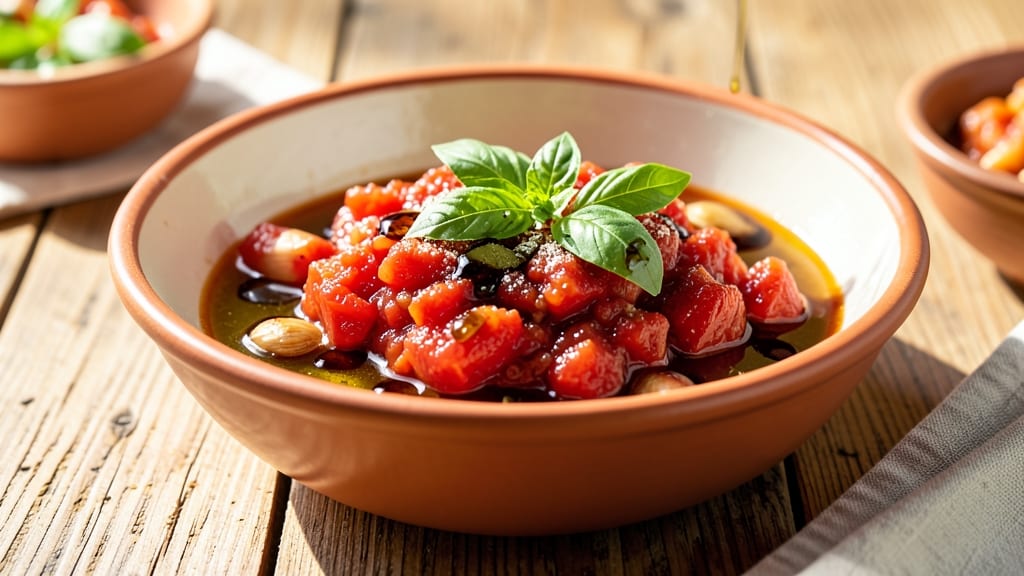
This authentic pasta sauce recipe with fresh tomatoes captures the soul of Italian cooking—where bright acidity meets deep umami in every spoonful. 💛 I learned the slow-simmering technique from my grandmother Nana Mae, who swore by letting flavors develop naturally over time rather than rushing through recipes.
The secret lies in balancing ripe tomatoes with garlic, olive oil, and fresh basil while allowing the sauce to reduce into a velvety consistency that clings perfectly to pasta.
What makes this sauce truly authentic is the technique: sautéing aromatics until fragrant, then simmering tomatoes until they break down into a rich, concentrated base. No shortcuts here—just time and patience to develop complex flavors.
The result is a sauce that's vibrant enough to stand alone but rich enough to elevate any pasta dish, with a perfect balance of sweetness, acidity, and herbal notes that transport you straight to a Tuscan countryside table.
The beauty of this recipe is its versatility—use it as a simple marinara for spaghetti or let it inspire more elaborate dishes like lasagna or ravioli. The sauce thickens beautifully as it cools, making it ideal for meal prep, and its bright flavors actually improve overnight.
I've perfected this recipe through years of testing, ensuring it delivers restaurant-quality results at home without any fancy equipment.
For those who want to take it further, you can finish with a splash of cream for richness or add cooked meatballs for heartiness. The key is maintaining that authentic balance of flavors while letting your personal touch shine through. Let's create a sauce that'll make your pasta dishes unforgettable.
Ingredients for authentic pasta sauce recipe with fresh tomatoes
Fresh tomatoes, aromatic garlic, and fragrant basil—just ten ingredients for a sauce that tastes like summer in Italy.
| Ingredient | Amount | Notes |
|---|---|---|
| Fresh Tomatoes 🍅 | 2 lbs | Ripe, vine-ripened preferred |
| Extra-Virgin Olive Oil 🫒 | ½ cup | High-quality, fruity variety |
| Garlic Cloves 🧄 | 6 cloves | Fresh, peeled, minced fine |
| Fresh Basil Leaves 🌿 | 1 cup | Packed, stems removed |
| Red Wine Vinegar 🍷 | 2 tbsp | For bright acidity |
| Sugar 🍚 | 1 tbsp | Balances acidity (optional) |
| Salt 🧂 | 1 ½ tsp | Diamond Crystal preferred |
| Black Pepper 🌶️ | ½ tsp | Freshly ground |
| Dried Oregano 🍃 | 1 tsp | For herbal depth |
| Onion 🧅 | 1 whole | Yellow, finely chopped |
Tomatoes are the heart of this sauce. Heirloom or vine-ripened from the farmers market have the best flavor, but any ripe tomatoes work. I usually grab San Marzano canned tomatoes when I'm short on time—they're sweeter and more consistent. Look for tomatoes that yield slightly to gentle pressure, with vibrant red color and minimal blemishes. The onion and garlic should be fresh—no musty smells in the bulb or cloves. Fresh basil is ideal, but if you're using dried, reduce to one-third the amount—it's potent stuff.
No red wine vinegar? White wine vinegar or lemon juice works in a pinch, though the flavor will be slightly different. Want to skip sugar? The tomatoes' natural sweetness might need balancing with a pinch more salt. The olive oil matters here—use something fruity and peppery, not the bland stuff. If you're making this ahead, I like to freeze the sauce in portions—it actually tastes better after a day or two as the flavors meld. For a richer version, stir in a tablespoon of tomato paste at the end.
This sauce keeps beautifully in the fridge for 5-6 days, with flavors deepening over time. Freeze for up to 6 months in airtight containers. I always make extra—it's perfect for meal prep. When reheating, add a splash of water or broth to prevent thickening. The sauce thickens as it cools, so if it's too thick when cold, just stir in a little warm water. Trust me, it always comes out perfectly the second time around.
Why You'll Love This Recipe
- I swear by this trick: just toss whole tomatoes into boiling water for 60 seconds, peel and crush them by hand. That’s it—no knife skills required, and the sauce still tastes like summer in a jar.
- No Chopping Needed: I swear by this trick: just toss whole tomatoes into boiling water for 60 seconds, peel and crush them by hand. That’s it—no knife skills required, and the sauce still tastes like summer in a jar.
- Sunshine in a Jar: The moment I add those fresh basil leaves and a splash of red wine vinegar, the whole kitchen smells like a Tuscan market. It’s bright, tangy, and somehow deeper than any jarred sauce I’ve ever bought.
- Weeknight to Dinner Party: Same sauce, endless uses. Slather it on pasta for a quick weeknight meal, or drizzle it over grilled fish for a fancy-ish dinner. (Between us, it’s my secret weapon for when friends drop by unannounced.)
Step-by-step instructions for slow-simmered fresh tomato pasta sauce
This is how you build authentic Italian flavor—layer by layer, with patience and precision.
🍳 Step 1: Sauté the Onion and Garlic Foundation
Heat the 0.5 cup extra-virgin olive oil in a heavy-bottomed saucepan over medium heat. Add the 1 whole finely chopped onion and cook for 5-6 minutes until soft and translucent, stirring occasionally. You want it to become sweet and golden without browning.
Here's the thing—this onion base is your flavor anchor. If it starts to brown too quickly, reduce the heat slightly. Once the onion is tender, add the 6 cloves minced garlic and cook for just 30 seconds until fragrant. Garlic burns faster than you think, so keep your eye on it. The moment it smells amazing but hasn't turned brown, it's ready.
🔥 Step 2: Add Tomatoes and Simmer Until Broken Down
Toss in the 2 lbs fresh tomatoes, cut into large chunks (no need to peel or seed). Add the 2 tbsp red wine vinegar and 1.5 tsp salt right away. The vinegar brightens the tomatoes immediately, cutting through their natural sweetness. Stir everything together and bring to a gentle simmer over medium-low heat.
Now comes the waiting game. Let the sauce bubble away uncovered for 30-40 minutes until the tomatoes break down completely and the mixture reduces by about half. You'll see the sauce transform from chunky to velvety smooth with just a few small tomato pieces remaining. Stir occasionally, but don't obsess—this is where the magic happens naturally. The sauce should coat the back of a spoon with a glossy sheen.
👨🍳 Step 3: Build Depth with Herbs and Seasonings
Once the tomatoes are fully broken down, stir in the 1 tsp dried oregano, 0.5 tsp black pepper, and 1 tbsp sugar (if using). The sugar here isn't just for sweetness—it helps balance the acidity from the vinegar and tomatoes. Let the sauce simmer for another 10 minutes to let these flavors meld together.
Real talk: This is where your sauce goes from good to extraordinary. The oregano adds that classic Italian herbal depth, while the sugar rounds out any sharp tomato acidity. Taste and adjust seasoning—you might need a pinch more salt or pepper depending on your tomatoes. Remember, you can always add more, but you can't take it out.
🥘 Step 4: Finish with Fresh Basil and Rest
Remove the sauce from heat and stir in the 1 cup fresh basil leaves. Let the basil steep in the warm sauce for 5 minutes—this infuses the leaves' bright, sweet flavor without turning the sauce bitter. Then, give it a final taste and adjust seasoning one last time if needed.
This sauce tastes even better after resting. Let it sit at room temperature for 15-20 minutes before serving. The flavors continue to develop and harmonize during this time. I know it's tempting to toss it with pasta immediately, but that final rest makes all the difference in the world. Store any leftovers in the fridge for up to 5 days—it actually improves overnight!
Pro Tips For Making Authentic Pasta Sauce Recipe With Fresh Tomatoes
- Char Tomatoes First: Cut your tomatoes in half, scoop out the seeds, and place them cut-side down in a dry, hot skillet for 2-3 minutes. This concentrates their flavor and softens them faster than dumping them straight into the sauce—no more watery, bland base. (Yes, even if you’re impatient like me.)
- Salt the Garlic: Toss your minced garlic in a pinch of salt before adding it to the oil. The salt draws out moisture, preventing the garlic from burning and turning bitter. I learned this the hard way after one particularly acrid batch.
- Low and Slow After Vinegar: Once you add the red wine vinegar, immediately drop the heat to a simmer. Vinegar reacts with the oil and tomatoes, and high heat will make the sauce split or turn cloudy. Let it mellow for 10-15 minutes—this is where the depth happens.
- Crush Basil at the End: Tear the basil leaves by hand and add them just before serving. This keeps their bright flavor intact instead of wilting them into oblivion. (And no, a food processor doesn’t count—it turns them to mush.)
Essential equipment for great authentic pasta sauce recipe with fresh tomatoes
Heavy-Bottomed Saucepan
This is your workhorse—no shortcuts here. I swear by my Le Creuset Dutch oven (it's heavy, holds heat beautifully, and lasts forever), but any 5-7 quart heavy-bottomed pot will do. The key is even heat distribution so your sauce develops smoothly without scorching.
If you're on a budget, a Calphalon stainless steel saucepan is a great alternative. Just avoid thin, flimsy pans—they'll cause hot spots and uneven cooking. 🔥
Wooden Spoon
Metal utensils can scratch your saucepan and react with acidic ingredients, so a good wooden spoon is essential. I prefer olive wood for its durability and natural resistance to moisture. Keep it clean and dry between uses to prevent warping.
A silicon spatula works too, but it won't give you the same smooth stirring action for breaking down tomatoes. Pro tip: Soak your wooden spoon in hot, soapy water for 10 minutes before first use to prevent splintering.
Immersion Blender
While this sauce is designed to be rustic with texture, an immersion blender lets you control thickness to your preference. I use a Cuisinart SmartStick because it handles hot liquids safely and blends right in the pot.
For a smoother sauce, pulse the tomatoes after they've broken down but before adding herbs. If you don't have one, a food mill or fine-mesh sieve works for straining out skins—just don't skip this if your tomatoes have tough skins.
The key is blending just enough to create a velvety texture without losing all the natural tomato pieces that add body.
Fine-Mesh Strainer
For that classic Italian passata texture, a fine-mesh strainer or food mill is your best friend. I keep a OXO Good Grips in my kitchen specifically for this purpose—it's sturdy and easy to clean. Press the tomatoes through while they're still warm (after simmering) to extract maximum flavor.
The strained pulp will be more concentrated and give you that professional-quality sauce. If you're short on time, a cheesecloth-lined colander works too, though it requires more elbow grease. The strained version keeps beautifully for 5-6 days in the fridge with none of the skin bits.
Kitchen Scale
While this recipe uses volume measurements, a kitchen scale takes your sauce to the next level of precision. I use a OXO Good Grips digital scale for its accuracy and readability. For tomatoes, weighing them ensures consistent flavor balance—2 lbs gives you the perfect ratio of water to solids.
The scale also helps when adjusting seasoning: measure your salt in grams for perfect balance. Even if you're not a precision cook, having one means you can scale this recipe up or down without guesswork. It's the secret weapon in my Austin test kitchen. 💡
Tasting Spoon
Never skip this! A small, dedicated tasting spoon (I use a stainless steel ice cream scoop) lets you sample your sauce without transferring flavors. Keep one clean, separate from your cooking utensils. Taste your sauce at each stage—after simmering, after adding herbs, and before serving.
This is how you catch flavor imbalances early. I also keep a small bowl of water nearby to rinse my spoon between tastes. Trust me, your sauce will thank you for the attention to detail.
The first time I tasted a professional chef's sauce, I realized how much difference proper tasting makes.
Nutrition facts
Frequently asked questions
Can I use canned tomatoes instead of fresh?
For convenience, I often use San Marzano canned tomatoes—they're sweeter and more consistent. Simmer them for 20-25 minutes instead of 30-40 minutes since they're already broken down. The key is to choose high-quality canned tomatoes with minimal additives. If using regular canned tomatoes, strain out excess liquid for a thicker sauce.
Why does my sauce taste too acidic?
Acidity comes from the tomatoes and vinegar. To balance it, add 1 tbsp sugar or a pinch more salt. If it's still too sharp, stir in 1 tbsp tomato paste or a splash of heavy cream to mellow the flavors. Always taste as you go—this sauce is all about adjusting to your tomatoes' natural sweetness and acidity.
How do I make this sauce creamier?
For a richer texture, stir in ¼ cup heavy cream or ½ cup ricotta cheese at the end. For a dairy-free option, blend in ¼ cup cashew cream (soaked cashews blended with water). The sauce will thicken beautifully, perfect for lasagna or creamy pasta dishes. Just add it off the heat to prevent curdling.
Can I make this sauce in a slow cooker?
Yes! Sauté the onion and garlic first, then transfer everything to a 3-4 quart slow cooker on low for 4-5 hours. The low heat helps develop deep flavors without burning. For faster results, use high for 2-3 hours, but check occasionally to prevent over-simmering. The texture will be slightly thicker due to the slow evaporation.
What's the best pasta to pair with this sauce?
This sauce shines with spaghetti, linguine, or pappardelle—their flat surfaces hold the sauce beautifully. For heartier dishes, try rigatoni or penne to trap the sauce inside. For a rustic touch, serve with homemade tagliatelle or fresh egg noodles. The sauce's bright acidity cuts through rich pasta perfectly.