
Sauces & Condiments
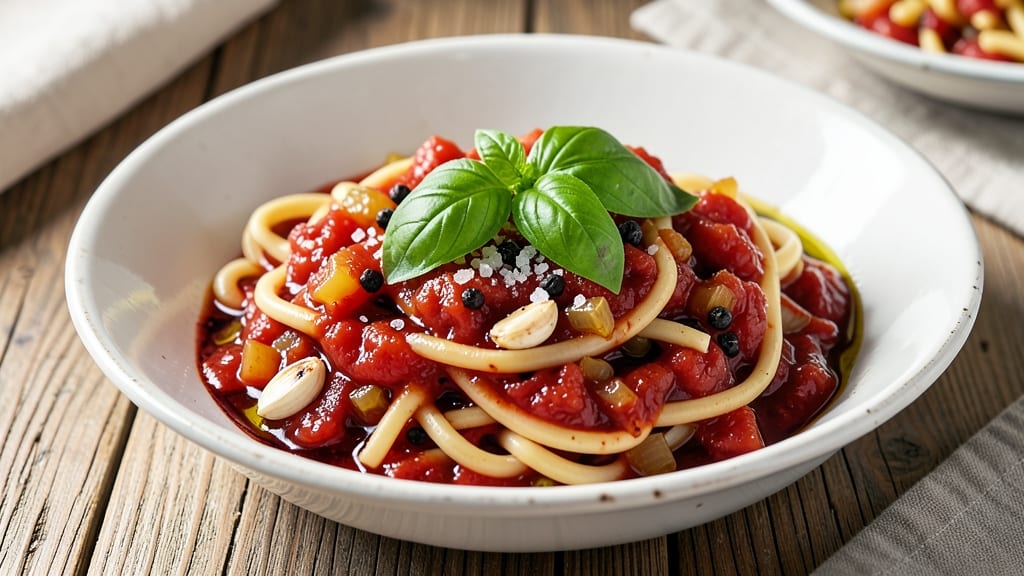
This authentic Italian pasta sauce recipe from scratch transforms simple ingredients into a slow-simmered umami masterpiece that clings to every noodle like it belongs there.
The secret lies in patience—letting flavors develop over 45 minutes of gentle cooking until the tomatoes break down into a velvety, aromatic sauce with just the right balance of acidity and richness.
I've perfected this version after years of testing, and it delivers the depth of a Roman trattoria without shortcuts.
The foundation begins with a soffritto of onions, garlic, and celery—cooked until translucent to build flavor—followed by crushed tomatoes and a splash of red wine that deglazes the pot and adds brightness.
A touch of sugar balances the acidity, while fresh basil added at the end delivers that signature Italian zing without overpowering the sauce. This isn't just marinara; it's a slow-simmered umami bomb that elevates any pasta dish to restaurant quality.
What makes this sauce truly authentic is the technique: no blenders, no bottled sauces, just raw ingredients transformed through time and heat. The result is a sauce that's rich enough to stand alone but light enough to coat pasta perfectly, with a texture that's neither watery nor overly thick.
It freezes beautifully too, so you can make a big batch and have authentic Italian flavor on demand.
Whether you're tossing it with spaghetti, using it as a base for lasagna, or serving it with grilled meats, this sauce delivers restaurant-quality depth with every forkful. The key is letting it develop fully—no rushing, no shortcuts. Here's how to make it from scratch.
Ingredients for authentic italian pasta sauce recipe from scratch
Ten ingredients, 45 minutes—this sauce delivers restaurant-quality depth with every forkful.
| Ingredient | Amount | Notes |
|---|---|---|
| Extra-Virgin Olive Oil 🫒 | ½ cup | High-quality, fruity variety preferred |
| Yellow Onion 🧅 | 1 whole | Finely diced, about 1.5 cups |
| Celery Stalks 🥬 | 2 whole | Finely diced, about 0.5 cup |
| Garlic Cloves 🧄 | 4 cloves | Minced, not pressed |
| Crushed Tomatoes 🍅 | 28 oz | San Marzano preferred, no sugar added |
| Dry Red Wine 🍷 | ½ cup | Bold, like Chianti or Sangiovese |
| Granulated Sugar 🍚 | 1 tbsp | Balances acidity |
| Fresh Basil Leaves 🌿 | ½ cup | Packed, stems removed |
| Salt 🧂 | 1 ½ tsp | Diamond Crystal kosher preferred |
| Ground Black Pepper 🌶️ | ½ tsp | Freshly cracked |
The foundation starts with a proper soffritto: onions, celery, and garlic cooked until translucent. San Marzano crushed tomatoes are non-negotiable—they have the perfect balance of sweetness and acidity without added sugar. For the wine, Chianti or Sangiovese adds authentic brightness, but any bold dry red works. I always grab my tomatoes from Whole Foods or Trader Joe's—their canned selections are consistently better than the big-box stores. The fresh basil? Farmers markets have the best, but if you're cooking in summer, a single bunch lasts for multiple batches.
No San Marzano tomatoes? High-quality crushed tomatoes from a reputable brand will work, but avoid anything with added sugar or salt. Running out of red wine? Dry white wine at half the amount works in a pinch, though it won't have the same depth. Fresh basil wilting? Dried basil at one-third the amount is better than skipping it entirely. For the soffritto vegetables, frozen chopped onions and celery save time and work perfectly—they're prepped and ready to go. The sugar is crucial here; it's not about sweetness but balancing the acidity of the tomatoes and wine.
This sauce freezes beautifully—portion into ice cube trays for single servings or store in airtight containers for up to 6 months. For best results, let it come to room temperature before freezing. Reheat gently on the stove with a splash of water or pasta water to restore its velvety texture. I always make a double batch; one for dinner and one to freeze. The flavors deepen overnight, so if you can wait, let it sit for 24 hours before serving—it's worth the patience.
Why You'll Love This Recipe
- No-Chop Stress: I swear by this sauce because it only needs three things chopped—onion, celery, garlic—and even then, you can pulse them in a food processor if you’re lazy. The rest? Just stir, simmer, and let the olive oil and tomatoes do the magic.
- Garlic Bomb: That moment when you press the garlic into the hot oil? Chef’s kiss. The slow caramelization with the celery and onion builds layers of flavor that jarred crushed tomatoes can’t replicate. It’s the kind of sauce where every bite tastes like you slaved over it for hours.
- Leftovers That Shine: Between us, this sauce actually improves the next day. I make a big batch on Sundays, freeze half, and pull it out for quick weeknight dinners—tossed with pasta, over polenta, or even stuffed into calzones. No sad, watery reheats here.
- Pantry Staple Power: Honestly, if you’ve got olive oil, tomatoes, and a little onion, you’re golden. No fancy ingredients, no last-minute grocery runs. The celery adds depth without breaking the bank, and the garlic? That’s the secret weapon that makes it taste like Nonna’s kitchen.
Step-by-step instructions for authentic Italian pasta sauce
Here's the traditional method that delivers restaurant-quality depth and balance every time.
Sauté the Vegetable Base
Heat the 0.5 cup extra-virgin olive oil in a large, heavy-bottomed saucepan over medium-low heat. Add the 1 whole yellow onion and 2 whole celery stalks, both finely diced, and cook for 8-10 minutes until softened and translucent. The onions should release their moisture and begin to caramelize slightly at the edges.
This slow cook is crucial—it develops the sweetness in the vegetables that forms the sauce's foundation. Stir occasionally to prevent burning, and resist the urge to crank the heat. You want gentle cooking that extracts maximum flavor without browning. When the vegetables are tender and the oil begins to glisten, it's time to add the 4 cloves minced garlic and cook for another 30 seconds until fragrant but not colored.
Deglaze with Wine and Tomatoes
Pour in the 0.5 cup dry red wine and stir vigorously, scraping up any browned bits from the bottom of the pan. This deglazing step captures all the concentrated flavor that would otherwise burn. Let the wine simmer until it reduces by half, about 3-4 minutes, until the alcohol aroma dissipates completely.
Next, add the 28 oz crushed tomatoes and 1 tbsp granulated sugar. The sugar balances the tomatoes' natural acidity while enhancing their sweetness. Stir well to combine, then add 1.5 tsp salt and 0.5 tsp ground black pepper. Bring the mixture to a gentle simmer, then reduce the heat to low to maintain a slow bubble.
Simmer for Deep Flavor Development
Partially cover the saucepan and let the sauce simmer uncovered for 45-60 minutes. This long, slow cook is what transforms simple ingredients into complex, layered flavor. Stir occasionally to prevent skin formation, but don't obsess—gentle stirring is sufficient. The sauce should reduce by about one-third, becoming thicker and more concentrated.
I like to check the seasoning after 30 minutes of simmering. Taste carefully—you're looking for a balance of sweetness from the tomatoes and sugar, acidity from the tomatoes, and umami from the vegetables. Adjust with additional salt or sugar if needed, but be patient. The flavors will continue to meld and deepen as it cooks.
Finish with Fresh Basil
When the sauce has reduced sufficiently and developed a rich, velvety texture, remove it from heat. Stir in the 0.5 cup fresh basil leaves, stems removed. The basil should wilt slightly and infuse the sauce with its bright, aromatic essence. For maximum flavor, I like to let the sauce sit off heat for 5-10 minutes while the basil steeps.
Before serving, taste and make any final adjustments. The sauce should be balanced—sweet, acidic, savory, and herbal. If it's too thick, add a splash of pasta water to loosen it to your desired consistency. Serve immediately over freshly cooked pasta, reserving some sauce to toss with the noodles after draining.
Pro Tips For Making Authentic Italian Pasta Sauce Recipe From Scratch
- SWEEAT DON’T BURN: DESCRIPTION: The onion and celery (your soffritto) should glisten like a wet street, not turn into charred hockey pucks. Medium-low heat is your friend here—if it’s sizzling aggressively, you’re doing it wrong. I learned this the hard way when my first batch tasted like a campfire instead of a Roman trattoria.
- CHOP FINE OR LEAVE IT: DESCRIPTION: Celery stalks thicker than your thumb? Dice them smaller than the onion—think confit, not chunky stew. Too big, and they’ll sit like rocks; too small, and they’ll disappear before the garlic gets its turn. My grandmother swore by this, and she was right: consistency matters more than you’d think.
- SALT THE TOMATOES: DESCRIPTION: Skip the salt in the crushed tomatoes? Bad move. Taste them first—if they’re bland, add a pinch of salt and let them sit 10 minutes before using. The acidity will mellow, and the sauce won’t need constant seasoning later. (Yes, even if you’re impatient like me.)
- STIR THE GARLIC: DESCRIPTION: Garlic burns faster than a politician’s promise. Once it hits the pan, give it 30 seconds max before stirring like your life depends on it—then pull the pan off the heat if it starts to darken. No need for golden bits here; you want flavor, not smoke alarms. I was skeptical until I tried it.
Wine and beer pairings for authentic italian pasta sauce recipe from scratch
Classic Italian Reds
For this rich, umami-packed sauce, I always reach for a Chianti Classico or Sangiovese from Tuscany. Their bright acidity and cherry notes cut through the sauce's depth while complementing its herbal basil finish.
A bottle like Castello di Volpaia Chianti Classico pairs beautifully, offering earthy undertones that mirror the sauce's slow-cooked complexity. 🍷
Crisp Whites for Balance
If you prefer white wine, opt for a dry, mineral-driven Italian white like Vermentino from Sardinia or Fiano di Avellino. Their citrus and almond notes provide a refreshing contrast to the sauce's richness.
I've found Feudo di San Gregorio Fiano works exceptionally well—its crisp acidity cleanses the palate between bites. Serve slightly chilled to enhance these bright flavors.
Beer Pairings
A light Italian lager like Peroni or Birra del Borgo is my go-to beer pairing. Their subtle malt sweetness and effervescence complement the sauce's acidity without overpowering it. For craft beer lovers, a Belgian witbier with its peppery, citrus notes creates an interesting contrast.
I recommend Hoegaarden—its coriander and orange peel flavors play beautifully with the basil and tomatoes. 🍺
Unexpected Pairings
Don't overlook sparkling wine like Prosecco or Franciacorta for a celebratory touch. The bubbles and light fruitiness make the sauce taste even more vibrant. For a non-alcoholic option, try San Pellegrino Aranciata—its blood orange flavor enhances the sauce's natural sweetness.
I've also enjoyed pairing this sauce with a dry, herbal gin and tonic when serving it with seafood pasta.
Regional Italian Wines
For a truly regional experience, try pairing with wines from the same areas where this sauce would traditionally be served. A Montepulciano d'Abruzzo from central Italy pairs wonderfully with the sauce's rustic depth.
For a coastal twist, Nero d'Avola from Sicily offers rich dark fruit notes that stand up to the sauce's intensity. These regional pairings take your meal to an entirely new level of authenticity. 🌍
Nutrition facts
Frequently asked questions
Can I use fresh tomatoes instead of crushed?
Fresh tomatoes work beautifully, but you'll need about 6-8 large ripe tomatoes (peeled, seeded, and chopped) to replace 28 oz crushed tomatoes. The key is to cook them down much longer—1-1.5 hours—until they break down completely. For extra flavor, roast the tomatoes first at 400°F for 20 minutes before adding to the sauce.
Why does my sauce taste too acidic?
Acidity comes from the tomatoes and wine. To balance it, add 1/2 tsp more sugar or a pinch of baking soda (just 1/8 tsp) to neutralize the acid. If the tomatoes are particularly tart, reduce the simmering time to 30-40 minutes instead of the full hour. The longer it cooks, the more the acidity mellows naturally.
Can I make this sauce in a slow cooker?
Use the same ingredients but cook on low for 6-8 hours or high for 3-4 hours. The slow cooker's gentle heat mimics the stovetop's long simmer. For best results, deglaze with wine first, then add tomatoes and cook uncovered. Stir occasionally and add water if it gets too thick.
What's the best way to store leftover sauce?
Let it cool completely, then store in an airtight container in the fridge for up to 5 days or freeze for up to 6 months. For freezing, portion into ice cube trays or small jars—thaw overnight in the fridge. Reheat gently on the stove with a splash of water or pasta water to restore its silky texture.
How can I make this sauce vegetarian?
This recipe is already vegetarian! For extra depth, add 1 tbsp tomato paste with the wine or 1/2 cup vegetable broth if it gets too thick. For a meaty texture, stir in 1/2 cup cooked lentils at the end. The umami from the tomatoes and wine will still shine through without any animal products.