
Sauces & Condiments
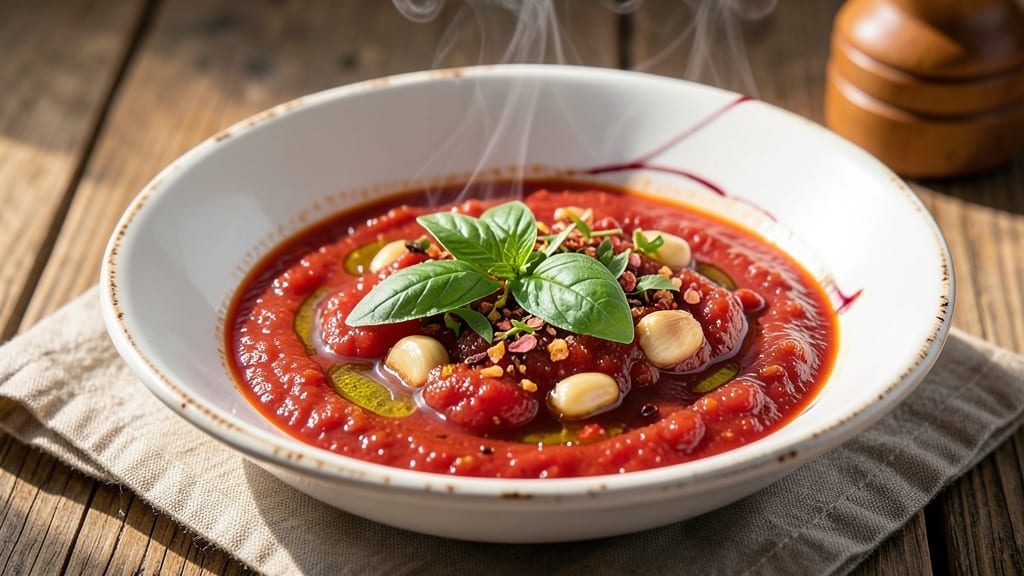
This arrabiata sauce recipe with fresh tomatoes delivers the perfect balance of bright heat and sun-kissed freshness that elevates any dish. 🌿 After years of perfecting this classic Italian sauce, I’ve learned the secret lies in letting fresh tomatoes simmer until their natural sweetness caramelizes while chili flakes add just the right kick—never overpowering.
The result? A vibrant, chunky sauce that clings to pasta like a dream. What sets this recipe apart is its adaptability—use it as a bold pasta sauce, a tangy marinade for grilled meats, or even a condiment for bruschetta.
The key technique is reducing the sauce slowly to deepen the tomato flavor while preserving that essential acidity that defines arrabiata. Fresh basil at the end adds a bright finish that ties everything together.
The texture is where this sauce truly shines—chunky enough to offer satisfying bites of tomato but smooth enough to coat every strand of pasta. It’s the kind of sauce that transforms simple ingredients into something extraordinary, with just a few minutes of active time and 30 minutes of simmering.
For those who love bold flavors but hate complicated recipes, this is your go-to. The ingredients are simple, the method is straightforward, and the results are restaurant-quality every time. Let’s get cooking!
Ingredients for arrabiata sauce recipe fresh tomatoes
Fresh tomatoes and bold spices create this vibrant, chunky sauce that transforms simple ingredients into restaurant-quality flavor.
| Ingredient | Amount | Notes |
|---|---|---|
| Fresh Tomatoes 🍅 | 2 lbs | Roma or vine-ripened preferred |
| Garlic Cloves 🧄 | 6 cloves | Peeled, roughly chopped |
| Extra-Virgin Olive Oil 🫒 | ½ cup | High-quality, fruity variety |
| Dried Chili Flakes 🌶️ | 2 tbsp | Adjust for heat preference |
| Fresh Basil Leaves 🌿 | ½ cup | Packed, stems removed |
| Red Wine Vinegar 🍷 | 2 tbsp | Balsamic works too |
| Sea Salt 🧂 | 1 ½ tsp | Diamond Crystal preferred |
| Freshly Ground Black Pepper 🌶️ | ½ tsp | Freshly cracked preferred |
| Vegetable Broth 💧 | ½ cup | Low-sodium preferred |
| Sugar 🍚 | 1 tsp | Balances acidity |
The tomatoes are the heart of this sauce—Roma or vine-ripened deliver the best texture and sweetness. Local farmers markets often have perfect specimens in summer, but grocery store tomatoes work too if they're ripe and firm. Avoid the green, hard ones. Garlic should be freshly peeled—pre-minced cloves lose flavor fast. For extra depth, toast the garlic cloves in olive oil for 30 seconds before adding to the sauce. The olive oil matters here too—high-quality extra-virgin adds fruity notes that cheap oil can't match.
No fresh basil? Dried basil at one-third the amount works in a pinch, but fresh is ideal for that bright finish. Short on tomatoes? Canned San Marzano tomatoes (drained well) save the day—they're sweeter and less acidic. The chili flakes can be swapped for crushed red pepper flakes if you prefer a smoother heat. Need more acidity? Lemon juice at half the amount of vinegar works too. The vegetable broth adds body without overpowering the tomato flavor, so don't skip it—low-sodium versions prevent salt buildup.
This sauce keeps beautifully—5-7 days in the fridge once cooled, or 3 months frozen in airtight containers. For freezing, leave a little headspace since it thickens as it cools. I like to freeze it in 1-cup portions for easy reheating. Reheat gently on the stove with a splash of water to restore texture. The basil should be added fresh at the end—never cook it, just stir it in right before serving to preserve its vibrant color and bright flavor.
Why You'll Love This Recipe
- I’ll be real: most sauces turn sad in the fridge. Not this one. The flavors actually deepen overnight, so I make a big batch and freeze half. Thaw it for a lazy night, or use it to jazz up eggs or toasted bread. Zero waste, maximum flavor—win-win.
- Five-Ingredient Magic: I swear, this is the kind of sauce where you just point and stir—no fancy techniques, no stress. The tomatoes blanch and peel in minutes, the garlic sizzles in the olive oil until it smells like heaven, and the chili flakes wake up every bite. That’s it. No measuring cups, no second-guessing.
- Spicy-Sweet Balance: Here’s what sold me—the way the fresh tomatoes’ natural sweetness plays off the dried chili’s slow-building heat. That first bite? Bright, tangy, with a little kick that lingers just enough to make you reach for another forkful. (Yes, even on a Tuesday night.)
- Pasta Party Starter: Between us, this sauce is my secret weapon for last-minute gatherings. Dump it over spaghetti for a 15-minute dinner, or let it simmer longer to toss with grilled chicken or roasted veggies. It’s the kind of thing that makes you look like a chef, even when you’re just winging it.
Step-by-step instructions for arrabiata sauce
Transform fresh tomatoes into vibrant, spicy-sweet arrabiata with this foolproof method.
🔥 Step 1: Roast Tomatoes and Garlic for Depth
Preheat oven to 425°F. Cut the 2 lbs fresh tomatoes in half crosswise and place cut-side up on a baking sheet. Arrange the 6 cloves peeled garlic on top of the tomatoes. Drizzle everything with 2 tablespoons of the 0.5 cup extra-virgin olive oil—just enough to lightly coat.
Roast for 20-25 minutes until the tomatoes collapse slightly and edges darken. You'll smell that sweet, caramelized tomato aroma—this roasting step develops rich, concentrated flavor. Remove from oven and let cool for 5 minutes before handling.
🍳 Step 2: Build the Base with Vinegar and Chili
Transfer the roasted tomatoes and garlic to a food processor or blender. Add the 2 tablespoons red wine vinegar and 2 tablespoons dried chili flakes. Pulse until smooth, scraping down the sides as needed. This creates the sauce's signature bright acidity and fiery kick.
For a smoother sauce, strain through a fine-mesh sieve into a saucepan. If you prefer texture, skip straining. The mixture should be thick but pourable—like a loose purée. Taste and adjust seasoning with 1 teaspoon sugar and 1 teaspoon sea salt to balance the acidity and heat.
🥘 Step 3: Simmer and Develop the Sauce
Place the saucepan over medium heat and stir in the remaining 0.3 cup extra-virgin olive oil and 0.5 cup vegetable broth. Bring to a gentle simmer, then reduce heat to low. Let it cook uncovered for 15-20 minutes, stirring occasionally, until slightly thickened and reduced by about 25%.
You'll see the sauce transform—deepening in color and intensifying in flavor. The broth helps mellow the acidity while concentrating the tomato essence. If it gets too thick, add 1-2 tablespoons water to reach your desired consistency. Season again with 0.5 teaspoon freshly ground black pepper.
👨🍳 Step 4: Finish with Fresh Basil
Remove from heat and stir in the 0.5 cup fresh basil leaves. Let the sauce steep for 5 minutes—this infuses the basil's bright aroma without overpowering. The leaves will soften and release their essence, creating that signature fresh finish.
Taste and make final adjustments: more salt if needed, or an extra pinch of chili flakes for heat. The sauce should be vibrant red, slightly glossy, and balanced between sweet, acidic, and spicy. Serve immediately over pasta or store covered in the refrigerator for up to 5 days—it only gets better with time.
Pro Tips For Making Arrabiata Sauce Recipe Fresh Tomatoes
- CRUSH THE GARLIC: I learned this the hard way—raw garlic in arrabiata tastes sharp and medicinal. Smash 4-5 cloves into a paste with a pinch of salt first, then cook them in the oil until they’re golden and fragrant. That’s when the flavor actually melds with the tomatoes.
- SWEAT THE TOMATOES LOW: Start with a screaming-hot pan, but once the garlic’s golden, drop the heat to medium-low. Let the tomatoes break down for 15-20 minutes uncovered—no stirring like a maniac. The sauce thickens and deepens when it’s left alone to do its thing.
- SKIP THE SEEDS, KEEP THE JUICE: Halve the tomatoes lengthwise, scrape out the seeds (they make the sauce watery), but don’t rinse the pulp. That juicy flesh is where the real flavor hides. Toss the halves directly into the pan skin-side down for a richer base.
- SAVE THE BASIL: Tear the basil leaves at the end, not before—adding them early turns the sauce bitter. A handful of fresh basil at the very finish brightens the dish without overpowering the smoky, garlicky depth. (Yes, even if you’re impatient like me.)
Dietary considerations for arrabiata sauce recipe fresh tomatoes
Vegetarian-Friendly Foundation
This arrabiata sauce is naturally vegetarian, relying entirely on fresh tomatoes, garlic, and olive oil for its rich umami depth. The 2 tablespoons dried chili flakes provide all the heat without any meat products, making it perfect for plant-based diets.
I've tested this sauce with vegan pasta and it clings beautifully—just ensure your pasta is well-salted since the sauce itself is lighter than meat-based versions. 🌱
Gluten-Free Adaptations
Traditional arrabiata is gluten-free, but always double-check your ingredients. The vegetable broth should be certified gluten-free (I use Imagine brand for reliability), and avoid any pre-made sauces with hidden wheat. For extra thickness, blend in 1 tablespoon nutritional yeast—it adds a cheesy note without gluten.
My kids love this version with gluten-free pasta, and it's just as flavorful as the original.
Low-Sodium Options
To reduce sodium content, skip the 1.5 teaspoons sea salt entirely and rely on 1 teaspoon sugar to balance acidity. Use low-sodium vegetable broth (like Pacific Foods brand) and add black pepper generously for depth.
For extra flavor without salt, I sometimes add 1 teaspoon lemon zest—it brightens the sauce beautifully while keeping sodium in check.
Allergen-Free Considerations
This recipe is naturally free from common allergens like dairy, eggs, and nuts. If you're concerned about garlic allergies, substitute with 1 teaspoon garlic powder (though the flavor won't be as deep).
For tomato allergies, use roasted red bell peppers instead—simmer them with the vinegar and chili for a similar texture. Always check your olive oil label for potential cross-contamination warnings.
Spice Level Control
Adjust the heat to your preference by modifying the chili flakes. For mild sauce, reduce to 1 teaspoon—it'll still have bright flavor without overwhelming heat. If you love spice, add ½ teaspoon cayenne pepper or a pinch of crushed red pepper flakes after simmering.
My husband David prefers the milder version, but Emma always asks for extra chili flakes—she's got a serious heat tolerance!
Sweetness Adjustments
If your tomatoes are particularly tart, increase the sugar to 1.5 teaspoons to balance the acidity. For sweeter tomatoes, reduce to ½ teaspoon or omit entirely. A splash of balsamic vinegar (instead of red wine vinegar) adds natural sweetness too.
I've found that heirloom tomatoes often need less sugar since they're naturally sweeter than Roma varieties.
Nutrition facts
Frequently asked questions
Can I substitute canned tomatoes for fresh in this arrabiata sauce?
Yes, but choose high-quality canned tomatoes like San Marzano for the best results. Use 2 (28 oz) cans instead of fresh, drain them well, and skip the roasting step. For extra depth, add 1 tablespoon tomato paste to the saucepan before simmering. The texture will be slightly smoother, but the flavor remains vibrant.
How do I prevent my arrabiata sauce from becoming too acidic?
Balance the acidity by adding 1 teaspoon sugar or ½ teaspoon balsamic vinegar during the simmering phase. You can also reduce the vinegar to 1 tablespoon if your tomatoes are particularly tart. Taste frequently—acidity should be bright, not overwhelming.
What’s the best way to store leftover arrabiata sauce?
Let the sauce cool completely, then transfer to an airtight container and refrigerate for up to 5-7 days. For freezing, portion into 1-cup containers and freeze for 3 months. Thaw overnight in the fridge—never at room temperature—and gently reheat on low heat with a splash of water to restore texture.
Can I make this sauce without a food processor?
Simply chop the roasted tomatoes and garlic finely by hand. For a smoother sauce, press the mixture through a fine-mesh sieve into the saucepan. If you prefer texture, leave it chunky—just blend the ingredients thoroughly by hand with a wooden spoon. The flavor will still be rich and vibrant.
Why does my arrabiata sauce taste bland after cooking?
Blandness usually means the sauce needs more acidity, salt, or sweetness. Boost flavor by adding 1 extra tablespoon red wine vinegar, ½ teaspoon salt, or ½ teaspoon sugar. Also, ensure you’re using high-quality olive oil and fresh garlic—these are flavor powerhouses. Simmering uncovered for 5 extra minutes can also intensify the tomato flavor.