
Sauces & Condiments
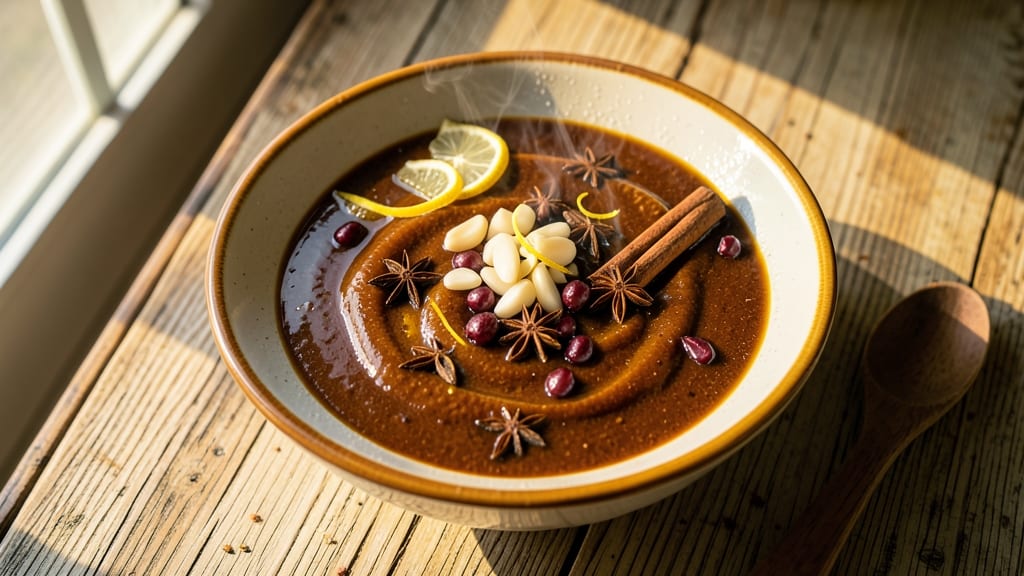
This authentic Chinese curry sauce transforms stir-fries, noodles, and dumplings with its deep umami richness and aromatic complexity. 🔥 The secret lies in slow-simmering star anise, cinnamon, and ginger to build layers of warmth, while soy sauce and chili deliver that signature balance of salty and spicy.
Unlike store-bought versions, this recipe captures the essence of wok-hei—smoky, charred depth—that elevates every dish it touches.
The process is straightforward but precise: toast whole spices in oil to unlock their flavors, then simmer with garlic, ginger, and fermented bean paste for a bold, authentic base. A splash of Shaoxing wine brightens the sauce, while a touch of sugar mellows the heat.
Blending creates a silky texture that clings perfectly to proteins and vegetables, ensuring every bite is infused with that unmistakable Chinese curry character.
What sets this sauce apart is its versatility—use it as a stir-fry glaze, noodle dressing, or even a marinade for meats. The flavors deepen when refrigerated, making it ideal for meal prep.
With just 15 minutes of active time and a 30-minute simmer, you’ll have a pantry staple that rivals restaurant-quality dishes.
Store it in an airtight container for up to 2 weeks, or freeze for longer shelf life. Whether you’re cooking for a crowd or prepping for the week, this sauce delivers restaurant-quality depth without the shortcuts. Let’s get started—your taste buds will thank you.
Ingredients for authentic chinese curry sauce
These aromatic spices and fermented flavors create a sauce bursting with restaurant-quality depth.
| Ingredient | Amount | Notes |
|---|---|---|
| Vegetable Oil 🫒 | ½ cup | For toasting whole spices |
| Star Anise Pods 🌿 | 2 whole | Whole, not ground |
| Cinnamon Sticks 🌿 | 2 whole | Ceylon preferred for delicate flavor |
| Cloves 🌿 | 6 whole | Whole, not ground |
| Fresh Ginger 🧄 | 2 tbsp | Grated, skin removed |
| Garlic Cloves 🧄 | 6 cloves | Peeled, roughly chopped |
| Fermented Black Bean Paste 🍆 | 1 tbsp | For deep umami flavor |
| Light Soy Sauce 🥄 | ½ cup | Kikkoman preferred |
| Dark Soy Sauce 🥄 | 1 tbsp | For color and depth |
| Shaoxing Wine 🍷 | ¼ cup | Dry Chinese cooking wine |
| Red Chili Flakes 🌶️ | 1 tsp | Adjust for heat preference |
| Granulated Sugar 🍬 | 1 tbsp | Balances heat and acidity |
| Water 💧 | 1 cup | For blending consistency |
The spices are the heart of this sauce—whole star anise, cinnamon sticks, and cloves toast beautifully in oil, releasing their essential oils for maximum flavor. Asian markets carry the best quality, especially for star anise and fermented black bean paste. Look for pods that smell fresh and are free of moisture. Ginger and garlic should be firm and aromatic—no soft spots. Shaoxing wine is non-negotiable for authenticity; Trader Joe's sells a solid version if you can't find it elsewhere. The soy sauces should be light and dark varieties—don't substitute with regular soy sauce, which lacks the depth.
No star anise? Anise seeds at double the amount work, but the flavor won't be identical. Running low on Shaoxing wine? Dry sherry or mirin can substitute in a pinch, though the sauce will be slightly less complex. Fresh ginger and garlic are ideal, but dried ginger at half the amount or garlic powder will do. For heat, Sichuan peppercorns add a numbing kick if you're feeling adventurous. The fermented black bean paste is crucial—no substitute for that funky, salty depth, but if you can't find it, miso paste at half the amount adds umami.
This sauce tastes even better the next day as flavors meld. Store it in an airtight glass jar in the fridge for up to 2 weeks, or freeze for 3 months in ice cube trays for single-use portions. The texture will thicken slightly when refrigerated—just stir in a splash of water when reheating. Double the batch if you're prepping for the week; it's perfect for marinades, stir-fries, and noodle dishes.
Why You'll Love This Recipe
- Spice in Minutes: I swear, the whole process takes less than 15 minutes—just heat the oil, toast those whole spices (star anise, cinnamon, cloves) until fragrant, then add the ginger and let it bloom. No chopping, no fuss, just layer upon layer of aroma filling your kitchen.
- Warmth in Every Spoon: Between us, the star anise and cinnamon give this sauce a depth you won’t find in store-bought versions—like a hug in liquid form. That fresh ginger? It cuts through the richness just enough to keep it bright and alive, not heavy.
- Your Pantry’s New MVP: This sauce plays nice with everything: toss it with rice and veggies for a weeknight dinner, drizzle it over noodles for a lazy Sunday, or even use it as a marinade for grilled chicken. Honestly, I’ve made it work for breakfast (yes, with eggs) and it never lets me down.
- Leftovers That Love You Back: Make a big batch—it keeps for weeks in the fridge and freezes like a dream. The flavors only get better as the spices meld, so you’re basically setting yourself up for effortless, crave-worthy meals. My freezer’s full of it right now, and I’m not even sorry.
Step-by-step instructions for authentic Chinese curry sauce
This sauce builds layer upon layer of authentic Chinese flavor—start with the spices and work toward a rich, umami-forward base.
🔥 Step 1: Toast the Whole Spices in Oil
Heat the 0.5 cup vegetable oil in a medium saucepan over medium-low heat. Add the 2 whole star anise pods, 2 whole cinnamon sticks, and 6 whole cloves. Let them toast for 3-4 minutes until the oil smells fragrant and the spices begin to release their aroma—you should see tiny bubbles forming around them.
Here's the thing—don't rush this step. The spices need time to bloom fully, releasing their essential oils into the oil. If you smell burning, reduce the heat immediately. Once the spices are fragrant but not browned, remove the pan from heat and let the spices steep in the oil for 5 minutes off the stove. This extra infusion deepens the flavor profile.
🍳 Step 2: Sauté Aromatics Until Fragrant
Return the pan to medium heat and add the 2 tbsp grated fresh ginger and 6 cloves roughly chopped garlic. Sauté for 2-3 minutes until the ginger turns golden and the garlic becomes translucent but doesn't brown—this prevents bitterness. Stir constantly to avoid burning.
Next, add the 1 tbsp fermented black bean paste and cook for another 1 minute until it darkens slightly and releases its deep, funky aroma. This paste is the secret weapon—it adds that authentic umami punch that separates home cooks from restaurant-quality dishes. If you don't have it, don't substitute with soy sauce alone; the texture and flavor won't be the same.
🥘 Step 3: Deglaze and Simmer the Base
Pour in the 0.25 cup Shaoxing wine and scrape up any browned bits from the bottom of the pan with a wooden spoon. This deglazing captures all the flavor you've built so far. Let the wine simmer for 2-3 minutes until it reduces by half and the alcohol smell dissipates—you'll notice the aroma becomes more complex and aromatic.
Add the 0.5 cup light soy sauce, 1 tbsp dark soy sauce, 1 tsp red chili flakes, and 1 tbsp granulated sugar. Stir well and bring to a gentle simmer. Let it cook uncovered for 5-7 minutes until the sauce thickens slightly and the flavors meld together. The dark soy sauce will give it that signature rich color, while the sugar balances the heat and acidity from the wine.
🍲 Step 4: Blend to Silky Perfection
Remove the pan from heat and let it cool for 5 minutes. Then, carefully transfer the sauce to a blender (discard the whole spices if you prefer a smoother texture). Add the 1 cup water and blend until completely smooth. For an even more refined sauce, strain it through a fine-mesh sieve to remove any remaining bits.
Taste and adjust seasoning—you might want to add a splash more light soy sauce for saltiness or a pinch of sugar to balance the acidity. This sauce is incredibly versatile; it works as a stir-fry sauce, a marinade, or even a dipping sauce. The key is getting that perfect balance of sweet, salty, umami, and just a hint of heat.
Pro Tips For Making Authentic Chinese Curry Sauce
- Bloom the Spices Slowly: I learned this the hard way—dumping whole star anise, cinnamon, and cloves into hot oil at once makes them burn before they release their flavor. Instead, toast them in oil over medium-low heat for 2-3 minutes until fragrant but not browned. This draws out their aroma without turning bitter.
- Slice Ginger Like Matchsticks: Thin, even slices of ginger (about 1/8-inch thick) cook faster and infuse the sauce more evenly than chunks. I used to throw in big hunks, and they’d sit there like rocks while the rest of the sauce cooked. Matchstick-sized pieces also crisp slightly at the edges, adding texture.
- Don’t Rush the Oil: The base of a good Chinese curry sauce relies on properly blooming the spices in oil. Skimping on oil (less than 2 tablespoons) or not heating it enough means the spices won’t release their oils properly. Use enough to coat the spices lightly, and let them sing for 3-4 minutes—yes, even if you’re impatient like me.
- Strain the Sauce Twice: After simmering, straining removes the spices, but I’ve found that a second pass through a fine-mesh sieve catches any lingering bits that can make the sauce gritty. Sounds tedious, but it makes a real difference—especially if you’re serving it over delicate noodles or rice. (Your future self will thank you.)
Dietary considerations for authentic chinese curry sauce
Gluten-Free Adaptation
For a gluten-free version, simply swap the light and dark soy sauces with tamari—a naturally gluten-free alternative that delivers the same umami depth. I recommend San-J Tamari, which has a rich, slightly sweeter profile.
Use the same measurements: 0.5 cup tamari for the light soy and 1 tbsp tamari for the dark soy. The sauce will still develop that signature glossy texture and complex flavor, just without the gluten. 🌱
Vegetarian-Friendly
This sauce is already vegetarian, but if you're using it as a marinade for tofu or tempeh, ensure your protein is organic or certified gluten-free to avoid cross-contamination. The fermented black bean paste adds a meaty umami quality that pairs perfectly with plant-based proteins.
For extra richness, stir in 1 tbsp miso paste when blending—the combination of fermented flavors creates a depth that rivals meat-based marinades.
Spice-Free Version
Skip the 1 tsp red chili flakes if you prefer a milder sauce. Instead, add ½ tsp ground white pepper for warmth without heat. You can also reduce the sugar slightly to ½ tbsp since there won't be as much acidity to balance.
The sauce will still retain its aromatic complexity, just with a smoother, more approachable flavor profile. This works beautifully with delicate proteins like shrimp or chicken.
Low-Sodium Option
To cut sodium, reduce the soy sauces to 0.3 cup light tamari and 1 tsp dark tamari, then add 1 tsp coconut aminos for extra umami without the salt overload. Boost the ginger to 3 tbsp and garlic to 8 cloves to enhance natural flavors.
The sauce will still be bold but with a more balanced, lighter taste—perfect for health-conscious cooks who don’t want to sacrifice flavor. 💡
Nut-Free Considerations
This recipe is naturally nut-free, but always double-check labels on soy sauces and fermented black bean paste for potential cross-contamination warnings. If you're concerned, opt for certified nut-free brands like Primal Kitchen for tamari.
The sauce’s richness comes from fermented ingredients and spices, so no nuts are needed to achieve depth. Just ensure all components align with your dietary needs.
Nutrition facts
Frequently asked questions
Can I make this sauce without Shaoxing wine?
Yes! Use dry sherry or mirin as substitutes—both add sweetness and depth, though Shaoxing wine's unique profile is irreplaceable. For a non-alcoholic version, swap with apple cider vinegar + 1 tsp sugar to mimic the acidity and brightness.
How do I adjust the heat level?
Reduce chili flakes to ½ tsp for mild heat, or increase to 1.5 tsp for spicy. For extra kick, add ½ tsp Sichuan peppercorns (toasted first) or a pinch of cayenne. Always taste before blending—you can't remove heat later!
What's the best way to store leftovers?
Transfer to an airtight glass jar and refrigerate for up to 2 weeks. For longer storage, freeze in ice cube trays (thaw as needed) or silicone molds. The sauce thickens when cold—stir with 1 tsp water before using.
Can I use this sauce for non-Chinese dishes?
It works beautifully on thai curries, indian lentil stews, or even as a BBQ glaze for pulled pork. The umami base bridges cultural gaps—just adjust spices to match the dish's profile.
Why does my sauce taste bitter?
Bitterness usually comes from overcooked garlic or burnt spices. Next time, sauté aromatics over medium-low heat until just fragrant (not browned), and remove the pan from heat when spices are golden. A pinch of sugar or ½ tsp baking soda (dissolved in water) can also neutralize bitterness.