
Sauces & Condiments
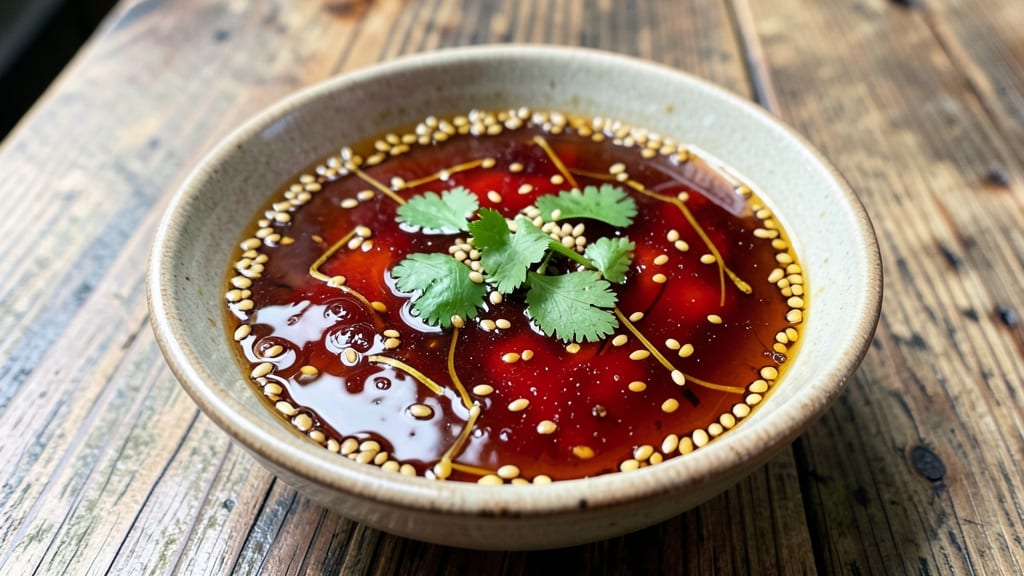
This bao bun dipping sauce recipe transforms simple ingredients into a bold, balanced sauce that cuts through steamed buns with every bite.
The secret lies in the perfect harmony of smoky chili oil, tangy vinegar, and sweet soy—each component playing its part to create a sauce that's both addictive and versatile.
I developed this after years of perfecting the ratio between heat, sweetness, and umami, ensuring every spoonful delivers restaurant-quality flavor without the fuss.
The foundation starts with a simple blend of soy sauce, rice vinegar, and a touch of sugar to balance the acidity, but it's the chili oil that elevates it to something extraordinary.
High-quality chili oil adds depth and a subtle smokiness that pairs perfectly with the sesame seeds sprinkled on top for texture and aroma.
What makes this sauce truly special is how it enhances bao buns—whether you're serving them plain, with pork belly, or stuffed with your favorite fillings, this sauce will take them to the next level.
What you'll end up with is a smooth, velvety sauce that's rich enough to coat every bite of your bao bun while still being light enough to let the flavors shine through.
The smoky chili oil adds a layer of complexity, while the sesame seeds provide a nutty crunch that contrasts beautifully with the soft texture of the buns. This isn't just a dipping sauce—it's the star of the show, turning a simple snack into an unforgettable experience.
Ready in just 10 minutes with ingredients you likely already have on hand, this sauce is perfect for meal prep or last-minute gatherings.
Double the batch and store it in the fridge for up to a week, so you're always prepared to elevate your bao buns with a drizzle of this professional-quality sauce. Let's get started!
Ingredients for bao bun dipping sauce
Nine ingredients. Ten minutes. Restaurant-quality bao bun sauce without the fuss.
| Ingredient | Amount | Notes |
|---|---|---|
| High-Quality Chili Oil 🌶️ | ½ cup | Smoky, preferably homemade or premium store-bought |
| Light Soy Sauce 🥄 | ¼ cup | Use Kikkoman or similar for authentic flavor |
| Rice Vinegar 🍶 | ¼ cup | Seasoned for subtle sweetness |
| Granulated Sugar 🍚 | 1 tbsp | Balances acidity, adjust to taste |
| Toasted Sesame Oil 🫒 | 1 tbsp | For nutty aroma, don't skip |
| Toasted Sesame Seeds 🌰 | 1 tbsp | Freshly toasted for maximum crunch |
| Garlic Cloves 🧄 | 2 cloves | Minced for aromatic depth |
| Fresh Ginger 🌿 | ½ tsp | Finely grated for subtle zing |
| Red Chili Flakes 🔥 | ½ tsp | Adjust for heat preference |
| Water 💧 | ¼ cup | For thinning if needed |
The chili oil is non-negotiable here—homemade or premium brands like La Choy make all the difference. I grab mine from Asian grocery stores where they keep it fresh, but the regular supermarket stuff works in a pinch. For the sesame oil, Kadoya or Lee Kum Kee are my go-tos—they toast the seeds properly for that nutty aroma. The garlic and ginger should be fresh, not powdered. If you're using jarred minced garlic, rinse it first to remove excess liquid. And trust me, toast your sesame seeds in a dry pan for 30 seconds—it makes a huge difference in flavor.
No chili oil? Mix 1 tbsp gochujang with 1 tbsp neutral oil for a quick substitute. Running low on rice vinegar? Apple cider vinegar at the same amount works, though it'll be slightly sweeter. The sugar can be swapped for honey or maple syrup if you prefer, but I like the clean finish of granulated. Want more heat? Double the chili flakes or add a dash of sriracha. For a smoother texture, blend everything except the sesame seeds first, then stir them in at the end. The sauce thickens as it cools, so add water gradually if it's too stiff.
This sauce keeps beautifully—1 week in the fridge sealed in a jar. The flavors actually improve over time, so make extra. For meal prep, I portion it into small containers so it's ready to grab for bao bun nights. If it separates, just give it a quick stir before using. The sesame seeds stay crisp for about 3 days in the fridge, so add them fresh when serving. Freezing isn't recommended since the texture changes, but you can freeze it without the seeds and add them back when ready to use.
Why You'll Love This Recipe
- Five-Ingredient Magic: That’s all it takes—just chili oil, soy, vinegar, sugar, and sesame oil. No mincing, no peeling, no waiting for herbs to wilt. Honestly, I’ve made this sauce blindfolded (okay, maybe not), and it still comes out perfect.
- Umami Bomb: The chili oil and soy sauce team up for a punch that’s dangerously addictive. That first tangy, slightly sweet bite? It’s the kind of flavor that makes you reach for more bao buns without thinking.
- Party in a Jar: This sauce is my secret weapon for game days, potlucks, or lazy Sundays. It keeps for days in the fridge, so I can make a big batch and not stress about leftovers. (Between us, it’s also weirdly good on fries.)
- Budget Flex: A little goes a long way—this recipe costs pennies and stretches forever. I’ve used it to dress up cheap takeout bao buns, turn simple rice paper rolls into a feast, and even drizzle it over eggs for breakfast. No waste, all flavor.
Step-by-step instructions for bao bun dipping sauce
This smoky, zesty sauce comes together in minutes with bold flavors that balance heat and tang.
Toast the Sesame Seeds for Maximum Crunch
Heat a small dry skillet over medium-low heat. Add the 1 tablespoon of toasted sesame seeds and toast for 1-2 minutes, stirring constantly, until they turn a deeper golden brown and release their nutty aroma. You'll know they're ready when they stop popping and smell intensely toasty.
Transfer the seeds to a small bowl and set aside to cool slightly. This step is crucial—freshly toasted seeds add that signature crunch and aroma that store-bought versions can't match. If you don't have time to toast them yourself, use freshly toasted seeds from the store, but they won't be as flavorful.
Bloom the Aromatics in Chili Oil
In a small saucepan, combine the 0.5 cup high-quality chili oil, 2 minced garlic cloves, and 0.5 teaspoon grated fresh ginger. Warm over low heat for 2-3 minutes until the garlic becomes fragrant but doesn't brown. You want the oil to shimmer gently, not bubble vigorously.
This gentle heating awakens the garlic and ginger flavors without burning them, which would make the sauce bitter. Remove from heat immediately after you smell that deep, aromatic punch. The chili oil should still look vibrant red, not cloudy or separated.
Combine Wet Ingredients for Tangy Balance
In a measuring cup or small bowl, whisk together the 0.25 cup light soy sauce, 0.25 cup rice vinegar, and 1 tablespoon granulated sugar. Let this mixture sit for 1 minute to allow the sugar to dissolve completely. You'll notice the vinegar's sharpness mellow slightly as it integrates with the other ingredients.
The sugar here does more than just sweeten—it helps balance the acidity of the vinegar and the heat from the chili oil. If you prefer a sweeter sauce, you can add an extra ½ teaspoon of sugar, but start with the recipe as written to maintain the perfect balance.
Blend All Components for Silky Texture
Return the warmed chili oil mixture to the saucepan and add the soy-vinegar mixture. Stir over low heat for 2 minutes until everything is well combined and the sugar has fully dissolved. Then add the 1 tablespoon toasted sesame oil and 0.5 teaspoon red chili flakes, stirring constantly.
This is where the sauce comes together. The sesame oil adds depth, while the chili flakes provide that essential heat. Taste the mixture now—it should be tangy, slightly sweet, with a smoky background and a hint of spice. If it's too thick, add 1-2 tablespoons of water to reach your desired consistency.
Finish with Toasted Seeds and Adjust to Taste
Remove the sauce from heat and stir in the toasted sesame seeds. Let the sauce sit for 5 minutes to allow all the flavors to meld together. The seeds will sink slightly but will distribute evenly throughout the sauce when you give it a final stir.
Taste and adjust the seasoning if needed. For more heat, add a pinch more chili flakes. For more depth, add a splash of soy sauce. The sauce should be vibrant red with flecks of sesame seeds throughout and a glossy sheen from the oils. Serve immediately or store in an airtight container in the refrigerator for up to 1 week.
Pro Tips For Making Bao Bun Dipping Sauce
- Warm the oils first: Heat your chili oil and toasted sesame oil together for 20 seconds before adding anything else—this releases their aromas and prevents the sauce from tasting flat. I used to skip this, and the sauce never felt as vibrant as when I did.
- Use aged soy sauce: Light soy sauce works, but aged soy sauce (like Japanese koikuchi) adds depth without overpowering. If you’re in a pinch, add a pinch of dark soy sauce for color—just don’t let it dominate.
- Balance sugar last: Start with half the sugar, taste, then adjust. Sugar can make the sauce cloying if you overdo it, and you can’t fix it by adding more vinegar later. I learned this after making a batch that tasted like dessert.
- Whisk while hot: Combine everything over low heat and keep whisking for 30 seconds after it comes together—this emulsifies the oils and soy sauce so the sauce stays glossy, not separated. Lazy whisking = sad sauce.
Troubleshooting this dish
Thin or Watery Sauce
The most common issue is ending up with a sauce that's too thin. This usually happens when you skip the low-heat reduction step or add too much water.
Always reduce the wet ingredients (soy sauce, vinegar, and sugar) over low heat for 2 minutes before combining with the chili oil. If it's still too thin, let it sit uncovered in the fridge for 30 minutes—the oils will thicken naturally.
For immediate fixes, whisk in 1 teaspoon cornstarch mixed with 1 tsp water until smooth. 💡
Overpowering Heat
If your sauce tastes like it's on fire, you likely overdid the chili oil or flakes. Start fresh by reducing the chili oil to 0.25 cup and the red chili flakes to 0.25 tsp.
For existing batches, temper the heat by adding 1 tsp toasted sesame oil and 1 tsp honey to balance the burn. If you're sensitive to spice, use mild chili oil or swap in gochujang for a deeper, less fiery flavor. 🌶️
Grainy or Separated Texture
This happens when the sesame seeds aren't toasted properly or the oil separates from the liquid. Always toast your seeds until they're deep golden brown—this prevents grittiness. For separation, gently reheat the sauce over low heat for 1 minute while stirring constantly.
If the oil still pools, add 1 tsp rice vinegar to help emulsify. For a smoother texture, blend the sauce (except seeds) for 10 seconds before stirring in the seeds. ✨
Not Tangy Enough
A bland sauce often means the vinegar wasn't strong enough or the sugar overpowered it. Boost the tang by adding 1 extra teaspoon of rice vinegar or swapping in 1 tsp lime juice for brightness.
If the sauce tastes flat, try adding ½ tsp fish sauce (for umami depth) or a pinch of white pepper to wake up the flavors. Let it rest for 10 minutes before tasting—the acidity will develop more over time. 💛
Seeds Sink to Bottom
This is totally normal, but if you want even distribution, stir the sauce vigorously for 30 seconds right before serving. For a more professional look, blend the sauce (without seeds) until silky, then gently fold in the seeds at the end.
If the seeds lose their crunch after sitting, toast fresh ones and sprinkle on top just before serving. Pro tip: Use black sesame seeds for a more elegant presentation—they stay crunchy longer. 🌰
Nutrition facts
Frequently asked questions
Can I make this bao bun dipping sauce without chili oil?
For a milder version, replace the 0.5 cup chili oil with 0.25 cup toasted sesame oil plus 1 tbsp gochujang (Korean chili paste) for depth. If you want zero heat, use 0.5 cup extra sesame oil and add ½ tsp smoked paprika for smokiness instead. The sauce will still be rich and aromatic—just without the spice kick.
How long can I store this sauce, and does it get better over time?
This sauce stays fresh for up to 1 week in the fridge sealed in an airtight container. The flavors actually improve as the ingredients meld together—it develops a deeper complexity, especially the smoky notes from the chili oil. For best results, let it sit at room temperature for 10 minutes before serving to restore its silky texture.
What's the best way to serve this sauce with bao buns?
Drizzle 1-2 teaspoons of sauce over each bao bun right before eating for maximum freshness. For extra flair, serve it in a small dipping bowl with a spoon for dipping. This sauce pairs perfectly with pork belly bao, shrimp bao, or even vegetarian fillings. Pro tip: Garnish with extra toasted sesame seeds and a sprinkle of green onions for a restaurant-worthy presentation.
Can I adjust the sweetness or heat level?
Yes! For more sweetness, add ½ tsp extra sugar or honey. For less heat, reduce the red chili flakes to 0.25 tsp or use mild chili oil. If you want extra heat, add ½ tsp sriracha or a pinch of cayenne pepper. Always taste as you go—the sauce is designed to be balanced, but personal preference matters most!
Is this sauce suitable for meal prep?
Perfect for meal prep! Double the recipe and store in small jars for easy grab-and-go use. The sauce keeps well for 1 week refrigerated and works great with any bao bun prep. Just give it a quick stir before serving. For even better results, toast fresh sesame seeds and sprinkle them on top right before eating to maintain that perfect crunch.