
Sauces & Condiments
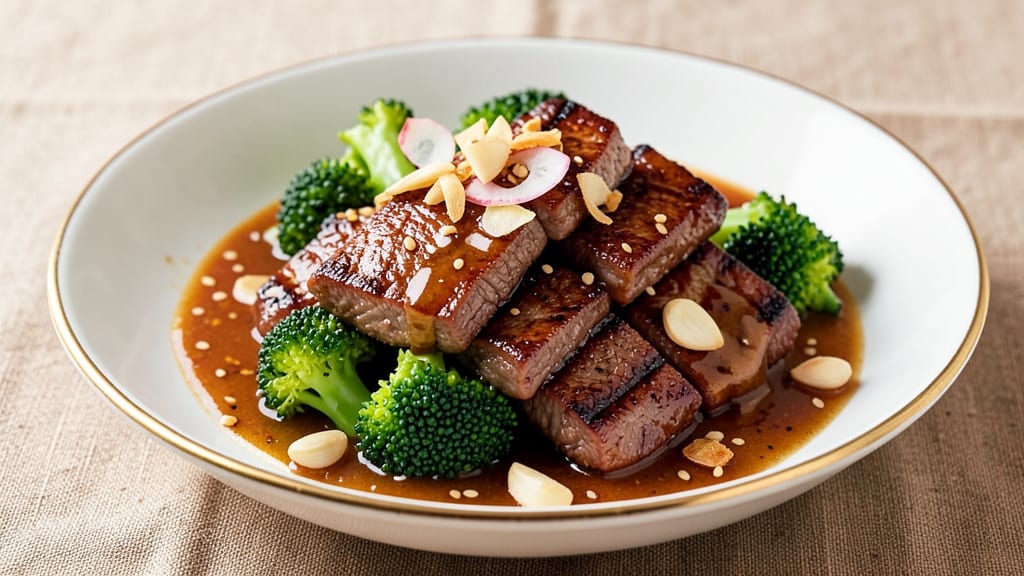
This authentic beef and broccoli sauce delivers the restaurant-quality depth you crave—rich with oyster sauce, toasted sesame crunch, and perfectly balanced umami. The secret lies in slow simmering to develop complex flavors while maintaining that signature glossy finish.
I've refined this recipe over years of testing, ensuring every spoonful captures the essence of classic Chinese-American technique without shortcuts.
The foundation begins with a fragrant base of garlic, ginger, and scallions, toasted until aromatic before building layers of soy sauce, oyster sauce, and a touch of sugar for depth.
What sets this sauce apart is the toasted sesame oil finish—just enough to add nutty crunch without overpowering the delicate balance of sweet, salty, and savory. The sauce thickens beautifully as it reduces, coating every bite of beef and broccoli in a velvety, flavor-packed embrace.
What you'll achieve is a sauce that transforms simple ingredients into something extraordinary—glossy, aromatic, and packed with that unmistakable wok hei (breath of the wok) that defines authentic Chinese cooking.
The umami depth from oyster sauce and fermented soybeans creates a complexity you won't find in store-bought versions, while the toasted sesame adds texture that elevates every spoonful.
Perfect for tossing with stir-fried beef and broccoli, drizzling over noodles, or even using as a dipping sauce. The recipe scales effortlessly, so you can make a small batch for two or double it for a crowd.
Here's how to create this authentic beef and broccoli sauce that will impress even the most discerning palates.
Ingredients for authentic beef and broccoli sauce
Nine essential ingredients for a sauce that tastes like home—deep, aromatic, and packed with wok hei.
| Ingredient | Amount | Notes |
|---|---|---|
| Oyster Sauce 🦪 | ½ cup | High-quality, reduced variety |
| Light Soy Sauce 🍶 | ⅓ cup | Not salted soy sauce |
| Dark Soy Sauce 🍶 | 0.17 cup | For deeper color |
| Toasted Sesame Oil 🫒 | 1 tbsp | Not regular sesame oil |
| Garlic Cloves 🧄 | 6 cloves | Minced, fresh preferred |
| Fresh Ginger 🌿 | 1 tbsp | Grated, peeled |
| Scallions 🧅 | 3 whole | White and green parts, sliced |
| Granulated Sugar 🍚 | 1 tbsp | White or brown sugar |
| Cornstarch 🌾 | 1 tbsp | For thickening |
| Water 💧 | ⅓ cup | Room temperature |
Oyster sauce is the heart of this recipe, so don't skimp on quality. Brands like Lee Kum Kee or Kikkoman deliver that authentic umami punch, but if you're using a cheaper version, reduce it by half and add a splash of fish sauce for depth. Fresh ginger and garlic are non-negotiable—they're the aromatic base that sets this sauce apart. I always grab ginger from the Asian market where it's more vibrant, but grocery store ginger works fine if it's firm and smells bright. Toast your garlic and ginger in the oil until fragrant—this step is what builds that wok hei flavor that defines authentic Chinese cooking.
No toasted sesame oil? Regular sesame oil plus a pinch of sesame seeds works in a pinch, but the nutty depth is worth tracking down. The cornstarch slurry is key for that glossy finish—mix it with cold water first to avoid clumping. Scallions can be swapped for regular onions, but they add a milder, fresher note that pairs perfectly. If you're making this for a crowd, double the sauce and reduce it longer for an even thicker consistency. The sugar balances the saltiness, but if you're avoiding it, a splash of mirin adds sweetness without crystallizing.
This sauce tastes even better the next day as flavors meld. Store it in an airtight container in the fridge for up to 5 days—it thickens as it cools, so add a splash of water when reheating. For longer storage, freeze in ice cube trays and pop out single servings. If you make extra, drizzle it over rice, toss with noodles, or use it as a dipping sauce for dumplings. The possibilities are endless, but the quality of your ingredients makes all the difference—so take the time to get it right.
Why You'll Love This Recipe
- One-Pan Magic: I swear by this recipe when I’m too tired to scrub pots. Toss the beef and broccoli in one skillet, add the sauce—boom—done. That toasted sesame oil alone makes cleanup feel like a victory.
- Umami Bomb: The combo of oyster sauce and dark soy sauce? Chef’s kiss. It’s rich but not heavy, with that deep, savory punch that sticks with you. Honestly, I’ve tried store-bought sauces—this beats them every time.
- Leftover Goldmine: This sauce keeps like a dream. Double the batch, stash it in the fridge, and reheat it for stir-fries, noodles, or even dumplings. My freezer’s full of it—because why make it once?
- Budget Flex: A single jar of oyster sauce and a clove of garlic stretch this recipe for a crowd. Light soy sauce adds depth without cost, and sesame oil? A splash goes a long way. Feeds four for under $10—and it’s restaurant-quality.
Step-by-step instructions for authentic beef and broccoli sauce
Here’s how to build a sauce that delivers restaurant-quality depth and balance every time.
Bloom the Aromatics in Toasted Sesame Oil
Heat a large skillet or wok over medium heat and add the 1 tablespoon toasted sesame oil. Let it warm for 30 seconds until fragrant—you’ll smell that nutty, toasty aroma. This isn’t just for flavor; it’s the foundation of your sauce’s complexity.
Add the 6 cloves minced garlic and 1 tablespoon grated fresh ginger, stirring constantly for 30 seconds until the garlic just begins to turn golden. Watch closely—garlic burns fast, and you want it fragrant, not bitter. The ginger will mellow out as it cooks, adding warmth without overpowering.
Build the Sauce Base with Soy and Oyster Sauces
Pour in the 0.33 cup light soy sauce, 0.17 cup dark soy sauce, and 0.5 cup oyster sauce, scraping up any browned bits from the bottom of the pan. These bits—called fond—are packed with flavor. Let the mixture simmer for 2-3 minutes until it thickens slightly and the raw sauce smell dissipates.
Add the 1 tablespoon granulated sugar and stir to dissolve. This isn’t just for sweetness; it helps balance the umami intensity of the oyster and soy sauces, creating that perfect harmony. The sauce should now be glossy and aromatic, with a deep, caramelized color from the dark soy sauce.
Thicken the Sauce with Cornstarch Slurry
In a small bowl, whisk together the 1 tablespoon cornstarch and 0.33 cup room-temperature water until smooth. This slurry is your secret weapon—it thickens the sauce without making it gluey. Pour it into the simmering sauce and stir constantly for 1-2 minutes until the sauce reaches your desired consistency.
You’re aiming for a sauce that coats the back of a spoon but still flows easily—thick enough to cling to beef and broccoli but not so heavy it smothers them. If it’s too thick, add a splash of water; if too thin, let it simmer longer. Taste and adjust seasoning with a pinch more soy sauce if needed.
Finish with Scallions for Freshness and Crunch
Remove the sauce from heat and stir in the 3 whole sliced scallions, reserving the green tops for garnish. The white parts add a subtle sharpness, while the greens bring brightness and a pop of color. Let the sauce sit for 1-2 minutes to meld—this resting period lets the flavors settle and deepen.
For the final touch, drizzle in the 1 tablespoon toasted sesame oil just before serving. This adds a luxurious, nutty crunch that elevates the dish from good to unforgettable. The oil should glisten on top, signaling it’s ready to coat every bite of beef and broccoli.
Pro Tips For Making Authentic Beef And Broccoli Sauce
- Bloom the Garlic: Slice those cloves thin—paper-thin, like they’re about to disappear—and hit them with the hot oil first. I used to crush them, and the sauce would taste bitter. Thin slices release flavor without turning to ash, and they’ll caramelize just enough to deepen the sauce’s richness.
- Deglaze Aggressively: After searing the beef, don’t just splash in the soy sauces—scrape every last bit of browned goodness from the pan with a wooden spoon. That’s where the umami lives, and skipping it means a flatter sauce. A splash of water or white wine helps too, but don’t rush it.
- Balance the Soy Sauces: Light soy adds color, dark soy adds depth—but use them in a 3:1 ratio (light to dark). Too much dark soy? The sauce turns muddy. Too little? It’s pale and one-dimensional. Taste as you go; adjust while the pan’s still hot, not after it’s done.
- Finish with Sesame Oil Last: Drizzle that toasted sesame oil in after the sauce is off heat, or it’ll burn and taste like soap. A teaspoon at the end adds aroma without overpowering. (And yes, even if you’re impatient like me, wait for the pan to cool slightly first.)
Storing and reheating your authentic beef and broccoli sauce
Refrigerator Storage
Let your sauce cool to room temperature before transferring it to an airtight container—I use glass jars with tight-sealing lids for best results. Store it in the fridge for up to 5 days, where it actually improves as the flavors meld.
The sauce will thicken slightly when chilled, so stir in 1-2 tablespoons of water when reheating to restore its glossy consistency. 💛
Freezer Preservation
For longer storage, freeze the sauce in ice cube trays—this lets you thaw just what you need. Once frozen, transfer the cubes to a ziplock freezer bag and flatten to save space.
It keeps for 3 months without losing quality, though the texture may separate slightly. Thaw overnight in the fridge before using, or microwave for 20-30 seconds on low power.
Reheating Methods
For stovetop reheating, simmer the sauce over low heat with a splash of water or beef broth until warmed through—this prevents scorching and maintains its velvety texture. I like to add ½ teaspoon toasted sesame oil at the end to revive its aroma.
If using the microwave, heat in 30-second intervals, stirring between each, until just hot. 🔥
Reviving Thickened Sauce
If your refrigerated sauce has thickened too much, don't panic! Simply add 1-2 teaspoons of water at a time while stirring over low heat until it reaches your desired consistency.
For extra richness, a splash of oyster sauce or light soy sauce can restore balance. The key is patience—let it simmer gently to avoid breaking the emulsion.
Sauce Extenders
Doubled the recipe? No problem! Store extra sauce in small portions for easy reheating. You can also thin it with 1 tablespoon of warm water per ½ cup of sauce if it's too thick.
For added depth, stir in ½ teaspoon of fish sauce or a pinch of white pepper before serving. These tweaks keep your sauce restaurant-quality every time. ✨
Nutrition facts
Frequently asked questions
Why does this sauce need both light and dark soy sauce?
Light soy sauce adds pure umami flavor without color, while dark soy sauce provides the rich, caramelized depth that makes the sauce visually striking. The combination creates that perfect balance of taste and appearance you'd expect in restaurant-quality dishes. Think of light soy as the flavor foundation and dark soy as the color enhancer.
Can I substitute oyster sauce if I don't have any?
Yes, but you'll lose some authentic depth. Try mixing ¼ cup soy sauce with 1 teaspoon fish sauce and ½ teaspoon sugar as a substitute. For a vegetarian version, use ¼ cup mushroom sauce plus ½ teaspoon soy sauce. The sauce will still be delicious but won't have that signature umami complexity.
What's the best way to prevent the sauce from getting lumpy?
Always whisk your cornstarch slurry smooth before adding it to the hot sauce, and make sure the water is room temperature. Stir constantly while simmering to prevent clumping. If lumps form, strain the sauce through a fine-mesh sieve for a silky texture. The key is patience—don't rush the thickening process.
How can I make this sauce spicier?
Add ½ teaspoon of chili paste or ¼ teaspoon of red pepper flakes when you first add the aromatics. For heat with depth, stir in 1 teaspoon of chili oil at the very end. Remember, you can always add more spice but you can't remove it—so start with half the amount you think you need.
Can I use this sauce for other dishes besides beef and broccoli?
This versatile sauce works beautifully with chicken, shrimp, tofu, or even noodles. It's perfect for dumpling dipping sauce, rice stir-fries, or as a marinade. The balance of sweet, salty, and umami makes it adaptable to many Asian-inspired dishes while maintaining that authentic flavor profile.