
Sauces & Condiments
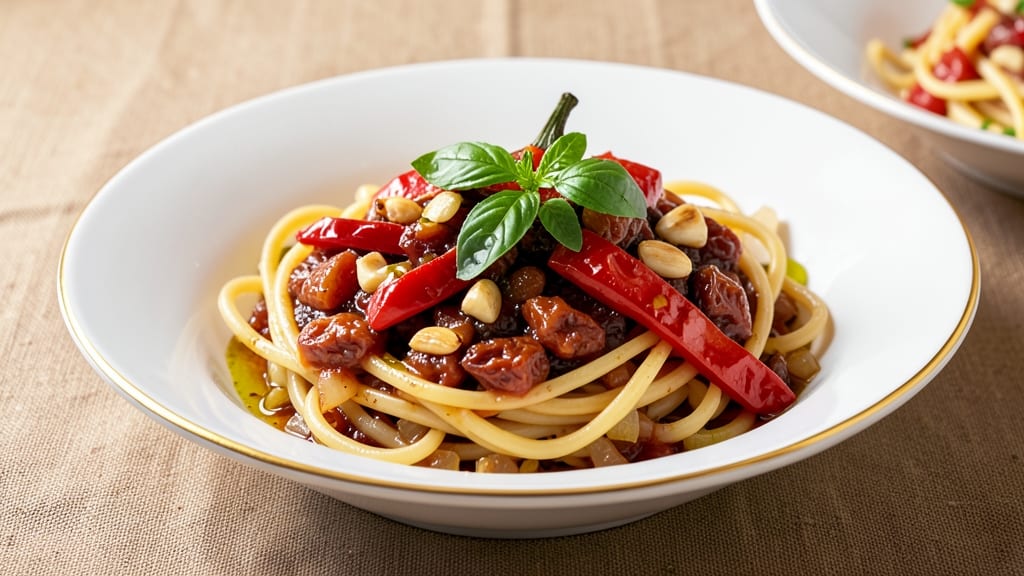
This Aurora pasta sauce recipe transforms simple ingredients into a velvety, smoky tomato masterpiece with bursts of fresh basil that elevate any meal.
The name "Aurora" comes from the way it brightens dishes with its vibrant color and layered flavors—roasted red peppers add depth, while sun-dried tomatoes bring a concentrated sweetness that balances the acidity of crushed tomatoes.
What sets this sauce apart is the slow-simmered technique, which develops rich, caramelized notes without losing freshness.
The secret lies in blending high-quality canned tomatoes with aromatic herbs and a touch of smoked paprika, creating a sauce that's both restaurant-quality and easy to replicate at home.
Unlike store-bought versions, this recipe avoids artificial additives, relying instead on natural umami from garlic, onions, and a splash of red wine for complexity. The fresh basil isn’t just for garnish—it’s folded in at the end to preserve its bright, peppery brightness.
What you’ll end up with is a sauce that clings beautifully to pasta, meatballs, or grilled chicken, delivering deep, smoky flavors with every bite. The texture is silky yet substantial, thanks to a reduction that thickens naturally without the need for heavy cream.
This isn’t just a pasta sauce—it’s a versatile condiment that works as a marinade, pizza topping, or even a dipping sauce for crusty bread.
Best of all, this sauce keeps well in the fridge for up to five days, so you can make a big batch and enjoy it all week.
The instructions are straightforward, but the result is anything but ordinary—a sauce that feels like a labor of love, without the fuss. Let’s get cooking!
Ingredients for aurora pasta sauce
Eleven ingredients crafting restaurant-quality sauce with smoky depth and fresh basil brightness.
| Ingredient | Amount | Notes |
|---|---|---|
| Extra-Virgin Olive Oil 🫒 | ½ cup | High-quality, fruity variety preferred |
| Yellow Onion 🧅 | 1 whole | Finely diced, about 1.5 cups |
| Garlic Cloves 🧄 | 4 cloves | Minced, fresh preferred |
| Crushed Tomatoes 🍅 | 28 oz | San Marzano preferred, no salt added |
| Roasted Red Peppers 🌶️ | 1 jar | Chopped, about 0.5 cup |
| Sun-Dried Tomatoes 🍅 | ¼ cup | Oil-packed, chopped |
| Smoked Paprika 🌶️ | 1 tbsp | High-quality, not cayenne |
| Dry Red Wine 🍷 | ½ cup | Bold, like Cabernet Sauvignon |
| Fresh Basil Leaves 🌿 | ½ cup | Packed, stems removed |
| Salt 🧂 | 1 ½ tsp | Diamond Crystal preferred |
| Black Pepper 🌶️ | ½ tsp | Freshly ground, coarse |
The tomatoes are the foundation—San Marzano delivers the sweetest, most concentrated flavor, but any high-quality canned tomato works. For the roasted red peppers, Muir Glen or Whole Foods brands are reliable, but check the ingredients list for additives. Sun-dried tomatoes should be oil-packed, not dried—Trader Joe's has excellent options at a reasonable price. The red wine adds complexity; Cabernet Sauvignon or Merlot work best, but any dry red will do. Fresh basil is critical here—farmers market basil has more vibrant flavor than grocery store varieties, but use what you can find. Smoked paprika should be labeled as such, not cayenne or chili powder, for that authentic smoky note.
No red wine? Beef broth with a splash of balsamic vinegar mimics the depth. Fresh basil wilted? Dried basil at one-third the amount works in a pinch, though fresh is ideal. Substituting sun-dried tomatoes? Dried tomatoes in oil are the next best choice. For the roasted red peppers, if you can't find a jar, roast your own bell peppers—the flavor is worth the effort. The olive oil should be extra-virgin; California or Italian varieties provide the best fruity notes. If you're using a salt blend, Diamond Crystal is preferred for its clean flavor, but any kosher salt works.
This sauce develops flavor over time—reheat gently on the stove for best results. It keeps well in the fridge for 5-7 days, with flavor intensifying as it sits. For longer storage, freeze in ice cube trays for easy portioning. The sauce thickens as it cools, so add a splash of water or broth if needed when reheating. Portion into airtight containers for easy use throughout the week. The basil should be added fresh at the end to preserve its vibrant flavor.
Why You'll Love This Recipe
- No Chopping Chaos: I swear by this sauce because you only need to dice one onion—no fancy prep, no peeling endless garlic cloves. The roasted red peppers add sweetness without extra work, and the crushed tomatoes blend in like magic.
- Sunset in a Bowl: That first bite of sweet roasted peppers meeting tangy tomatoes? It’s like summer in a jar. The olive oil shines through, rich but not heavy, and the garlic—just a few cloves—leaves you wanting more without overpowering.
- Leftover Hero: Make a big batch on Sunday, and you’ve got dinner covered all week. It tastes even better the next day, especially tossed with leftover pasta or stirred into a frittata. Honestly, I’ve had it cold in sandwiches, and no one complained.
- Pantry Staple Power: Five ingredients, all of which you probably already own. No specialty jars or hard-to-find spices—just good olive oil, a few basics, and you’re golden. My wallet thanks me every time I skip the jarred sauce aisle.
Step-by-step instructions for Aurora pasta sauce
This smoky tomato sauce builds layer upon layer of depth through precise technique and quality ingredients.
Develop the Base with Olive Oil and Aromatics
Heat the 0.5 cup extra-virgin olive oil in a large, heavy-bottomed saucepan over medium-low heat. You want the oil to shimmer gently—this prevents burning while allowing the flavors to develop properly. Add the 1 whole finely diced yellow onion and cook for 8-10 minutes until soft and translucent, stirring occasionally.
Here's where the foundation forms: the onions should lose their sharp bite and become sweet and caramelized. Add the 4 cloves minced garlic and cook for another 1-2 minutes until fragrant but not browned. This step ensures the sauce won't have raw garlic flavor later. Keep the heat steady—garlic burns faster than you think.
Build Depth with Tomatoes and Spices
Increase heat to medium and add the 28 oz crushed tomatoes, stirring to combine. The sauce will bubble vigorously—let it reduce for 10-12 minutes until it thickens slightly and the raw tomato taste mellows. Add the 1 tbsp smoked paprika and stir for 1 minute to toast the spices and release their smoky aroma.
This is the moment that matters: the sauce should be glossy but not watery, with a thick coating on the back of a spoon. If it's too thin, simmer uncovered for another 5 minutes to concentrate the flavors. The smoked paprika will infuse the sauce with subtle warmth that carries through the entire dish.
Incorporate Roasted Peppers and Sun-Dried Tomatoes
Add the 1 jar chopped roasted red peppers and 0.25 cup chopped sun-dried tomatoes, stirring well to distribute. These ingredients bring sweetness and complexity that elevate the sauce beyond basic tomato. Let the mixture simmer gently for 8-10 minutes, allowing the flavors to meld together. The sun-dried tomatoes will soften and release their oil, adding another layer of richness.
Real talk: skip the pre-chopped jarred peppers if possible—they often contain preservatives. Freshly chopped roasted red peppers (from a quality jar) make a noticeable difference in texture and flavor. Taste the sauce now—it should be balanced between sweet, smoky, and slightly acidic.
Finish with Wine and Seasoning
Pour in the 0.5 cup dry red wine and stir, scraping up any browned bits from the bottom of the pan. These bits are pure flavor—don't miss them. Let the wine simmer until nearly evaporated (3-4 minutes), then add 1.5 tsp salt and 0.5 tsp black pepper, stirring to combine. The wine reduces the acidity while adding complexity that complements the tomatoes.
Season carefully here: the crushed tomatoes and sun-dried tomatoes already contain salt, so taste before adding all the salt. You can always add more later if needed, but you can't remove excess salt. The sauce should taste vibrant and balanced at this stage.
Brighten with Fresh Basil and Rest
Remove the sauce from heat and stir in the 0.5 cup fresh basil leaves. The heat will wilt the basil slightly, releasing its aromatic oils into the sauce. Let the sauce rest for 10-15 minutes at room temperature—this allows all the flavors to fully integrate and develop. The sauce will thicken slightly as it cools, which is exactly what you want.
This resting period is crucial for developing depth. The basil's freshness will mellow slightly, blending perfectly with the smoky, sweet, and tangy notes. The sauce should be glossy with a velvety texture, ready to coat pasta beautifully. Serve immediately over al dente pasta for the best experience.
Pro Tips For Making Aurora Pasta Sauce
- Sweat the Onion Slowly: I used to rush this and end up with bitter, watery onions—don’t do that. Cut the yellow onion into even ¼-inch slices and cook them in the olive oil over medium-low heat for 8-10 minutes, stirring occasionally. You want them soft, translucent, and just starting to caramelize before adding garlic. (Yes, it takes longer, but it’s the foundation of flavor.)
- Crush Garlic Like a Pro: Minced garlic burns faster than you think. For this sauce, peel and smash the cloves with the flat side of your knife instead of chopping—this releases flavor without turning bitter. Add it to the onions when they’re already soft (after 5-6 minutes of cooking), and let it sizzle for 30 seconds max before tossing in the tomatoes.
- Drain the Roasted Peppers: Jarred roasted red peppers come packed in liquid—don’t skip draining them. That brine dilutes the sauce and makes it watery. Pat them dry with a paper towel before chopping, and you’ll get a thicker, more concentrated flavor in every bite. (I know it’s an extra step, but trust me on this.)
- Simmer Low and Long: After adding crushed tomatoes and peppers, turn the heat down to low and let it bubble gently for at least 20 minutes. Skim off any foam that rises to the top—this keeps the sauce clean and lets the flavors meld. (I used to walk away after 10 minutes, and the sauce always tasted flat. Patience pays off here.)
Creative variations of this recipe
Smoky Tomato Variations
Swap the smoked paprika for 1 tsp chipotle powder and ½ tsp cumin to create a Mexican-inspired twist. Add 1 diced chipotle pepper in adobo for heat, and finish with cilantro instead of basil. The chipotle adds smoky depth while keeping the sauce vibrant and complex. 🌶️
Creamy Aurora Twist
For a richer version, stir in ½ cup heavy cream or ½ cup ricotta cheese during the final 5 minutes of simmering. This creates a velvety texture while maintaining the sauce’s bright acidity.
Top with grated Parmesan for extra richness. I love this version over fettuccine or as a creamy dipping sauce.
Herb-Forward Adaptations
Replace basil with ½ cup chopped parsley and 1 tbsp fresh oregano for a Mediterranean vibe. Add 1 tsp dried thyme during the simmer for earthy notes. This variation pairs beautifully with grilled lamb or roasted vegetables. The herbs brighten the sauce without overpowering the tomatoes.
Spicy Sun-Dried Tomato Boost
Increase the sun-dried tomatoes to ⅓ cup and add 1 tbsp capers for a briny kick. This version works perfectly as a pizza sauce or dipping sauce for crusty bread. The capers add a salty contrast that balances the sauce’s sweetness. Trust me, this is a game-changer for flavor.
Wine-Free Option
Skip the red wine and substitute with ½ cup beef broth plus 1 tbsp balsamic vinegar. This keeps the sauce’s depth without alcohol. For extra richness, add 1 tbsp tomato paste during the simmer.
The balsamic adds a tangy note that mimics the wine’s complexity. Perfect for those avoiding alcohol or cooking for kids.
Seasonal Swaps
In summer, add 1 cup cherry tomatoes (diced) and ½ cup fresh basil for a lighter, fresher sauce. In fall, incorporate ½ cup caramelized onions and 1 tsp cinnamon for warmth.
These seasonal tweaks keep the sauce exciting year-round while maintaining its signature balance of sweet, smoky, and tangy flavors. 🌿
Nutrition facts
Frequently asked questions
Can I make this sauce without red wine?
Replace the 0.5 cup red wine with 0.5 cup beef broth plus 1 tablespoon balsamic vinegar for depth. For extra richness, add 1 tablespoon tomato paste during simmering. The balsamic mimics wine's complexity while keeping the sauce vibrant and flavorful. Perfect for non-alcoholic versions or cooking for kids!
How do I adjust the thickness of the sauce?
The sauce thickens as it cools, but you can control consistency while cooking. For a thicker sauce, simmer uncovered for 5-10 extra minutes to reduce the liquid. If it's too thick, stir in 1-2 tablespoons water or broth to loosen. The ideal texture should cling to pasta without being watery—aim for a glossy, velvety finish.
Can I use fresh tomatoes instead of crushed?
Fresh tomatoes work but require extra prep. Peel, seed, and chop 3-4 large ripe tomatoes (about 2 cups total) to match the 28 oz crushed tomatoes. Simmer them for 15-20 minutes to break down their texture before adding other ingredients. Fresh tomatoes add brightness but lack the concentrated flavor of canned—balance with a pinch more salt if needed.
What’s the best way to store leftovers?
Transfer cooled sauce to an airtight container and refrigerate for up to 5-7 days. For longer storage, freeze in ice cube trays or small portions—thaw in the fridge overnight. Reheat gently on the stove over low heat, stirring occasionally. Avoid microwaving to preserve texture. The flavors actually deepen over time, making it even better for future meals!
How can I use this sauce beyond pasta?
This versatile sauce works as a marinade for chicken or shrimp, a pizza topping, or a dipping sauce for crusty bread. Use it to deglaze pans after cooking meat, or drizzle over roasted vegetables. The smoky depth pairs beautifully with grilled proteins and cheeses like mozzarella or Parmesan. Think of it as a flavorful condiment for any dish needing a tomato-based boost!