
Sauces & Condiments
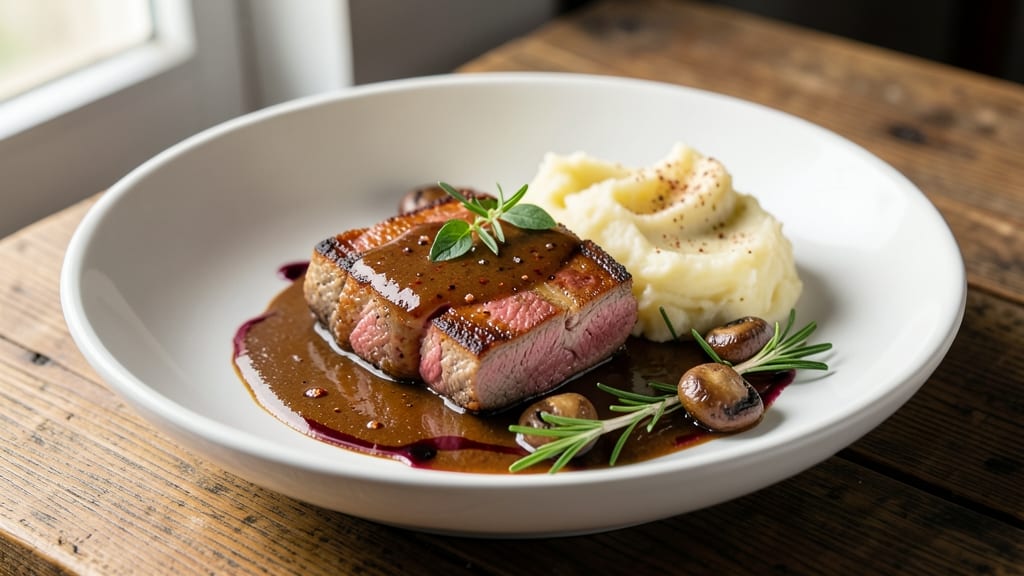
This au sauce recipe transforms simple grilled meats and vegetables into restaurant-worthy dishes with just a few ingredients and 20 minutes of work. The secret lies in balancing rich pan drippings with a touch of sweetness and smoky depth—creating a glossy, velvety sauce that clings perfectly to every bite.
I developed this version after years of perfecting the technique, ensuring it works equally well with steak, chicken, or even roasted vegetables.
The foundation starts with a classic roux—equal parts butter and flour cooked until golden—then deglazed with beef broth and a splash of red wine for complexity. A spoonful of brown sugar adds subtle sweetness, while smoked paprika brings that signature smokiness.
The sauce thickens beautifully as it simmers, developing layers of flavor that elevate even the simplest proteins.
What you’ll end up with is a glossy, aromatic sauce that’s rich enough to stand alone but balanced enough to complement grilled dishes without overpowering them. It’s the kind of sauce that turns weeknight dinners into special occasions—no fancy ingredients required, just technique and patience.
The best part? It reheats just as well the next day, making it perfect for meal prep.
Use this au sauce as a dipping sauce for fries, a drizzle over grilled meats, or even a glaze for roasted vegetables. The possibilities are endless, but the method remains simple: reduce, season, and serve. Let’s make it.
Ingredients for au sauce
Ten simple ingredients transform pan drippings into restaurant-quality au sauce.
| Ingredient | Amount | Notes |
|---|---|---|
| Unsalted Butter 🧈 | ½ cup | Cold, cubed for roux |
| All-Purpose Flour 🌾 | ½ cup | Sifted for smooth roux |
| Beef Broth 💧 | 1 ½ cups | Low-sodium preferred |
| Dry Red Wine 🍷 | ¼ cup | Bold variety like Cabernet |
| Light Brown Sugar 🍯 | 2 tbsp | Packed for sweetness |
| Smoked Paprika 🌶️ | 1 tsp | For authentic smokiness |
| Fresh Thyme Leaves 🌿 | 1 tbsp | Or 1 tsp dried thyme |
| Fresh Parsley Leaves 🌿 | 2 tbsp | Chopped for freshness |
| Salt 🧂 | ½ tsp | Kosher or sea salt |
| Black Pepper 🌶️ | ¼ tsp | Freshly cracked |
The butter and flour form the sauce's backbone—use cold, cubed butter (not melted) for a proper roux. I always grab European-style butter from the store's refrigerated section—it has higher fat content and browns beautifully. For flour, King Arthur or Bob's Red Mill are my go-tos; they're finely milled and give a silky texture. The beef broth should be low-sodium—you'll be adding salt later. If you don't have red wine, dry sherry or even apple cider vinegar work in a pinch, though wine adds that essential depth. Smoked paprika is non-negotiable for authentic flavor—Penzeys brand has the best consistency if you want to splurge.
No red wine? Substitute with beef broth plus 1 tsp balsamic vinegar—it mimics the acidity and complexity. Fresh thyme and parsley can be swapped for 1/4 tsp dried thyme and 1 tsp dried parsley, but fresh gives that bright, restaurant-quality finish. The brown sugar can be replaced with maple syrup if you prefer, though it adds moisture. For a richer sauce, add 1 tbsp heavy cream at the end. If your roux darkens too quickly, reduce the heat—patience here prevents burning. The sauce should coat the back of a spoon but still move freely.
This sauce reheats beautifully—simply warm on the stovetop with a splash of water or broth. Store in an airtight container in the fridge for up to 5 days or freeze for 3 months. For meal prep, I make double batches and portion into small jars. One jar keeps in the fridge for quick weeknight dinners, while the frozen portion ensures I always have restaurant-quality sauce on hand. The sauce thickens as it cools, so add a splash of warm water if it becomes too stiff when reheating.
Why You'll Love This Recipe
- Pantry Powerhouse: I swear by this sauce because it uses stuff I already have—no special trips to the store. Butter, flour, wine from last month’s stash, even that half-empty beef broth? Perfect. Honestly, I’ve made it three times this week because it never feels like a chore.
- Rich Without Effort: The wine and brown sugar caramelize into something deep and savory that takes zero skill. You just melt butter, toss in flour, deglaze with wine, and simmer until it thickens. That’s it. No fancy techniques, just pure, velvety flavor that tastes like you spent hours cooking.
- Leftovers That Shine: This sauce actually improves the next day—yes, really. The flavors meld into something even richer, and it reheats like a dream. I keep a jar in the fridge for quick drizzling on eggs, toast, or even plain pasta. Between us, it’s my lazy Sunday morning secret weapon.
- Weeknight to Dinner Party: Same recipe, different vibes. Slather it on steak for a fancy dinner or toss it with roasted veggies for a no-fuss weeknight meal. The brown sugar adds this subtle sweetness that balances the wine’s acidity, making it work for everything from grilled chicken to mashed potatoes. (Yes, even on a Tuesday night.)
Step-by-step instructions for smoky sweet au sauce
This rich, velvety sauce delivers perfect balance—sweet, smoky, and deeply flavorful for any grilled dish.
Create the Roux Foundation
In a medium saucepan over medium heat, melt the 0.5 cup unsalted butter until it foams but doesn't brown. Immediately whisk in the 0.5 cup all-purpose flour all at once. Cook for 2-3 minutes, stirring constantly with a wooden spoon, until the mixture turns a deep golden brown and smells nutty.
This roux is the backbone of your sauce—don't rush it. If it darkens too quickly, reduce the heat slightly. You're aiming for a rich, toasted flavor that will carry through the entire sauce. The moment it reaches that perfect golden hue, you're ready for the next step.
Deglaze with Wine and Broth
Pour in the 0.25 cup dry red wine and whisk vigorously to combine. Let it simmer for 1-2 minutes until the alcohol smell dissipates completely. Then gradually whisk in the 1.5 cups beef broth, about ½ cup at a time, allowing each addition to fully incorporate before adding more.
This gradual addition prevents lumps and ensures your sauce develops proper body. You'll notice the mixture thicken slightly as it simmers. Keep stirring occasionally to prevent sticking—this is where patience pays off for that silky texture we're after.
Build Flavor with Sweet and Smoky Elements
Add the 2 tbsp light brown sugar, 1 tsp smoked paprika, 0.5 tsp salt, and 0.25 tsp black pepper. Stir well to distribute these flavors evenly. Then add the 1 tbsp fresh thyme leaves and bring the sauce to a gentle simmer. Let it cook uncovered for 8-10 minutes, stirring occasionally, until it thickens to a glossy consistency that coats the back of a spoon.
Here's where the magic happens—the sugar caramelizes slightly, deepening the sauce's color and adding complexity. The smoked paprika infuses that signature smokiness, while the thyme brings earthy depth. The sauce should reduce enough to coat a spoon but still flow smoothly—this is the perfect balance for dipping or drizzling.
Finish with Fresh Herbs and Adjust Seasoning
Remove the sauce from heat and stir in the 2 tbsp fresh parsley leaves. Let it steep for 2-3 minutes off the heat to infuse the bright parsley flavor. Taste and adjust seasoning if needed—you might need a touch more salt or sugar to achieve that perfect sweet-savory balance.
The parsley adds freshness that cuts through the richness, giving your sauce that restaurant-quality finish. For best results, use this sauce immediately while it's still warm and glossy. If storing, keep it refrigerated for up to 3 days or freeze for up to 3 months. Reheat gently over low heat, stirring frequently to prevent scorching.
Pro Tips For Making Au Sauce
- Whisk Butter Until Foamy: Don’t just melt the butter—whisk it vigorously over medium heat until it’s pale yellow and bubbly. I used to skip this, and the sauce always tasted flat. This step emulsifies the fat properly, so it blends smoothly with the flour later.
- Deglaze Immediately: As soon as you add the wine, scrape every last bit of browned bits from the pan with a wooden spoon. Those bits pack serious flavor, and letting them sit turns your sauce into a dull, watery mess. Work fast—wine evaporates quicker than you think.
- Strain the Broth: Use a fine-mesh strainer or cheesecloth to filter the beef broth before adding it. Cloudy broth makes the sauce look unappetizing, and sediment can make it grainy. Trust me, the extra 30 seconds saves you from a sauce that looks like it’s hiding something.
- Simmer Low and Slow: Reduce the heat to the lowest setting and let the sauce bubble gently for at least 10 minutes. Rushing it makes the flour taste raw, and skipping this step is how you end up with a gluey, unbalanced sauce. Patience here guarantees a rich, velvety finish.
Storing and reheating your leftovers
Fridge Storage Tips
Transfer your au sauce to an airtight glass container (like Pyrex) while it's still warm to prevent condensation buildup. Let it cool completely at room temperature for no more than 2 hours before refrigerating—this prevents bacterial growth from the moisture-rich environment.
I like using quart-sized containers because they're perfect for single servings or meal prep portions. The sauce will thicken further in the fridge, so leave about ½ inch headspace for expansion. 💫
Store your au sauce in the refrigerator for up to 5 days. The flavors actually deepen overnight as the ingredients meld together, making it even more delicious the next day.
When you're ready to use it, simply reheat it gently on the stovetop over low heat with a splash of water or beef broth to restore its original consistency. If it becomes too thick, stir in 1-2 teaspoons of warm water until smooth.
Freezer Preservation
For longer storage, portion your au sauce into freezer-safe silicone molds or small glass jars with tight-sealing lids. Leave 1 inch of headspace to account for expansion during freezing. I find that ice cube trays work perfectly for single-use portions—just pop out what you need and reheat.
Label each container with the date to track freshness. This sauce freezes beautifully for up to 3 months without losing its rich, velvety texture. 🧊
When reheating frozen au sauce, transfer it directly from the freezer to a saucepan over low heat. Add 1-2 tablespoons of water or beef broth to help it thaw and prevent scorching.
Stir frequently and heat until it reaches 165°F internal temperature, which typically takes about 5-7 minutes. Avoid microwaving as it can create a skin and uneven texture.
Reheating Perfection
For the best results when reheating refrigerated au sauce, use a heavy-bottomed saucepan over medium-low heat. Add 1-2 tablespoons of water or beef broth to help restore moisture and prevent sticking. Stir constantly with a silicone spatula, breaking up any lumps that may form.
The sauce should return to a glossy, smooth consistency in about 3-5 minutes. If it's too thick after reheating, thin it with a splash of warm water or broth. 🔥
If you notice any separation or graininess after reheating, simply whisk vigorously or blend briefly with an immersion blender to restore its silky texture. For extra richness, stir in 1 teaspoon of unsalted butter while reheating.
This technique helps recreate that restaurant-quality finish you love. Always taste and adjust seasoning after reheating—sometimes a pinch of salt or sugar brings it back to perfect balance.
Nutrition facts
Frequently asked questions
Can I make this au sauce without wine?
Replace the 0.25 cup red wine with 0.25 cup beef broth plus 1 tsp balsamic vinegar for acidity. The vinegar mimics wine's depth while keeping the sauce balanced. For extra richness, add 1 tbsp heavy cream at the end. The flavor will be slightly different but still delicious!
How do I prevent lumps in my au sauce?
Whisk constantly when adding the 1.5 cups beef broth—go slow and let each addition fully incorporate before adding more. For extra insurance, mix 1 tbsp cold water with the flour before adding it to the butter. This creates a smoother paste that blends better. Stirring with a silicone spatula helps too!
What's the best way to use leftover au sauce?
This versatile sauce works perfectly as a dipping sauce for fries, a glaze for roasted vegetables, or a drizzle over grilled meats. For extra flair, stir in 1 tsp Dijon mustard before serving with chicken or pork. It also makes an excellent base for creamy pasta dishes—just thin with a splash of milk or broth.
Can I make this sauce in a slow cooker?
Yes! First make the roux on the stovetop as directed, then transfer everything to a slow cooker. Cook on low heat for 2-3 hours, stirring occasionally. The sauce will thicken more gradually, giving it a slightly different texture but still delicious. For best results, reduce the broth by 0.5 cup since slow cooking evaporates less liquid.
Why did my au sauce turn out too thin?
This usually happens if you didn't cook the roux long enough or added too much broth. For future batches, cook the roux until it's a deep golden brown (about 3-4 minutes) and reduce the broth by 0.25 cup. If your sauce is too thin now, simmer it uncovered for 5-10 minutes to evaporate excess liquid. Stir frequently to prevent sticking!