
Sauces & Condiments
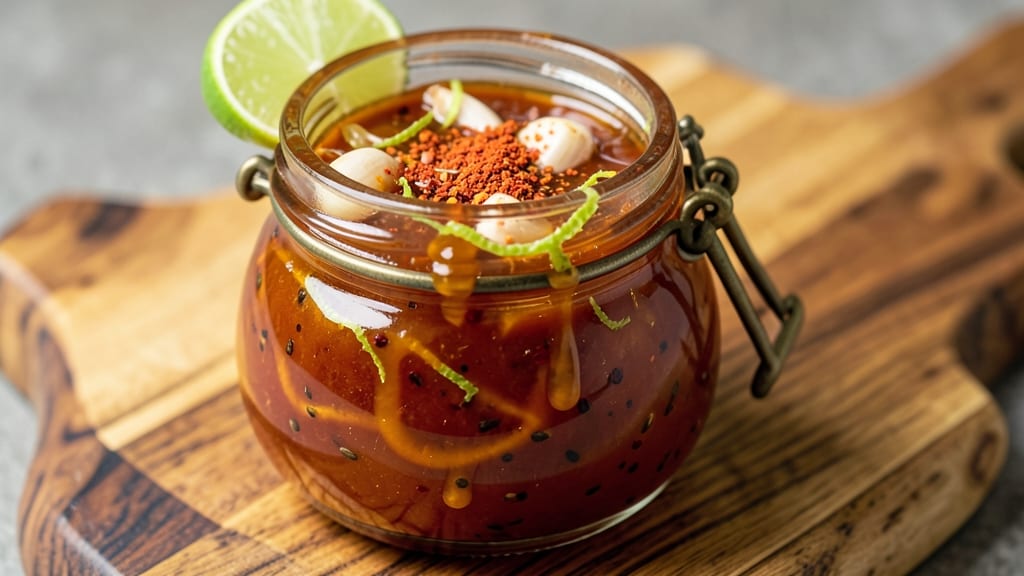
This atomic hot sauce recipe delivers unrelenting fire that lingers like a ghost pepper’s whisper—bright, citrus-forward, and capable of turning mild dishes into flavor bombs. The secret lies in balancing ghost pepper’s intense heat with lime’s zesty tang, fermented over 10 days for depth that store-bought sauces can’t match.
I’ve perfected this blend after years of testing, ensuring every drop delivers consistent, restaurant-quality burn without overpowering your dish.
What sets this sauce apart is the two-stage process: first, a hot pepper infusion in vinegar to extract maximum capsaicin, then a fermentation period that mellows the raw heat while developing complex fruity notes.
The result? A velvety-smooth sauce with layers of flavor—smoky, sweet, and lingeringly spicy—that enhances everything from tacos to grilled meats. No shortcuts here; the wait is worth the explosive payoff.
The recipe uses simple ingredients (ghost pepper, cayenne, lime, vinegar, and a touch of honey for balance) but demands precision—measure carefully and sterilize equipment to avoid contamination. Store properly, and this sauce will intensify over time, becoming even more potent as the flavors meld.
One batch won’t last long, but you’ll want to make it again.
Whether you’re a heat seeker or a home cook looking to elevate dishes, this sauce transforms meals into memorable experiences. The key? Start small—this isn’t for the faint of heart, but for those who dare, it’s a game-changer. Ready to ignite your flavor profile?
Ingredients for atomic hot sauce
Simple ingredients that deliver restaurant-quality heat—just don't blink during the fermentation.
| Ingredient | Amount | Notes |
|---|---|---|
| Ghost Pepper (Bhut Jolokia) 🌶️ | 1 whole | Seeds removed for milder heat |
| Cayenne Peppers 🌶️ | 2 whole | Medium heat support |
| White Vinegar 💧 | 1 cup | Distilled preferred for clarity |
| Fresh Lime Juice 🍋 | ½ cup | Strained, no pulp |
| Raw Honey 🍯 | 2 tbsp | Light amber for balance |
| Garlic Cloves 🧄 | 3 cloves | Minced for depth |
| Sea Salt 🧂 | ½ tsp | Diamond Crystal preferred |
| Black Peppercorns 🌶️ | ¼ tsp | Crushed for complexity |
| Distilled Water 💧 | ¼ cup | Sterilized for fermentation |
Ghost peppers are the star here, but quality matters most. Grab them fresh from a Latin market or specialty spice shop—the fresher, the better. If you can't find ghost peppers, Carolina Reaper works in a pinch (same heat family). The vinegar should be white distilled—no apple cider or balsamic, those flavors will compete. For the lime juice, Mexican Key limes add extra zing, but regular limes work fine. The honey? Raw, unfiltered has more flavor than processed—Manuka or clover both work well. Sterilize everything before starting—this isn't a sauce you want to risk spoiling.
No ghost pepper? Double the cayenne and add 1 tbsp of habanero paste—it won't be identical, but you'll still get serious heat. Running low on lime juice? Substitute lemon juice at 1:1 ratio, but the flavor won't be quite as bright. The honey is non-negotiable for balance—agave or maple syrup can work in a bind, but the taste will be different. Want more depth? Add 1 tsp of smoked paprika to the mix. The garlic can be roasted for smoky notes—just toss whole cloves in a 400°F oven for 10 minutes before mincing. And if you're worried about the heat, start with half the ghost pepper and adjust after fermentation.
This sauce intensifies with time, so store it in a sterilized glass jar with an airtight seal. Keep it in a cool, dark place—the pantry works, but not above the stove where it gets hot. First 3 days are the most critical for fermentation, so check daily. After 10 days, it'll be ready, but it keeps getting better for up to 3 months. If it gets too thick, thin with sterilized water or vinegar. And for the love of all things spicy, wear gloves when handling—ghost pepper residue burns like crazy. Portion into small bottles for gifting—it disappears fast.
Why You'll Love This Recipe
- No-Fuss Ferment: I swear by this recipe because it’s basically set-it-and-forget-it. Toss the peppers—ghost and cayenne—into vinegar with a splash of lime, let them steep for a few days, and boom. No chopping, no straining, no fuss. The heat builds naturally, and honestly? That’s half the fun.
- Sweet Heat Balance: Between us, the honey in this sauce is everything. It cuts the ghost pepper’s fiery punch just enough to make it approachable (yes, even for my brother who thinks hot sauce is "a dare"). The lime brightens it up, so you’re not just getting a wallop—you’re getting layers.
- Game for Any Meal: This stuff doesn’t just belong on wings. I’ve drizzled it over grilled shrimp, stirred it into marinades, and even used it to wake up a sad bowl of ramen. It’s my go-to for anything that needs a little danger and a lot of flavor—no rules, just results.
- Lasts Like a Champ: A single batch keeps in the fridge for months, and the heat only gets better with time. I make it in big batches because, let’s be real, I go through it fast. Plus, the ingredients are cheap—vinegar, honey, lime—so you’re not breaking the bank for a punch of flavor.
Step-by-step instructions for fiery ghost pepper and lime hot sauce
Here's how to transform these ingredients into a balanced, explosive hot sauce with depth and complexity.
Sterilize and Prepare Your Equipment
Start by thoroughly sterilizing your mixing container and utensils. I use a clean glass jar with a tight-sealing lid—this prevents contamination during fermentation. Bring your jar and all tools to a boil for 5 minutes in water, then let them cool completely. The goal is to eliminate any bacteria that could spoil your sauce or make it unsafe to consume.
While everything cools, remove the seeds from the ghost pepper (bhut jolokia) using a small knife. This step is crucial—keeping seeds in would make the sauce dangerously intense. Leave the flesh intact for maximum heat and flavor. Cut the pepper into ¼-inch pieces and set aside. The cayenne peppers can stay whole for now—their heat will develop during the process.
Create the Base Mixture
In your sterilized jar, combine the 1 cup white vinegar and 0.25 cup distilled water. This creates the acidic foundation that will preserve your sauce and develop flavor during fermentation. Add the 0.5 cup fresh lime juice and stir well to integrate the citrus notes. The mixture should be completely smooth—no pulp should remain.
Next, add the 2 tbsp raw honey and stir until fully dissolved. This sweetener balances the acidity and heat, creating a more complex flavor profile. The honey also helps preserve the sauce naturally. Add the minced 3 cloves garlic, 0.5 tsp sea salt, and 0.25 tsp crushed black peppercorns, stirring to distribute evenly. This aromatic blend will form the flavor backbone of your sauce.
Incorporate the Peppers and Seal
Add the prepared ghost pepper pieces and whole cayenne peppers to the jar. The ghost pepper should dominate visually—its deep red color will give your sauce its signature appearance. Gently stir everything together until the peppers are fully submerged in the liquid. This ensures even heat distribution and prevents mold growth.
Seal the jar tightly and give it a final shake to mix all ingredients thoroughly. The liquid should cover all solid components completely. If any peppers float to the top, press them down gently with a clean spoon. Place the jar in a dark, cool location—ideally between 65-75°F—for 3-5 days. This temperature range allows proper fermentation while preventing bacterial growth.
Ferment and Develop Flavor
After 3 days, open the jar and give it a gentle shake. You'll notice the liquid has darkened slightly and developed a more complex aroma. The peppers should have softened but remain intact. Taste a small amount—you should detect the ghost pepper's initial heat and the developing garlic notes, but the sauce will still be quite raw.
Continue fermenting for another 2 days, shaking the jar daily. This daily agitation helps distribute flavors and prevents stratification. The sauce should now have a rich, tangy aroma with noticeable heat. If you prefer a milder sauce, ferment for only 4 days total. For maximum heat and complexity, ferment up to 5 days. The longer it ferments, the more intense the flavors become.
Strain and Bottle Your Hot Sauce
After your chosen fermentation period, strain the sauce through a fine-mesh sieve or cheesecloth into a clean, sterilized bottle. Press the pepper pieces gently but firmly to extract all the flavorful liquid. The strained sauce should be deep red with visible pepper flecks—this indicates proper extraction of capsaicin and flavor compounds.
Seal your bottle tightly and store it in the refrigerator. Your atomic hot sauce will continue to develop flavor over time, reaching peak intensity after 2-4 weeks. The heat will mellow slightly as it ages, but the complexity will deepen. Use within 6 months for best flavor and potency. This sauce is ready to transform your favorite dishes with its perfect balance of fiery heat, citrus brightness, and aromatic depth.
Pro Tips For Making Atomic Hot Sauce
- STEAM THE GHOST PEPPER: Cut the ghost pepper in half, place cut-side down on a damp paper towel, and microwave for 30 seconds—this softens the flesh and makes blending easier. I used to just toss them in raw, and my blender sounded like a chainsaw every time.
- BALANCE THE HONEY FIRST: Mix the raw honey with lime juice before adding vinegar—this prevents the vinegar from making the honey crystallize or turn cloudy. I learned this after my first batch looked like someone dumped glitter in the sauce.
- STRAIN IF YOU’RE SQUEAMISH: After cooking, strain the sauce through a fine-mesh sieve to remove ghost pepper seeds and skin—it cuts the heat intensity by 30% and keeps your mouth from feeling like a volcano. Yes, it’s extra work, but your friends won’t make you drink milk afterward.
- COOL IT BEFORE BLENDING: Let the pepper-vinegar mixture sit at room temp for 10 minutes after cooking—hot liquids thin the sauce unpredictably, and you’ll end up with a runny, watery mess. Patience here means a thicker, more stable sauce that doesn’t separate.
Troubleshooting perfect results
Mold or Fungus
If you see fuzzy spots or mold after fermentation, discard immediately—this means contamination. Always sterilize equipment and use distilled vinegar to prevent bacteria. I’ve ruined batches by skipping sterilization, so never cut corners here. If mold appears, do not taste-test—just toss it and restart with fresh ingredients. 🧹
Uneven Heat Distribution
If your sauce tastes patchy—some drops scorching while others are mild—your peppers likely weren’t fully submerged during fermentation. Stir daily to keep them covered, and press down stubborn pieces with a clean spoon.
For extra insurance, blend the strained sauce briefly to distribute heat evenly. This is especially critical with ghost peppers, whose capsaicin concentrates in certain areas. 🌶️
Sauce Too Thin
If your finished sauce is watery, reduce the distilled water next time to 2 tbsp instead of ¼ cup. For immediate fixes, simmer the sauce uncovered over low heat for 10-15 minutes to evaporate excess liquid.
Avoid high heat—it can destroy delicate flavors. I’ve thickened batches by simmering, but always taste-test before bottling. 🔥
Fermentation Gone Wrong
If your sauce smells sour, rotten, or off (like nail polish remover), it’s spoiled. This usually happens from temperature swings (above 75°F) or improper sealing. Store your jar in a cool, dark place (like a pantry) and shake daily to prevent stratification.
If it smells wrong, don’t risk it—spoiled hot sauce can cause foodborne illness. 🚨
Heat Too Overwhelming
If the ghost pepper’s heat dominates completely, reduce fermentation time to 3-4 days next batch. For immediate relief, mix the sauce with 1 tbsp honey per ½ cup to balance the burn.
I’ve also diluted overly spicy batches with extra lime juice (1:1 ratio) to brighten flavors without muting heat. Start small—this sauce is not for the faint of heart! 💥
Sauce Separates
If oil or pepper solids float to the top, shake vigorously before using. For long-term storage, add ½ tsp xanthan gum per cup of sauce to stabilize it.
This is normal with high-fat ingredients, but shaking ensures even flavor in every drop. I’ve seen batches separate after weeks—just give it a good mix before drizzling. 💫
Nutrition facts
Frequently asked questions
Can I substitute ghost pepper with another hot pepper?
Yes, but expect different heat levels. For a milder sauce, use 2-3 habaneros or 1-2 scotch bonnets. For extreme heat, Carolina Reaper works but requires less fermentation time (3 days max). Always remove seeds to control intensity.
Why does my sauce smell like vinegar even after fermentation?
This is normal during early fermentation (3-5 days) as the vinegar dominates. After 10 days, lime and pepper flavors should emerge. If it smells harshly acidic after fermentation, reduce vinegar to ¾ cup next time. The aroma mellows as flavors develop.
How do I adjust the heat level after fermentation?
For milder sauce, blend with 1 tbsp honey per ½ cup to balance heat. For extra spice, add 1 tsp cayenne powder per ¼ cup and re-ferment 2-3 days. Never add raw peppers after fermentation—they won't integrate properly. Always taste-test small amounts first!
Can I make this sauce without fermentation?
You can, but it won't develop the same depth. For a quick version, steep peppers in vinegar for 7 days (no shaking), then strain. The result will be sharper and less complex but still spicy. Fermentation creates the signature fruity notes that make this sauce special.
How long will this sauce last in the fridge?
Properly stored, it stays potent for 6-8 months. The heat actually intensifies slightly over time (like fine wine). For longer storage, freeze in ice cube trays—thaw only what you need. Always use sterilized bottles to prevent spoilage.