
Sauces & Condiments
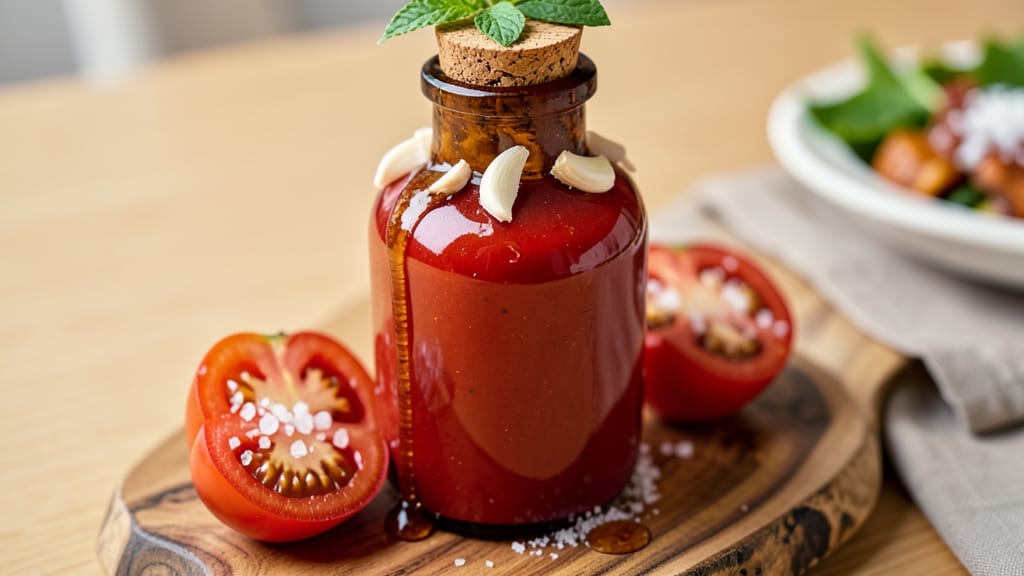
Arbol pepper hot sauce delivers bold, smoky heat that transforms ordinary dishes into fiery masterpieces. 🔥 This recipe balances the pepper's intense flavor with bright tomato zing and subtle vinegar tang, creating a sauce that's complex yet approachable.
The secret lies in proper pepper preparation—charred just enough to develop deep, smoky undertones without losing its signature sharpness.
What sets this sauce apart is its three-stage process: charring the peppers, fermenting the tomato base for depth, and blending with vinegar and garlic for brightness. Unlike store-bought versions, this recipe builds heat gradually, allowing you to control the intensity by adjusting pepper quantity.
The result is a versatile sauce that works as a dipping condiment, meat glaze, or pizza topping.
By the time you're done, you'll have a rich, aromatic hot sauce with layers of smoky arbol pepper, fresh tomato brightness, and a lingering vinegar finish. The fermentation process enhances flavor complexity, while the final blend creates a smooth, balanced heat that doesn't overpower.
This isn't just another hot sauce—it's a flavor experience that elevates everything it touches.
Perfect for spice lovers who crave depth, this sauce keeps well for months in the refrigerator. Store it in a clean glass jar, and you'll have a pantry staple that's always ready to transform your favorite dishes.
Let's get started on creating this fiery condiment that will become a kitchen essential.
Ingredients for arbol pepper hot sauce
Six smoky peppers, two pounds of tomatoes, and a splash of vinegar create fiery magic.
| Ingredient | Amount | Notes |
|---|---|---|
| Arbol Peppers 🌶️ | 6 whole | Stems and seeds removed |
| Fresh Tomatoes 🍅 | 2 lb | Roma or vine-ripened preferred |
| White Vinegar 💧 | ½ cup | Distilled preferred for clarity |
| Garlic Cloves 🧄 | 5 cloves | Peeled and roughly chopped |
| Granulated Sugar 🍚 | ¼ cup | Light brown preferred for depth |
| Salt 🧂 | 1 tsp | Diamond Crystal kosher salt |
| Olive Oil 🫒 | ¼ cup | Extra-virgin for richness |
| Cayenne Pepper 🌶️ | ½ tsp | Adjust for desired heat level |
| Lemon Juice 🍋 | 2 tbsp | Freshly squeezed for brightness |
| Water 💧 | 1 cup | Filtered preferred for clarity |
Arbol peppers are the heart of this sauce—find them fresh at Latin markets or well-stocked grocery stores like Whole Foods. Look for vibrant red peppers with no soft spots; they should smell faintly sweet and smoky. The tomatoes are non-negotiable—Roma or vine-ripened break down beautifully during fermentation. If you can't find fresh arbols, dried arbol peppers rehydrated in hot water work in a pinch, though fresh delivers that signature smoky depth. For the vinegar, distilled white vinegar ensures clarity in the final sauce, while apple cider vinegar adds subtle sweetness if you prefer that tang.
No arbol peppers? Habanero or Thai bird's eye peppers can stand in, but reduce the amount by half—they're far hotter. Fresh tomatoes not in season? Canned San Marzano tomatoes (drained well) work perfectly. The garlic can be roasted for a sweeter profile—just wrap the whole cloves in foil with a drizzle of olive oil and roast at 400°F for 20 minutes. For a smoother sauce, blend in a splash of tomato paste (about 2 tbsp) with the other ingredients. The sugar isn't just for sweetness—it helps balance the acidity and kickstarts the fermentation process, so don't skip it.
This sauce develops over time, so ferment it for at least 3 days before straining—patience pays off with deeper flavor. Store in a clean glass jar with an airtight lid in the fridge, where it'll keep for up to 6 months. For a smoother texture, strain through a fine-mesh sieve; for chunkier sauce, leave some seeds and peels in. The heat builds gradually, so start with small amounts—this isn't for the faint of heart. Freeze extras in ice cube trays for single-use portions, or give away jars as gifts (everyone loves a good hot sauce).
Why You'll Love This Recipe
- No-Fuss Blend: I swear by this recipe because it’s actually simple—just toss chopped arbol peppers, tomatoes, and garlic into a pot with vinegar, simmer for 15 minutes, and strain. No fancy tools, no stress, just pure, smoky heat in under 20 minutes.
- Garlic-Tomato Heat Bomb: That first bite? Chef’s kiss. The arbol peppers bring the fire, but the tomatoes soften it into something rich, while the garlic and sugar balance it like a perfect spicy hug. It’s the kind of sauce that makes you reach for seconds without thinking.
- Party Starter, Always: Between us—this stuff disappears at gatherings. Drizzle it on tacos, mix it into marinades, or serve it as a dip with chips. It’s my go-to for game day, BBQs, or even just a lazy Sunday when I want to impress without slaving away.
- Pantry Goldmine: A single batch lasts me weeks, and it’s dirt cheap to make. I freeze extras in ice cube trays for easy single-use portions later. Plus, using vinegar and sugar means no weird preservatives—just bold, homemade flavor that beats store-bought every time.
Step-by-step instructions for arbol pepper hot sauce
Here's how to craft a balanced hot sauce with smoky arbol heat and bright tomato tang.
🔥 Step 1: Char the Arbol Peppers and Tomatoes
Heat a dry skillet over medium-high heat until it's smoking hot. Add the 6 whole arbol peppers (stems and seeds removed) and the 2 lb fresh tomatoes cut into quarters. Let them char for 8-10 minutes until blackened in spots with deep caramelized edges.
This charring step is crucial—it develops the smoky depth that defines authentic hot sauces. Turn the peppers and tomatoes occasionally so they brown evenly. You'll know they're ready when they smell intensely smoky and the skins have developed dark char marks. Transfer the charred mixture to a cutting board to cool slightly before processing.
🍳 Step 2: Blend the Charred Mixture
Once the peppers and tomatoes have cooled for 5 minutes (they'll be too hot to handle otherwise), transfer them to a blender or food processor. Add the 5 peeled garlic cloves, 0.25 cup granulated sugar, 1 tsp salt, and 0.5 tsp cayenne pepper.
Blend on high until completely smooth, scraping down the sides as needed. The mixture should be silky with no visible texture. I like to blend in batches if needed—this ensures everything gets fully incorporated. The sugar helps balance the acidity while the cayenne adds an extra layer of heat. Taste the mixture at this stage; you should notice the smoky char, bright tomato flavor, and gradual heat build from the arbol peppers.
🥘 Step 3: Simmer the Sauce
Transfer the blended mixture to a heavy-bottomed saucepan and add 0.5 cup white vinegar, 2 tbsp lemon juice, 0.25 cup olive oil, and 1 cup water. Stir well to combine all ingredients. Bring the mixture to a gentle simmer over medium-low heat.
Let it simmer uncovered for 20-25 minutes, stirring occasionally, until it thickens slightly and reduces by about 25%. You'll notice the sauce developing a glossy sheen and deepening in color. The vinegar and lemon juice will brighten the flavors while the olive oil adds richness. Taste frequently during this process—you want the heat to develop but remain balanced with the sweet and tangy notes. If it gets too thick, add 1-2 tablespoons of water to reach your desired consistency.
⏰ Step 4: Strain and Bottle
Once the sauce has thickened to your liking, remove it from heat and let it cool for 5 minutes. Then strain it through a fine-mesh sieve into a clean bowl or jar, pressing gently on the solids to extract all the liquid. This step ensures a smooth, seed-free sauce.
Transfer the strained sauce to sterilized bottles or jars. I like to use dark glass bottles to protect the sauce from light, which can degrade its quality over time. The sauce will continue to develop flavors as it sits, so let it rest at room temperature for 24 hours before tasting. This resting period allows the flavors to meld and the heat to mellow slightly. Once bottled, the sauce will keep in the refrigerator for up to 3 months or can be processed for longer shelf life.
Pro Tips For Making Arbol Pepper Hot Sauce
- CHAR THE PEPPERS FIRST: Toss whole arbol peppers in a dry skillet over medium-high heat for 30 seconds per side until they darken slightly—this unlocks their smoky depth before blending. I used to skip this and wondered why my sauce tasted flat; the heat wakes up the peppers’ flavor.
- USE ROOM-TEMP TOMATOES: Let your tomatoes sit out for 30 minutes before chopping—they’ll yield more juice and blend smoother, giving your sauce a richer base. Cold tomatoes from the fridge release less pulp, and you’ll end up straining more seeds than you want.
- STRAIN TWICE, PATIENCE PAYS: Run the blended mix through a fine-mesh sieve first, then press the pulp with a spoon for extra yield. The second strain through cheesecloth removes stubborn bits that make your sauce look cloudy—worth the extra 5 minutes.
- VINEGAR FIRST, THEN SWEETEN: Add the white vinegar to the hot pepper-tomato blend before the sugar, then simmer for 2 minutes to mellow the acidity. Dumping sugar in raw vinegar makes it clump like grit; this order keeps your sauce silky and balanced.
Pro cooking tips for this recipe
Peppers First
Char your peppers properly—this is where the smoky magic happens. I use a cast iron skillet over medium-high heat until it's screaming hot. The peppers should blacken in spots but not burn completely.
Turn them every 2-3 minutes to ensure even charring. If they burn too quickly, reduce the heat slightly. The goal is smoky depth, not ash. 🔥
Tomato Prep Matters
Use Roma tomatoes for their meaty texture—they handle charring and blending better than slicing varieties. Cut them into 1-inch chunks before charring to expose more surface area.
After charring, let them cool completely before blending to prevent burning your blender. I always give them 5 minutes on a wire rack to cool safely.
Blend Like a Pro
For ultra-smooth sauce, blend in two batches if needed. Add 1 tablespoon of water to the blender first to help everything combine. Pulse first, then blend continuously for 30 seconds after everything's incorporated.
The sugar should dissolve completely—if not, add 1 teaspoon more and blend again. This prevents graininess in the final sauce.
Simmer Control
Keep your heat medium-low during simmering—too high and the sauce will burn. Stir every 3-4 minutes to prevent sticking. If the sauce looks too thick after 20 minutes, add 1 tablespoon water at a time until you reach a pourable but slightly syrupy consistency.
Taste frequently—the flavors develop gradually, so don't rush this step.
Straining Secrets
Use a fine-mesh sieve lined with a clean kitchen towel for the smoothest results. Press gently with a spoon to extract all liquid, but don't overdo it—you want to keep some of that smoky pepper essence.
For extra smoothness, strain through cheesecloth after the sieve. The first straining removes large particles, while the cheesecloth catches finer bits.
Bottling Best Practices
Use sterilized glass jars with airtight lids to preserve freshness. Fill jars to 1/2-inch from the top to allow for expansion if you plan to process them. For immediate use, store in the fridge where it'll keep for 3 months.
If you're processing for long-term storage, follow USDA canning guidelines—this sauce is perfect for water bath canning.
Nutrition facts
Frequently asked questions
How long should I ferment this arbol pepper sauce?
Ferment for at least 3 days at room temperature for optimal flavor development. The fermentation process enhances the smoky depth and balances the heat. After 3 days, strain and bottle—your sauce will continue mellowing in the fridge for up to 1 week before reaching peak flavor.
Can I adjust the heat level in this recipe?
Reduce the arbol peppers to 4-5 for milder heat or add 1 extra cayenne pepper for more intensity. For extra kick, blend in 1 tsp of ground arbol pepper (if available) during the blending stage. Always taste as you go—this sauce builds heat gradually.
What's the best way to store homemade hot sauce?
Store in a sterilized glass jar with an airtight lid in the refrigerator for up to 6 months. For longer storage, use water bath canning (process for 10 minutes in a boiling water bath). Dark glass bottles protect from light degradation, preserving flavor and color longer.
Can I substitute dried arbol peppers?
Yes, but soak 4-5 dried arbol peppers in hot water for 15 minutes first to rehydrate. They'll be less potent than fresh, so increase to 7-8 dried peppers for comparable heat. Remove seeds before charring to avoid bitterness—dried peppers concentrate more capsaicin.
Why does my sauce look cloudy after straining?
Cloudiness usually means residual pepper oils or unblended particles. For clearer sauce, strain through cheesecloth after the initial fine-mesh sieve. If using fresh tomatoes, their natural enzymes can cause slight cloudiness—this is normal and won't affect flavor or safety.