
Sauces & Condiments
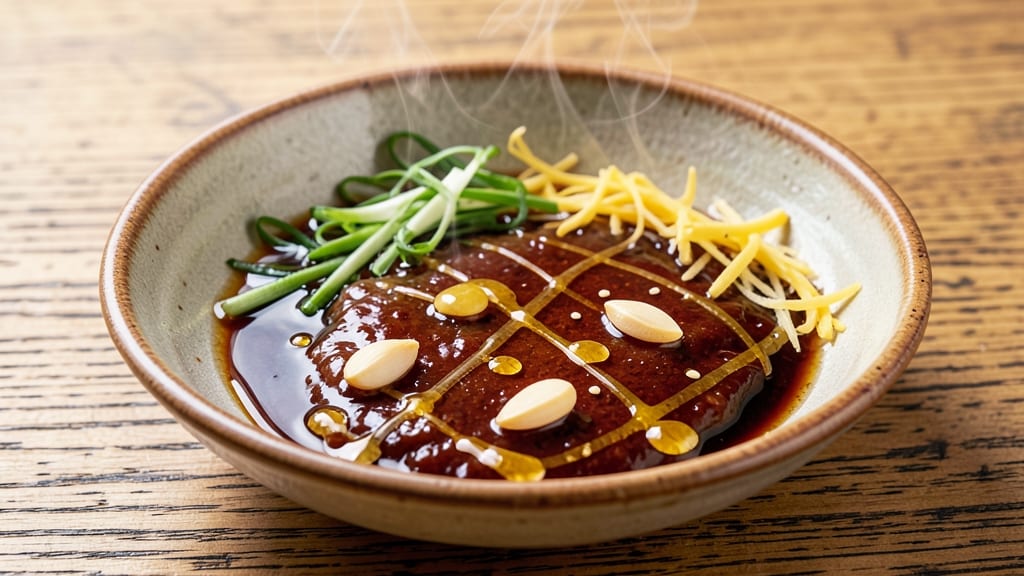
This Asian sticky sauce recipe transforms simple pantry staples into a rich, caramelized glaze that elevates stir-fries, marinades, and dipping sauces. The secret lies in simmering soy sauce, honey, and aromatics until thick and glossy—creating a sauce with deep umami and subtle sweetness that clings to every bite. I developed this after craving that perfect balance of salty, sweet, and tangy without relying on store-bought shortcuts.
The beauty of this sauce is its versatility—use it as a glaze for grilled meats, a dipping sauce for spring rolls, or a marinade for tofu. The process is straightforward: combine soy sauce, honey, vinegar, garlic, and ginger, then reduce until syrupy.
Optional ingredients like fish sauce or oyster sauce add layers of complexity, but the base remains simple and foolproof. What you’ll end up with is a sauce that’s sticky, aromatic, and packed with flavor—far superior to anything bottled.
What sets this recipe apart is the caramelization step, where the sauce transforms from thin to thick and glossy. This creates that signature sticky texture that clings beautifully to food, while the fermented soy adds depth.
The result is a sauce that’s equally at home on weeknight stir-fries or special occasion dishes. Once you taste it, you’ll never go back to store-bought.
Store the sauce in an airtight container in the fridge for up to 2 weeks, or freeze for longer shelf life. It’s the kind of condiment that becomes a staple in your kitchen—easy to make, impossible to resist. Let’s get started on creating this flavor-packed sauce!
Ingredients for asian sticky sauce
Simple pantry staples transform into a sticky, aromatic sauce that sticks to everything.
| Ingredient | Amount | Notes |
|---|---|---|
| Kosher Soy Sauce 🍶 | ½ cup | Light or dark, your choice |
| Honey 🍯 | ⅓ cup | Pure, unprocessed preferred |
| Rice Vinegar 🍶 | ¼ cup | White or seasoned |
| Garlic Cloves 🧄 | 4 cloves | Minced for even distribution |
| Fresh Ginger 🌿 | 1 ½ tbsp | Grated, not powdered |
| Sesame Oil 🫒 | 1 tbsp | Toasted sesame for aroma |
| Fish Sauce 🐟 | 1 tbsp | Optional for umami depth |
| Oyster Sauce 🦪 | 1 tbsp | Optional for richness |
| Brown Sugar 🍚 | 1 tbsp | Light or dark preferred |
| Cornstarch 🌾 | ½ tbsp | For thickening |
The soy sauce is the foundation—Kikkoman or Pearl River Bridge are my go-tos for that authentic fermented flavor. Honey should be pure, not that processed stuff with additives. I grab mine from Whole Foods or the bulk section at Trader Joe's—both keep it fresh. Ginger and garlic? Fresh is non-negotiable here. Pre-minced garlic loses flavor fast, so grab whole cloves and chop them yourself. Sesame oil can be tricky—look for toasted varieties at Asian markets for that nutty aroma. If you're skipping the fish or oyster sauce, just boost the soy sauce by another tablespoon to keep that umami punch.
No honey? Maple syrup works in a pinch—just reduce the sauce 10% longer since it's thinner. Running low on ginger? Ginger powder at half the amount gets you close, but you'll miss that fresh zing. Sesame oil too strong? Swap for neutral oil and add a pinch of ground sesame seeds at the end. The cornstarch is your thickening secret weapon—mix it with 2 tbsp cold water first to avoid clumping. And if you're making this for a crowd, double the batch—it disappears fast during stir-fry night.
This sauce keeps 2 weeks in the fridge once opened, but honestly? It gets better with age. The flavors meld and deepen. For longer storage, freeze in ice cube trays—perfect for single-use portions. Thickened too much? Thin with a splash of water or vinegar. Too thin? Simmer uncovered for another 5 minutes. Pro tip: Add a splash of hot water when reheating to keep it glossy. Trust me, you'll want to make this again and again.
Why You'll Love This Recipe
- Five-Ingredient Magic: I swear by this lineup—soy, honey, vinegar, garlic, and ginger. That’s it. No fancy pantry tours or last-minute grocery runs. Honestly, I keep this combo in my fridge at all times because it’s the backbone of my weeknight meals.
- Sweet-Savory Balance: The honey cuts through the umami punch of soy sauce like a dream, while the vinegar keeps it bright. That crisp, sticky finish? It’s the kind of flavor that makes you reach for seconds without even thinking—especially when drizzled over grilled chicken or stir-fried veggies.
- Meal Prep MVP: This sauce is my secret weapon for batch cooking. A quick simmer, then store it in a jar for up to two weeks. Toss it with tofu for Monday lunches, slather it on kebabs for dinner, or even use it as a marinade. (Yes, even on a Tuesday night.)
- Budget-Friendly Flex: Fresh ginger and garlic might seem like small luxuries, but they stretch this sauce further than store-bought versions. A little goes a long way—drizzle, not drown—and you’ll have enough left to save for next week. Plus, kosher soy and rice vinegar are pantry staples that won’t break the bank.
Step-by-step instructions for Asian sticky sauce
This sauce delivers bold umami, sweet caramelized depth, and perfect thickness every time.
Bloom the Aromatics in Sesame Oil
Heat a small saucepan over medium-low heat and add the 1 tablespoon sesame oil. Let it warm for 30 seconds until fragrant—you'll smell that nutty aroma develop. Add the 4 minced garlic cloves and 1.5 tablespoons grated fresh ginger, stirring constantly for 1-2 minutes until the garlic turns golden and the ginger softens but doesn't brown.
This step builds the aromatic foundation. Watch the heat carefully—ginger burns faster than garlic. If it starts to darken too quickly, reduce the heat slightly. The goal is to infuse the oil with flavor without letting it turn bitter.
Combine Wet Ingredients and Simmer
Pour in the 0.5 cup kosher soy sauce, 0.33 cup honey, 0.25 cup rice vinegar, 1 tablespoon fish sauce, 1 tablespoon oyster sauce, and 1 tablespoon brown sugar. Stir well to combine, then bring the mixture to a gentle simmer over medium heat. Let it bubble for 5-7 minutes, stirring occasionally, until the sauce reduces by about one-third and thickens slightly.
You'll notice the sauce darken as the sugars caramelize and the flavors meld. This reduction process concentrates the flavors and creates that signature sticky texture. If the sauce starts to stick to the pan, add 1-2 tablespoons water to keep it moving.
Thicken and Finish the Sauce
In a small bowl, whisk together the 0.5 tablespoon cornstarch with 1 tablespoon cold water until smooth. Slowly pour this mixture into the simmering sauce while stirring constantly. Bring the sauce back to a gentle simmer and cook for 2-3 minutes until it reaches your desired thickness—it should coat the back of a spoon smoothly.
The sauce should now have a glossy, syrupy consistency with balanced sweet, salty, and umami flavors. Taste and adjust seasoning if needed—add a touch more soy sauce for saltiness, honey for sweetness, or rice vinegar for acidity. Let it cool slightly before using to allow the flavors to fully develop.
Rest and Use (Optional but Recommended)
For best results, let the sauce rest for 10-15 minutes at room temperature. This allows the flavors to meld even more deeply. The sauce will thicken slightly as it cools, so you may need to thin it with a splash of water if it becomes too stiff.
This sauce is incredibly versatile—use it as a glaze for grilled meats, a dipping sauce for spring rolls, or a marinade for tofu. It keeps well in the refrigerator for up to 2 weeks, though I find it's best used within 3-5 days for maximum freshness and flavor impact.
Pro Tips For Making Asian Sticky Sauce
- MINCE THAT GINGER: Use a microplane or the finest grater—no chopping, no peeling. Fresh ginger loses its punch when diced, but a tablespoon of finely shaved ginger (skin on) melts into the sauce smoothly. I learned this the hard way after straining out chunks from my first batch.
- SIMMER LOW AND SLOW: Bring the sauce to a gentle bubble, then drop the heat until it’s barely shimmering. High heat burns the honey and makes the garlic bitter. I used to rush this, but 10 minutes of steady simmering lets the flavors marry without turning cloying.
- TASTE THE SOY FIRST: Open that bottle of kosher soy and take a sniff—if it smells sharp or chemical, swap it out. The umami base is everything, and cheap soy makes the whole sauce taste flat. My grandmother’s rule: "If it doesn’t smell like sun-dried tomatoes, don’t use it."
- SKIP THE RAW GARLIC: Sauté the minced garlic in a dry pan for 30 seconds until fragrant—just until it smells like a garlic festival, not like almonds. Raw garlic turns the sauce bitter, and this step takes 30 seconds but makes a real difference. (Yes, even if you’re impatient like me.)
Essential equipment for great asian sticky sauce
Small Saucepan
I recommend using a 2-quart stainless steel saucepan for this recipe—its flat bottom distributes heat evenly and prevents scorching. A non-stick pan works too, but stainless steel gives you better control over the caramelization process.
Avoid aluminum pans, as they can react with acidic ingredients like rice vinegar. I use my All-Clad stainless steel saucepan for this—it’s durable and heats up quickly. 🔥
Fine-Mesh Strainer
A fine-mesh strainer is essential if you prefer a smooth sauce without any garlic or ginger bits. I like the OXO Good Grips model because it’s sturdy and easy to clean.
If you’re okay with slight texture, you can skip straining, but I find it makes a noticeable difference in the final consistency. For extra smoothness, press the strained sauce through a cheesecloth lined over the strainer.
Wooden Spoon
Use a wooden spoon to stir the sauce—it won’t scratch your pan like metal utensils, and it’s heat-resistant. I prefer a long-handled spoon for better control, especially when simmering.
Avoid plastic spoons, as they can melt or warp at high heat. A silicon spatula also works well if you need to scrape the bottom occasionally.
Measuring Spoons
Precision matters with this sauce, so invest in a set of stainless steel measuring spoons for accurate measurements. I use my West Bend set—they’re durable and easy to read. For the cornstarch slurry, a 1-tablespoon measuring spoon ensures you get the right ratio of cornstarch to water.
Double-check measurements, especially with the honey and soy sauce, as slight variations can affect the balance of flavors.
Small Mixing Bowl
A small mixing bowl is needed for whisking the cornstarch slurry. I keep a glass or ceramic bowl (like my Pyrex) on hand because it’s easy to clean and won’t absorb odors. Whisk the cornstarch and water thoroughly to avoid clumps—this ensures a smooth, glossy finish.
If you’re short on time, a shot glass works in a pinch, but a proper bowl gives you better control.
Thermometer (Optional but Helpful)
While not required, a kitchen thermometer helps you monitor the sauce’s temperature for perfect caramelization. I use a Thermoworks Thermapen to keep the sauce between 180-200°F—this range ensures the honey and sugar caramelize without burning.
If you don’t have one, watch for visual cues: the sauce should darken slightly and reduce by about one-third before thickening. 🌡️
Nutrition facts
Frequently asked questions
Can I make this sauce without honey?
Replace the honey with ⅓ cup maple syrup for a similar sweetness, though it may require 5-7 extra minutes of simmering since maple syrup is thinner. For a deeper caramel flavor, try 2 tablespoons brown sugar instead—just reduce the sauce slightly longer to achieve the same sticky consistency.
How do I adjust the thickness for different uses?
For a thicker glaze (like for meats), reduce the sauce until it coats the back of a spoon smoothly. For dipping sauces, thin with 1-2 teaspoons water or rice vinegar until it reaches a pourable consistency. Pro tip: The sauce thickens as it cools, so adjust while still warm.
What’s the best way to store leftover sauce?
Transfer to an airtight container and refrigerate for up to 2 weeks. For longer storage, freeze in ice cube trays—perfect for single-use portions. Thaw overnight in the fridge and stir well before using. The sauce actually improves with age as flavors meld!
Can I use this sauce as a marinade?
Yes! Use it as-is for 30-60 minutes for delicate proteins like tofu or shrimp. For tougher meats (chicken, pork), reduce the sauce first to concentrate flavors, then marinate for 2-4 hours. The sticky texture helps create a delicious crust when cooked.
Why did my sauce turn too thick?
This usually happens from over-reducing or cornstarch overdoing it. Thin with 1 teaspoon water or vinegar at a time while reheating. For next time, reduce the cornstarch to ¼ tablespoon or skip it entirely—simmering longer will naturally thicken the sauce.