
Sauces & Condiments
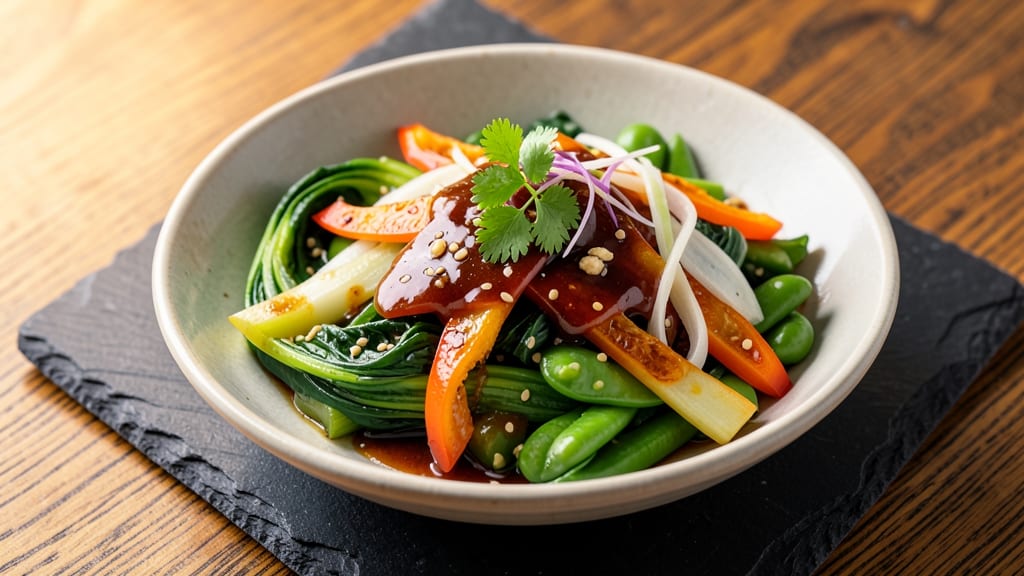
This Asian vegetable sauce recipe transforms simple stir-fries into restaurant-quality dishes with just 10 minutes of active time. The secret lies in balancing salty soy, aromatic ginger, and a touch of sweetness—creating a glossy, umami-rich sauce that clings perfectly to every crisp-tender vegetable.
I developed this after years of testing sauces that either fell flat or overwhelmed delicate veggies, and this version strikes the ideal harmony.
The process is straightforward: sauté fresh garlic and ginger until fragrant, then deglaze with soy sauce, a splash of rice vinegar, and a hint of honey for balance. A quick simmer reduces the sauce to a velvety consistency, while sesame oil adds nutty depth at the end.
What you’ll end up with is a versatile sauce that elevates stir-fries, roasted vegetables, or even as a dipping sauce for spring rolls.
This sauce keeps its vibrant flavor for up to a week in the fridge, making it perfect for meal prep. The ingredients are simple—soy sauce, garlic, ginger, honey, and sesame oil—but their combination creates a complex, savory-sweet profile that turns ordinary vegetables into a standout dish.
Whether you're cooking for one or a crowd, this sauce delivers professional results without the fuss.
For extra richness, stir in a spoonful of peanut butter or a dash of chili flakes. The possibilities are endless, but the foundation remains the same: a quick, foolproof sauce that transforms vegetables into something extraordinary. Let’s get started!
Ingredients for asian sauce for vegetables
Five core ingredients create this restaurant-quality sauce—simple but packed with umami depth.
| Ingredient | Amount | Notes |
|---|---|---|
| Low-Sodium Soy Sauce 🍶 | ½ cup | Kikkoman preferred for balance |
| Fresh Garlic Cloves 🧄 | 4 cloves | Minced for aromatic base |
| Fresh Ginger Root 🌿 | 2 tbsp | Finely grated, skin on |
| Honey 🍯 | 1 tbsp | Wildflower for floral notes |
| Rice Vinegar 🍶 | 1 tbsp | Seasoned variety preferred |
| Sesame Oil 🫒 | 1 tbsp | Toasted, for nutty finish |
| Peanut Butter 🥜 | 1 tbsp | Smooth, unsweetened |
| Red Chili Flakes 🔥 | ½ tsp | Adjust for heat preference |
| Vegetable Oil 🫒 | 1 tbsp | High smoke point for sautéing |
| Diamond Crystal Kosher Salt 🧂 | ½ tsp | Fine grain for seasoning |
The soy sauce is non-negotiable—Kikkoman has the perfect balance of salt and umami, but any good-quality low-sodium option works. Fresh ginger and garlic are where the magic happens; skip the jarred minced garlic—it lacks the aromatic punch. For ginger, use the skin-on variety from the produce section (it's more flavorful). If you can't find fresh, double the powdered ginger, but it won't be as vibrant. The peanut butter adds unexpected richness—natural, unsweetened is key here, no sugar or oils added. Trader Joe's carries a great option if you're looking for a budget-friendly brand.
No soy sauce? Coconut aminos in a 1:1 swap works surprisingly well, though it's more neutral. Running low on honey? Maple syrup or agave will do in a pinch, but honey's floral notes are ideal. The sesame oil is what gives this sauce its signature aroma—toasted, not refined. If you're avoiding sesame, avocado oil adds a different depth but loses that nutty finish. Chili flakes can be swapped for fresh red chili or a dash of sriracha, but adjust the heat to your taste. The rice vinegar is crucial for brightness—substitute apple cider vinegar if needed, but it'll taste slightly different.
This sauce keeps beautifully in the fridge for up to 1 week in an airtight container, though it tastes best within 3-4 days. For longer storage, freeze in ice cube trays—perfect for single-use portions. The peanut butter can separate if stored too long, so give it a quick stir before using. If the sauce thickens over time, thin it with a splash of water or a bit more rice vinegar. Double the batch and freeze half—you'll want to make this again.
Why You'll Love This Recipe
- Pantry-to-Table Magic: I swear by this sauce because it turns whatever veggies I’ve got into something special—no fancy shopping required. That jar of soy sauce and chunk of ginger I always have? Suddenly, broccoli and carrots taste like they belong in a restaurant.
- Umami Bomb: The garlic and ginger sizzle just enough to wake up the flavors, while the honey and vinegar cut through the saltiness. It’s that perfect balance—sweet, tangy, and savory—without tasting like you followed a recipe.
- Weeknight Workhorse: I make a double batch on Sundays and toss it with stir-fries, noodles, or even cold rice bowls all week. The sauce keeps well, and the flavors only deepen as it sits—no sad leftovers here.
- Budget-Friendly Flex: This sauce costs pennies per serving and stretches across multiple meals. Honestly, it’s my go-to for feeding the family without breaking the bank, and the simplicity means I’m not stressing over ingredients.
Step-by-step instructions for Asian vegetable sauce
This umami-packed sauce comes together faster than you can say "stir-fry."
Bloom the Aromatics in Vegetable Oil
Heat a small saucepan over medium heat and add the 1 tablespoon vegetable oil. Once the oil shimmers but isn't smoking, add the 4 cloves minced fresh garlic cloves and 2 tablespoons finely grated fresh ginger root. Cook for 1-2 minutes until the garlic turns golden and fragrant—this releases their full flavor potential.
Watch carefully here: garlic burns faster than you think. If it starts to darken too quickly, reduce the heat to low. The goal is aromatic depth, not charred bits. Once fragrant, remove the pan from heat and let the aromatics cool slightly—this prevents cooking the sauce immediately.
Whisk Together the Wet Ingredients
In a medium bowl, combine the 0.5 cup low-sodium soy sauce, 1 tablespoon honey, 1 tablespoon rice vinegar, 1 tablespoon smooth peanut butter, and 0.5 teaspoon red chili flakes. Whisk vigorously for 30 seconds until the peanut butter dissolves completely—this creates a silky base.
Here's the thing: peanut butter might seem odd in an Asian sauce, but it adds a rich, nutty depth that balances the acidity of the rice vinegar. If you prefer a smoother texture, strain the mixture through a fine-mesh sieve to remove any peanut butter residue before proceeding.
Combine and Simmer the Sauce
Return the saucepan with garlic-ginger to medium-low heat and pour in the wet ingredient mixture. Stir constantly for 2-3 minutes until the sauce begins to thicken slightly and coats the back of a spoon. The peanut butter will emulsify, creating a glossy sheen.
Taste and adjust seasoning: if it needs more umami, add a splash of soy sauce; if it's too sharp, a touch of honey helps. The sauce should be tangy, slightly sweet, with a subtle heat from the chili flakes. Remove from heat—no need to boil vigorously.
Finish with Sesame Oil and Salt
Drizzle in the 1 tablespoon toasted sesame oil and stir to incorporate. Add the 0.5 teaspoon diamond crystal kosher salt and give one final taste. The sesame oil adds a nutty aroma and rich finish, while the salt ties all the flavors together.
Let the sauce cool slightly before using—this allows the flavors to meld. For best results, use it immediately over stir-fried vegetables or noodles. The sauce keeps well in the fridge for 5 days in an airtight container, though it's best fresh.
Pro Tips For Making Asian Sauce For Vegetables
- Mince Ginger Fine: Use the side of your knife to press and shred ginger into tiny pieces—no food processor needed. I learned this the hard way after burning my first batch of sauce trying to chop it too fast; fine ginger heats through evenly and blends seamlessly.
- Bloom Soy First: Heat your pan and add the soy sauce before garlic or ginger—let it sizzle for 30 seconds to deepen its flavor. Skipping this step leaves your sauce tasting flat, like you’re just pouring bottled sauce over veggies.
- Balance Honey Last: Stir in honey only at the very end, after the sauce has reduced slightly—this prevents it from burning and turning bitter. I used to add it early, and it’d clump or scorch, ruining the whole dish.
- Use Cold Vinegar: Add rice vinegar off the heat, straight from the fridge, to stop the cooking process instantly and preserve its bright acidity. Warm vinegar dulls the flavor, and you’ll taste the difference in every bite.
Storing and reheating this asian sauce for vegetables
Fridge Storage Tips
Transfer your sauce to an airtight glass container—I use Pyrex with a snap-on lid—and let it cool completely before refrigerating. Store it in the back of your fridge where it's coldest, not the door.
The sauce will last up to 1 week, but I find it's most vibrant within 3-4 days—the peanut butter stays smoothest then. If you notice any separation, just give it a quick stir before using. 🌡️
Freezing for Later
For longer storage, freeze the sauce in ice cube trays—each cube makes a perfect single-use portion for stir-fries or drizzling. Once frozen, transfer the cubes to a freezer bag with all air removed to prevent freezer burn.
These cubes thaw in 10 minutes in the microwave or 30 minutes at room temperature. The texture remains stable, though the peanut butter may separate slightly—just whisk it back together. 🧊
Reviving Thickened Sauce
If your sauce thickens after refrigeration, don't toss it! Thin it with 1-2 teaspoons of warm water or a splash of rice vinegar while whisking vigorously. For extra richness, stir in ½ teaspoon of toasted sesame oil to restore that glossy finish.
I've had this happen with my batches, and it always comes back to perfection with just a little attention. 💫
Reheating Methods
For best results, reheat your sauce gently on the stovetop over low heat for 2-3 minutes, stirring constantly. Avoid high heat—it can cause the peanut butter to separate or the sesame oil to lose its aroma.
If using the microwave, heat in 15-second intervals, stirring between each, until warmed through. Always taste and adjust seasoning after reheating—sauces often need a pinch of salt or a drizzle of honey. ✨
Sauce on Vegetables
When reheating your sauce for vegetables, toss them in a large skillet or wok with 1 tablespoon of vegetable oil over medium-high heat for 3-4 minutes until crisp-tender. Add the sauce and stir-fry for 1-2 minutes until everything is evenly coated.
The high heat helps the sauce cling beautifully to the vegetables while keeping them vibrant. 🥦
Double Batch Strategy
Make this sauce in double batches and freeze half immediately—you'll want to use it again! I keep a quart-sized freezer bag in my fridge just for this purpose.
When you're ready to use the frozen portion, thaw it in the fridge overnight or use it straight from frozen in a slow-cooker on low heat for 1 hour, stirring occasionally. This method preserves all the flavors perfectly. 💡
Nutrition facts
Frequently asked questions
Can I make this sauce without peanut butter?
Replace the 1 tablespoon peanut butter with 1 tablespoon smooth almond butter or ½ teaspoon miso paste for umami depth. If you prefer no nut butters, add 1 teaspoon honey and ½ teaspoon toasted sesame oil to maintain richness. The sauce will still taste balanced but with a slightly different texture.
What vegetables pair best with this sauce?
This sauce shines with bell peppers, broccoli, snap peas, carrots, and bok choy—their crisp textures contrast beautifully. For heartier dishes, try eggplant or zucchini. Avoid overly watery veggies like lettuce or cucumbers unless you're using it as a dipping sauce. The sauce also works perfectly with tofu or shrimp for a complete meal.
Why did my sauce separate after refrigerating?
The peanut butter and sesame oil can separate when cold—this is normal! Just whisk vigorously to re-emulsify. For extra stability, chill the sauce for 10 minutes before refrigerating, or stir in ½ teaspoon cornstarch while warm to help bind the ingredients. The texture will smooth out completely once reheated or stirred.
Can I use this sauce on non-Asian dishes?
Yes! The sauce works surprisingly well on grilled chicken, pork tenderloin, or even pasta. For a fusion twist, drizzle it over tacos or tacos al pastor with a sprinkle of cilantro. The peanut butter adds richness that complements proteins beautifully. Just reduce the rice vinegar to ½ tablespoon if using with meat to balance the acidity.
How do I adjust the heat level?
For milder heat, reduce the chili flakes to ¼ teaspoon or omit entirely. For spicier sauce, add ½ teaspoon sriracha or 1 teaspoon chopped fresh chili and simmer for 1 extra minute. If you love heat, finish with ½ teaspoon gochujang (Korean chili paste) for depth. Always taste before serving!