
Sauces & Condiments
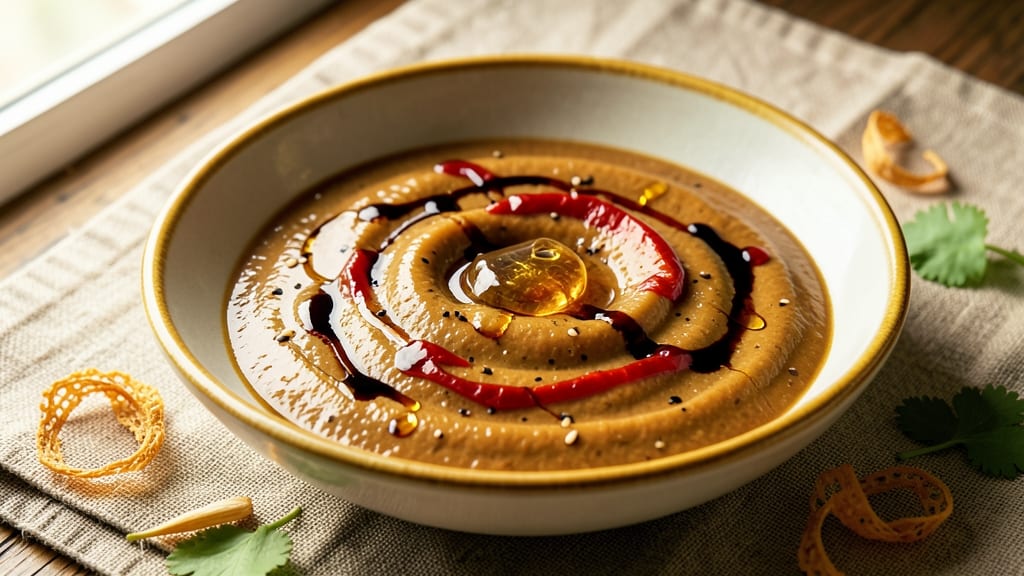
This Asian hot mustard sauce recipe delivers the perfect balance of fiery heat, tangy sharpness, and just enough sweetness to elevate wings, fries, or grilled meats. The secret lies in combining Dijon mustard with rice vinegar and chili paste, then balancing the bold flavors with honey or sugar.
What sets this sauce apart is its versatility—it works as a dipping sauce, marinade, or finishing drizzle without overpowering the dish.
The process is straightforward but precise: whisk together the mustard, vinegar, and chili paste until smooth, then gradually fold in the sweetener and a pinch of salt. The sauce thickens naturally as it sits, creating a glossy, clingy texture that clings to every bite.
For extra depth, a splash of soy sauce or sesame oil adds umami richness that rounds out the heat.
What you’ll end up with is a bold, balanced sauce that’s spicy enough to stand up to crispy fried foods but sweet enough to satisfy cravings. It keeps well in the fridge for up to two weeks, making it a perfect pantry staple.
Whether you’re slathering it on hot wings, tossing it with noodles, or using it as a marinade, this sauce transforms ordinary meals into something unforgettable.
For best results, let the sauce sit for at least 30 minutes before using—this allows the flavors to meld and the heat to mellow slightly. Adjust the sweetness or spice level to your preference, but remember: the key to a great hot sauce is harmony.
Here’s how to make it right the first time.
Ingredients for asian hot mustard sauce
Nine bold ingredients. One fiery, tangy sauce. Game-changer for wings, fries, and grilled meats.
| Ingredient | Amount | Notes |
|---|---|---|
| Dijon Mustard 🧄 | ½ cup | High-quality for best flavor |
| Rice Vinegar 🍶 | ¼ cup | White or seasoned variety |
| Red Chili Paste 🌶️ | ¼ cup | Sriracha or gochujang preferred |
| Honey 🍯 | ¼ cup | Wildflower or clover variety |
| Soy Sauce 🍶 | 2 tbsp | Light or dark preferred |
| Sesame Oil 🫒 | 1 tbsp | Toasted sesame oil for aroma |
| Garlic Cloves 🧄 | 2 cloves | Minced for deeper flavor |
| Ginger Root 🌿 | 1 tsp | Freshly grated for zing |
| Salt 🧂 | ½ tsp | Kosher or sea salt |
| Water 💧 | ¼ cup | For thinning if needed |
The Dijon mustard is the backbone here—Maille or French's are my go-tos, but any good-quality brand works. For the chili paste, Sriracha or gochujang from the Asian aisle add that signature heat. Honey? Wildflower or clover gives the best balance of sweetness. Grab the toasted sesame oil from the international section—it’s worth the extra penny for that nutty aroma. Fresh ginger and garlic? Trader Joe's or Costco usually have great prices, and they keep well in the freezer if you buy extra.
No rice vinegar? Apple cider vinegar works in a pinch, but it’ll taste slightly different. Short on honey? Maple syrup or brown sugar dissolved in warm water does the trick. The sauce can handle a little extra heat—add more chili paste if you love spice. For a deeper umami kick, fish sauce can replace soy sauce, but keep it to 1 tbsp. The garlic and ginger can be pre-minced from a jar if you’re in a hurry, but fresh is always better. If the sauce seems too thick, add water 1 tbsp at a time until it reaches your desired consistency.
This sauce thickens as it sits, so let it rest for at least 30 minutes before using—trust me, it’s worth the wait. Store it in a clean glass jar in the fridge for up to 2 weeks. The flavors meld beautifully over time, so it actually gets better with age. For extra convenience, portion it into small containers—perfect for meal prep or gifting. If you make a big batch, freeze half in ice cube trays for easy single-use portions later.
Why You'll Love This Recipe
- Here’s what sold me: the way the honey and Dijon mustard play off the fiery chili paste. It’s not just spicy—it’s layered. Drizzle it over grilled chicken, toss it with noodles, or slather it on a sandwich. That crisp, tangy finish? Addictive in the best way.
- Five-Ingredient Magic: I swear by this combo—Dijon’s tang, honey’s sweetness, and that chili paste heat all balance out in a way that feels cheat-code simple. No fancy techniques, just stir, taste, adjust. That’s it. The rice vinegar cuts through the richness, and the soy sauce ties it all together like a flavor hug.
- Heat Meets Sweet: Here’s what sold me: the way the honey and Dijon mustard play off the fiery chili paste. It’s not just spicy—it’s layered. Drizzle it over grilled chicken, toss it with noodles, or slather it on a sandwich. That crisp, tangy finish? Addictive in the best way.
- Pantry Staple Power: Between us, this sauce is my go-to for lazy nights and last-minute dinners. I keep all the ingredients stocked anyway—soy sauce, honey, even the chili paste—and boom, instant flavor upgrade. No extra shopping, no stress. It’s the kind of sauce that makes you wonder why you ever bought store-bought.
Step-by-step instructions for Asian hot mustard sauce
This sauce delivers a perfect balance of heat, tang, and sweetness every time—just follow these simple steps.
Combine Wet Ingredients in a Saucepan
In a medium saucepan, whisk together the 0.5 cup Dijon Mustard, 0.25 cup Rice Vinegar, 0.25 cup Red Chili Paste, 0.25 cup Honey, and 2 tbsp Soy Sauce. Start on medium-low heat to gently warm the mixture while stirring constantly with a wooden spoon. You want everything to blend smoothly without burning—this is where the magic happens.
I like to let this simmer for about 5 minutes, stirring occasionally, until it begins to thicken slightly. You'll notice the aroma intensify—this is your cue that the flavors are starting to meld. If the mixture looks too thick at this stage, we'll adjust it in the next step. The key here is patience; rushing this process can make the sauce bitter.
Add Aromatics and Simmer
Reduce the heat to low and add the 1 tbsp Sesame Oil, 2 cloves minced Garlic, 1 tsp grated Ginger Root, and 0.5 tsp Salt. Stir everything together and let it simmer for another 3-4 minutes. You should see the garlic and ginger soften slightly, releasing their flavors into the sauce.
This is where the sauce develops its depth. The sesame oil adds a nutty aroma, while the garlic and ginger bring that bright, zesty kick. Keep stirring occasionally to prevent any sticking or scorching at the bottom of the pan. If the sauce becomes too thick during this time, you can add 1-2 tablespoons of the 0.25 cup Water to loosen it up.
Adjust Consistency and Finish
Once the sauce has simmered for 3-4 minutes, taste it and adjust the seasoning if needed. If it's too spicy, add a touch more honey to balance the heat. If it needs more tang, a splash of rice vinegar works wonders. The goal is a harmonious blend where you can taste all the components—spicy, sweet, tangy, and umami.
If the sauce is still too thick after tasting, gradually add the remaining 0.25 cup Water, 1 tablespoon at a time, while stirring constantly. You want a glossy, pourable consistency that clings beautifully to wings, fries, or noodles. Remove the pan from heat once you reach your desired thickness—this sauce tastes best when served warm, but it also keeps well in the fridge for up to a week.
Cool and Store (Optional)
Let the sauce cool to room temperature if you plan to store it. Transfer it to an airtight container and refrigerate. This sauce actually improves with time as the flavors continue to meld. When you're ready to use it, give it a quick stir and reheat gently in a saucepan over low heat, adding a splash of water if it thickens too much.
I promise, this sauce is a game-changer. The perfect balance of heat and sweetness makes it irresistible on everything from crispy fried chicken to golden fries. And the best part? It comes together in just 15 minutes with minimal effort. Enjoy!
Pro Tips For Making Asian Hot Mustard Sauce
- Whisk in Stages: Start by mixing the Dijon mustard and honey first—this smooths out the texture before adding the vinegar and chili paste. I learned this the hard way: dumping everything in at once creates a clumpy mess that even vigorous whisking won’t fix.
- Toast the Chili Paste: Heat the red chili paste in a small pan for 30 seconds before mixing it in—just until fragrant. Sounds weird, but it works: this deepens the spice flavor and cuts through the sweetness of the honey.
- Balance the Vinegar: Taste the rice vinegar before adding it all—start with half, then adjust. I skip this when I’m lazy, but the sauce ends up too sharp and one-dimensional when I don’t.
- Thin with Warm Water: If the sauce is too thick, use warm (not hot) water to loosen it—about 1 tablespoon at a time. Cold water shocks the mustard and makes it seize up; warm water blends right in.
Pro cooking tips for this dish
Heat Control Mastery
Balance is everything with this sauce—start with medium-low heat to warm the Dijon mustard and vinegar without burning them. If you crank the heat too high, the mustard can turn bitter or grainy.
I’ve ruined batches by rushing this step, so take your time. Once the chili paste and honey are incorporated, reduce to low heat to let the aromatics infuse gently. 🔥
Thickness Adjustments
The sauce will thicken as it cools, but if it’s too stiff while warm, add water 1 tablespoon at a time—don’t overdo it. I’ve seen people add too much vinegar to thin it, which throws off the balance.
For a smoother texture, strain through a fine-mesh sieve if you prefer no visible seeds or garlic bits. If it’s still too thick after chilling, a splash of warm water or rice vinegar will bring it back to perfection.
Flavor Layering
Let the sauce sit for at least 30 minutes before tasting—this lets the heat mellow and the flavors meld. I’ve made the mistake of diving in too soon and ended up adding extra honey or vinegar unnecessarily.
The sesame oil and soy sauce add depth, but if you want to boost umami further, a dash of fish sauce (just ½ teaspoon) works wonders. Taste as you go, but remember: adjustments are easier before it thickens.
Equipment Shortcuts
No saucepan? No problem. Whisk everything in a microwave-safe bowl and heat in 30-second bursts, stirring between each, until just warm. For extra convenience, use an immersion blender to blend the ingredients directly in the pot—no straining required.
A small saucepan (8-inch) is ideal, but any pot with a lid works. Just avoid nonstick—it can react with the acidity of the vinegar over time.
Spice Level Control
If the heat feels overwhelming, balance it with extra honey or a pinch of sugar. For a smoky twist, add ½ teaspoon smoked paprika while simmering. I’ve also seen people swap Sriracha for gochujang—the latter adds fermented depth, but it’s richer and sweeter.
Always taste before serving, and adjust gradually. The goal is a sauce that’s bold but not overpowering.
Storage Hacks
Store in a clean glass jar with a tight seal to preserve freshness for up to 2 weeks. For longer storage, freeze in ice cube trays—thaw overnight in the fridge before using. If the sauce separates after chilling, give it a good stir and reheat gently.
Pro tip: Label the jar with the date so you don’t forget it’s there gathering dust in the back of your fridge. 💡
Nutrition facts
Frequently asked questions
Can I make this sauce without Dijon mustard?
Yes! You can substitute with whole-grain mustard or even yellow mustard, but Dijon provides a smoother texture and richer flavor. For an Asian-inspired twist, try Japanese karashi mustard (1 tbsp) mixed with 1 tbsp regular mustard—it adds a unique kick. Just note the texture may be slightly grainier.
How can I adjust the spice level?
Start with the recipe as written, then adjust gradually. For milder heat, reduce the chili paste to 2 tbsp and add 1 extra tbsp honey. For extra spice, swap in gochujang (Korean chili paste) or add ½ tsp cayenne pepper. Always taste before serving—you can't fix it later!
What are the best uses for this sauce?
This versatile sauce excels as a dipping sauce for wings or fries, a marinade for grilled meats, or a toss for noodles and salads. Try it on spring rolls, fried dumplings, or even drizzled over ramen for instant flavor. The sweet-spicy balance makes it perfect for balancing rich, fatty foods.
Why did my sauce turn grainy?
Graininess usually means the mustard wasn't warmed enough or the heat was too high. Always cook on medium-low and stir constantly. For a smoother texture, strain through a fine-mesh sieve before serving. If it's already grainy, whisk in 1 tsp cornstarch mixed with 1 tbsp water to help emulsify it.
Can I make this sauce ahead of time?
This sauce actually improves with time—make it a day ahead for deeper flavor. Store in an airtight container in the fridge for up to 2 weeks. For longer storage, freeze in ice cube trays (thaw overnight in the fridge). The texture may thicken when chilled, so add a splash of water when reheating.