
Sauces & Condiments
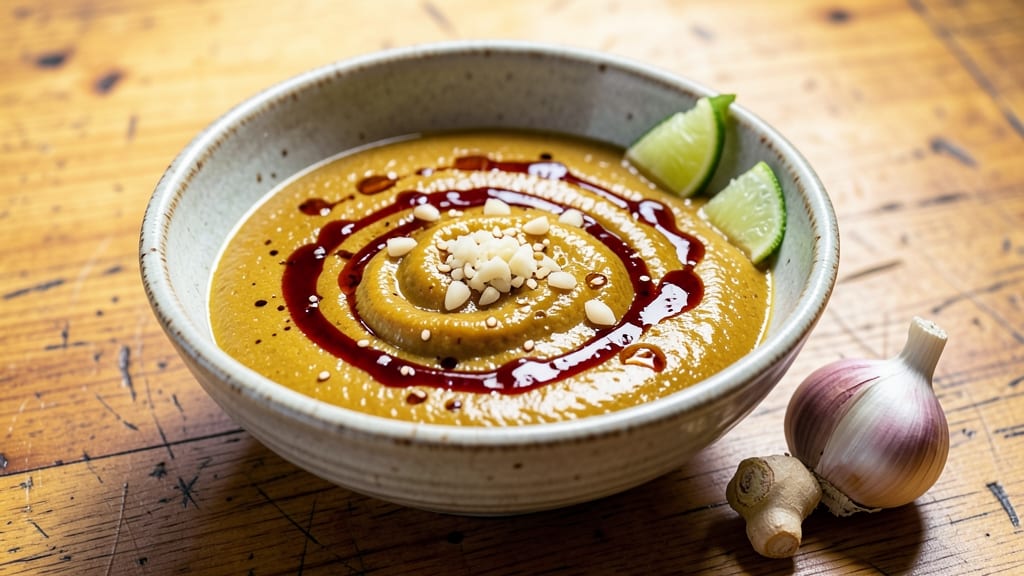
This Asian mustard sauce recipe delivers a bold, tangy-sweet balance perfect for dipping, glazing, or stir-frying. The combination of yellow mustard, rice vinegar, and soy sauce creates a complex umami profile that elevates dumplings, wings, and even sandwiches.
I developed this sauce after craving that signature tangy kick found in many Asian street foods—except this version is easier to make at home.
The secret lies in toasting the sesame oil first—this adds nutty depth without overpowering the mustard’s sharpness. Garlic and ginger provide aromatic warmth, while a touch of honey or sugar balances the acidity for a smooth, cohesive flavor.
What makes this sauce special is its versatility: use it as a dip for spring rolls, a glaze for grilled meats, or a marinade for tofu.
Once mixed, this sauce keeps in the fridge for up to two weeks, making it a pantry staple. The texture is smooth yet clingy, clinging perfectly to crispy edges and tender bites.
Whether you’re serving takeout-style favorites or elevating a simple weeknight meal, this sauce transforms ordinary dishes into something extraordinary.
Ready in just 10 minutes, it’s the perfect quick sauce to keep on hand. Let’s make it—your taste buds will thank you.
Ingredients for asian mustard sauce
Nine ingredients transform into a versatile sauce that brings bold umami and tangy sweetness to any dish.
| Ingredient | Amount | Notes |
|---|---|---|
| Yellow Mustard 🥬 | ½ cup | High-quality, smooth variety preferred |
| Rice Vinegar 🍶 | ¼ cup | Seasoned or unseasoned works |
| Soy Sauce 🍶 | ¼ cup | Light or dark preferred |
| Sesame Oil 🫒 | 1 tbsp | Toasted for nutty aroma (don't skip) |
| Garlic Cloves 🧄 | 3 cloves | Minced finely for smooth texture |
| Fresh Ginger 🌿 | 1 tbsp | Grated, not powdered |
| Honey 🍯 | 2 tbsp | Or substitute maple syrup |
| Sesame Seeds 🌰 | 1 tbsp | Toasted for garnish and crunch |
| Water 💧 | ¼ cup | Adjust for desired consistency |
| Salt 🧂 | ½ tsp | Diamond Crystal preferred |
The mustard is the foundation here, so grab a good-quality brand—French's or Hellmann's work perfectly. Rice vinegar adds that signature tang, but if you've only got apple cider vinegar, it'll still work (just add a pinch more honey). For the sesame oil, Kadoya or La Choy are my go-tos—they've got that deep, toasty flavor. Fresh ginger and garlic are non-negotiable for the aromatic punch, but if you're in a bind, powdered ginger at half the amount will get you close. Toast your sesame seeds in a dry pan for 30 seconds—they'll add crunch and depth.
No honey? Maple syrup or agave nectar work beautifully, though honey gives that subtle floral note. Short on soy sauce? Coconut aminos is a great soy-free alternative. The water is key for adjusting consistency—start with 1/4 cup, then thin more if needed. For extra umami, add a dash of fish sauce (if not vegan) or a pinch of MSG. If you're feeling adventurous, swap half the yellow mustard for Dijon mustard—it'll add a sophisticated depth. Store-bought sesame oil can taste bitter if old, so check the expiration date—it should smell nutty, not rancid.
This sauce keeps beautifully—two weeks in the fridge, sealed in a jar. I like to make a double batch and keep one in the freezer for those nights when I'm craving takeout flavors. For serving, drizzle over hot wings, toss with spring rolls, or use as a marinade for tofu. The texture should be smooth yet clingy—if it's too thick, add a splash more water. If it separates, just give it a quick whisk before using. Garnish with those toasted sesame seeds right before serving—they add a satisfying crunch that takes it to the next level.
Why You'll Love This Recipe
- Five-Ingredient Magic: This sauce comes together with stuff you already have. No fancy shopping—just mustard, vinegar, soy sauce, sesame oil, and garlic. That’s it. I’ve made it after forgetting to buy half the ingredients for other recipes, and it still works.
- Umami-Packed Punch: The garlic hits first—sharp and bright—then the soy sauce deepens it into something rich. A splash of rice vinegar cuts through while the sesame oil adds that nutty warmth. It’s the kind of flavor that makes you pause mid-bite, like a secret handshake for your taste buds.
- Dresses Up Anything: Drizzle it over grilled chicken or noodles, toss it with cold soba, or use it as a dipping sauce for spring rolls. Even my picky teenager asked for seconds when I served it with fries. Honestly, I’ve lost count of how many ways I’ve repurposed it.
- Budget-Friendly Staple: A single jar of mustard and a bottle of rice vinegar stretch across multiple batches. The garlic? A few cloves go a long way. I’ve made enough sauce for a week’s worth of meals and still had leftovers—no waste, just flavor. My wallet thanks me every time.
Step-by-Step instructions for bold Asian mustard sauce
This vibrant sauce balances tangy, sweet, and umami flavors perfectly—let's make it together.
Finely Mince Garlic and Ginger
Use a sharp knife to mince the 3 cloves garlic cloves into a fine paste—this ensures smooth texture without grainy bits. I like to press the garlic against the cutting board while slicing to maximize surface area. Next, grate the 1 tablespoon fresh ginger using a microplane or fine grater. The goal is a smooth, almost liquid consistency that dissolves completely when cooked.
Fresh ginger adds depth that powder can't match, and minced garlic prevents those distracting chunks in the finished sauce. If you're using a food processor, pulse briefly—just until finely chopped, not puréed. Set these aside in a small bowl until ready to use.
Combine Wet Ingredients in a Saucepan
In a medium saucepan, whisk together the 0.5 cup yellow mustard, 0.25 cup rice vinegar, and 0.25 cup soy sauce. I prefer to use a wooden spoon for this—it helps scrape up any mustard clinging to the sides. Add the 2 tablespoons honey and stir until fully dissolved. The mixture should look smooth and slightly thickened from the mustard.
This is where the flavor foundation forms. The vinegar brightens the mustard's tang, while soy sauce and honey create that signature sweet-savory balance. Don't skip tasting at this stage—adjust seasoning now if needed, but we'll refine it further after cooking.
Bloom the Aromatics and Simmer
Place the saucepan over medium heat and add the minced garlic and ginger. Stir constantly for 1-2 minutes until fragrant—you should smell that pungent garlic aroma and warm ginger notes. Then pour in the 1 tablespoon sesame oil and 0.25 cup water, stirring to combine.
Bring to a gentle simmer, then reduce heat to low. Let it cook uncovered for 5-7 minutes, stirring occasionally, until the mixture reduces slightly and thickens. You're looking for a glossy consistency that coats the back of a spoon. This step develops the sauce's complexity—don't rush it, or you'll miss the depth of flavor.
Season and Toast Sesame Seeds
Remove the saucepan from heat and stir in the 0.5 teaspoon salt. Taste and adjust—you might want to add a splash more rice vinegar for brightness or a touch of honey for sweetness. In a small dry skillet over low heat, toast the 1 tablespoon sesame seeds for 1-2 minutes until golden and fragrant. Watch closely—they burn quickly!
This is where the sauce comes together. The toasted sesame seeds add nutty crunch and aroma that elevates the entire dish. Let them cool slightly before adding to the sauce, or they'll release their oils too quickly. The final sauce should be thick enough to coat the back of a spoon but still pourable.
Cool and Adjust Consistency
Let the sauce cool to room temperature—this allows flavors to meld completely. If it's too thick after cooling, thin with 1 teaspoon water at a time until you reach your desired consistency. For serving, I like it slightly thick so it clings beautifully to dumplings or wings.
Transfer to a clean jar and store in the refrigerator for up to 1 week. The flavors actually improve overnight as everything marries together. When ready to use, give it a quick stir and garnish with the toasted sesame seeds just before serving for maximum crunch and aroma.
Pro Tips For Making Asian Mustard Sauce
- MINCE THE GARLIC: Freshly minced garlic burns faster than you’d think—especially when mixed with sesame oil. Use a knife instead of a press for finer control, and toss the minced garlic into the sauce last, just before serving. That way, you avoid the bitter, overcooked garlic flavor that ruins the whole dish.
- EMULSIFY WITH A WHISK: Stirring this sauce with a fork or spoon? You’re setting yourself up for separation. Grab a whisk and work fast—combine the mustard and vinegar first, then slowly drizzle in the soy sauce and sesame oil while whisking like you’re trying to win a race. The sauce should coat the back of a spoon; if it doesn’t, add a splash of warm water to loosen it up.
- SALT THE MUSTARD: Plain yellow mustard tastes flat in this sauce. Sprinkle a pinch of salt (about ¼ teaspoon) directly into the mustard before mixing—it brightens the flavor and cuts through the sharpness of the vinegar. I learned this the hard way after making a batch that tasted dull and one-dimensional.
- STORE IT DRY: Sesame oil is delicate—heat and moisture turn it rancid fast. After making the sauce, transfer it to a clean, dry jar (no condensation!) and refrigerate. If you’re not using it within 3 days, freeze it in ice cube trays instead of a big container. Thaw only what you need, and toss the rest—no second chances with this stuff.
Creative variations of these flavors
Spicy Kick Variations
For those who love heat, add 1 teaspoon of gochujang or ½ teaspoon of sriracha to the saucepan during Step 3. This Korean chili paste or hot sauce adds a deep, smoky spice that pairs perfectly with the mustard's tang.
If you want even more heat, stir in ½ teaspoon of red pepper flakes while simmering—just be sure to taste as you go. 🌶️
Sweet and Tangy Fusion
Swap out half the honey for 1 tablespoon of hoisin sauce to create a richer, slightly sweeter profile inspired by Chinese street food. The fermented soybean paste adds depth while keeping the sauce clingy and glossy.
For extra brightness, add 1 teaspoon of lime juice at the end—it cuts through the sweetness beautifully.
Creamy Mustard Twist
Blend in 2 tablespoons of tahini or 1 tablespoon of mayo for a creamy, velvety texture that works wonders on fries or sandwiches. This variation is inspired by Korean-style mustard sauces and adds a luxurious mouthfeel.
Balance the richness with an extra ½ teaspoon of rice vinegar to keep the tang sharp.
Umami Bomb Boost
For a deeper savory punch, stir in 1 teaspoon of fish sauce (or ½ teaspoon of soy sauce substitute) during Step 4. This elevates the umami without overpowering the mustard.
If you're vegetarian, use 1 teaspoon of mushroom powder or ½ teaspoon of nutritional yeast for a similar effect. The sauce will taste more complex and satisfying.
Herb-Infused Freshness
Add 1 tablespoon of finely chopped cilantro or Thai basil right before serving for a fresh, herbaceous note. This works especially well with grilled meats or spring rolls.
For a more aromatic twist, infuse the sauce with ½ teaspoon of grated lemongrass while simmering—it adds a citrusy, floral brightness that’s perfect for tropical-inspired dishes.
Nutrition facts
Frequently asked questions
Can I make this sauce without yellow mustard?
Yes! For a milder version, use Dijon mustard (replace 1:1) or even whole-grain mustard for extra texture. If you're avoiding mustard entirely, blend 2 tablespoons of tahini with 1 tablespoon of water to mimic the tangy base. The sauce will have a nuttier profile but still deliver that signature umami-sweet balance.
How long will this sauce keep, and can I freeze it?
The sauce stays fresh in the fridge for 2 weeks when stored in an airtight container. For longer storage, freeze it in ice cube trays (thaw in the fridge) or small jars (up to 3 months). The texture may separate slightly when frozen—just stir or whisk before using. Avoid freezing if you prefer a completely smooth consistency.
What's the best way to use this sauce beyond dipping?
This versatile sauce works as a marinade for tofu, chicken, or shrimp (marinate for 30 minutes max), a glaze for grilled meats, or even a sandwich spread. Try drizzling it over spring rolls, fried rice, or noodle bowls for instant Asian-inspired flavor. For extra richness, mix 1 tablespoon of mayo into the sauce before using.
Why does my sauce taste too sharp or bitter?
Overcooking or using old sesame oil can cause bitterness, while too much vinegar makes it sharp. Balance it by adding 1 teaspoon of honey or ½ teaspoon of sugar to sweeten, or a splash of water to dilute the acidity. For bitterness, reduce the sesame oil to ½ tablespoon next time. Always use fresh ingredients—old garlic or ginger can add unwanted flavors.
Can I make this sauce vegan?
Skip the honey and use maple syrup instead. For umami depth, add 1 teaspoon of mushroom powder or ½ teaspoon of nutritional yeast during Step 4. Ensure your mustard is vegan-certified (most yellow mustards are plant-based, but always check labels). The sauce will still have that perfect tangy-sweet balance without any animal products.