
Sauces & Condiments
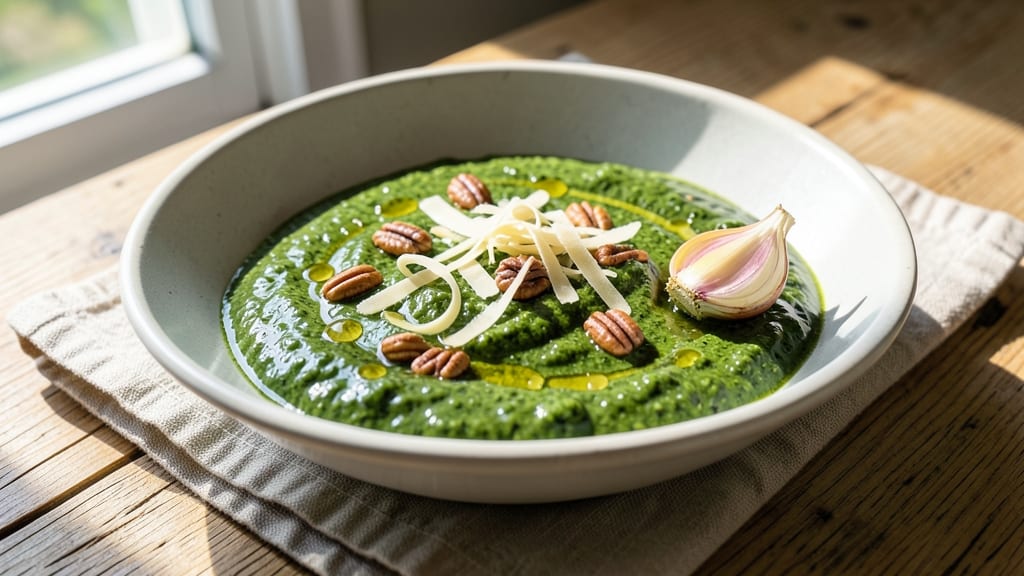
This arugula sauce recipe transforms humble greens into a vibrant, peppery condiment that elevates everything from salads to pasta. The secret lies in balancing fresh arugula's bold flavor with creamy texture—no heavy cream needed.
I developed this version after realizing store-bought dressings couldn't match the bright, herbaceous punch of homemade, and it's become my go-to for adding restaurant-quality depth to meals in just minutes.
The beauty of this sauce is its versatility—it works as a salad dressing, pasta sauce, or even a dip for crusty bread. A simple blend of fresh arugula, garlic, olive oil, and lemon juice creates a velvety base that stays fresh for days.
The key technique is proper emulsification, which ensures the sauce clings to every bite without separating, making it foolproof for both beginners and experienced cooks.
What you'll end up with is a sauce that's bright, peppery, and impossibly fresh, with just the right amount of tang to cut through rich dishes. The texture is silky yet vibrant, thanks to the high-speed blending method that preserves the arugula's signature bite.
This isn't just another green dressing—it's a flavor booster that transforms simple meals into something special.
Perfect for meal prep or last-minute entertaining, this sauce keeps well in the fridge for up to five days, making it ideal for busy weeks. Whether you're dressing a hearty salad, drizzling over grilled fish, or using it as a dip, the possibilities are endless.
Let's make this sauce—your taste buds will thank you.
Ingredients for arugula sauce
Eight ingredients transform bold arugula into restaurant-quality sauce that clings beautifully.
| Ingredient | Amount | Notes |
|---|---|---|
| Fresh Arugula 🌿 | 2 cups | Packed, stems removed |
| Extra-Virgin Olive Oil 🫒 | ¾ cup | High quality, fruity |
| Garlic Cloves 🧄 | 3 cloves | Peeled, roughly chopped |
| Fresh Lemon Juice 🍋 | 2 tbsp | Freshly squeezed |
| Parmesan Cheese 🧀 | ½ cup | Freshly grated, fine |
| Toasted Pine Nuts 🥜 | ¼ cup | Or walnuts for budget |
| Diamond Crystal Kosher Salt 🧂 | ½ tsp | Fine grain preferred |
| Freshly Ground Black Pepper 🌶️ | ¼ tsp | Cracked peppercorns |
| Cold Water 💧 | ¼ cup | For emulsification |
The arugula is non-negotiable—bright green, peppery leaves make all the difference. Local farmers markets often have the freshest, but the grocery store salad bar works too (just skip the wilted edges). For the olive oil, California-based brands like Corto or Lucini deliver that fruity punch, but any extra-virgin will work. Toast your pine nuts in a dry pan for 2-3 minutes until fragrant—they add depth that raw nuts can't match. If you're using walnuts instead, toast them too for that same nutty richness.
No fresh arugula? Baby spinach works in a pinch, though it'll be milder. Short on Parmesan? Pecorino Romano or nutritional yeast (for vegan) both work—just use half the amount. The lemon juice can be bottled, but freshly squeezed always wins. For the emulsification step, if you don't have a blender, a food processor or even a mortar and pestle will work (just add the water gradually). The cold water is key—it helps the sauce cling without breaking.
This sauce keeps beautifully for 5 days in an airtight jar in the fridge. For longer storage, freeze portions in ice cube trays—thaw and whisk with a splash of water to restore texture. The sauce thickens as it chills, so add a little more water if it seems too stiff when reheating. I always make double batches—one for salads, one for pasta. The flavor actually improves after sitting overnight as the arugula's natural oils meld with everything else.
Why You'll Love This Recipe
- Five-Ingredient Magic: I swear by this—no fancy gadgets, just a knife and a bowl. Toss in the arugula, olive oil, garlic, lemon, and Parmesan, then pulse until it’s bright green and tangy. That’s it. Honestly, I’ve made it while waiting for pasta to boil.
- Bright Tang Alert: The lemon juice cuts through the richness of the olive oil and Parmesan, while the garlic adds that sharp, aromatic punch. It’s not just a sauce—it’s a flavor explosion that makes every bite feel like a little celebration.
- Pasta’s New BFF: Drizzle it over al dente spaghetti, toss it with grilled chicken, or slather it on crusty bread. I’ve even used it as a dip for roasted veggies—it’s that versatile. (Yes, even on a Tuesday night.)
- Budget Brightener: Arugula wilts fast, but this sauce uses just a handful, so it stretches further than you’d think. Plus, olive oil and lemon juice are pantry staples that won’t break the bank. My wallet thanks me every time.
Step-by-step instructions for arugula sauce
This vibrant sauce comes together faster than you can say "peppery green magic"—just a few simple steps separate you from restaurant-quality flavor.
Toast the Pine Nuts for Nutty Depth
Heat a dry skillet over medium-low heat and add the 0.25 cup toasted pine nuts. Toast them for 3-4 minutes, stirring constantly, until they're golden brown and fragrant. Watch closely—they burn quickly once they start to color. Remove from heat immediately and let them cool for 2 minutes before transferring to a cutting board.
Here's the thing—properly toasted nuts add a rich, toasty dimension that raw nuts can't match. If you're using walnuts as a budget swap, toast them for 5-6 minutes until they're deeply browned and aromatic. Let them cool completely before proceeding, as warm nuts will release their oils and make the sauce too thin.
Pulse Arugula and Garlic into a Paste
Place the 2 cups fresh arugula (stems removed) and 3 cloves garlic cloves (peeled) in a food processor. Pulse in 3-4 bursts until you achieve a coarse, chunky texture—think pea-sized pieces, not a smooth puree. You want to preserve some texture while still breaking down the tough stems.
This is where the magic happens: the arugula's peppery bite gets released while maintaining enough structure to create a sauce with bite. If your processor struggles, add the 0.5 tsp diamond crystal kosher salt and 0.25 tsp freshly ground black pepper now—they'll help break down the leaves more efficiently. Scrape down the sides with a spatula to ensure even processing.
Emulsify with Olive Oil and Water
With the processor running, slowly drizzle in the 0.75 cup extra-virgin olive oil while scraping down the sides. This gradual addition prevents the oil from separating. Once incorporated, add the 0.25 cup cold water and pulse just until combined—this creates the perfect emulsifying base.
The water might seem counterintuitive, but it's essential for creating a stable emulsion. You'll notice the mixture thicken slightly as the water and oil bind with the arugula. If it looks too thick, add 1 teaspoon more cold water at a time until it reaches a smooth, pourable consistency. The sauce should coat the back of a spoon but still flow easily—this is your target texture.
Finish with Bright Acid and Creamy Cheese
Transfer the arugula mixture to a medium bowl. Add the 0.5 cup parmesan cheese and the 2 tbsp fresh lemon juice, then stir vigorously with a silicone spatula until fully combined. The sauce should take on a vibrant green hue with flecks of cheese throughout. Taste and adjust seasoning—you might need a pinch more salt or pepper to balance the flavors.
Here's where the sauce transforms from good to extraordinary. The lemon juice cuts through the richness of the olive oil, while the parmesan adds a creamy, umami depth. If you're serving this immediately, you can stop here. But for maximum flavor development, let it sit at room temperature for 10-15 minutes—the flavors will meld beautifully during this time.
Fold in Toasted Nuts for Crunch
Gently fold the cooled toasted pine nuts (or walnuts) into the sauce using a rubber spatula. Work in a circular motion to distribute them evenly without crushing them. You want each bite to deliver that perfect contrast of creamy sauce and crunchy nut.
This final step is about texture contrast—each spoonful should offer a satisfying bite against the smooth sauce. If you're using walnuts, their larger size creates more dramatic texture play. For an extra touch, you can finish with a sprinkle of additional freshly ground black pepper right before serving. The sauce will keep in the refrigerator for up to 3 days, though it's best enjoyed within 24 hours for peak freshness.
Pro Tips For Making Arugula Sauce
- SALT THE GARLIC: Toss the minced garlic in a pinch of flaky salt before cooking—it softens the cloves faster and prevents them from burning. I learned this the hard way after charring three batches of arugula sauce because I skipped this step.
- USE COLD PRESSURE: Pack the arugula tightly into a food processor or mortar and pulse without adding oil first—this breaks down the leaves more efficiently. Adding oil too soon just makes it slippery and messy.
- LEMON JUICE LAST: Hold off on the lemon juice until the very end, or the acid will turn your sauce bitter. Add it just as you’re folding in the Parmesan—this keeps the bright, fresh flavor intact.
- GRATE THE PARMESAN: Skip the pre-shredded cheese—it’s coated with anti-caking agents that make the sauce grainy. Use a fine grater and pulse it in the food processor with the arugula for a silky texture. (Yes, it’s extra work, but it’s worth it.)
Make-ahead tips for this recipe
Prep Ahead for Freshness
Make this sauce 24 hours in advance—the flavors actually deepen as the arugula's natural oils meld with the olive oil and lemon. I always prep a batch on Sundays so it's ready for quick weeknight meals.
Store in an airtight glass jar in the fridge, and give it a good stir before using. The texture will thicken slightly, so add 1-2 teaspoons of water when reheating to restore its silky consistency. 💧
Freezer-Friendly Portions
Freeze individual 2-tablespoon portions in ice cube trays for perfect single-serving amounts. Once frozen, transfer cubes to a ziplock freezer bag and flatten to save space. Thaw overnight in the fridge, then whisk with ½ teaspoon of water to restore texture.
This method works especially well for meal prep—just toss a cube into your salad dressing container and let it thaw while you assemble your meal. ❄️
Nut Storage Hack
Toast extra pine nuts or walnuts in bulk and store them in a small airtight container at room temperature for up to 2 weeks. I keep a stash in my pantry specifically for this sauce—just fold in a handful whenever I make a fresh batch.
For even longer storage, freeze the nuts in a cooled dry container for up to 3 months. Toast directly from frozen in a dry skillet for 2-3 minutes—they'll crisp up beautifully. 🥜
Sauce Stabilization Trick
If your sauce separates after refrigeration, don't worry—it's easily fixable. Simply whisk in 1 teaspoon of cold water at a time until smooth. For extra insurance, blend in ½ teaspoon of Dijon mustard (it acts as a natural emulsifier).
I've found this trick works especially well when using store-bought arugula that might be slightly wilted. The mustard also adds a subtle depth that complements the peppery arugula perfectly. 💡
Double-Batch Strategy
Make a double batch and divide it between two containers—I use one for salads and the other for pasta. The sauce keeps its vibrant color and fresh taste for 5 days when stored properly.
Label your containers with the date to track freshness. I like to use amber glass jars because they protect the sauce from light, which can cause oxidation and dull the flavors over time. 🌿
Last-Minute Brightening
If your sauce tastes slightly flat after refrigeration, revive it by whisking in ½ teaspoon of fresh lemon juice and a pinch of flaky sea salt. The acidity cuts through any dullness, and the salt enhances all the flavors.
I also like to finish with a sprinkle of freshly cracked black pepper right before serving—it adds a final peppery punch that makes the sauce feel fresh again. ✨
Nutrition facts
Frequently asked questions
Can I make this sauce without nuts?
Skip the pine nuts or walnuts entirely, or substitute with toasted sunflower seeds for a seed-based crunch. The sauce will still be rich and flavorful—just omit the final folding step. For extra depth, add 1 teaspoon of tahini instead, which adds a nutty flavor without nuts.
How do I adjust the thickness of this sauce?
Start with the recipe as written, then thin with 1 teaspoon cold water at a time if needed. For thicker sauce, blend in 1 tablespoon of grated Parmesan or add 1 teaspoon of cornstarch slurry (mix cornstarch with water). The key is gradual adjustments—always blend after each addition to maintain smoothness.
What's the best way to store leftover sauce?
Transfer to an airtight glass jar and refrigerate for up to 5 days. For longer storage, freeze in 2-tablespoon portions using ice cube trays. Thaw overnight in the fridge, then whisk with ½ teaspoon water to restore texture. Amber glass jars protect against light oxidation for best flavor preservation.
Can I use this sauce on hot dishes like pasta?
Yes! This sauce holds up beautifully when gently warmed. Simmer pasta in salted water, then toss with sauce while still hot. For extra richness, reserve ½ cup pasta water to thin the sauce if needed. Avoid boiling the sauce—just heat it through on low for 1-2 minutes to maintain its vibrant color.
Why does my sauce turn brown after refrigeration?
This happens when arugula's natural enzymes react with oxygen. To prevent it, store in an airtight container with 1 teaspoon lemon juice on top. If it happens, simply whisk in ½ teaspoon fresh lemon juice when ready to use—the acidity will restore the green color. For best results, use within 3 days of making.