
Sauces & Condiments
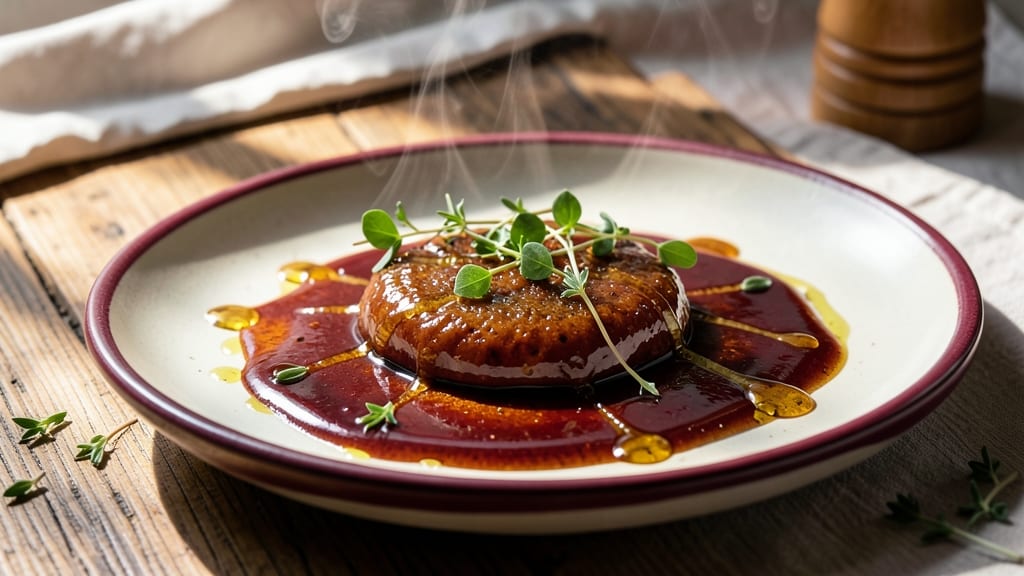
This balsamic vinegar reduction sauce transforms simple ingredients into a glossy, caramelized masterpiece that elevates every dish. The process is straightforward yet transformative—just simmer vinegar, sugar, and a touch of water until it thickens into a deep, velvety sauce with layers of sweet-tart complexity.
I first discovered this technique while experimenting with salad dressings, and it quickly became my go-to for adding depth to everything from grilled meats to fresh cheeses.
The magic happens during the 15-minute reduction, where the vinegar's acidity mellows into a rich, syrupy consistency. A pinch of salt and optional herbs like thyme or rosemary add subtle layers of flavor, while a small amount of honey or brown sugar enhances the caramelization.
This sauce isn’t just a condiment—it’s a versatile finishing touch that turns ordinary meals into something extraordinary.
What you’ll end up with is a glossy, amber-colored sauce that drizzles effortlessly over caprese salads, grilled chicken, or even a simple charcuterie board. The balance of sweet and tangy flavors makes it irresistible, and the process is foolproof—no special skills required.
Once you try this, store-bought balsamic glaze won’t compare.
Store the finished sauce in an airtight container in the refrigerator for up to 2 weeks, or freeze for longer storage. The flavors only deepen over time, making it perfect for meal prep. Ready to elevate your dishes with this restaurant-quality sauce? Let’s get started.
Ingredients for balsamic vinegar reduction sauce
Seven simple ingredients transform into a restaurant-quality sauce that drizzles magic onto any dish.
| Ingredient | Amount | Notes |
|---|---|---|
| Balsamic Vinegar 🍷 | 1 cup | High-quality aged variety preferred |
| Granulated Sugar 🍚 | ½ cup | White or light brown preferred |
| Water 💧 | ¼ cup | Room temperature preferred |
| Fresh Thyme Leaves 🌿 | 1 tbsp | Or 1 tsp dried thyme |
| Sea Salt 🧂 | ½ tsp | Fine grain preferred |
| Extra-Virgin Olive Oil 🫒 | 1 tbsp | For finishing drizzle |
| Honey 🍯 | 1 tbsp | Optional for extra sweetness |
| Fresh Rosemary Sprigs 🌿 | 1 whole | Optional aromatic touch |
The balsamic vinegar is the star—aged, dark balsamic from Italian markets or Trader Joe's gives the deepest flavor. I always grab a 250ml bottle for this recipe, as it's the perfect balance of affordability and quality. If you can only find white balsamic, don't stress—it'll still work, but the color won't be as rich. The sugar is non-negotiable for caramelization, but light brown sugar adds subtle molasses notes that elevate the sauce. Fresh thyme and rosemary? Grow your own or grab from the grocery store's herb section—they're fresher than dried and make a noticeable difference.
No aged balsamic? White balsamic plus 1 tsp maple syrup gets you close, though the color won't be as dramatic. Running low on sugar? Brown sugar or even agave nectar works in a pinch. The honey is totally optional, but if you love it sweet, add it at the end. Fresh herbs wilt fast, so store them in a damp paper towel in the fridge for up to 5 days. The olive oil should be extra-virgin—cheap oil will taste harsh in the finished sauce. And if you're wondering about salt, Diamond Crystal kosher salt dissolves beautifully, but any fine sea salt works.
This sauce keeps beautifully—2 weeks in the fridge in an airtight container, or 6 months frozen. I always make a double batch because it disappears fast. The flavors actually improve over time, so it's perfect for meal prep. For serving, I like to pour it into a small glass bottle with a spout—it makes drizzling effortless. And if you accidentally make too much? Freeze it in 1-tbsp portions for perfect single-use servings later.
Why You'll Love This Recipe
- Five-Ingredient Magic: I swear by this—just vinegar, sugar, thyme, salt, and water. No fancy gadgets, no stress, just simmering while I sip coffee and scroll through my phone. That’s how effortless it gets.
- Sweet-Savory Balance: The sugar caramelizes into something rich and glossy, while the thyme adds a bright, earthy punch. Drizzle it over grilled chicken or roasted veggies—suddenly, everything tastes like a restaurant dish.
- Pantry Staple Powerhouse: Honestly, I make this when I’m low on ideas or short on time. A splash in pasta, a glaze for roasted potatoes, or even a drizzle over yogurt—it’s my go-to for turning simple meals into something special.
- Lasts All Week: Between us, this sauce keeps in the fridge for days without losing its shine. I’ll make a big batch on Sunday, then use it all week—no waste, no last-minute panic. Plus, it’s cheap enough that I don’t feel guilty doubling the recipe.
Step-by-step instructions for balsamic vinegar reduction sauce
Transform simple ingredients into a velvety, caramelized masterpiece with this foolproof method.
Combine Ingredients in a Saucepan
Place the 1 cup balsamic vinegar, 0.5 cup granulated sugar, and 0.25 cup water in a medium saucepan. I like to use a heavy-bottomed pan for even heat distribution—this prevents scorching as the sugar caramelizes. Add the 1 whole fresh rosemary sprig (remove after cooking) and bring the mixture to a gentle boil over medium-high heat.
Watch for the first bubble to form at the bottom—this signals the liquid is hot enough. Once boiling, reduce the heat to medium-low immediately. The goal is to maintain a steady simmer, not a rolling boil, which could cause the sugar to crystallize instead of dissolving smoothly.
Simmer Until Thickened
Let the mixture simmer uncovered for 10-12 minutes, stirring occasionally with a wooden spoon. You're looking for the sauce to reduce by about half—it should thicken noticeably and take on a syrupy consistency. The color will deepen from amber to a rich, almost mahogany hue.
Here's where patience pays off: resist the urge to stir constantly. Letting the sauce work on its own creates those beautiful caramelized pockets of flavor. If you notice small sugar crystals forming on the sides, gently swirl the pan to redistribute the liquid—this dissolves them back into the sauce.
Add Aromatics and Season
Once the sauce has reduced and thickened, remove the rosemary sprig. Add the 1 tbsp fresh thyme leaves, 0.5 tsp sea salt, and 1 tbsp honey (if using). Stir gently to combine, being careful not to create bubbles that could cause the sauce to splatter. Simmer for another 2-3 minutes to allow the thyme to infuse its earthy aroma and the honey to meld with the balsamic.
The thyme should release its fragrance almost immediately—you'll notice a fresh, slightly floral note that complements the deep balsamic flavor. Taste the sauce and adjust the salt if needed; the honey adds subtle sweetness that balances the vinegar's acidity perfectly. This is your chance to fine-tune the flavor before the final step.
Finish with Olive Oil
Remove the sauce from heat and let it cool slightly for 2 minutes. This brief rest prevents the sauce from continuing to reduce as you add the finishing touch. Stir in the 1 tbsp extra-virgin olive oil—this not only adds richness but also creates a silky texture that coats proteins beautifully.
The oil should blend seamlessly into the sauce, creating a glossy sheen that's irresistible. If you're using this sauce for drizzling, let it cool completely before serving. For immediate use, like drizzling over warm pasta or grilled meats, the slight warmth enhances the flavors even more. The sauce should be thick enough to coat the back of a spoon but still flow freely when drizzled.
Pro Tips For Making Balsamic Vinegar Reduction Sauce
- Start with a splash of water: I learned this the hard way—skipping the water makes the sugar burn before it dissolves. Add 1/4 cup upfront, stir like you mean it, then let it simmer until the water’s gone. Your sauce won’t seize up mid-reduction.
- Use aged balsamic, not cheap: That $2 bottle from the clearance aisle? It’ll taste like vinegar and regret. Aged balsamic (look for "traditional" or "extra aged") has natural depth—it’s worth the splurge for a sauce that doesn’t taste like a science experiment.
- Simmer low and slow: High heat = bitter, burnt edges. Once the sugar dissolves, drop the heat to medium-low and let it bubble gently. If it’s racing, you’re doing it wrong—this sauce needs patience, not a rush.
- Strain the thyme, save the magic: Tossing whole thyme sprigs in is fine, but if you want real flavor, bruise the leaves first (lightly crush with a spoon) and strain them out at the end. Fresh thyme’s oils are potent—you don’t need the texture, just the aroma.
Perfect pairings for this recipe
Salad Elevations
This sauce transforms simple salads into gourmet masterpieces. Drizzle over a classic Caprese salad with fresh mozzarella, tomatoes, and basil for a restaurant-worthy dish. I also love it on arugula salads with shaved Parmesan and toasted pine nuts—the sweet-tart balance cuts through the peppery greens beautifully.
For a heartier option, add it to grain bowls with quinoa, roasted vegetables, and grilled chicken. 🥗
Meat Pairings
Grilled meats become irresistible with this sauce. Brush onto grilled chicken breasts or pork chops during the last 2 minutes of cooking for a glossy finish. It also pairs perfectly with steak—drizzle over medium-rare cuts or use as a marinade for flank steak.
For a quick weeknight meal, toss sliced roast beef with the sauce and serve on crusty bread. The caramelized sweetness complements savory proteins beautifully.
Cheese Boards
Cheese boards get an instant upgrade with this sauce. Pair it with creamy burrata, aged Gouda, and provolone for a sweet-savory contrast. I often include cured meats like prosciutto or salami to balance the richness.
For a festive touch, add fresh figs or pears—their natural sweetness enhances the balsamic flavors. Serve the sauce in a small glass cruet for elegant drizzling at the table.
Pasta Finishes
Add depth to any pasta dish with just a few drizzles. Toss with fettuccine Alfredo or linguine with clams to cut through the richness. For a vegetarian option, pair it with pasta alla norma (eggplant and tomato sauce).
I also love it on cold pasta salads—the sauce clings beautifully to chilled noodles. A 1-tablespoon drizzle per serving is perfect for balancing flavors without overpowering.
Vegetable Glazes
Roasted or grilled vegetables become showstoppers with this sauce. Drizzle over caramelized Brussels sprouts, grilled asparagus, or roasted eggplant. For extra flavor, brush onto portobello mushrooms before grilling.
The sauce also works as a glaze for sweet potatoes—toss them with olive oil, roast, then finish with the reduction. The sweet-tart contrast makes vegetables irresistible. 🌱
Breakfast Upgrades
Start your day with a gourmet touch. Drizzle over avocado toast with chili flakes and feta for a sweet-spicy kick. It also enhances ricotta pancakes or French toast—just a few drops add depth.
For a savory breakfast, pair it with poached eggs on sourdough. The sauce's complexity elevates simple morning meals into something special. Trust me, your brunch game will never be the same. 🍳
Nutrition facts
Frequently asked questions
Can I substitute white balsamic vinegar for the aged variety?
Yes, but expect a lighter color and slightly less depth of flavor. For best results, add 1 teaspoon maple syrup or honey to 1 cup white balsamic vinegar before reducing. The reduction process will still work, though the final sauce may have a more golden hue than the deep mahogany color from aged balsamic.
How do I prevent sugar crystals from forming during reduction?
Sugar crystals (called "sugar bloom") happen when the mixture cools too quickly or isn't stirred gently. To avoid this, keep the heat at a steady medium-low simmer and stir occasionally with a wooden spoon. If you see crystals forming on the sides, gently swirl the pan to redistribute the liquid—this dissolves them back into the sauce.
Can I make this sauce without sugar?
Technically yes, but the sauce won't caramelize properly, resulting in a thinner, more vinegary consistency. For a sugar-free version, use 1 cup balsamic vinegar + 2 tablespoons date syrup or agave nectar—this adds sweetness while allowing some caramelization. The texture will be lighter, but the sweet-tart balance will still shine.
Why did my sauce turn out too thin?
This usually happens if the sauce wasn't simmered long enough or if too much liquid was added. For a thicker consistency, simmer uncovered for 15-20 minutes (instead of 10-12) and reduce the water to 1/4 cup or less. If it's still too thin, transfer to a small saucepan and simmer uncovered for another 5-10 minutes to evaporate excess moisture.
How can I use this sauce in cooking beyond drizzling?
This versatile sauce works as a marinade, glaze, or finishing touch! Use it to baste grilled meats during the last 5 minutes of cooking, or toss it with roasted vegetables before serving. For a quick marinade, mix 1/4 cup sauce + 1 tablespoon olive oil and let proteins soak for 15-30 minutes before cooking.