
Sauces & Condiments
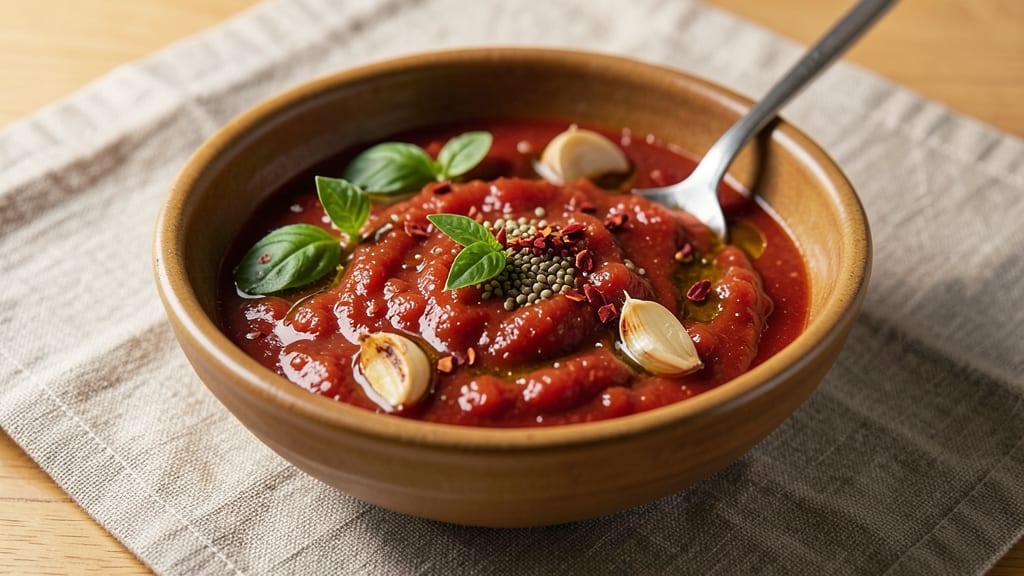
Arabiata sauce transforms simple dishes into bold, aromatic masterpieces—just minutes of simmering unlocks layers of smoky chili, bright tomatoes, and fragrant herbs that cling to pasta, proteins, and more. The secret lies in balancing heat and acidity: toasted spices (like chili and coriander) build depth, while crushed tomatoes and garlic create a velvety base that’s both traditional and versatile.
This sauce delivers restaurant-quality flavor without requiring specialty ingredients—just pantry staples and a 15-minute active prep time. The key technique? Cooking the spices in oil until fragrant before adding tomatoes, which prevents bitterness and maximizes their natural sweetness.
A splash of vinegar at the end brightens the acidity, cutting through the richness.
Perfect for tossing with al dente pasta, drizzling over grilled chicken, or using as a marinade, this sauce adapts effortlessly to your menu. The texture stays smooth yet clingy, ensuring every bite delivers that signature smoky-spicy-tangy harmony. Once you taste the difference, store-bought versions won’t stand a chance.
For extra depth, finish with a pinch of sugar or a swirl of cream—though purists will swear by the sauce as-is. Let’s build this flavor bomb step by step.
Ingredients for arabiata sauce
Pantry staples and aromatic spices combine to create this restaurant-worthy Arabiata sauce.
| Ingredient | Amount | Notes |
|---|---|---|
| Extra-Virgin Olive Oil 🫒 | ½ cup | High-quality, fruity variety preferred |
| Crushed Tomatoes 🍅 | 2 cups | San Marzano preferred for sweetness |
| Garlic Cloves 🧄 | 4 cloves | Freshly minced for maximum aroma |
| Dried Chili Flakes 🌶️ | 1 tbsp | Adjust for desired heat intensity |
| Ground Coriander 🌿 | 1 tbsp | Toasted for enhanced depth |
| Ground Cumin 🌿 | ½ tbsp | Freshly toasted for optimal flavor |
| White Wine Vinegar 🍶 | 1 tbsp | Brightens and balances acidity |
| Granulated Sugar 🍚 | ½ tsp | Balances acidity and enhances sweetness |
| Fresh Basil Leaves 🌿 | ¼ cup | Chopped for fresh aromatic finish |
| Salt 🧂 | 1 tsp | Diamond Crystal preferred for purity |
The quality of your olive oil and tomatoes forms the foundation of this sauce. San Marzano crushed tomatoes deliver superior sweetness and texture, while extra-virgin olive oil with fruity notes elevates the sauce's complexity. For the spices, Penzeys or Spicewalla offer premium options, but toasted ground coriander and cumin from your local grocery's bulk section work beautifully. Fresh garlic is non-negotiable—its aroma develops fully during the initial toasting phase. The vinegar selection matters less, but white wine vinegar provides the brightest acidity to cut through the richness.
No San Marzano tomatoes? High-quality canned crushed tomatoes from Muir Glen are a solid alternative. Short on fresh basil? Dried basil at one-third the amount works in a pinch, though fresh delivers that signature aromatic finish. For heat adjustment, red pepper flakes can replace chili flakes at a 1:1 ratio. The sugar can be omitted entirely if you prefer a sharper sauce, though it helps balance the acidity beautifully. If you lack white wine vinegar, apple cider vinegar provides a slightly sweeter alternative that still delivers the necessary tang.
This sauce maintains peak quality for 5-7 days when refrigerated in an airtight container. For longer storage, freeze in ice cube trays—thaw as needed for portion control. The sauce develops deeper flavor overnight, so making it ahead is ideal. When reheating, add a splash of water to prevent thickening. For best results, use within 3 months of freezing. The sauce's versatility means it freezes exceptionally well, making it perfect for meal prep or gifting.
Why You'll Love This Recipe
- Five-Ingredient Magic: I swear by this sauce because it’s all about the basics—just olive oil, tomatoes, garlic, chili flakes, and coriander. No fancy prep, no hidden pantry raids. Honestly, I’ve made it while scrolling through emails, and it still tastes like I spent hours.
- Garlic-Chili Kiss: That moment when the garlic sizzles in the oil and the chili flakes bloom—it’s pure flavor payoff. The crushed tomatoes soften just enough to soak up the spice, while the coriander adds this bright, citrusy lift that makes it ridiculously good with pasta, eggs, or even toast.
- Weeknight & Weekend: Between us, this sauce is my go-to for both lazy Tuesdays and impressing guests. Dump it on grilled chicken for a quick dinner, drizzle it over roasted veggies for a fancy-ish side, or toss it into a grain bowl for a meal-prep win. It’s that adaptable.
- Budget-Friendly Staple: A single jar of crushed tomatoes and a few spices stretch across multiple meals—no waste, no guilt. I’ve had this sauce last me a full week, and it only gets better as the flavors meld. Plus, olive oil and garlic are cheap enough that I’m not sweating the cost.
Step-by-step instructions for Arabiata sauce
This method delivers a balanced, aromatic sauce with deep spice notes and vibrant acidity every time.
Toast the Spices for Maximum Depth
Heat the 0.5 cup extra-virgin olive oil in a medium saucepan over medium-low heat. Add the 1 tablespoon ground coriander and 0.5 tablespoon ground cumin, stirring constantly for 1-2 minutes until the spices release their aroma and become fragrant. You'll notice the oil shimmering slightly—this indicates proper heat without burning.
Immediately add the 1 tablespoon dried chili flakes and continue stirring for another 30 seconds. The spices should be warm but not darkening—this prevents bitterness. Remove from heat and set aside. Toasting the spices this way unlocks their essential oils, creating the aromatic foundation of your sauce. If you prefer more heat, add an extra 0.5 tablespoon chili flakes now.
Sauté the Garlic and Build the Base
Return the pan to medium heat and add the 4 minced garlic cloves. Cook for 30-45 seconds until the garlic becomes translucent and fragrant—never let it brown or it will turn bitter. This quick cooking preserves the garlic's sweetness while developing its flavor.
Pour in the 2 cups crushed tomatoes and stir to combine. Add the 1 tablespoon white wine vinegar and 0.5 teaspoon granulated sugar, then bring to a gentle simmer. The vinegar brightens the tomatoes while the sugar balances their natural acidity. Let the mixture cook uncovered for 8-10 minutes, stirring occasionally, until it thickens slightly and the raw tomato flavor mellows.
Season and Refine the Sauce
Reduce heat to low and stir in the 1 teaspoon salt. Taste the sauce and adjust seasoning—you may need more salt or sugar depending on your tomatoes' acidity. The sauce should be balanced with a subtle sweetness, tangy brightness, and underlying spice. If it's too thick, add 1-2 tablespoons water to reach your desired consistency.
Remove from heat and stir in the 0.25 cup chopped fresh basil leaves. The basil adds freshness that cuts through the richness of the spices. Let the sauce sit for 5 minutes to allow the flavors to meld completely. The basil will soften slightly but retain its vibrant aroma. For maximum flavor, use basil that's just picked or very fresh from the market.
Pro Tips For Making Arabiata Sauce
- Sweat the Garlic Low: I learned this the hard way—crispy garlic cloves ruin the sauce faster than you can say "burnt flavor." Once the oil shimmers, drop in the garlic and keep the heat at a gentle simmer (not sizzle) until it’s just golden, not brown. This takes about 3-4 minutes—no rushing, even if you’re impatient like me.
- Blend Tomatoes Rough: Skip the ultra-smooth purée unless you’re aiming for a restaurant-style finish. A quick pulse in the blender leaves tiny texture bits that add body to the sauce. I used to strain everything, but the sauce lacked depth until I started leaving it slightly chunky—just enough to catch on your fork.
- Toast the Coriander First: Ground coriander loses its punch when cooked raw. Before adding it to the sauce, toast it in a dry pan for 30 seconds until fragrant—it’ll deepen that earthy, citrusy note. (Yes, even if you’re making this in a rush, it’s worth the minute.)
- Simmer Uncovered: Let the sauce bubble away uncovered for the last 10 minutes. This drives off excess moisture and concentrates the flavors—no thinning it out later. I used to cover it, and the sauce always ended up watery. Now it’s rich, balanced, and clings to pasta like it’s supposed to.
Pro cooking tips for this dish
Spice Toasting Mastery
Toast your spices over medium-low heat for just 1-2 minutes—any longer risks burning and bitterness. I use a slotted spoon to stir constantly, keeping spices moving through the oil. For even deeper flavor, pulse ground coriander and cumin in a spice grinder right before toasting to maximize freshness. 🌶️
Garlic Timing Tricks
Garlic should be translucent but never golden—this takes exactly 30-45 seconds on medium heat. Overcooking turns it bitter, so keep a close eye. Pro tip: Smash the garlic cloves with the flat side of your knife before mincing to release more flavor during cooking.
Tomato Acid Balance
The white wine vinegar and sugar work together to balance your sauce—think of them as flavor editors. If your tomatoes taste overly tart, add ½ teaspoon extra sugar.
For smoky depth, simmer the sauce uncovered for the full 8-10 minutes to let moisture evaporate naturally. A splash of water later can adjust thickness without diluting flavor.
Basil Integration
Add fresh basil off the heat to preserve its vibrant color and aroma. If using dried basil, reduce to ¼ cup and stir it in during the final 2 minutes of simmering.
For a restaurant-quality finish, I pulse 1 tablespoon basil with 1 tablespoon olive oil in a mini food processor, then drizzle it over the sauce at the end.
Heat Adjustment Hacks
Want more heat? Add ½ teaspoon red pepper flakes with the chili flakes at the start. For smoky depth without extra heat, char ½ teaspoon smoked paprika in the oil alongside the spices. Always taste as you go—adjust gradually to avoid overpowering the sauce.
Sauce Consistency Secrets
If your sauce thickens too much, never add cold water—it creates a skin. Instead, stir in 1 tablespoon warm water while simmering. For a silkier texture, blend ½ cup sauce with ¼ cup water in an immersion blender, then return it to the pan.
The key is low-and-slow simmering—rushing it leads to separation.
Nutrition facts
Frequently asked questions
What's the difference between Arabiata and Arrabbiata sauces?
Arabiata sauce is a spicier, more aromatic variation of classic Arrabbiata. While both use chili peppers and tomatoes, Arabiata incorporates toasted coriander and cumin for earthy depth, plus vinegar for brightness. Arrabbiata focuses on raw garlic and chili heat, while Arabiata adds those warm spices and a touch of sweetness to balance the acidity. Think of it as Arrabbiata's sophisticated cousin!
Can I make this sauce without fresh basil?
Use ¼ cup dried basil instead, but add it during the final 2 minutes of simmering. For extra flavor, toast the dried basil in the oil with the spices for 30 seconds first. The fresh basil's vibrant aroma is ideal, but dried works perfectly in a pinch—just expect slightly less brightness.
How do I adjust the heat level in this sauce?
Start by using ½ teaspoon red pepper flakes with the chili flakes for extra heat. For smoky depth without spice, add ½ teaspoon smoked paprika when toasting spices. Always taste as you go—you can reduce heat by adding 1 tablespoon water to dilute the intensity. The sauce's acidity from vinegar helps balance any extra spice.
Can I use this sauce on dishes other than pasta?
This versatile sauce works beautifully beyond pasta! Drizzle it over grilled chicken or fish, use it as a marinade for steak or shrimp, or spread it on garlic bread. The balanced flavors pair well with proteins and bread, making it perfect for dipping or as a topping. For extra richness, stir in 1 tablespoon heavy cream at the end.
Why did my sauce turn bitter?
Bitter flavors usually come from overcooking the garlic (let it brown) or burning the spices. Keep spices moving constantly over medium-low heat for just 1-2 minutes, and remove garlic when it's translucent but not golden. If bitterness happens, balance it with ½ teaspoon sugar or a splash of white wine vinegar to brighten the sauce. Prevention is key—watch your heat closely!