
Sauces & Condiments
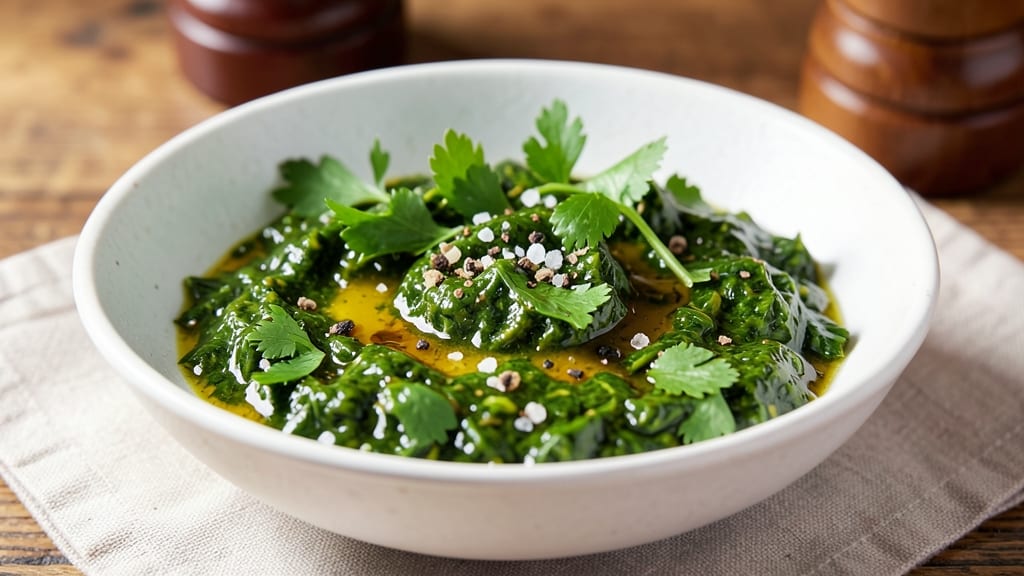
This Applebee's chimichurri sauce recipe delivers the same vibrant, herb-packed brightness you love on their grilled meats—perfect for elevating any dish at home.
The secret lies in fresh parsley, garlic, and a touch of red wine vinegar, all blended with olive oil to create a sauce that's equal parts tangy and aromatic. I've simplified the classic chimichurri while keeping its signature bold flavor profile that pairs beautifully with steak, chicken, or even fish.
What makes this sauce stand out is its balance of fresh herbs and acidity, which cuts through rich meats without overpowering them. The recipe uses simple pantry staples—no specialty ingredients required—and comes together in just 10 minutes with minimal effort.
Unlike traditional chimichurri, this version is designed to be slightly thicker, making it ideal for dipping, drizzling, or tossing directly onto grilled proteins.
With this recipe, you'll get about 1 cup of sauce—enough to serve 4 as a condiment or 2 as a marinade. The flavors develop beautifully over time, so it's perfect for making ahead and storing in the fridge for up to 5 days.
The bright green color and fresh aroma alone will make your kitchen smell like a high-end restaurant, while the taste delivers that same restaurant-quality tang you crave.
The beauty of this chimichurri is its versatility—use it as a marinade for 30 minutes before grilling, as a finishing sauce for tacos or bowls, or even as a vibrant dip for crusty bread.
The recipe scales easily, so double it if you're entertaining. Here's everything you need to make it at home!
Ingredients for applebee's chimichurri sauce
Fresh parsley and garlic meet tangy vinegar and rich olive oil for this vibrant Applebee's-inspired chimichurri.
| Ingredient | Amount | Notes |
|---|---|---|
| Fresh Flat-Leaf Parsley 🌿 | 1 ½ cups | Stems removed, tightly packed |
| Garlic Cloves 🧄 | 6 cloves | Fresh, peeled, rough chopped |
| Red Wine Vinegar 🍷 | ⅓ cup | Bottled, aged variety |
| Extra-Virgin Olive Oil 🫒 | ¾ cup | High-quality, fruity |
| Kosher Salt 🧂 | 1 ½ tsp | Diamond Crystal preferred |
| Ground Black Pepper 🌶️ | ½ tsp | Freshly ground preferred |
| Red Chili Flakes 🌶️ | ¼ tsp | Optional, for subtle heat |
| Fresh Lemon Juice 🍋 | 1 tbsp | Freshly squeezed |
The parsley is non-negotiable—bright green, fresh leaves make all the difference. Farmers markets have the best quality, but the grocery store's plastic containers work in a pinch. For garlic, six fresh cloves give you that bold, aromatic punch—don't skip the peeling. The olive oil should be extra-virgin, not the cheap stuff. Trader Joe's or Whole Foods carry great options, but any fruity, peppery oil will do. Red wine vinegar? Aged, bottled—the kind that costs a few bucks, not the cheap stuff. It adds depth that cheap vinegar can't match.
No fresh parsley? Dried parsley at half the amount works, but it won't have that same vibrant color or freshness. Short on garlic? Garlic powder at one-third the amount gets you close, but fresh is ideal. The chili flakes are optional—skip them if you're sensitive to heat, but they add a nice kick. The lemon juice can be swapped for red wine vinegar if you're out, but fresh lemon gives that bright tang. For a thicker sauce, reduce the olive oil slightly—this version is designed to be slightly thicker than traditional chimichurri, perfect for drizzling or dipping.
This sauce keeps beautifully in the fridge for 5 days, though it tastes best within the first 2 days. For longer storage, freeze in ice cube trays—thaw and blend with a splash of water if needed. The color will fade slightly over time, but the flavor stays vibrant. If you make a double batch, store it in a glass jar with a tight seal. The flavors actually develop and improve over time, so it's perfect for making ahead for your next grilling session.
Why You'll Love This Recipe
- No Blender Needed: I’ll be real—this sauce comes together with just a knife and a bowl. No fancy gadgets, no waiting for a machine to pulse parsley into submission. Honestly, that bright green pile of chopped herbs and garlic is the star, and it’s way easier to control by hand.
- Garlic-Kissed Brightness: Between us, the moment that minced garlic hits the vinegar and olive oil? Pure satisfaction. It’s not overpowering—just enough to make your taste buds wake up, while the parsley keeps it fresh and vibrant. That tangy, herby punch is what makes it my secret weapon for any protein.
- Weeknight Hero: This stuff elevates grilled chicken, steak, or even scrambled eggs in minutes. I keep a jar in the fridge for lazy nights when I’m too tired to think—just drizzle, done. It’s my go-to for when I want restaurant-quality flavor without the fuss.
- Lasts All Week: Make a big batch and store it for up to five days. The flavors only deepen, so it’s perfect for meal prep. Plus, with just five ingredients, it’s budget-friendly enough that I never feel guilty about using it twice. (Yes, even on a Tuesday night.)
Step-by-step instructions for Applebee's chimichurri sauce
This vibrant sauce comes together in minutes with just a few simple steps.
Combine the Herb Base
In a food processor, pulse the 1.5 cups fresh flat-leaf parsley (stems removed) until finely chopped but not paste-like. You want a texture that's bright green and evenly distributed—this ensures maximum flavor without turning into a puree. Stop the processor and scrape down the sides with a spatula to incorporate any parsley that might have stuck.
Add the 6 cloves rough-chopped garlic cloves and pulse just until combined. The garlic should be finely minced but still visible—this prevents a bitter, overpowering garlic flavor. Pulse in 1.5 teaspoons kosher salt and 0.5 teaspoon ground black pepper, mixing until evenly distributed. This salting at the beginning helps balance the acidity and enhances all the flavors in the sauce.
Add Acid and Oil for Emulsion
With the food processor running, slowly drizzle in the 0.33 cup red wine vinegar and 0.75 cup extra-virgin olive oil. Start with the vinegar first—this helps emulsify the oil more easily. Let the mixture blend for about 30 seconds until it becomes a smooth, thick paste. If the sauce looks too thick, add 1-2 teaspoons water to loosen it slightly while still maintaining that vibrant, herby consistency.
I like to taste at this stage to check the balance. The sauce should be bright and acidic with a clean herbal note—the vinegar should be noticeable but not overpowering. If it needs more acid, add a splash more vinegar; if it's too sharp, a tiny pinch of salt helps mellow it out. This is where you adjust the flavor profile before adding the final ingredients.
Finish with Heat and Brightness
Transfer the chimichurri to a bowl and stir in the 0.25 teaspoon red chili flakes (if using) and 1 tablespoon fresh lemon juice. The chili flakes add a subtle warmth that pairs beautifully with grilled meats, while the lemon juice brightens the entire sauce. Stir well to distribute everything evenly—you should see a glossy sheen from the olive oil and a vibrant green color throughout.
Let the sauce rest for 10-15 minutes at room temperature. This resting period allows the flavors to meld together and the emulsion to stabilize. The sauce will thicken slightly as it sits, which is perfect for drizzling over grilled meats or tossing with vegetables. If it becomes too thick before serving, simply whisk in a splash of water or extra olive oil to reach your desired consistency.
Serve Immediately or Store Properly
Serve the chimichurri immediately over grilled steaks, chicken, or shrimp for maximum freshness. The vibrant green color and bright flavors complement grilled meats beautifully, cutting through the richness with their acidity and herbal notes. If you need to store it, transfer to an airtight container and refrigerate for up to 5 days. Before using, give it a good stir and let it sit at room temperature for 5-10 minutes to restore its full flavor and texture.
This sauce is incredibly versatile—use it as a marinade (let it sit on meats for 1-2 hours before grilling), a dip for crusty bread, or a vibrant garnish for roasted vegetables. The key to its success lies in using the freshest ingredients possible, especially the parsley and garlic. The brighter and more vibrant your ingredients, the more vibrant your chimichurri will be.
Pro Tips For Making Applebee'S Chimichurri Sauce
- Pulse Not Pulse—Chop Fine: Chimichurri needs to marry the parsley and garlic, not just blend them into oblivion. Use a sharp knife and chop the parsley stems (yes, include them) and garlic into a rough paste—think "saucy texture," not "pesto consistency." I used to pulse it in a food processor and ended up with a sad, watery mess that didn’t cling to anything.
- Toast the Garlic First: Skip the raw garlic if you want flavor that actually sings. Lightly toast 2-3 mined cloves in a dry skillet over medium heat until fragrant and just golden—not brown. Crush them while warm and fold into the vinegar and oil. This step makes the difference between "meh" and "wow," and it takes all of 30 seconds.
- Salt the Parsley Before Mixing: Toss the chopped parsley with a generous pinch of kosher salt (about ½ tsp) right after chopping. Let it sit for 30 seconds while you prep the rest—this draws out moisture and keeps the sauce from turning slimy. I learned this the hard way after making a batch that separated like oil and water.
- Balance the Vinegar Last: Start with less red wine vinegar than the recipe calls for—maybe 2 tablespoons instead of 3—and taste as you go. Chimichurri should brighten, not pucker. If it’s too sharp, add a splash more olive oil (which you’ll have plenty of) to mellow it out. The goal is "tangy but not mean," not "pickle juice."
Pro cooking tips for this dish
Herb Texture Mastery
For that signature Applebee's chimichurri texture, pulse the parsley until it's finely chopped but not pureed—think bright green confetti, not a smooth paste. I use my Cuisinart food processor on high for 3-4 pulses with the parsley alone. Over-processing releases bitter compounds, so stop before it gets mushy. 🌿
Garlic Balance
Those 6 garlic cloves should be rough-chopped, not minced—this prevents overpowering bitterness. Pulse them in 2-3 times with the parsley until just combined. For extra flavor depth, let the garlic sit at room temperature for 10 minutes before blending. This activates the alliinase enzyme, making the garlic more aromatic. 🧄
Emulsion Secrets
When adding the olive oil and vinegar, drizzle the vinegar first—it helps emulsify the oil more effectively. I blend for 30-45 seconds until the sauce looks glossy and thick.
If it separates, simply whisk vigorously or add 1 tsp water to help re-emulsify. The key is patience—don't rush this step! 🫒
Acid Adjustments
Taste the sauce after blending—it should be bright and tangy but not harsh. If too sharp, add ½ tsp more salt or 1 tsp olive oil to mellow it.
For extra brightness, squeeze in ½ tsp lemon juice. I always adjust at this stage because chimichurri is all about that perfect balance of acid and herbs. 🍋
Resting Matters
Never skip the 10-15 minute rest—this lets the flavors meld and the emulsion stabilize. The sauce will thicken slightly, becoming ideal for drizzling. If it's too thick later, whisk in 1 tsp water or olive oil to loosen.
I often make a double batch and let it rest overnight—the flavors develop even more beautifully. ✨
Storage Hacks
Store in an airtight glass jar in the fridge for up to 5 days. Before using, stir well and let it sit at room temperature for 5-10 minutes to restore its vibrant texture.
For longer storage, freeze in ice cube trays—thaw and blend with 1 tsp water if needed. The color fades slightly when frozen, but the flavor stays fresh. ❄️
Nutrition facts
Frequently asked questions
Can I substitute white wine vinegar for red wine vinegar?
Yes, you can use white wine vinegar, but the flavor will be slightly different. Red wine vinegar adds depth and complexity that pairs perfectly with grilled meats. If you're out of red, use white, but consider adding ½ teaspoon balsamic vinegar to mimic the richer notes. The acidity will still work, but the overall taste will be brighter and less nuanced.
How do I adjust the thickness of the sauce?
This recipe creates a slightly thicker chimichurri than traditional versions, perfect for drizzling. If it's too thick, whisk in 1 teaspoon water or olive oil until you reach your desired consistency. For a thinner sauce, add 1-2 teaspoons water gradually while blending. If it separates, simply whisk vigorously to re-emulsify. The texture should be glossy and spreadable, not runny.
Is this sauce safe to eat raw?
This chimichurri is designed to be eaten raw—it's a fresh, vibrant sauce meant to complement grilled or cooked dishes. The garlic and herbs are finely chopped, and the acidity from the vinegar and lemon juice helps preserve the sauce. Just make sure all your ingredients are fresh and properly stored. The bright, herby flavors shine best when served raw.
Can I make this sauce without a food processor?
Yes, but you'll need sharp knives and a little extra effort. Finely chop the parsley and garlic by hand until you get a texture similar to confetti. Mix everything in a bowl, then use a mortar and pestle or the back of a spoon to mash it into a paste. The texture will be slightly less smooth, but the flavors will still be fantastic. This method works best if you're patient and chop everything very finely.
What’s the best way to use leftover chimichurri?
Leftover chimichurri is incredibly versatile! Use it as a marinade for 1-2 hours before grilling, toss it with roasted vegetables, or drizzle it over tacos, bowls, or even eggs. It also makes a fantastic dip for crusty bread or a topping for grilled shrimp. The sauce keeps well in the fridge for 5 days, so don’t hesitate to make extra.