
Sauces & Condiments
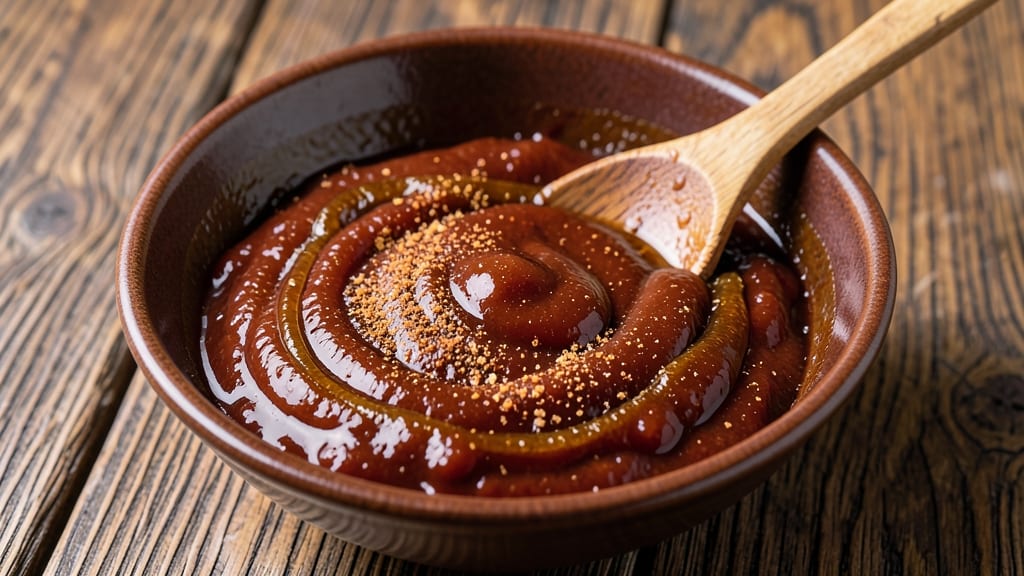
This Applebee’s barbecue sauce recipe delivers that signature smoky-sweet flavor that elevates grilled meats and fries to restaurant-quality status. The secret lies in balancing tomato paste, vinegar, and molasses for depth, while spices like paprika and garlic powder create that unmistakable tang.
What sets this homemade version apart is its rich, glossy finish—perfect for drizzling or dipping—without the artificial aftertaste of bottled sauces.
The process is straightforward: simmering all ingredients together until thickened creates a versatile sauce that works on ribs, chicken, or even loaded fries.
Unlike store-bought versions, this recipe lets you adjust sweetness or tang to your preference, with optional variations like adding a pinch of cayenne for heat or brown sugar for extra caramel notes. The molasses and vinegar combination ensures that smoky-sweet balance that makes it instantly recognizable.
Once you’ve achieved that perfect consistency—thick enough to cling but still pourable—you’ll have a sauce that keeps well in the fridge for up to 2 weeks or freezes for 3 months. That means you can make a big batch and have it ready whenever cravings strike.
The result? A homemade barbecue sauce that’s smoother, more flavorful, and far more satisfying than anything you’d buy in a bottle.
Whether you’re grilling, slow-cooking, or just dipping fries, this sauce transforms ordinary meals into something special. The key is patience—letting the flavors meld during simmering—and a little attention to detail when balancing the sweet and tangy elements. Here’s how to make it perfectly every time.
Ingredients for applebees barbecue sauce
Nine simple ingredients create that iconic Applebee's barbecue sauce with restaurant-quality richness.
| Ingredient | Amount | Notes |
|---|---|---|
| Tomato Paste 🍅 | ½ cup | High-quality, no sugar added |
| Apple Cider Vinegar 🍏 | ¼ cup | For tangy depth |
| Molasses 🍯 | ¼ cup | Unsulfured preferred |
| Brown Sugar 🍚 | ¼ cup | Light or dark works |
| Smoked Paprika 🌶️ | 2 tbsp | For authentic smoky flavor |
| Garlic Powder 🧄 | 1 tbsp | Freshly ground preferred |
| Onion Powder 🧅 | 1 tbsp | For subtle sweetness |
| Ground Black Pepper 🌶️ | ½ tsp | Freshly cracked |
| Salt 🧂 | 1 ½ tsp | Diamond Crystal preferred |
| Water 💧 | ½ cup | For thinning consistency |
The tomato paste is your flavor anchor—store-brand or name-brand, just make sure it's thick and smooth. Trader Joe's has an affordable, high-quality version that works perfectly. Molasses and brown sugar might seem like swaps, but they each bring something unique: molasses for deep, smoky sweetness and brown sugar for caramel notes. If you're in a pinch, maple syrup can replace molasses at a 1:1 ratio, though it'll taste slightly different. For the vinegar, stick with apple cider—it's the most balanced option for that tangy kick without overpowering the sweetness.
Want to adjust the heat? Add cayenne pepper to taste—start with a pinch and go up from there. No smoked paprika? Regular paprika plus a dash of liquid smoke gets you close, though the flavor won't be identical. The spices are where you can play—if you love garlic, bump the garlic powder to 2 tbsp. For a glossier finish, add 1 tbsp of corn syrup or honey at the end, though the intro recipe skips this for authenticity. If you're making a big batch, double the spices—just remember to taste as you go.
This sauce keeps beautifully in the fridge for 2 weeks—just store it in an airtight container. For longer storage, freeze it in ice cube trays or small jars; thaw overnight in the fridge. The flavors actually improve over time as everything melds together. If it thickens too much after refrigeration, just stir in a splash of water or apple cider vinegar to loosen it up. Trust me, you'll want to make extra—this sauce disappears fast when grilling season rolls around.
Why You'll Love This Recipe
- Pantry Magic: I swear by this recipe because it uses stuff I already have—no special trips to the store. That thick tomato paste? It’s my secret weapon for depth without extra effort, and the molasses gives it this rich, almost caramelized sweetness that’s chef’s kiss simple.
- Smoky Sweet Fix: The smoked paprika and brown sugar combo is where it gets good—deep, smoky, and just slightly sticky. Honestly, it’s the kind of sauce that makes you want to slather it on everything, not just ribs. (Yes, even on a Tuesday night.)
- Game for Any Meal: This sauce plays well with crowds. Toss it on grilled chicken for a weeknight dinner, drizzle it over baked beans for game day, or use it as a glaze for roasted veggies. It’s the one sauce that turns basic meals into something special without trying too hard.
- Budget-Friendly Staple: A single batch costs me pennies but stretches for weeks—freezer-friendly and ready to pull out whenever. Between us, I’ve had this sauce last me through three holiday cookouts because it’s just that versatile. No waste, all flavor.
Step-by-step instructions for Applebee's barbecue sauce
This smoky-sweet sauce delivers that iconic Applebee's tang—perfect for ribs, pulled pork, or even fries.
Combine Wet Ingredients in a Saucepan
In a medium saucepan, whisk together the 0.5 cup tomato paste, 0.25 cup apple cider vinegar, 0.25 cup molasses, and 0.25 cup brown sugar until fully blended. I like to use a wooden spoon here—it helps scrape up any stuck bits from the tomato paste. Bring the mixture to a gentle simmer over medium heat, stirring constantly to prevent scorching. You'll notice the sugar begins to dissolve almost immediately, creating a thick, glossy base.
Simmer for 5-7 minutes until the mixture thickens slightly and the raw tomato paste flavor mellows. This step develops the sauce's foundation—don't rush it. The molasses and brown sugar will caramelize just enough to form that signature sweet depth you crave in barbecue sauce.
Add Dry Seasonings and Water
Reduce the heat to low and stir in the 2 tablespoons smoked paprika, 1 tablespoon garlic powder, 1 tablespoon onion powder, 0.5 teaspoon ground black pepper, and 1.5 teaspoons salt. Whisk vigorously to ensure even distribution—you want those spices to meld completely with the wet ingredients. This is where the sauce gets its complex, smoky character.
Next, pour in the 0.5 cup water and stir once more. The water helps thin the sauce to the perfect consistency for dipping, glazing, or basting. Let the mixture simmer gently for another 5 minutes, stirring occasionally. You'll start to smell that unmistakable barbecue aroma developing—smoky, slightly sweet, with a tangy kick from the vinegar.
Simmer Until Thick and Glossy
Continue simmering on low heat for 10-15 minutes, stirring every 2-3 minutes to prevent sticking. The sauce should gradually thicken until it coats the back of a spoon smoothly. Here's the thing—you're aiming for a glossy finish, not a paste. If it gets too thick too soon, add 1-2 tablespoons water to adjust the consistency.
Taste as you go. The sauce should balance sweet, smoky, and tangy flavors. If it needs more depth, add a pinch of salt or a splash of vinegar. Once it reaches that perfect syrupy, glossy texture—where it clings to a spoon but pours easily—it's ready. This usually takes about 20-25 minutes total simmering time from start to finish.
Cool and Store for Maximum Flavor
Remove the saucepan from heat and let the sauce cool for 5 minutes. This resting period allows the flavors to meld further and the texture to set slightly. Transfer the sauce to a clean jar or airtight container, pressing a piece of parchment paper directly on the surface to prevent a skin from forming.
Let it cool completely before sealing. The sauce will thicken even more as it cools—this is normal. Store it in the refrigerator for up to 2 weeks or freeze for 3 months. The flavors actually improve over time, developing that deeper, more complex taste that makes this sauce so addictive. When you're ready to use it, give it a quick stir to restore its glossy consistency.
Pro Tips For Making Applebees Barbecue Sauce
- Bloom the Spices: Toss the smoked paprika and brown sugar into the dry tomato paste first, then add vinegar and molasses. This lets the spices mingle with the oils in the paste before liquids hit—trust me, it deepens the flavor instead of letting it pool at the bottom like dust.
- Simmer Slow and Steady: After combining everything, bring it to a gentle simmer—not a rolling boil—and let it cook uncovered for 15 minutes. Too much heat turns it thin and vinegary; low and slow lets the sugars caramelize properly.
- Whisk Like You Mean It: Don’t just stir—whisk vigorously when adding the vinegar to the tomato paste. I used to skip this, and the sauce ended up lumpy. A minute of elbow grease now saves you from scraping the pot later.
- Taste Before You Sweeten: Check the balance of sweetness and tang before adding extra brown sugar. The molasses and vinegar already fight for dominance—if it’s too cloying, a splash of cider vinegar fixes it faster than more sugar.
Common mistakes when making this dish
Skipping the Simmer
One of the biggest mistakes is rushing the simmering process. Many home cooks bring the sauce to a boil and then stop stirring, which leads to scorching and a bitter taste.
Remember, the molasses and brown sugar need 10-15 minutes on low heat to caramelize properly. I’ve seen sauces turn dark and clumpy when skipped—don’t let that happen! 🔥
Over-Salting Early
Adding all the salt at once can make your sauce inedible. Instead, taste as you go and adjust gradually. Start with 1 teaspoon of salt, then add the remaining 0.5 teaspoon only if needed.
The molasses and vinegar already contribute significant flavor, so you might not need the full amount. Trust your taste buds—they’re more reliable than measurements here.
Ignoring the Gloss
The signature shine of Applebee’s sauce comes from proper simmering and occasional stirring. If you let it sit unattended, it’ll thicken unevenly and lose its glossy finish.
Stir every 2-3 minutes on low heat to maintain that restaurant-quality sheen. A glossy sauce sticks better to meats and fries, making it worth the effort.
Using Low-Quality Ingredients
Cheap molasses or vinegar will compromise the flavor. Always use unsulfured molasses (like Brer Rabbit) and apple cider vinegar—they make a noticeable difference. I’ve tried store-brand tomato paste, and while it works, Trader Joe’s or Muir Glen versions elevate the sauce significantly.
Don’t skimp here; your taste buds will thank you.
Not Tasting During Cooking
Many recipes assume you’ll adjust seasoning at the end, but barbecue sauce needs balancing during cooking. Taste after 10 minutes of simmering—you might need more vinegar for tang or brown sugar for sweetness.
I’ve had batches where the molasses overpowered the vinegar, and vice versa. Regular tasting ensures the perfect balance every time.
Storing Improperly
Leaving sauce exposed to air causes it to absorb fridge odors and lose its gloss. Always press parchment paper directly on the surface before sealing. If storing long-term, use airtight glass jars (like Ball mason jars) to prevent contamination.
I once made a batch that sat open in the fridge for a week—it tasted like whatever was next to it. Don’t make that mistake!
Nutrition facts
Frequently asked questions
Can I substitute molasses in this recipe?
Yes, but the flavor will change slightly. For a 1:1 swap, use maple syrup—it adds a different depth but works well. If you prefer a deeper caramel note, try dark corn syrup instead. Just remember that molasses provides that signature smoky-sweetness that makes this sauce so special.
How do I adjust the sweetness or tanginess?
Start by tasting after 10 minutes of simmering. Need more sweetness? Add 1 tablespoon brown sugar or 1 teaspoon honey. Want more tang? Stir in 1 teaspoon apple cider vinegar. Adjust gradually—you can always add more, but you can't easily remove excess sweetness or acidity.
Why does my sauce turn out too thick?
This happens when too much liquid evaporates during simmering. To fix it, stir in 1-2 tablespoons water or apple cider vinegar while warm. For prevention, keep the heat at low and stir frequently. The ideal consistency should coat the back of a spoon but still pour smoothly.
Can I make this sauce in a slow cooker?
Combine all ingredients in your slow cooker and cook on low for 2-3 hours, stirring occasionally. The slow cooker method actually enhances the flavors even more. Just be sure to check the consistency—you may need to add a splash of water at the end if it thickens too much.
What's the best way to use leftover sauce?
Use it as a marinade for chicken or ribs, a dip for fries, or a glaze for grilled veggies. The sauce also freezes beautifully—portion into ice cube trays for easy single-use servings. For extra flavor, brush it on pork chops during the last 5 minutes of grilling.