
Sauces & Condiments
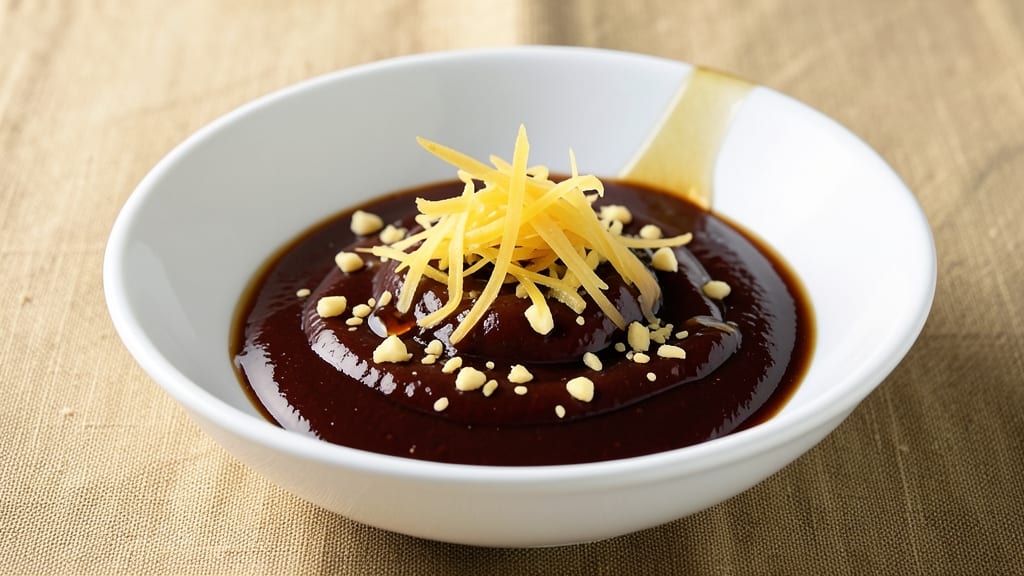
This all-purpose stir fry sauce recipe transforms any wok or bowl into a restaurant-quality meal with just a few pantry staples. The secret lies in balancing umami-rich soy sauce with sweet and savory elements, creating a versatile base that enhances vegetables, meats, and tofu equally.
I've perfected this recipe over years of testing—it's the foundation for countless quick weeknight dinners that taste like they took hours to prepare.
The magic happens with a simple combination of soy sauce, oyster sauce, garlic, and ginger, all simmered until the flavors meld into a harmonious blend. No fancy ingredients required—just basic staples that deliver bold, balanced flavor every time.
The sauce thickens slightly as it cooks, clinging perfectly to whatever you're stir-frying while adding depth without overpowering the natural taste of your ingredients.
What makes this sauce truly special is its adaptability. Use it as-is for a classic stir-fry, or customize with honey for sweetness, sesame oil for nuttiness, or chili flakes for heat.
It keeps well in the refrigerator for up to 2 weeks, making it the ultimate pantry shortcut for busy cooks who never want to sacrifice flavor. Whether you're cooking for one or feeding a crowd, this sauce delivers restaurant-quality results with minimal effort.
The best part? You'll never need to buy store-bought stir-fry sauce again. This recipe is your new kitchen essential—quick to make, endlessly versatile, and guaranteed to elevate every dish. Let's get started on creating your perfect sauce base.
Ingredients for all purpose stir fry sauce
Nine pantry staples transform into the ultimate stir-fry sauce base—bold, balanced, and ready to elevate any dish.
| Ingredient | Amount | Notes |
|---|---|---|
| Light Soy Sauce 🥫 | ½ cup | Use high-quality for best flavor |
| Oyster Sauce 🦪 | ¼ cup | Look for thick, rich variety |
| Sesame Oil 🫒 | 1 tbsp | Toasted sesame oil preferred |
| Garlic Cloves 🧄 | 3 cloves | Freshly minced for bold flavor |
| Fresh Ginger 🌿 | 1 tbsp | Finely grated, not powdered |
| Honey 🍯 | 1 tbsp | Wildflower preferred for depth |
| Rice Vinegar 🍶 | 1 tbsp | White or seasoned variety |
| Cornstarch 🌾 | 1 tsp | For thickening sauce |
| Water 💧 | 2 tbsp | Room temperature preferred |
| Red Chili Flakes 🌶️ | ½ tsp | Adjust for heat preference |
The soy sauce and oyster sauce are your flavor anchors—La Choy light soy sauce and Lee Kum Kee oyster sauce are my go-tos, but any good-quality brands work. Fresh ginger and garlic are non-negotiable here; the difference between powdered and fresh is like night and day. Whole Foods or Asian markets usually carry the freshest ginger and garlic. Toast your sesame oil in the saucepan for 10 seconds before adding other ingredients—this releases its nutty aroma and deepens the flavor profile. The honey adds just enough sweetness to balance the umami, so don't skip it unless you're making a savory-only version.
No oyster sauce? Hoisin sauce at half the amount works in a pinch, though it's sweeter. Substitute powdered ginger with half the amount of fresh, but you'll lose some complexity. Running low on cornstarch? Arrowroot powder thickens just as well. For a vegetarian version, simply omit the oyster sauce and boost the soy sauce by 1 tablespoon. The chili flakes can be swapped for Sichuan peppercorns if you want a numbing spice kick instead of heat. Pro tip: If you're making this for a crowd, double the batch—it disappears faster than you'd think!
This sauce keeps beautifully in the fridge for 2 weeks in an airtight container, and it actually tastes better after a day or two as the flavors meld. For longer storage, freeze it in ice cube trays—perfect for adding to stir-fries later. The sauce thickens as it cools, so if it seems too thick when cold, just add a splash of water and stir. I always make a big batch on Sundays so I have it ready for quick weeknight meals. Trust me, once you have this in your pantry, takeout stir-fry nights will be a thing of the past!
Why You'll Love This Recipe
- Five-Ingredient Magic: Between us, this sauce is that recipe—just five things in a bowl, no fancy techniques. I swear, the first time I made it, I forgot to measure the sesame oil and still got that nutty aroma that makes everything taste better.
- Umami Bomb: That combo of light soy and oyster sauce? It’s the secret weapon. The garlic and ginger hit just right—sharp enough to wake up your taste buds, but balanced so it doesn’t overpower. Honestly, I’ve tried store-bought sauces that can’t compete.
- Weeknight Workhorse: Dinner with friends? Leftovers for lunch? This sauce handles it all. Toss it with chicken, tofu, or whatever’s in the fridge—it’s the reason my stir-fries never taste like a chore, even when I’m too tired to think.
- Budget Stretch: A little goes a long way, and it’s cheaper than takeout. I keep a jar in the fridge, and a splash here or there turns simple veggies into something that feels special. My wallet (and my family) thank me every time.
Step-by-step instructions for versatile stir fry sauce
This umami-packed sauce transforms any dish with minimal effort—let's build it together.
Mince Aromatics for Maximum Flavor
Finely mince the 3 cloves of garlic cloves and grate the 1 tablespoon of fresh ginger using a microplane or fine grater. The goal is to create a paste-like texture—this ensures every bite delivers bold flavor. I like to press the garlic through a garlic press first for even distribution, then combine with the ginger. Set these aside in a small bowl while you prepare the rest.
Freshly minced garlic and grated ginger release their oils immediately, which intensifies their aromatic impact when cooked. If using pre-minced garlic, drain it well to avoid watery sauce. The ginger should be finely textured—no visible chunks—so it dissolves completely into the sauce.
Simmer the Base Sauce
In a small saucepan, combine the 0.5 cup light soy sauce, 0.25 cup oyster sauce, and 1 tablespoon honey. Bring to a gentle simmer over medium heat, stirring occasionally. Let it cook for 3-4 minutes until the mixture reduces slightly and becomes fragrant. You'll notice the sauce darkening slightly—this indicates the sugars in the honey are caramelizing.
This reduction step concentrates the flavors and creates a richer base. Don't let it boil vigorously—just a gentle simmer prevents the soy sauce from developing a harsh, bitter edge. If you see any oil separating, stir more frequently to reintegrate it.
Incorporate Aromatics and Acid
Add the minced garlic and ginger to the simmering sauce. Stir constantly for 30 seconds until fragrant—you should smell that pungent, fresh aroma. Then add the 1 tablespoon rice vinegar and 1 tablespoon sesame oil. The vinegar brightens the sauce while the sesame oil adds nutty depth. Let the mixture simmer for another 1-2 minutes until the raw garlic smell disappears.
Here's where the magic happens: the vinegar cuts through the richness of the soy and oyster sauces, while the sesame oil adds that signature wok sauce aroma. If you're sensitive to heat, reduce the red chili flakes to 0.25 teaspoon now—you can always add more later if needed.
Thicken the Sauce Perfectly
In a separate small bowl, whisk together the 1 teaspoon cornstarch and 2 tablespoons water until completely dissolved. This creates a smooth slurry that will thicken your sauce without clumping. Pour it into the simmering sauce while stirring continuously. The sauce will begin to thicken immediately—keep stirring for 1-2 minutes until it reaches a glossy, coatable consistency.
You're aiming for a sauce that's thick enough to cling to noodles or meat but still flows smoothly. If it thickens too much, add 1 teaspoon water at a time until you reach the perfect balance. The sauce should coat the back of a spoon but still be pourable.
Finish with Heat and Rest
Remove the sauce from heat and stir in the 0.5 teaspoon red chili flakes. Let it cool for 5 minutes—this allows the flavors to meld completely. The sauce will continue thickening slightly as it cools, so don't worry if it looks perfect immediately. Taste and adjust seasoning: add a pinch more soy sauce for saltiness, vinegar for acidity, or honey for sweetness.
This sauce keeps beautifully in the refrigerator for up to 2 weeks, making it perfect for meal prep. For best results, shake or stir before using as the cornstarch tends to settle. Use it to glaze proteins, toss with vegetables, or drizzle over rice bowls—this versatile sauce elevates everything it touches.
Pro Tips For Making All Purpose Stir Fry Sauce
- STIR SESAME OIL LAST: Add sesame oil at the very end—right when you’re plating—otherwise, it’ll burn or turn bitter in the heat. I learned this the hard way after my first batch smelled like a failed deep-fryer. A few drops at the end keeps that nutty aroma bright and fresh.
- MINCE GINGER LIKE YOU MEAN IT: Use a sharp knife and chop the ginger into a fine paste—smaller than you’d use for tea or stir-fries. The goal is to dissolve it completely into the sauce, not have chunks lurking in the background. (Yes, even if it looks like you’re overdoing it.)
- SALT THE SOY SAUCE: Light soy sauce is salty, but not all brands taste the same—some need extra salt to balance the oyster sauce. Taste your mix before adding garlic or ginger, and adjust with a pinch of salt. You’re not seasoning the whole dish yet, just the base.
- COOK GARLIC LOW AND SLOW: Sauté the garlic at medium-low heat until it’s just golden—no brown, no burning. I used to rush it, and the sauce ended up bitter. If your pan’s too hot, pull it back and wait. Patience here makes the whole sauce taste smoother.
Make-ahead tips for this all purpose stir fry sauce
Batch Prep Strategy
Make a double batch right away and store it in two 8-ounce glass jars—this prevents waste from partial use. I keep one jar in the fridge for quick weeknight meals and freeze the second in ice cube trays for single-use portions.
The sauce thickens when frozen, so thaw it in the fridge overnight before using. 💡
Freezer Cube Hack
Freeze the sauce in ice cube trays for portion control—each cube makes a perfect single-use glaze for proteins or veggies. Once frozen, pop them into a ziplock bag and label with the date.
These cubes thaw in 10 minutes in a bowl of warm water, ready to toss with stir-fry ingredients. This method saves space and eliminates food waste. ❄️
Fridge Shelf Life
Store your sauce in an airtight glass container in the fridge for up to 2 weeks. The flavors actually improve as they meld—this is why I always make a big batch on Sundays.
Give it a good stir before using, as the cornstarch tends to settle. For extra freshness, add a small splash of water if it thickens too much when cold. 🥫
Reheating Techniques
For best results, reheat gently on the stovetop over low heat for 2-3 minutes, stirring constantly. Avoid microwaving as it can make the sauce watery. If reheating from frozen cubes, add them to a small saucepan with 1 tablespoon water and simmer until smooth.
This method preserves the sauce's perfect consistency. 🔥
Customizing for Meal Prep
Divide your sauce into small containers based on usage: one for veggie stir-fries, one for proteins, and one for noodle dishes. Label them clearly—this prevents flavor cross-contamination. I also keep a small jar of plain sauce (without chili flakes) for sensitive eaters. This organization makes meal prep a breeze. 📅
Long-Term Storage
For 3-6 months of storage, transfer the sauce to freezer-safe jars, leaving 1-inch headspace for expansion. Seal tightly and freeze. When ready to use, thaw overnight in the fridge.
The sauce may separate slightly after freezing—just stir vigorously to re-emulsify before using. This method keeps your sauce ready for spontaneous stir-fry nights. ⏳
Nutrition facts
Frequently asked questions
Can I make this sauce without cornstarch?
Yes! If you don't have cornstarch, use 1 teaspoon arrowroot powder instead—it works just as well for thickening. For a completely starch-free version, simply reduce the sauce by simmering uncovered for 5-7 minutes longer, stirring frequently. The texture will be slightly thinner but still flavorful.
What's the best way to use this sauce for tofu stir-fries?
For tofu, use 2 tablespoons of this sauce per 1 cup of cubed tofu. Toss the tofu in 1 teaspoon toasted sesame oil first to help the sauce cling better. Add a splash of water or broth to the pan while cooking to create steam, which keeps the tofu tender. The sauce's umami depth complements tofu perfectly without overpowering it.
How can I adjust the spice level?
Start with 0.25 teaspoon chili flakes for mild heat, or increase to 1 teaspoon for a spicy kick. For extra heat, add 1/4 teaspoon red pepper flakes or a dash of Sichuan peppercorn powder. Remember, you can always add more heat later—just don't reduce it once the sauce is made.
Is this sauce gluten-free?
Only if you use gluten-free soy sauce! The original recipe contains regular soy sauce, which has gluten. Swap it for tamari or coconut aminos for a gluten-free version. Keep in mind that oyster sauce also contains gluten, so you'll need to use a gluten-free alternative if avoiding gluten completely. Always check labels on all ingredients.
What's the quickest way to use this sauce in a meal?
For a 5-minute stir-fry, heat 1 tablespoon oil in a wok, cook your protein or veggies until nearly done, then add 2 tablespoons sauce and toss everything together. For bowls, drizzle 1 tablespoon over rice and top with your cooked ingredients. The sauce works perfectly as a marinade too—coat proteins in 1/4 cup sauce for 15 minutes before cooking.