
Sauces & Condiments
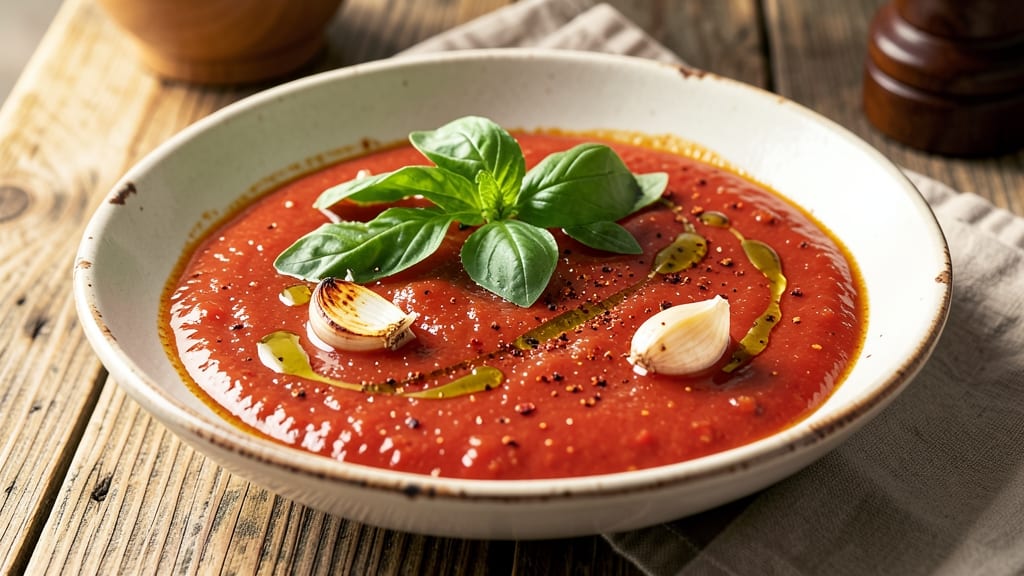
This all arrabbiata sauce recipe delivers the bold, fiery tomato sauce that defines Italian comfort food—packed with garlic, chili heat, and deep umami notes that transform simple pasta into a restaurant-worthy dish. The secret lies in simmering canned tomatoes with fresh garlic and chili flakes until the flavors meld into a velvety, spicy base. I developed this version to capture the authentic taste without anchovies, making it accessible while keeping that signature punch.
What sets this sauce apart is the balance of heat and richness—garlic infuses the oil before the tomatoes even join, while chili flakes build gradually for a slow-burning spice. The sauce thickens naturally as it simmers, creating a perfect consistency that clings to every strand of spaghetti.
For extra depth, a splash of red wine reduces alongside the tomatoes, adding complexity that elevates this beyond basic tomato sauce.
By the time you're done, you'll have a vibrant, aromatic sauce with a perfect equilibrium of spice and sweetness—ready to toss with pasta, drizzle over grilled chicken, or serve as a bold marinara for meatballs.
The best part? It tastes even better the next day as the flavors continue to develop. This is the kind of sauce that turns weeknight dinners into memorable meals.
Store leftovers in the fridge for up to 5 days or freeze for months—its flavor only improves with time. Whether you're making spaghetti all'arrabbiata or using it as a base for other dishes, this sauce delivers the authentic Italian heat you crave.
Ingredients for all arrabbiata sauce
Nine simple ingredients transform into the fiery, aromatic arrabbiata sauce you crave.
| Ingredient | Amount | Notes |
|---|---|---|
| Extra-Virgin Olive Oil 🫒 | ½ cup | High quality, fruity variety |
| Garlic Cloves 🧄 | 6 cloves | Freshly minced, vibrant color |
| Red Chili Flakes 🌶️ | 2 tbsp | Adjust for desired heat level |
| Canned San Marzano Tomatoes 🍅 | 28 oz | Crushed or whole, no salt added |
| Red Wine 🍷 | ½ cup | Bold, dry variety like Chianti |
| Fresh Basil Leaves 🌿 | ¼ cup | Packed, stems removed |
| Sea Salt 🧂 | 1 tsp | Diamond Crystal preferred |
| Black Pepper 🌶️ | ½ tsp | Freshly ground for best flavor |
| White Wine Vinegar 🍋 | 1 tbsp | Balances acidity beautifully |
The garlic and chili flakes are the heart of this sauce—look for plump, firm garlic cloves with no sprouting. Whole Foods or local Italian markets often carry the freshest chili flakes, but the jarred stuff works fine too (just avoid the dusty, old ones). For the tomatoes, San Marzano cans are the gold standard—they're sweet, low-acid, and crush easily. If you can't find them, any high-quality canned tomatoes in juice will do. The red wine? Any bold, dry variety—Chianti or Sangiovese if you want to get fancy, but whatever's open works too. Fresh basil is ideal, but dried oregano at half the amount gets you close in a pinch.
No red wine? Substitute with extra tomato juice or broth, though you'll lose some depth. Short on garlic? Garlic powder at half the amount works, but fresh is non-negotiable for that authentic punch. The white wine vinegar might seem odd, but it cuts through the richness and brightens the sauce—apple cider vinegar works too. For extra umami (without anchovies), a dash of soy sauce or miso paste adds depth. The chili flakes can be adjusted—start with 1 tbsp if you're sensitive to heat, then add more to taste. And if you're using whole tomatoes, crush them by hand for better texture—no blender needed.
This sauce gets better with time—day-old tastes even richer as the flavors meld. Store in an airtight container in the fridge for up to 5 days, or freeze for 3 months. For freezing, portion into ice cube trays first—perfect for tossing with pasta later. The oil will solidify, so let it sit at room temperature for 5 minutes before reheating. And if you make a big batch, double the wine and vinegar—they're the secret to balancing the acidity as the sauce reduces.
Why You'll Love This Recipe
- Five-Ingredient Magic: I swear by this lineup—olive oil, garlic, chili flakes, tomatoes, and wine. That’s it. No fancy prep, no stress, just boom—flavor in a pot.
- Wine’s Secret Boost: Honestly, the red wine isn’t just for drinking. It deepens the sauce into something richer, brighter, and way more complex than store-bought. (Yes, even on a Tuesday night.)
- Pasta Party Ready: This sauce is my go-to for date nights, family dinners, or when friends drop by unannounced. Toss it with spaghetti, drizzle on grilled chicken, or slather it on bruschetta—it’s always a crowd-pleaser.
- Leftovers That Don’t Suck: Between us, most sauces turn into sad, watery sludge after a few days. Not this one. The San Marzano tomatoes keep it vibrant, and the acidity from the wine means it tastes better reheated than fresh. (Not the prettiest, but the taste makes up for it.)
Step-by-step instructions for all arrabbiata sauce
This vibrant, spicy tomato sauce comes together in just 30 minutes with bold flavors you'll crave.
Bloom the Chili and Garlic in Olive Oil
Heat the 0.5 cup extra-virgin olive oil in a large, heavy-bottomed saucepan over medium-low heat. Add the 2 tablespoons red chili flakes and stir constantly for 1-2 minutes until the oil becomes deeply fragrant and the chili flakes begin to darken slightly—this releases their natural oils and intensifies the heat. Keep the heat low to prevent burning.
Next, add the 6 cloves minced garlic and cook for 2-3 minutes until the garlic turns a pale golden color and is just beginning to sizzle. You'll see the oil shimmer around the garlic, and that's your signal it's ready. Remove the pan from heat immediately—garlic burns quickly and turns bitter in seconds. Let the mixture cool slightly for 1 minute before proceeding.
Deglaze with Red Wine and Reduce
Return the pan to medium heat and pour in the 0.5 cup red wine. Stir vigorously and scrape up any browned bits from the bottom of the pan—these contain concentrated flavor. Let the wine simmer for 3-4 minutes until it reduces by about half and the alcohol smell dissipates completely. This step builds depth in your sauce by dissolving flavors from the pan.
Add the 28 ounces canned San Marzano tomatoes (crushed or whole) and bring to a gentle boil. Stir in the 1 teaspoon sea salt and 0.5 teaspoon black pepper, then reduce heat to medium-low. The sauce should simmer steadily for 15-20 minutes, partially covered, until it thickens slightly and coats the back of a spoon. Stir occasionally to prevent sticking.
Finish with Vinegar and Fresh Basil
Once the tomatoes have broken down and the sauce has thickened, stir in the 1 tablespoon white wine vinegar. This brightens the flavors and balances the richness of the tomatoes. Taste and adjust seasoning—you may need a pinch more salt if you prefer it saltier, or a bit more chili flakes for extra heat.
Remove the pan from heat and stir in the 0.25 cup fresh basil leaves, stems removed. Let the sauce steep for 5 minutes to infuse the basil's aroma. The sauce should have a vibrant red color, a thick yet smooth consistency, and a perfect balance of spicy, tangy, and sweet flavors. Serve immediately over pasta or store in an airtight container in the refrigerator for up to 5 days.
Pro Tips For Making All Arrabbiata Sauce
- CRUSH THE GARLIC FIRST: The second you smell that garlic hitting the oil, it starts cooking—and burning. Mince it just before adding it to the pan, then toss it in whole. Let it sizzle for 10 seconds skin-side down before breaking it up with a spoon. That’s when it gets nutty, not bitter. (Yes, even if you’re impatient like me.)
- SWEAT THE CHILI FLAKES: Skip dumping them straight in—you’ll just get a bitter, raw hit. Toast them dry in the same oil you’re heating for the garlic, stirring constantly for 20 seconds until they smell toasted, not smoky. Then add the garlic. This makes the heat bloom evenly, not cling like a punishment.
- DEGLAZE WITH WINE, THEN WAIT: After the garlic and chili hit the pan, pour in that red wine immediately—it’ll sizzle like crazy. Let it reduce by half before adding tomatoes, or you’ll dilute the sauce into a sad, watery mess. (I learned this the hard way, watching a perfectly good bottle of Chianti turn into a soup.)
- SMASH THE TOMATOES: Open the San Marzanos and give them a rough smash with your hands or a wooden spoon—no blender needed. You want chunks, not paste, so the acidity cuts through the richness. If you’re lazy, a fork works, but your sauce will taste more balanced if you do this. (Your future self will notice.)
Wine and beer pairings for these flavors
Italian Red Wines
For arrabbiata sauce, Italian reds like Chianti or Sangiovese are perfect—their bright acidity and earthy notes mirror the sauce's bold flavors. I reach for a Chianti Classico (like Castello di Volpaia) because its medium body and cherry undertones complement the chili heat without overpowering it.
Serve slightly chilled (55-60°F) to let its crispness cut through the sauce's richness. 🍷
Crisp White Wines
If you prefer white wine with arrabbiata, opt for Italian varieties like Vermentino or Greco di Tufo. Their citrusy brightness and mineral notes balance the sauce's spice beautifully.
A Vermentino from Sardinia (like Cantina Mesu 'e Mesu) is my go-to—its saline finish echoes the sauce's garlic and chili complexity. Chill to 45-50°F to enhance its refreshing contrast.
Bold Beers
For beer lovers, a Belgian Witbier (like Hoegaarden) or a German Helles Lager (like Weihenstephaner) works surprisingly well. The Witbier's coriander and orange peel notes complement the sauce's heat, while the Helles' malty sweetness softens the garlic's punch.
Serve at 45°F to let its crispness shine alongside the arrabbiata's bold flavors.
Non-Alcoholic Options
Skip the alcohol? Try a sparkling blood orange soda (like San Pellegrino Aranciata Rossa) or a ginger beer (like Feather's) for a refreshing contrast. The blood orange's citrusy sweetness mirrors the sauce's acidity, while ginger beer's spicy kick enhances the chili heat.
Serve over ice to keep it crisp and refreshing.
Pairing Tips
No matter what you choose, serve wine or beer slightly cooler than room temperature—50-60°F for reds, 45°F for whites and beers. The chilled beverage helps cleanse your palate between bites of spicy pasta.
I also recommend a small glass—arrabbiata sauce is bold, so you don't need much to complement it. 💫
Nutrition facts
Frequently asked questions about arrabbiata sauce
Why does arrabbiata sauce have such a distinct spicy kick?
The signature heat comes from red chili flakes bloomed in olive oil first—this process releases their natural oils and intensifies the flavor. The sauce also uses fresh garlic cooked just until golden, which adds a sharp, aromatic bite that complements the chili. Traditional recipes often include anchovies for umami depth, but this version balances the spice with bright white wine vinegar and fresh basil.
Can I make arrabbiata sauce without wine?
Yes! Substitute the 0.5 cup red wine with 0.5 cup tomato juice or vegetable broth—just reduce the liquid by half longer to concentrate the flavors. For extra depth, add 1 teaspoon soy sauce or 1 teaspoon balsamic vinegar to mimic the wine's acidity and umami. The sauce will still develop rich, complex flavors without alcohol.
How do I adjust the heat level in arrabbiata sauce?
Start with 1 tablespoon chili flakes for mild heat, then increase to 2 tablespoons for medium, or 3 tablespoons for fiery. For a smoky twist, add ½ teaspoon smoked paprika with the chili flakes. If the sauce is too spicy later, balance it with 1 extra tablespoon white wine vinegar or a pinch of sugar to mellow the heat.
What’s the best way to store leftover arrabbiata sauce?
Transfer to an airtight container and refrigerate for up to 5 days—the flavors actually improve as the sauce sits! For longer storage, freeze in ice cube trays (perfect for portioning later) or silicone molds. Thaw overnight in the fridge, then reheat gently on low heat to preserve texture. Stir in fresh basil before serving if possible.
Can I use arrabbiata sauce for dishes other than pasta?
Toss it with grilled chicken, shrimp skewers, or polenta for a bold flavor boost. Drizzle over bruschetta or fried eggs for breakfast, or use it as a marinade for meatballs or tofu. The sauce’s bright acidity and spice work beautifully in soup bases or as a dipping sauce for arancini. Get creative—it’s versatile!