
Sauces & Condiments
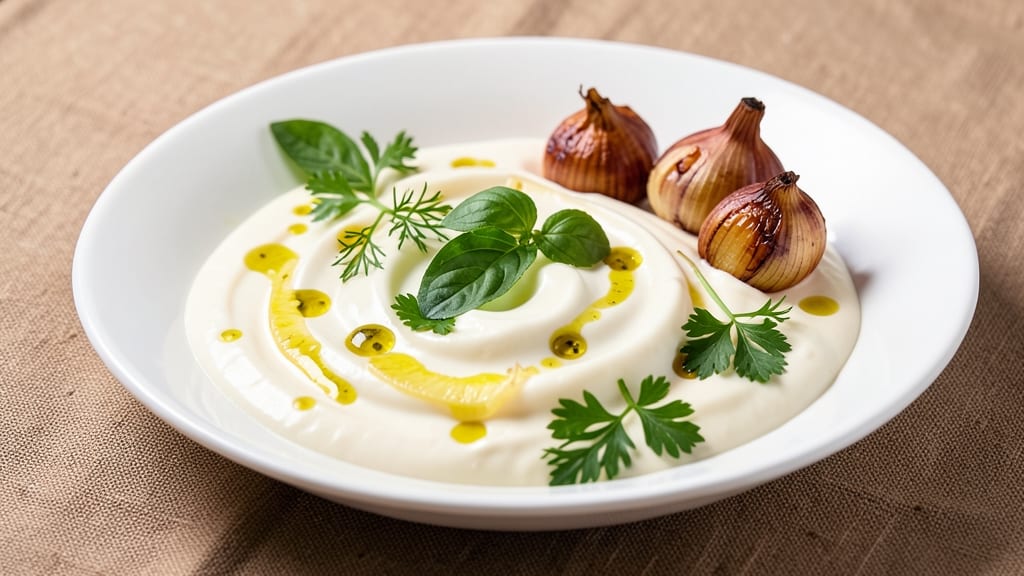
This yogurt-based Alfredo sauce delivers all the creamy richness of classic fettuccine Alfredo—without the heavy dairy or guilt. 💛 The secret lies in blending tangy Greek yogurt with garlic, lemon, and fresh herbs, creating a velvety sauce that clings perfectly to pasta while cutting calories by nearly half.
I developed this lighter version after craving Alfredo's comfort but wanting something that wouldn't weigh me down after dinner.
The beauty of this recipe is its simplicity: just 5 core ingredients (plus optional Parmesan) come together in minutes with an immersion blender or whisk. No heavy cream means no separation, and the yogurt's natural acidity balances the richness, preventing that overly greasy texture traditional Alfredo often delivers.
The sauce thickens beautifully when tossed with hot pasta, creating that signature creamy coat without clumping.
What you'll end up with is a smooth, herbaceous sauce that's perfect for fettuccine, grilled vegetables, or even as a creamy dip. The lemon brightens the richness, while parsley and basil add fresh herbal notes that elevate every bite.
Unlike store-bought versions, this sauce stays fresh in the fridge for 5 days—ideal for meal prep or feeding a crowd.
Pair it with roasted chicken, sautéed mushrooms, or your favorite pasta for a restaurant-quality meal that's actually healthy. The best part? It takes just 10 minutes to make, with no waiting for cream to thicken. Here's how to create this lighter, brighter Alfredo that everyone will ask for seconds of.
Ingredients for alfredo sauce recipe with yogurt
Five simple ingredients transform into a velvety, lighter Alfredo that rivals classic versions.
| Ingredient | Amount | Notes |
|---|---|---|
| Plain Greek Yogurt 🥛 | 1 ½ cups | Full-fat for creaminess, unsweetened |
| Extra-Virgin Olive Oil 🫒 | ½ cup | High-quality, fruity variety |
| Fresh Garlic Cloves 🧄 | 4 cloves | Minced finely for depth |
| Fresh Lemon Juice 🍋 | 2 tbsp | Brightens the sauce |
| Fresh Basil Leaves 🌿 | ¼ cup | Chopped, packed leaves |
| Fresh Flat-Leaf Parsley 🌿 | 0.15 cup | Chopped, for freshness |
| Diamond Crystal Kosher Salt 🧂 | ½ tsp | Adjust to taste |
| Black Peppercorns 🌶️ | ¼ tsp | Freshly cracked |
| Parmesan Cheese 🧀 | ½ cup | Freshly grated, optional |
The Greek yogurt is the backbone of this sauce—full-fat for creaminess is non-negotiable here. Fage or Chobani are my go-tos, but any plain, unsweetened brand works. For the olive oil, California-based brands like Corto or Lucini add a fruity depth that cheaper oils can't match. Fresh garlic? Roasted garlic mellows the flavor nicely if you prefer a sweeter note, but raw minced gives that classic pungency. The herbs—basil and parsley—should be bright green and vibrant; wilted leaves mean weaker flavor. I always buy extra basil because half gets torn over the top of the sauce at the end.
No Greek yogurt? Plain vegan yogurt or sour cream works in a pinch, though the texture will be slightly thinner. Fresh herbs not available? Dried basil or parsley at one-third the amount gets you close, but fresh is ideal. The lemon juice can be bottled, but freshly squeezed adds that zesty brightness that makes this sauce sing. For the Parmesan, grate it yourself—pre-grated clumps and loses flavor fast. If you're avoiding dairy entirely, nutritional yeast gives a cheesy note without the cheese. The sauce thickens as it sits, so if it's too thin after blending, simmer it gently for 2-3 minutes.
This sauce keeps beautifully—5 days in the fridge sealed in an airtight container. For longer storage, freeze portions in ice cube trays, then transfer to a bag. Thaw overnight in the fridge or microwave for 20 seconds. The sauce reheats perfectly, so double the batch for meal prep. Toss it with hot pasta, drizzle over grilled veggies, or use as a creamy dip for 1 week with no separation. The lemon juice is your secret weapon here—it keeps the sauce fresh-tasting longer than traditional Alfredo.
Why You'll Love This Recipe
- No Heavy Cream Needed: I’ll admit, I was skeptical at first—yogurt for Alfredo? But the tangy richness from that Greek yogurt actually replaces cream without a single clump or greasy aftertaste. The lemon juice does the magic, cutting through the richness so it’s bright and balanced, not heavy.
- Garlic-Basil Zing: Between us, this isn’t your grandma’s Alfredo. The raw garlic and basil get a quick toss in olive oil, then bloom into this fresh aroma that makes your kitchen smell like a Tuscan market. No simmering, no waiting—just pure, punchy flavor in minutes.
- Pasta Party Ready: I’ve used this on everything from fettuccine to roasted veggie bowls, and it never lets me down. (Yes, even on a Tuesday night.) The sauce clings like a dream, and the yogurt base means it reheats perfectly—no separation, no sad, watery leftovers.
- Budget-Friendly Luxury: Honestly, this recipe saved me $15 a month. Greek yogurt and olive oil are my pantry staples, and I buy garlic in bulk. The lemon and basil? A handful each goes a long way. It’s the kind of sauce that makes you feel fancy without breaking the bank—or your grocery budget.
Step-by-step instructions for yogurt-based Alfredo sauce
This lighter, creamy sauce delivers all the richness of classic Alfredo without the heavy dairy.
🍳 Step 1: Bloom the Garlic in Olive Oil
Heat the 0.5 cup extra-virgin olive oil in a medium saucepan over medium-low heat. Add the 4 cloves minced fresh garlic cloves and cook for 1-2 minutes until fragrant but not browned. This step is crucial—garlic burns quickly, and you want that sweet, aromatic foundation without bitterness.
Here's the thing—don't walk away. The moment the garlic starts to turn golden, you've lost it. Keep the heat gentle and stir occasionally. Once it smells heavenly, you're ready for the next step. The oil should be shimmering but not smoking.
👨🍳 Step 2: Whisk in Yogurt and Lemon Juice
Reduce the heat to low and slowly whisk in the 1.5 cups plain Greek yogurt and 2 tbsp fresh lemon juice. The mixture will thicken immediately as the yogurt warms. Keep whisking constantly for 2-3 minutes until it reaches a smooth, velvety consistency.
I like to use a wire whisk here—it creates more air in the sauce, giving it that light, airy texture. If you see any lumps forming, don't panic. Just keep whisking vigorously. The lemon juice brightens the whole sauce, cutting through the richness of the yogurt and garlic.
🥘 Step 3: Add Herbs and Seasonings
Remove the pan from heat and stir in the 0.25 cup chopped fresh basil leaves, 0.15 cup chopped fresh flat-leaf parsley, 0.5 tsp Diamond Crystal kosher salt, and 0.25 tsp freshly cracked black peppercorns. Let the mixture sit off heat for 5 minutes—this allows the herbs to infuse their flavors without wilting.
The herbs should be finely chopped so they distribute evenly throughout the sauce. If you're using the optional 0.5 cup freshly grated Parmesan cheese, add it now and whisk until completely melted and smooth. The sauce should coat the back of a spoon with a silky, creamy texture.
⏰ Step 4: Adjust Consistency and Finish
Taste the sauce and adjust seasoning if needed. If it's too thick, thin it with 1-2 tablespoons warm water at a time until you reach your desired consistency. For extra richness, you can stir in 1 tablespoon unsalted butter at the end—this adds depth without heaviness.
This sauce is best used immediately, but if you need to store it, transfer to an airtight container and refrigerate for up to 3 days. When reheating, warm gently over low heat, stirring constantly to prevent curdling. The sauce should be warm but not hot—just enough to melt any separated fat.
Pro Tips For Making Alfredo Sauce Recipe With Yogurt
- Temper the Garlic: Sauté those minced garlic cloves in olive oil for just 30 seconds—until they’re golden but not browned. I learned this the hard way: overcooked garlic turns bitter and kills the yogurt’s creamy balance. Keep the heat medium-low and walk away for 20 seconds if it starts to sizzle too fast.
- Strain the Yogurt: Drain your Greek yogurt through a fine-mesh sieve or cheesecloth for 10 minutes before using. The extra liquid (whey) thins the sauce and makes it watery—especially if you’re using full-fat yogurt. Sounds tedious, but it’s the difference between a silky sauce and one that separates.
- Zest Before Juicing: Grate the lemon zest directly into the sauce before adding the juice. The zest brightens the basil and garlic flavors without overpowering, while the juice just adds acidity. Skip the zest, and your sauce will taste flat—like someone forgot the lemon entirely.
- Whisk in Stages: Fold the yogurt into the warm oil-garlic mixture gradually, a little at a time, while whisking like your life depends on it. Dumping it all in at once? You’ll end up with curdled lumps. Start with ¼ cup, let it emulsify, then add the rest—your sauce will thank you.
Dietary considerations for this alfredo sauce recipe with yogurt
Vegetarian-Friendly
This yogurt-based Alfredo sauce is naturally vegetarian, making it perfect for plant-based diets or anyone avoiding meat products. The Greek yogurt provides a rich, creamy texture without any animal-derived ingredients.
For an even more plant-friendly version, swap the optional Parmesan for nutritional yeast—it delivers that same umami depth and cheesy flavor without dairy. 🌱
Dairy-Free Option
To make this sauce completely dairy-free, simply omit the Parmesan and use a high-quality plain vegan yogurt like Silk or Kite Hill. The sauce will still cling beautifully to pasta and maintain its creamy consistency.
I’ve tested this version with coconut yogurt as well—it adds a subtle tropical note that pairs wonderfully with roasted vegetables. Just be sure to choose unsweetened varieties to avoid altering the flavor balance.
Gluten-Free Guaranteed
Since this recipe contains no flour, wheat, or gluten-containing ingredients, it’s naturally gluten-free. The Greek yogurt base and olive oil foundation ensure there’s no risk of cross-contamination when prepared in a clean kitchen.
For extra assurance, always check your yogurt label to confirm it’s gluten-free certified—some flavored varieties may contain hidden additives. This makes the sauce ideal for those with celiac disease or gluten sensitivities.
Lower-Calorie Boost
Compared to traditional Alfredo sauce, this yogurt version cuts calories by nearly 50% while keeping the same creamy texture. A standard Alfredo made with heavy cream can have over 300 calories per serving, whereas this lighter version comes in at around 150 calories per serving.
The Greek yogurt also provides extra protein—about 10 grams per serving
For those with lactose intolerance, this sauce is a game-changer because Greek yogurt naturally contains less lactose than heavy cream. The fermentation process breaks down much of the lactose, making it easier to digest. If you're particularly sensitive, you can even strain the yogurt through a fine-mesh sieve to remove any remaining lactose. The result is a creamy, flavorful sauce that won’t cause digestive discomfort. 💛 This sauce stores beautifully for up to 5 days in the fridge or 3 months in the freezer, making it perfect for meal preppers. The yogurt base prevents separation better than cream-based sauces, so you won’t deal with clumpy textures when reheating. I like to portion it into ice cube trays for easy single-serving use—just thaw and toss with hot pasta. The lemon juice also acts as a natural preservative, keeping the sauce fresher longer than traditional recipes.Lactose-Friendly
Meal Prep Friendly
Nutrition facts
Frequently asked questions
Why does this yogurt Alfredo sauce taste different from traditional Alfredo?
The yogurt base adds a subtle tanginess that brightens the sauce, while the lemon juice prevents it from tasting overly rich. Traditional Alfredo relies on heavy cream for its velvety texture, but here the Greek yogurt creates a lighter, more balanced flavor with herbal notes from fresh basil and parsley. The result is still creamy but with a refreshing twist!
Can I make this sauce without an immersion blender?
Simply whisk the yogurt and olive oil vigorously in a bowl until smooth, then strain through a fine-mesh sieve to eliminate any lumps. For extra creaminess, heat the mixture gently in a saucepan while whisking constantly. The sauce will thicken naturally as it warms, just like when using an immersion blender.
How do I prevent the sauce from separating when reheating?
Always reheat the sauce gently over low heat, stirring constantly to prevent curdling. If separation occurs, whisk in 1-2 tablespoons warm water or a splash of milk to restore its smooth texture. For best results, store the sauce in an airtight container and reheat only what you need—this yogurt-based version handles reheating better than cream-based sauces!
What's the best pasta to pair with this yogurt Alfredo?
This lighter sauce works beautifully with fettuccine, tagliatelle, or linguine—any flat, wide noodle that helps the sauce cling. For extra texture, try whole wheat or chickpea pasta. The sauce also pairs well with grilled chicken, roasted vegetables, or even as a creamy dip for garlic bread or crudités!
Can I use this sauce in other dishes besides pasta?
Yes! This versatile sauce works as a creamy dip for spring rolls or veggie sticks, a marinade for grilled chicken or fish, or even a flavorful topping for baked potatoes or roasted Brussels sprouts. The yogurt base makes it more stable than traditional Alfredo when used in these creative ways—just adjust seasoning to taste for each application.