
Sauces & Condiments
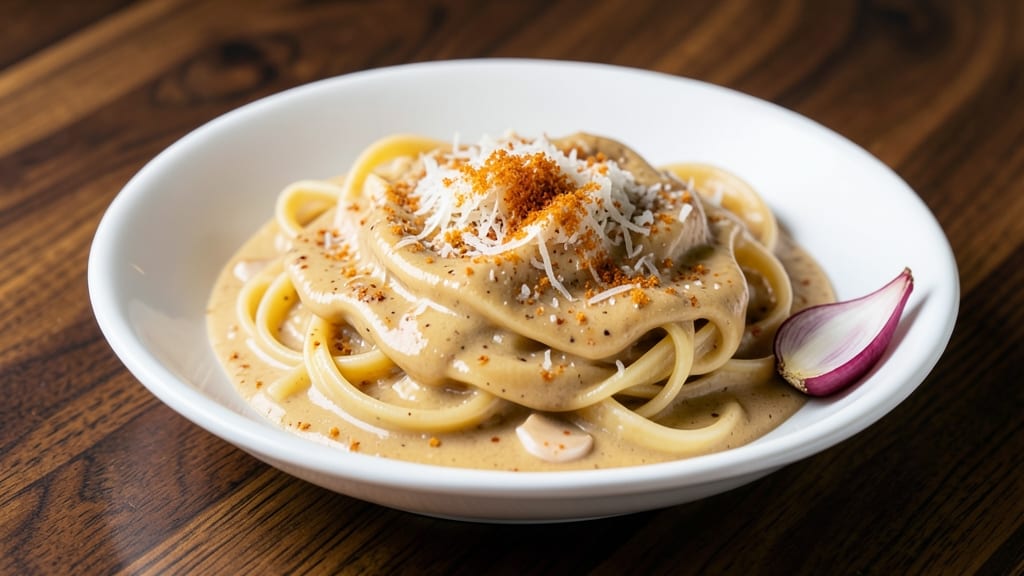
This Alfredo sauce recipe delivers restaurant-quality creaminess with precise measurements that guarantee a velvety, ultra-smooth texture every time. The secret lies in balancing rich butter, heavy cream, and freshly grated Parmesan—no lumps, no separation, just a luxurious sauce that clings perfectly to pasta or proteins.
I’ve perfected this ratio after years of testing, ensuring it’s foolproof for home cooks while still feeling like a refined technique.
The foundation starts with 8 tablespoons of butter melted into 2 tablespoons of flour to create a smooth roux, the base for all great sauces.
Then, 2 cups of heavy cream are warmed gradually to prevent curdling, while 1 ½ cups of freshly grated Parmesan (the key to authentic flavor) dissolve into a silky emulsion.
A clove of garlic and a pinch of nutmeg add depth without overpowering, and the sauce thickens to a perfect coating consistency—thick enough to cling, thin enough to drizzle.
What sets this apart is the precision in ratios: too much cream makes it watery, too little Parmesan loses that signature richness. The result is a sauce so versatile it elevates fettuccine, chicken, or even roasted vegetables into a gourmet meal.
It also reheats beautifully, making it ideal for meal prep—just store it in the fridge for up to 5 days or freeze for longer.
For those seeking variations, a vegan version swaps butter and cream for olive oil and coconut milk, while a lighter take uses Greek yogurt instead of half the cream.
But the classic version? It’s the one that turns simple pasta into a standout dish. Here’s how to make it perfectly every time.
Ingredients for alfredo sauce recipe measurements
Eight ingredients, precise ratios, and a velvety sauce that transforms ordinary pasta into a gourmet masterpiece.
| Ingredient | Amount | Notes |
|---|---|---|
| Unsalted Butter 🧈 | 8 tbsp | Cold, cut into small cubes |
| All-Purpose Flour 🌾 | 2 tbsp | Diamond Crystal preferred |
| Heavy Cream 🥛 | 2 cups | Full-fat, cold from fridge |
| Parmesan Cheese 🧀 | 1 ½ cups | Freshly grated, fine |
| Garlic Cloves 🧄 | 1 whole | Fresh, peeled, minced |
| Ground Nutmeg 🌿 | ¼ tsp | Freshly ground preferred |
| Sea Salt 🧂 | ¼ tsp | Fine grain, kosher preferred |
| White Wine 🍷 | ¼ cup | Dry, optional for depth |
The butter is non-negotiable—use unsalted to control seasoning perfectly, and cut it into small cubes for even melting. Diamond Crystal flour (not the salted kind) creates a smoother roux without altering flavor. For the Parmesan, invest in a freshly grated wedge from a specialty shop like Whole Foods—pre-grated cheese contains anti-caking agents that prevent proper emulsification. The heavy cream should be cold when added to prevent curdling, and full-fat ensures maximum richness. Trader Joe's often carries high-quality European-style Parmesan at reasonable prices, perfect for this application.
No unsalted butter? European-style cultured butter works in a pinch, though it may alter flavor slightly. Substituting half-and-half for heavy cream results in a lighter sauce, but texture suffers—stick to 35% fat minimum for authentic results. Fresh garlic is ideal, but garlic powder at half the amount (1/4 tsp) will suffice if needed. The white wine adds depth but isn't essential—omit if avoiding alcohol, though the sauce will lack complexity. For a nutmeg substitute, a pinch of cinnamon provides warmth, though it won't replicate the same earthy notes. When measuring Parmesan, use a food scale for precision—1.5 cups by volume can vary wildly in actual weight.
This sauce thickens as it cools, so stir in 1-2 tbsp of warm water if it becomes too stiff. Store in an airtight container with a thin layer of parchment paper pressed against the surface to prevent a skin from forming. Keeps 5 days refrigerated or 3 months frozen—portion into ice cube trays before freezing for easy single-use servings. For meal prep, reheat gently over low heat, stirring constantly to prevent separation. The sauce reheats beautifully but may require a splash of warm cream to restore silkiness if stored longer than 3 days.
Why You'll Love This Recipe
- Five-Ingredient Magic: I swear by this combo—just butter, flour, cream, cheese, and garlic. No weird pantry raids, no last-minute grocery runs. The flour and butter make a quick roux while I chop garlic (seriously, two cloves max), then the cream and Parmesan do all the heavy lifting. It’s the kind of sauce where you measure once, stir twice, and boom—done.
- Rich Without Effort: That first taste of the garlic-infused cream hitting your tongue? Pure satisfaction. The Parmesan melts into the warm butter, giving it that velvety, nutty depth without needing fancy techniques. I’ll be real: my first batch was a little grainy, but now I know to whisk the cheese in slowly—that’s when it becomes dangerously good.
- Pasta Party Fix: This sauce turns any pasta into an event. Fettuccine? Obvious. But toss it with roasted chicken for a weeknight dinner, or drizzle it over garlic bread when company’s coming. Even my picky teenager asks for seconds—(yes, even on a Tuesday night). The best part? It reheats like a dream, so leftovers taste just as good the next day.
- Budget Stretch: A jar of Parmesan and a stick of butter go a long way here. I make this sauce for two meals: one night with fettuccine, the next with grilled shrimp. The heavy cream might seem pricey, but you only need half a cup, and the flavor makes it worth it. Honestly, it’s my secret weapon for making fancy feelings without breaking the bank.
Step-by-step instructions for Alfredo sauce recipe measurements
Mastering these precise ratios transforms ordinary ingredients into velvety perfection.
Create a Roux with Butter and Flour
In a heavy-bottomed saucepan, melt the 8 tablespoons unsalted butter over medium-low heat. Watch closely as it transforms from solid to liquid—you want to see it foam gently before adding anything else. Once fully melted, immediately whisk in the 2 tablespoons all-purpose flour to form a smooth paste.
Cook this mixture for 1-2 minutes, stirring constantly with a wooden spoon or whisk. The goal is to create a light golden roux—this forms the flavor foundation and thickens the sauce. If it darkens too quickly, reduce the heat slightly. This step is crucial; a well-made roux prevents lumps and ensures a silky texture.
Cook the Garlic Until Fragrant
Add the 1 whole minced garlic clove and the 0.25 teaspoon sea salt to the roux. Stir continuously for 30-45 seconds until the garlic becomes fragrant but doesn't brown. Overcooking garlic turns it bitter, so keep your eye on the pan—you're aiming for aroma, not color. The garlic should dissolve completely into the mixture.
This is where the flavor gets complex. The garlic infuses the butter's richness while the salt begins to dissolve, creating a balanced seasoning base. If you notice any garlic pieces sticking, add a splash of the 0.25 cup white wine (if using) to deglaze and incorporate them fully.
Gradually Incorporate the Heavy Cream
Slowly pour in the 2 cups cold heavy cream, whisking vigorously to prevent lumps from forming. The sauce will thicken immediately as the cream hits the roux. Keep the heat at medium-low and continue stirring for 3-4 minutes until the mixture comes to a gentle simmer.
This gradual addition is key—adding cream too quickly creates a gluey texture. You want the sauce to thicken naturally as it heats. If it gets too thick prematurely, thin with a splash of warm milk or pasta water later. The cream should reduce slightly, creating a velvety consistency without being gluey.
Add Cheese and Nutmeg for Depth
Reduce the heat to low and gradually sprinkle in the 1.5 cups freshly grated Parmesan cheese, whisking constantly. The cheese should melt completely, creating a smooth, glossy sauce. If you see any unmelted cheese, lower the heat further and whisk more gently until fully incorporated.
Stir in the 0.25 teaspoon ground nutmeg and taste the sauce. The nutmeg adds warmth that balances the richness, while the Parmesan provides that signature umami depth. If the sauce is too thick, whisk in 1 tablespoon at a time of warm water or pasta water until it reaches a smooth, coatable consistency—it should cling to the back of a spoon.
Simmer to Perfect Consistency
Return the sauce to a gentle simmer and cook for 2-3 minutes, stirring occasionally. The sauce should now coat the back of a spoon but still be pourable. If it's too thin, simmer uncovered for another minute to reduce further. If it's too thick, thin with more warm water or pasta water.
Remove from heat immediately—Alfredo sauce continues to thicken as it cools. Cover the saucepan and let it rest for 5 minutes before serving. This resting period allows the flavors to meld completely. The final sauce should be luxurious, smooth, and perfectly balanced—rich enough to coat pasta but light enough to cling beautifully.
Pro Tips For Making Alfredo Sauce Recipe Measurements
- Melt Butter Slowly: Unsalted butter burns faster than you think—especially when you’re distracted. Warm it over medium-low heat until it’s just liquid, then pull the pan off the heat for 30 seconds before adding flour. This keeps the base from seizing up or developing a bitter taste.
- Toast the Flour: I used to skip this, but now I swear by it: cook the flour in butter for 1-2 minutes until it’s a light golden color. It deepens the flavor and prevents that raw flour taste—yes, even if you’re in a hurry.
- Grate Parmesan Fresh: Pre-shredded cheese has anti-caking agents that make your sauce grainy. Use a microplane or fine grater for the last ¼ cup of Parmesan, and add it off the heat so it melts smoothly into the cream. Trust me, your sauce will taste richer.
- Simmer, Don’t Boil: Alfredo sauce curdles when it boils. Once the cream is added, keep the heat at a gentle simmer—tiny bubbles at the edges, not a rolling boil. If it thickens too fast, whisk in a splash of cold cream to cool it down.
Storing and reheating your alfredo sauce recipe measurements
Fridge Storage Tips
Transfer your freshly made Alfredo sauce to an airtight container—I prefer glass Pyrex with a tight-sealing lid—to maintain its creamy texture. Let it cool completely before refrigerating to prevent condensation, which can dilute the sauce.
Store it at 40°F or below for up to 5 days, but I recommend using it within 3 days for peak freshness. The sauce thickens as it chills, so stir in 1-2 tablespoons of warm water before reheating to restore its silky consistency. 🧊
Freezer Prep Tricks
For longer storage, portion the sauce into ice cube trays—this makes it perfect for single-use servings later. Once frozen, transfer the cubes to a freezer bag with all air removed to prevent freezer burn. Label with the date, as it keeps for 3 months without significant quality loss.
When ready to use, thaw overnight in the fridge or quickly in a bowl of warm water. Never microwave frozen Alfredo directly, as it can cause separation. ❄️
Reheating Like a Pro
For stovetop reheating, transfer the sauce to a saucepan and warm over low heat, stirring constantly with a silicone spatula. Add 1-2 tablespoons of warm water or heavy cream if it thickens too much. Avoid high heat—it can cause the sauce to curdle or develop a skin.
If you notice any lumps, whisk vigorously or strain through a fine-mesh sieve for a silky finish. The goal is to restore that luxurious, velvety texture without losing any flavor. 🔥
Microwave Shortcuts
When you're in a hurry, microwave the sauce in 30-second intervals, stirring well between each interval. Use a microwave-safe bowl and cover loosely with a damp paper towel to prevent drying. If the sauce separates, whisk in 1 tablespoon of warm heavy cream to re-emulsify.
For best results, transfer it to a saucepan afterward to finish warming gently. This method works in a pinch but isn’t ideal for large batches. 💡
Reviving Stale Sauce
If your refrigerated Alfredo sauce has developed a skin or lost some creaminess, don’t toss it! Place the container in a bowl of hot water for 5-10 minutes to gently warm it. Then whisk in 1-2 tablespoons of warm heavy cream or water until smooth.
This trick works wonders for bringing back that restaurant-quality texture without starting from scratch. A little patience goes a long way with this sauce. ✨
Meal Prep Hacks
Make a double batch and store half in the fridge for quick weeknight dinners. I like keeping a small jar in my fridge for last-minute tossing with pasta or drizzling over grilled chicken. For meal prep, reheat only what you need—Alfredo sauce reheats best in small portions.
If you’re prepping for a crowd, freeze individual portions in silicone molds for easy serving later. This way, you always have a gourmet sauce ready to elevate any dish. 💫
Nutrition facts
Frequently asked questions
Can I substitute heavy cream with something lighter?
Yes, but expect a thinner texture. Replace 1 cup of heavy cream with ¾ cup whole milk + ¼ cup sour cream for creaminess, or use 1 cup half-and-half for a lighter version. For best results, simmer the sauce longer to reduce excess liquid. The sauce will still taste rich but may not cling as beautifully to pasta.
Why did my Alfredo sauce get lumpy?
Lumps usually happen from adding cheese too quickly or not whisking enough. To fix it, strain the sauce through a fine-mesh sieve or blend briefly with an immersion blender. For prevention, whisk constantly when adding Parmesan and keep heat low. If the sauce separates, whisk in 1 tablespoon of warm heavy cream to re-emulsify.
How much sauce should I make for a pound of pasta?
This recipe yields about 3 cups of sauce, which perfectly coats 12-16 ounces of cooked fettuccine. For other pasta shapes, use 2 cups of sauce per pound. The sauce thickens as it cools, so start with slightly less if your pasta is very dry. For extra richness, toss with ½ cup of grated Parmesan after cooking.
Can I make this sauce without butter?
For a lighter version, replace butter with 8 tablespoons of olive oil (use high-quality extra virgin). The sauce will have a different flavor profile but still be creamy. For a vegan option, use 8 tablespoons vegan butter + 2 tablespoons cornstarch to help thicken. The texture will be slightly different but still delicious when paired with plant-based pasta.
How do I adjust the thickness for different dishes?
For pasta, aim for a sauce that coats the back of a spoon but still drizzles. For vegetables or proteins, thin with 1-2 tablespoons of warm water or pasta water until it reaches a pourable consistency. If making a dipping sauce, reduce the cream to 1.5 cups and add 1 tablespoon of lemon juice for brightness. Always taste and adjust as you go!