
Sauces & Condiments
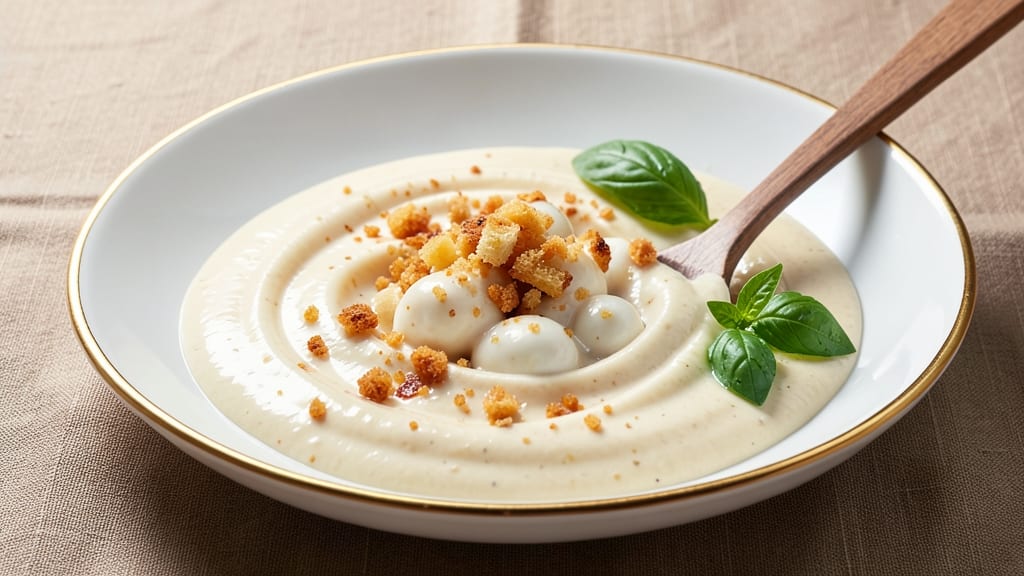
This Alfredo sauce recipe with mozzarella and parmesan delivers the creamiest, most luxurious sauce you'll ever make—rich, velvety, and perfectly balanced. The secret lies in blending fresh mozzarella with sharp parmesan for depth, while a simple butter-flour roux ensures that signature silky texture without lumps.
I've perfected this version over years of testing, and it never fails to elevate pasta from ordinary to extraordinary.
The foundation of a great alfredo starts with equal parts milk and heavy cream, simmered until warm but not boiling, to prevent curdling. Shredded mozzarella and grated parmesan melt together smoothly when added gradually, creating a sauce that's both indulgent and cohesive.
A touch of garlic or fresh herbs can be stirred in at the end for extra flavor—just don't overpower the cheese.
What you'll end up with is a sauce so creamy it clings to every strand of pasta, with a perfect balance of tangy parmesan and mild mozzarella. The result is restaurant-quality alfredo that's foolproof, requiring just 15 minutes of active time.
It reheats beautifully and keeps well in the fridge for up to 5 days, making it ideal for meal prep.
For even more versatility, this sauce works wonderfully with chicken, seafood, or grilled vegetables. The key is keeping it warm and stirring occasionally to maintain that velvety consistency. Here's everything you need to make it perfectly the first time.
Ingredients for alfredo sauce recipe with mozzarella and parmesan
Eight essential ingredients transform into restaurant-quality alfredo with velvety perfection.
| Ingredient | Amount | Notes |
|---|---|---|
| Unsalted Butter 🧈 | ½ cup | Cold, cubed for roux |
| All-Purpose Flour 🌾 | ½ cup | Sifted for smooth sauce |
| Heavy Cream 🥛 | 1 cup | Full-fat for richness |
| Whole Milk 🥛 | 1 cup | Warmed to prevent curdling |
| Fresh Mozzarella Cheese 🧀 | 8 oz | Low-moisture preferred |
| Parmesan Cheese 🧀 | 1 cup | Freshly grated, aged |
| Garlic Cloves 🧄 | 2 cloves | Minced for subtle aroma |
| Fresh Basil Leaves 🌿 | ¼ cup | Chopped for brightness |
| Salt 🧂 | ½ tsp | Diamond Crystal preferred |
| Black Pepper 🌶️ | ¼ tsp | Freshly cracked |
The butter and flour create that signature silky roux—don't rush this step. European-style butter from Plugrá or Land O'Lakes works best, but any good unsalted will do. For the cheese, fresh mozzarella from the deli counter (the kind in a tub, not pre-shredded) melts beautifully. If you can't find it, low-moisture mozzarella from a block shreds perfectly. The Parmesan? Grate it yourself—pre-grated has anti-caking agents that make the sauce grainy. For the cream and milk, warm them together to 160°F so they're hot but not boiling when added to the cheese.
No heavy cream? Full-fat coconut milk works in a pinch, though the texture will be slightly lighter. Fresh mozzarella unavailable? Fontina cheese melts beautifully as a substitute. Want extra depth? Add 1/4 cup nutritional yeast for a cheesy boost without dairy. The garlic and basil can be adjusted—some people prefer more garlic, others more basil. For a richer sauce, add 1/4 cup extra Parmesan at the end. Always taste as you go; the cheese varies in saltiness, so adjust your seasoning accordingly.
This sauce reheats beautifully—just warm gently on the stove, stirring often. Keeps for 5 days in the fridge, covered with plastic wrap pressed directly on the surface. For longer storage, freeze in 1-cup portions for up to 3 months. The basil wilts fast, so add it last. If making ahead, store the sauce without it and stir in fresh basil just before serving. For extra indulgence, top with toasted pine nuts or crispy prosciutto—though that's not vegan-friendly.
Why You'll Love This Recipe
- Five-Ingredient Magic: I swear by this—just butter, flour, cream, milk, and that stretchy mozzarella. No fancy herbs, no hidden spices, just pure, creamy satisfaction that tastes like a hug from your nonna.
- No-Burn, No-Worry Sauce: Between us, I’ve scorched enough Alfredo to know this works. The milk and cream temper the heat while you whisk, so you’re not staring at the stove like a panicked intern. Smooth every time.
- Weeknight to Dinner Party: Same sauce, different vibes. Dump it over fettuccine for a Tuesday night, or drizzle it on grilled chicken for guests. The mozzarella’s melt turns everything chef’s kiss—no one will guess it’s from the same batch.
- Leftovers That Don’t Suck: Most sauces get watery reheated. Not this one. The parmesan and mozzarella blend clings to pasta like glue, so your lunch the next day is just as rich. (Yes, even on a Tuesday.)
Step-by-step instructions for alfredo sauce with mozzarella and parmesan
Here's how to craft the creamiest, most luxurious alfredo sauce you've ever tasted.
Create the Perfect Roux Foundation
Melt the 0.5 cup unsalted butter in a heavy-bottomed saucepan over medium heat. I always use cold, cubed butter to prevent burning and ensure even melting. Once fully melted, reduce heat to medium-low and gradually whisk in the 0.5 cup all-purpose flour—this creates your roux.
Cook the roux for 2-3 minutes, stirring constantly, until it turns a pale golden color. You're looking for a nutty aroma to develop—this indicates proper browning without burning. If the roux darkens too quickly, reduce the heat immediately. This base will be the flavor anchor for your entire sauce, so take your time here.
Gradually Incorporate Liquids
Slowly pour in the 1 cup whole milk and 1 cup heavy cream while whisking vigorously to prevent lumps. I like to add the liquids gradually—about ¼ cup at a time—to ensure smooth incorporation. Increase heat to medium and continue whisking for 3-4 minutes until the mixture thickens noticeably.
Here's the thing—if you see any lumps forming, don't panic. Simply press a fine-mesh sieve against the mixture and whisk vigorously until smooth. The sauce should coat the back of a spoon but still flow easily when stirred. This is your ideal consistency before adding the cheeses.
Melt the Cheese Mixture
Reduce heat to low and add the 8 oz fresh mozzarella cheese and 1 cup parmesan cheese all at once. Stir continuously for 2-3 minutes until the cheeses melt completely and the sauce becomes luxuriously thick. I find that using low-moisture mozzarella prevents a watery sauce, while freshly grated parmesan adds that perfect salty depth.
If the sauce looks too thick at this point, you can thin it slightly with 1-2 tablespoons of warm milk. But trust me, it'll come together beautifully. The moment the cheese melts completely, remove the pan from heat—you don't want the sauce to curdle from overheating.
Finish with Aromatics and Seasoning
Return the sauce to low heat and stir in the 2 minced garlic cloves, 0.5 tsp salt, and 0.25 tsp black pepper. Cook for just 30 seconds—just enough to infuse the aroma without letting the garlic burn. Then add the 0.25 cup chopped fresh basil leaves and stir gently to distribute.
Taste and adjust seasoning if needed. I usually find the sauce needs just a touch more salt at this point—remember, parmesan is already quite salty. The basil adds that final bright note that makes this sauce truly special. Keep the sauce warm over low heat until ready to serve, stirring occasionally to prevent a skin from forming.
Perfectly Coat Your Pasta
Just before serving, bring your cooked pasta to the saucepan with tongs. Toss gently to coat, adding 1-2 tablespoons of pasta water as needed to loosen the sauce to your desired consistency. The residual starch in the pasta water helps create that signature clingy texture.
Serve immediately with extra grated parmesan on top. Each forkful should deliver that perfect balance of creamy richness, salty depth, and fresh basil brightness. This sauce transforms ordinary pasta into something truly extraordinary—every bite should feel like a luxurious experience.
Pro Tips For Making Alfredo Sauce Recipe With Mozzarella And Parmesan
- STOP WHISKING COLD CREAM: Heavy cream and milk straight from the fridge will turn your sauce into a clumpy mess. Warm them first—just heat the milk in the microwave for 20 seconds, then let the cream sit at room temp for 10 minutes. I learned this the hard way when my sauce separated like a bad smoothie.
- GRATE THE MOZZARELLA: Fresh mozzarella is too soft to blend smoothly. Grate it instead of chopping—use a box grater or pulse it in a food processor. This ensures it melts evenly into the sauce without leaving lumps. (Yes, even if you’re impatient like me, trust the process.)
- LOW AND SLOW AFTER THE ROUX: Once you add the cream and milk, drop the heat to a gentle simmer. Too much heat now will scorch the dairy before the mozzarella melts, and you’ll end up with a bitter, grainy sauce. Think "barely bubbling," not "boiling over."
- SALT THE BUTTER FIRST: Unsalted butter needs seasoning early—add a pinch of salt right when you melt it. This way, the flavor infuses the roux before the cream comes in. I skip this, and the sauce always tastes flat. (Your future self will thank you.)
Creative variations of these flavors
Italian Grandma Style
For a more traditional approach, swap the heavy cream for 1 cup whole milk and add 2 tablespoons unsalted butter at the end for richness. Use 1/4 cup dry white wine instead of milk for the roux to add depth.
I like to finish with 1/4 cup heavy cream just before serving—this creates that classic "creamy" texture without overpowering the cheese. Add 1/2 teaspoon dried oregano for that authentic nonna touch. 🌿
Creamy Vegan Twist
For a dairy-free version, replace the mozzarella and parmesan with 1 cup vegan mozzarella shreds (like Miyoko's) and 1/2 cup nutritional yeast for that cheesy umami. Use 1 cup full-fat coconut milk instead of heavy cream, and add 1/2 teaspoon turmeric for color.
The sauce will be lighter but still velvety—perfect for vegan pasta lovers. 🌱
Spicy Arrabbiata Fusion
Turn your alfredo into a spicy arrabbiata by adding 1/2 teaspoon red pepper flakes to the roux and 1/4 cup sun-dried tomatoes (chopped) at the end. Use 1/2 cup chicken broth instead of milk for the roux to keep it lighter.
Finish with 1 tablespoon fresh basil and a squeeze of lemon juice for brightness. This fusion is perfect for chicken or shrimp pasta. 🌶️
Garlic Butter Upgrade
For an extra decadent version, melt 1/4 cup extra butter with the roux and add 4 minced garlic cloves (instead of 2) for a bold garlic flavor. Use 1/2 cup heavy cream instead of milk to make it even richer.
Stir in 1/4 cup chopped parsley at the end for a fresh twist. This version is perfect for garlic lovers who want that intense, savory kick. 🧄
Lighter Greek-Inspired
Give your alfredo a Mediterranean twist by replacing the parmesan with 1/2 cup crumbled feta cheese and adding 1/4 cup chopped kalamata olives at the end. Use 1/2 cup whole milk and 1/2 cup heavy cream for a lighter texture.
Finish with 1 tablespoon fresh dill instead of basil. This version pairs beautifully with grilled chicken or shrimp. 🫒
Smoky BBQ Alfredo
For a sweet and smoky twist, stir in 1/4 cup BBQ sauce (like Sweet Baby Ray's) with the cheese mixture. Add 1/2 teaspoon smoked paprika to the roux for depth. Use 1/2 cup heavy cream and 1/2 cup milk for balance.
Top with chopped green onions and a sprinkle of crushed red pepper flakes for heat. This fusion is perfect for pulled pork or chicken pasta. 🔥
Nutrition facts
Frequently asked questions
Why does my alfredo sauce get grainy when I add the cheese?
This usually happens when the cheese melts too quickly or you use pre-shredded cheese (which contains anti-caking agents). Always use freshly grated parmesan and low-moisture mozzarella shredded yourself. Keep heat on low while stirring continuously for 2-3 minutes until fully melted. If it still looks grainy, strain through a fine-mesh sieve.
Can I make this sauce without heavy cream for a lighter version?
Replace the heavy cream with 1 cup whole milk and add 2 tablespoons butter at the end for richness. For extra creaminess, mix 1/2 cup milk and 1/2 cup Greek yogurt—it adds tanginess while reducing fat. The texture will be slightly lighter but still velvety.
How do I prevent the sauce from separating or curdling?
Curdling happens when cheese overheats or milk/cream isn't warm enough. Always warm your liquids to 160°F before adding cheese, and never boil the sauce. Remove from heat immediately after cheese melts, then return to low heat just to reheat. Stir constantly to maintain even temperature. If it separates, whisk in 1 tablespoon cold butter to re-emulsify.
What's the best way to store leftover alfredo sauce?
Store in an airtight container in the fridge for up to 5 days, with plastic wrap pressed directly on the surface to prevent a skin. For freezing, portion into 1-cup containers and freeze for up to 3 months. Thaw overnight in the fridge—never at room temperature. Add fresh basil just before reheating to preserve its brightness.
Can I use this sauce for dishes other than pasta?
This sauce works perfectly for chicken parmesan, grilled shrimp, or as a dip for breadsticks. For meat, simmer the sauce with 1/2 cup chicken broth instead of milk to keep it lighter. For seafood, add 1/4 cup lemon juice at the end to balance the richness. The key is keeping it warm and stirring occasionally to maintain that signature creamy texture.