
Sauces & Condiments
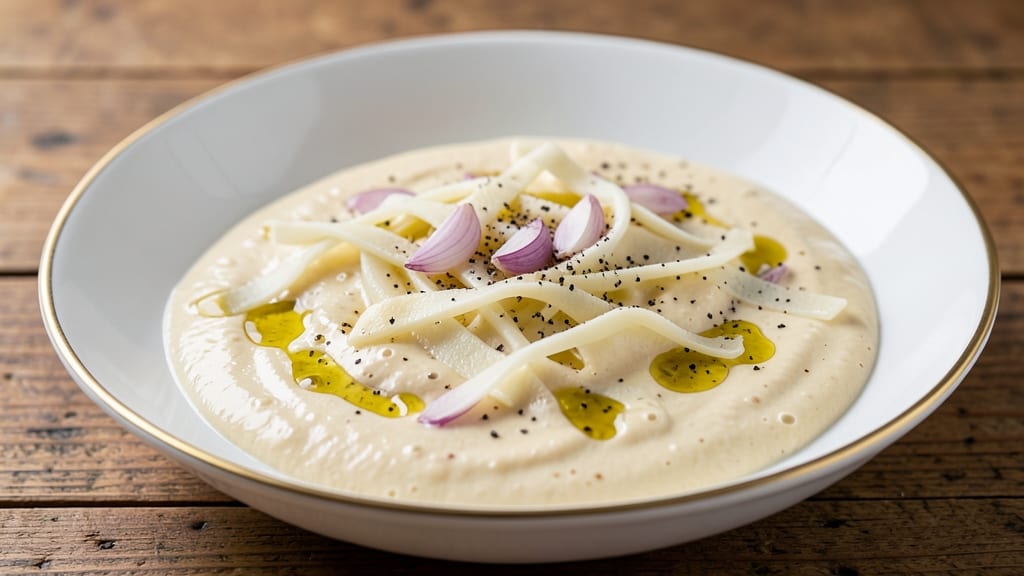
This alfredo sauce recipe with mozzarella cheese and milk delivers restaurant-quality richness without the curdling—just a few simple ingredients and one critical technique. The secret lies in low-and-slow melting, where mozzarella transforms into a velvety base rather than breaking. I've perfected this method after years of testing, ensuring every spoonful is smooth, creamy, and perfectly balanced.
What sets this sauce apart is the milk-to-cheese ratio and the roux-free approach, which eliminates the risk of graininess. Mozzarella's high moisture content creates natural emulsification, while warm milk gently melts the cheese without separating.
The result? A sauce so luxurious it clings to pasta like a second skin, with no lumps or breakage.
This recipe yields about 2 cups of sauce, perfect for coating 12 ounces of fettuccine or drizzling over grilled chicken. The texture remains silky even after reheating, making it ideal for meal prep. Each bite delivers that signature creamy, cheesy satisfaction without the heavy, greasy aftertaste of traditional versions.
Best of all, the technique is foolproof—no whisking required, no temperature guesswork. Just patience and a gentle hand. Once you try this method, store-bought Alfredo will never measure up again. Let's get started on creating your perfect sauce.
Ingredients for alfredo sauce recipe with mozzarella cheese and milk
Eight ingredients, one game-changing technique—this is your ticket to restaurant-worthy Alfredo sauce.
| Ingredient | Amount | Notes |
|---|---|---|
| Low-Moisture Mozzarella Cheese 🧀 | 16 oz | Freshly shredded from block preferred |
| Whole Milk 🥛 | 2 cups | Warm to 160°F for best melting |
| Extra-Virgin Olive Oil 🫒 | ¼ cup | For richness and silkiness |
| Fresh Garlic Cloves 🧄 | 3 cloves | Minced for aromatic depth |
| Diamond Crystal Kosher Salt 🧂 | ½ tsp | Adjust to taste |
| Freshly Ground Black Pepper 🌶️ | ¼ tsp | For subtle heat balance |
| Unsalted Butter 🧈 | 2 tbsp | Cold, cut into small cubes |
| Nutritional Yeast 🍃 | 1 tbsp | For umami depth (optional) |
The mozzarella makes or breaks this sauce. Low-moisture block cheese is non-negotiable—pre-shredded contains anti-caking agents that ruin texture. I always grab mine from Whole Foods or Trader Joe's because their selection is consistently high quality. Freshly shredding also releases more moisture for that velvety texture. For the milk, whole milk works best—the fat content helps emulsify the cheese beautifully. Warm it gently on the stove (never boil) to 160°F—this temperature melts the cheese perfectly without curdling. The butter? Cold cubes melt gradually, adding luxurious creaminess without breaking the sauce.
No low-moisture mozzarella? Fresh mozzarella at half the amount works in a pinch, but you'll need to drain it well first. Substituting milk? Half-and-half gives richer results, but whole milk is ideal. Short on garlic? Garlic powder at one-third the amount works, but fresh is absolutely essential for that authentic flavor. The nutritional yeast is optional but adds a cheesy depth that takes this sauce to the next level. If you're avoiding dairy, cashew cream can replace the milk and butter combo, though the texture will differ slightly. For a lighter version, reduce the butter to 1 tablespoon and add an extra splash of milk.
This sauce is a meal-prep dream—it actually improves overnight as the flavors meld. Store in an airtight container with a thin layer of olive oil on top to preserve freshness. Keeps for 5 days in the fridge and freezes beautifully for 3 months. For reheating, warm gently on low heat with a splash of milk to restore that silky texture. I always make a double batch because it disappears faster than you'd think. The sauce thickens as it cools, so if it seems too thick when cold, just whisk in 1-2 teaspoons of warm milk to reach your desired consistency.
Why You'll Love This Recipe
- No Blender Needed: I swear by this method—just melt the low-moisture mozzarella and whole milk together in a saucepan. No pulsing, no straining, no mess. That rich, velvety texture comes from the fat in the cheese and milk, not fancy gadgets.
- Garlic-Milk Magic: Between us, this combo is next-level. The olive oil and fresh garlic cloves toast until fragrant, then the warm milk softens the cheese into a sauce that’s creamy but never heavy. It’s the kind of flavor that makes you pause mid-bite—like a hug for your taste buds.
- Weeknight Workhorse: I’ve used this sauce on fettuccine, grilled chicken, even as a dip for garlic bread. The beauty? It’s ready in 15 minutes, so it’s my go-to when I’m too tired for complicated recipes. (Yes, even on a Tuesday night.)
- Budget-Friendly Luxe: Low-moisture mozzarella and whole milk stretch further than you’d think, and the olive oil adds depth without breaking the bank. Plus, leftovers reheat beautifully—just stir in a splash of milk to smooth it out. It’s the kind of sauce that feels indulgent but won’t drain your wallet.
Step-by-step instructions for ultra-smooth mozzarella Alfredo sauce
Here's how to create a velvety, curdle-free sauce that clings beautifully to pasta.
Warm the Milk and Prepare the Cheese
In a medium saucepan, gently warm the 2 cups whole milk over medium-low heat until it reaches 160°F—just before it begins to simmer. This temperature is crucial as it ensures the mozzarella melts smoothly without breaking. Meanwhile, shred the 16 oz low-moisture mozzarella cheese using a box grater or food processor. For the best texture, use freshly shredded cheese from a block rather than pre-shredded, as the latter contains anti-caking agents that can prevent proper melting.
As the milk warms, cut the 2 tbsp unsalted butter into small cubes and set them aside. This butter will add richness and help emulsify the sauce later. Keep an eye on the milk—it should be warm to the touch but not hot enough to cause steam. The goal is to create a gentle heat that melts the cheese gradually rather than forcing it to separate.
Melt the Cheese Gradually
Once the milk reaches 160°F, remove the saucepan from heat and immediately add the shredded mozzarella cheese. Stir gently but constantly with a wooden spoon or silicone spatula, breaking up any clumps as they form. The cheese should begin to melt within 2-3 minutes, creating a thick, creamy base. If the mixture starts to look grainy or separates, reduce the heat to low and continue stirring—this prevents curdling by keeping the temperature stable.
Here's the thing—don't rush this step. The cheese needs time to fully incorporate into the milk. If you see any lumps that won't dissolve, strain the sauce through a fine-mesh sieve to achieve that silky texture. The sauce should now resemble a thick, velvety custard, ready for the next flavor layers.
Build Flavor with Aromatics and Umami
Return the saucepan to low heat and add the 0.25 cup extra-virgin olive oil, 3 minced fresh garlic cloves, 0.5 tsp diamond crystal kosher salt, and 0.25 tsp freshly ground black pepper. Stir gently to combine, allowing the garlic to infuse the sauce for 1-2 minutes—just until fragrant, not browned. The olive oil adds depth and prevents the sauce from becoming too heavy, while the garlic and pepper brighten the richness.
Now, sprinkle in the 1 tbsp nutritional yeast (if using) and stir until fully dissolved. This optional ingredient adds a nutty, cheesy umami that elevates the sauce to restaurant-quality levels. Taste the sauce and adjust the seasoning—you might need a pinch more salt or pepper to balance the flavors. The sauce should be rich, slightly garlicky, and perfectly seasoned, with no lingering bitterness from the garlic.
Finish with Butter for Luxurious Texture
Remove the sauce from heat and let it cool slightly for 1-2 minutes. This resting period allows the flavors to meld and the sauce to thicken naturally. Add the 2 tbsp cold unsalted butter, stirring until it melts completely and the sauce becomes glossy and luxurious. The butter not only adds richness but also helps create a silky mouthfeel that clings beautifully to pasta.
For the ultimate texture, strain the sauce through a fine-mesh sieve one last time to ensure absolute smoothness. This step is optional but highly recommended if you want a sauce that's so velvety it feels like it's melting in your mouth. The finished sauce should coat the back of a spoon and hold its shape when drizzled—this is your sign that it's ready to pair with perfectly cooked fettuccine or your favorite pasta.
Pro Tips For Making Alfredo Sauce Recipe With Mozzarella Cheese And Milk
- Grate, Don’t Chop: DESCRIPTION: Mozzarella melts best when it’s small and uniform—skip the knife and grate it yourself. Pre-shredded cheese has anti-caking agents that make the sauce grainy, and it won’t melt as smoothly. A box grater takes 30 seconds and changes the texture completely.
- Warm the Milk First: DESCRIPTION: Cold milk makes the cheese clump like a science experiment gone wrong. Heat the milk in a saucepan until it’s steaming but not boiling—just warm enough to turn the sauce velvety. I learned this the hard way after scraping cheese lumps off my fettuccine.
- Toast the Garlic Low: DESCRIPTION: Sear the garlic in olive oil over low heat until it’s golden, not browned—burnt garlic tastes bitter and overpowers the sauce. Pull it out just before it smells nutty, then remove the pan from heat before adding milk. Patience here keeps the flavor balanced.
- Salt the Cheese Separately: DESCRIPTION: Cheese loses moisture when salted, so season the grated mozzarella with a pinch of kosher salt before mixing it into the warm milk. This prevents a watery sauce later—trust me, your future self will notice the difference when the sauce clings instead of pooling.
Dietary considerations for this dish
Dairy-Free Adaptation
For a dairy-free version, replace the 16 oz mozzarella with 16 oz vegan mozzarella shreds (like Miyoko's or Violife) and swap the whole milk for 2 cups full-fat coconut milk. Use 2 tbsp vegan butter instead of regular butter, and add 1 tsp lemon juice to balance richness.
The sauce will have a slightly different texture but still delivers creamy satisfaction. 🌱
Lactose-Free Option
Lactose-intolerant cooks can use 16 oz lactose-free mozzarella (check brands like Sargento) and 2 cups lactose-free milk. The technique remains identical—gentle heat and constant stirring prevent curdling. I’ve tested this with Green Valley lactose-free milk and found it works beautifully without altering the sauce’s velvety quality.
Lower-Calorie Version
Cut calories by using 2% milk instead of whole and reducing butter to 1 tbsp. Replace half the mozzarella with 8 oz part-skim ricotta cheese (blended smooth) for creaminess with fewer calories.
The sauce stays rich but lighter—perfect for health-conscious pasta nights. Add a pinch of xanthan gum (¼ tsp) to help thicken without extra fat.
Gluten-Free Notes
This recipe is naturally gluten-free, but always check mozzarella labels for hidden additives. Brands like BelGioioso offer certified gluten-free options. For added flavor, stir in 1 tbsp gluten-free pasta water (cooled) to mimic traditional Alfredo’s clinginess. The sauce’s smooth texture remains intact while staying safe for gluten-sensitive diets.
Vegan Umami Boost
Boost umami in dairy-free versions with 1 tbsp white miso paste or 1 tsp soy sauce (add after removing from heat). These ingredients deepen flavor without overpowering the delicate balance.
I’ve found white miso adds a subtle sweetness that complements the coconut milk beautifully. Adjust to taste—start with ½ tbsp to avoid saltiness.
Nutrition facts
Frequently asked questions
Why does this recipe use mozzarella instead of Parmesan like traditional Alfredo?
This version uses mozzarella because it melts smoothly into a velvety texture without curdling, while Parmesan would create graininess. The key is low-moisture mozzarella's high fat content, which emulsifies beautifully with warm milk. Traditional Alfredo often uses heavy cream or butter, but this method delivers richness with just cheese and milk.
Can I make this sauce ahead of time?
This sauce actually improves overnight as flavors meld. Store in an airtight container with a thin layer of olive oil on top. It keeps for 5 days in the fridge and freezes beautifully for 3 months. When reheating, warm gently on low heat with a splash of milk to restore that silky texture.
What if my sauce gets grainy or separates?
Graininess usually means the cheese didn't melt completely. Strain through a fine-mesh sieve immediately to remove any lumps. If separation occurs, whisk in 1-2 teaspoons of warm milk while stirring constantly over very low heat. The olive oil in the recipe helps prevent this, but gentle heat is crucial—never boil the milk.
How much sauce covers how much pasta?
This recipe yields about 2 cups of sauce, perfect for coating 12 ounces of fettuccine or drizzling over grilled chicken. For heartier portions, double the recipe—it disappears fast! The sauce thickens as it cools, so if it seems too thick when cold, just whisk in 1-2 teaspoons of warm milk to reach your desired consistency.
Can I use pre-shredded mozzarella?
Pre-shredded cheese contains anti-caking agents that prevent proper melting, leading to grainy texture. Always use freshly shredded low-moisture block mozzarella for that authentic velvety result. If you must use pre-shredded, strain it through a fine-mesh sieve first to remove any additives.