
Sauces & Condiments
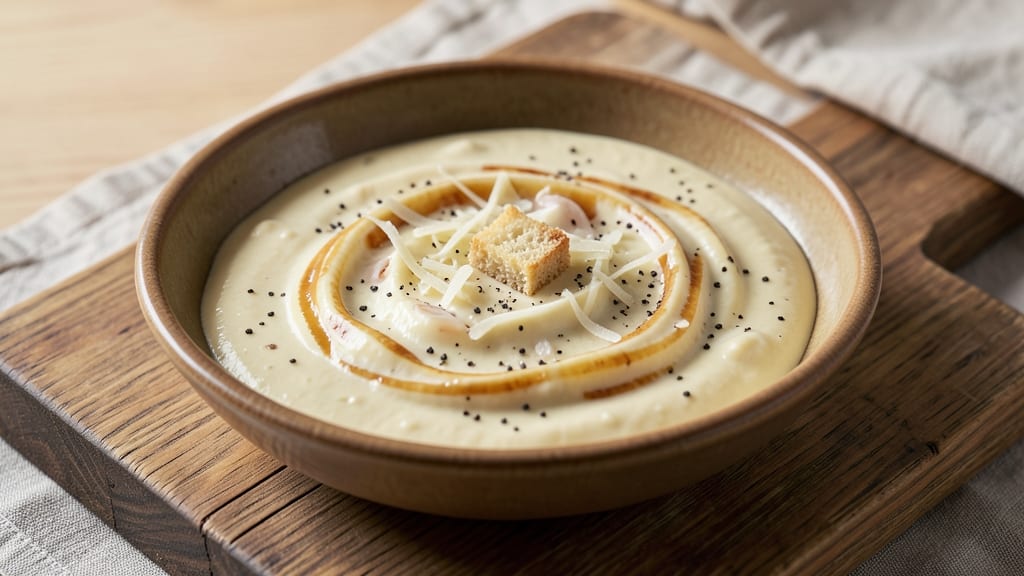
This alfredo sauce recipe small batch delivers velvety perfection without the risk of curdling—just four simple ingredients and a foolproof technique. The secret lies in tempering the cream properly, ensuring a sauce that's rich, smooth, and ready in under 10 minutes.
I've perfected this version for small batches, so you can make exactly what you need without leftovers going to waste.
What sets this recipe apart is the no-curdling trick: warm the cream gradually over low heat while whisking constantly, then gradually incorporate it into the melted butter. This slow integration prevents separation, guaranteeing that creamy texture we all love.
The addition of garlic and Parmesan adds depth and richness, transforming basic ingredients into something truly special.
The result is a sauce that's ultra-creamy and perfectly balanced—neither too heavy nor too light. It coats pasta beautifully, clings to chicken or vegetables, and stays smooth even when reheated.
This small-batch approach means you can make just enough for two servings or scale it up effortlessly for a larger meal.
Store leftovers in the refrigerator for up to 3 days or freeze for longer storage—just reheat gently to maintain that silky consistency. Whether you're serving it over fettuccine or drizzling it over grilled chicken, this sauce will elevate any dish with minimal effort.
Ingredients for alfredo sauce recipe small batch
Four simple ingredients, one foolproof technique—this small batch alfredo delivers restaurant-quality creaminess every time.
| Ingredient | Amount | Notes |
|---|---|---|
| Heavy Cream 🥛 | 1 cup | Full-fat for maximum creaminess |
| Unsalted Butter 🧈 | 4 tbsp | Cold, cubed for gradual melting |
| Fresh Garlic Cloves 🧄 | 2 cloves | Minced finely for aromatic depth |
| Parmesan Cheese 🧀 | ½ cup | Freshly grated from block |
| Diamond Crystal Kosher Salt 🧂 | ¼ tsp | Fine grain for delicate seasoning |
| Freshly Ground Black Pepper 🌶️ | ⅛ tsp | For subtle heat balance |
| Extra-Virgin Olive Oil 🫒 | 1 tbsp | For final richness touch |
The heavy cream is non-negotiable here—full-fat gives you that velvety texture. Trader Joe's brand is my go-to for consistency, but any heavy cream with at least 36% fat works. The butter should be cold when you add it—this slow-melting technique is what prevents curdling. Freshly grated Parmesan makes all the difference (no pre-shredded, trust me). For the garlic, peel and mince it just before using—raw garlic has more punch than cooked. If you're worried about burning, toast the minced garlic in the olive oil for 30 seconds first.
No heavy cream? Half-and-half plus a splash of whole milk works in a pinch, but the sauce will be lighter. Substituting butter with margarine is a bad idea—it won't melt the same way. Short on Parmesan? Pecorino Romano has a sharper bite, but use half the amount. Want to make it dairy-free? Swap the cream for full-fat coconut milk (though texture will differ). The olive oil isn't just for flavor—it adds that final luxurious mouthfeel. If you're making this ahead, skip the olive oil until serving to prevent separation.
This sauce is best used fresh, but leftovers keep beautifully. Store in an airtight container in the fridge for up to 3 days, covered with a thin layer of plastic wrap pressed directly on the surface to prevent a skin. For longer storage, freeze in 1-tablespoon portions—perfect for single servings. When reheating, warm gently over low heat, whisking constantly until smooth. Never microwave—it breaks the emulsion. If the sauce thickens too much, thin with a splash of warm water or milk. The no-curdling trick works even after reheating if done properly.
Why You'll Love This Recipe
- Five-Ingredient Magic: This sauce is that easy—just melt butter, toss in garlic and cream, then grate in Parmesan. No emulsifiers, no stress, just pure, velvety perfection with ingredients you already own.
- Garlic-Parmesan Bomb: That fresh garlic sizzle in butter? It’s the secret weapon. When it melts into the cream and Parmesan, it’s rich, salty, and dangerously addictive—like a hug for your taste buds.
- Weeknight Superhero: I make this when I’m too tired for fussy recipes. Dump it on fettuccine, toss with grilled chicken, or even drizzle over roasted veggies—it’s my go-to when I need flavor fast.
- Leftovers That Lie: Honestly, I almost always make extra. The sauce thickens beautifully when reheated, and it keeps for days in the fridge—so I can pretend I’m not just eating last night’s dinner again. (Between us, it’s still delicious.)
Step-by-step instructions for ultra-creamy small-batch alfredo sauce
Here's the foolproof method for velvety, never-curdling sauce that clings beautifully to pasta.
Melt Butter and Garlic for Flavor Foundation
In a medium saucepan, melt the 4 tbsp unsalted butter over medium-low heat. I like to use cold, cubed butter so it melts gradually rather than splattering. Once fully melted, add the 2 cloves minced fresh garlic cloves and cook for 30 seconds until fragrant but not browned.
This low-and-slow approach prevents burning the garlic, which would make the sauce bitter. The butter's gradual melting also creates a smoother emulsion with the cream later. Watch the pan carefully—garlic burns faster than you think.
Gradually Warm the Heavy Cream
Reduce heat to low and slowly pour in the 1 cup heavy cream. Stir gently to combine, being careful not to create any bubbles. Let the mixture warm through for 2-3 minutes, stirring occasionally, until it reaches 160°F. This gentle warming prevents curdling by avoiding sudden temperature shocks.
The reason we warm the cream gradually is that cold cream added to hot butter would cause immediate separation. This slow method ensures we build a stable emulsion where the fat and liquid stay perfectly suspended. You'll know it's ready when the mixture looks silky and the temperature reaches 160°F on an instant-read thermometer.
Incorporate the Parmesan and Season
Remove the saucepan from heat and immediately whisk in the ½ cup freshly grated Parmesan cheese until completely dissolved. Then stir in the ¼ tsp diamond crystal kosher salt and ⅛ tsp freshly ground black pepper. Return the pan to low heat and let it simmer gently for 1-2 minutes to meld the flavors.
Here's the secret to creamy perfection: the heat from the pan helps emulsify the cheese fats with the cream, creating that signature Alfredo texture. If you see any lumps, whisk vigorously or use a handheld immersion blender for 10 seconds to achieve a completely smooth consistency. The sauce should coat the back of a spoon like liquid silk.
Finish with Olive Oil for Richness
Remove from heat and stir in the 1 tbsp extra-virgin olive oil. This final touch adds depth of flavor and helps stabilize the sauce further. Taste and adjust seasoning if needed—Alfredo should be rich, salty, and slightly peppery without being overpowering.
The olive oil doesn't just add flavor; it creates a protective layer that prevents the sauce from breaking when tossed with hot pasta. For best results, use this sauce immediately while still warm. It's designed to coat 4 servings of fettuccine perfectly, with no leftovers needed.
Pro Tips For Making Alfredo Sauce Recipe Small Batch
- Melt Butter Slowly: I learned this the hard way—dumping cold butter into a hot pan turns it to grease faster than you can say "sauce disaster." Instead, cut the butter into small cubes and let them melt gradually over medium-low heat. This keeps the sauce smooth and prevents it from breaking or separating when you add the cream later.
- Mince Garlic Like You Mean It: Fresh garlic makes all the difference, but if you just chop it roughly, you’ll taste it. Use a knife to smash the cloves flat first, then mince into a fine paste—think more like a thick jam than chunks. This ensures the flavor blends in without overpowering, and it cooks faster so it doesn’t burn.
- Strain the Parmesan: Yes, even if you’re lazy like me, this step changes the game. Grate the Parmesan fresh (none of that pre-shredded stuff) and strain it through a fine-mesh sieve to remove the grit. Trust me, your sauce will taste richer and silkier—no one wants to chew tiny cheese crystals while eating fettuccine.
- Temper the Cream: After melting the butter and garlic, let the pan cool just enough to touch with your finger—it should feel warm, not scorching. Then, slowly whisk in the heavy cream a little at a time. This prevents the sauce from curdling, which is especially important for small batches where mistakes are more obvious. (Your future self will thank you.)
Wine and beer pairings for alfredo sauce recipe small batch
Italian White Wines
For this rich, creamy sauce, I reach for Vermentino from Sardinia—its bright acidity and citrus notes cut through the richness beautifully. A crisp Pinot Grigio from Alto Adige also works wonderfully, balancing the sauce's weight with its refreshing minerality.
Avoid heavy whites like Chardonnay, which would compete with the sauce's natural flavors. 🍷
Light Italian Reds
A Chianti Classico or Sangiovese offers an unexpected but harmonious pairing. The sauce's creaminess contrasts nicely with the wine's tart acidity and earthy cherry notes. For a lighter option, try Frappato from Sicily—its bright red fruit and herbal notes complement the garlic and Parmesan beautifully.
Serve slightly chilled for best results.
Craft Beer Options
If wine isn't your thing, a Belgian witbier like Hoegaarden brings citrusy coriander notes that refresh the palate. For something bolder, try a German Helles Lager—its malty sweetness balances the sauce's richness without overpowering it. Avoid hoppy IPAs, which would clash with the delicate creaminess. 🍺
Non-Alcoholic Pairings
For a refreshing non-alcoholic option, serve with sparkling apple cider—its effervescence cleanses the palate between bites. A ginger beer with a splash of lime also works wonderfully, adding a zesty contrast.
For something more substantial, try a sparkling grape juice like Martinelli's Sparkling Brut—it mimics wine's acidity without the alcohol.
Seasonal Considerations
In summer, I prefer lighter options like Soave or Gavi—their crisp acidity matches the sauce's creaminess without feeling heavy. For winter meals, a Barolo or Amarone adds warmth and depth to the rich sauce.
The key is balancing the sauce's richness with something bright and refreshing, regardless of the season.
Serving Temperature Tips
Serve your wine or beer slightly chilled—around 50-55°F for whites and 45-50°F for lagers. This enhances their acidity and makes them more refreshing against the warm sauce.
Never serve red wine chilled, as it dulls the flavors. The right temperature makes all the difference in enjoying both the sauce and your drink together. ✨
Nutrition facts
Frequently asked questions
Can I make this small-batch Alfredo sauce without heavy cream?
You can substitute with ½ cup half-and-half plus ¼ cup whole milk, but the texture will be lighter. For a richer alternative, try full-fat coconut milk (though it may have a slight coconut flavor). The key is maintaining the fat content—never use skim milk or low-fat dairy, as it will separate and curdle.
Why does my Alfredo sauce sometimes curdle or separate?
Curdling happens when cold cream hits hot butter too quickly. The fix is simple: always warm the cream gradually over low heat (to 160°F) before combining with melted butter. Stir constantly and avoid high heat. If it separates, whisk in 1 tsp cold butter or cream cheese to re-emulsify. The olive oil in this recipe also helps stabilize the sauce.
How do I store leftovers to keep them creamy?
Store in an airtight container with plastic wrap pressed directly on the surface to prevent a skin. Refrigerate for up to 3 days—reheat gently over low heat while whisking constantly. For longer storage, freeze in 1-tablespoon portions (perfect for single servings). Never microwave, as it breaks the emulsion. If thickened, thin with a splash of warm water or milk.
Can I use pre-shredded Parmesan in this recipe?
No—pre-shredded Parmesan contains anti-caking agents that prevent it from dissolving properly, leading to grainy texture. Always use freshly grated Parmesan from a block. For convenience, buy a block and grate it yourself—it makes a world of difference in the final sauce.
What's the best way to scale this recipe up or down?
This recipe is designed for easy scaling! For a larger batch, double all ingredients and use a larger saucepan. For smaller portions, reduce to ¼ cup heavy cream, 1 tbsp butter, 1 clove garlic, and 2 tbsp Parmesan. Maintain the same ratios—1 cup cream : 4 tbsp butter : ½ cup Parmesan—to keep the texture perfect. The no-curdling trick works at any scale!