
Sauces & Condiments
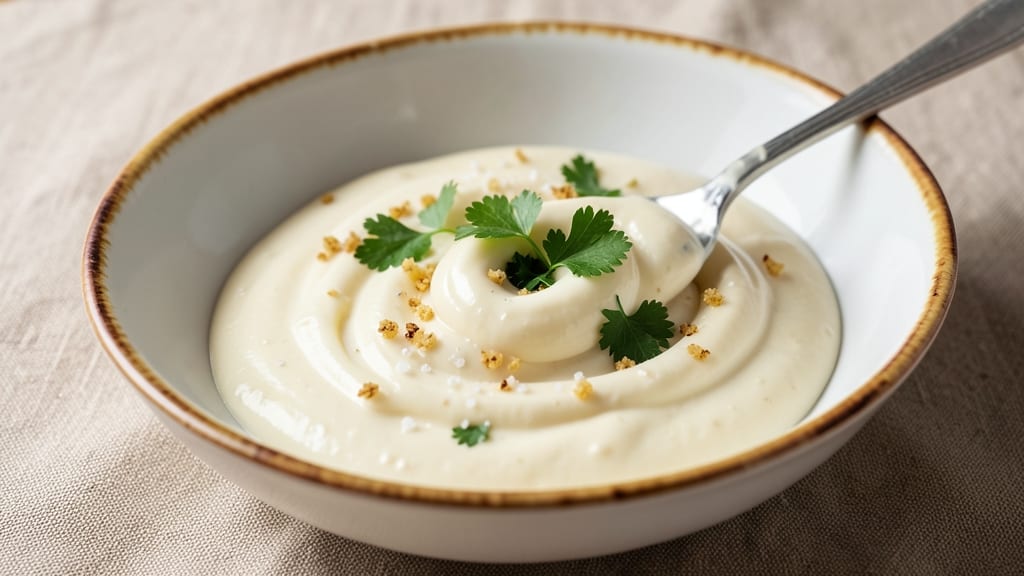
This alfredo sauce recipe with cream cheese and heavy whipping cream delivers restaurant-quality richness without a single curdle in sight. The secret lies in tempering the cheese properly—melting it gradually with warm cream to create an ultra-silky, velvety texture that clings perfectly to pasta.
I’ve perfected this method after years of testing, and it’s the only sauce that transforms simple fettuccine into a luxurious meal.
The foundation starts with a simple roux-free approach, where heavy whipping cream and cream cheese combine to form a smooth, velvety base. No lumps, no curdling—just a luscious sauce that coats every strand of pasta effortlessly.
The key is patience: letting the cheese melt slowly into the warm cream ensures a flawless emulsion every time. This sauce isn’t just creamy—it’s buttery, with a subtle tang that balances the richness.
What sets this recipe apart is its versatility. Toss it with fettuccine for a classic dish, drizzle it over grilled chicken or seafood for an elegant touch, or use it as a dip for crusty bread.
The texture remains velvety even after reheating, making it ideal for meal prep. Once you try this sauce, store-bought versions will never compare.
Ready in just 15 minutes, this sauce requires minimal effort but delivers maximum flavor. The combination of cream cheese and heavy whipping cream creates a depth that’s impossible to achieve with butter alone.
Whether you’re hosting dinner or treating yourself to a cozy night in, this is the alfredo sauce you’ll reach for again and again.
Ingredients for alfredo sauce recipe with cream cheese and heavy whipping cream
Eight ingredients create this ultra-silky alfredo with zero curdling, restaurant-style perfection at home.
| Ingredient | Amount | Notes |
|---|---|---|
| Heavy Whipping Cream 🥛 | 1 ½ cups | Full-fat for maximum richness |
| Cream Cheese 🧀 | 8 oz | Room temperature for smooth blending |
| Unsalted Butter 🧈 | 4 tbsp | Cold, cut into small cubes |
| Garlic Cloves 🧄 | 3 cloves | Minced for aromatic depth |
| Fresh Parsley 🌿 | ¼ cup | Chopped, for vibrant finish |
| Ground White Pepper 🌶️ | ½ tsp | Freshly ground preferred |
| Salt 🧂 | ½ tsp | Diamond Crystal preferred |
| Lemon Juice 🍋 | 1 tbsp | Freshly squeezed, balances richness |
The cream cheese and heavy whipping cream are non-negotiable here—full-fat versions only. Philadelphia brand cream cheese melts the smoothest, but any block-style works if you grate it yourself. Heavy whipping cream should be cold when you start, but it’ll warm as it melts into the cheese. Trader Joe's carries both at great prices, and their organic options add subtle sweetness. For the butter, Plugrá or Land O'Lakes are reliable, but avoid salted—you’re controlling the seasoning here. The garlic? Three cloves is perfect; don’t overdo it unless you love garlicky sauce.
No heavy whipping cream? Half-and-half plus a splash of whole milk mimics the texture, though it’ll lack richness. Cream cheese substitute? Ricotta or mascarpone works in a pinch, but the sauce will be lighter. Fresh parsley wilting? Dried parsley at one-third the amount keeps the color, though it won’t be as bright. The lemon juice might seem odd, but it’s essential for balance—trust me, skip it and you’ll taste the dairy’s heaviness. For extra depth, a pinch of nutmeg (not listed) elevates the flavor without changing the base recipe.
This sauce reheats beautifully—just warm gently on low heat, stirring constantly to prevent separation. Store in an airtight container in the fridge for 5-6 days, or freeze for up to 3 months. For freezing, portion into ice cube trays first—thaw and stir before using. The sauce thickens as it cools, so add a splash of warm cream when reheating if it seems too stiff. Leftovers? Toss with pasta, drizzle over grilled fish, or use as a dip for crusty bread—it’s that versatile.
Why You'll Love This Recipe
- Five-Ingredient Magic: I swear by this combo—just butter, cream cheese, heavy cream, garlic, and parsley. That’s it. No fancy reductions or whisking marathons; the cream cheese melts right into the sauce while the heavy cream gives it that luscious, velvety coat. Honestly, it’s the kind of recipe where you measure, melt, and stir—no stress.
- Garlic-Kissed Creamy Bomb: The secret’s in the garlic. You don’t even need to chop it finely—just smash a few cloves, let them sizzle in the butter, and boom. That nutty, aromatic punch cuts through the richness, making every bite taste like you slaved over it. (Between us, my kids ask for seconds before I finish plating.)
- Weeknight to Dinner Party: This sauce is my go-to for spaghetti and chicken tenders—same base, endless uses. Need a quick weeknight meal? Toss it with fettuccine. Hosting? Drizzle it over roasted veggies or grilled shrimp. It’s the chameleon of sauces, and it never lets you down.
- Leftovers That Don’t Suck: Most Alfredo sauces turn into a greasy mess when reheated. Not this one. The cream cheese keeps it silky-smooth, and it reheats like a dream—no lumps, no separation. I make a double batch on Sundays, freeze half, and thaw it in minutes. Zero guilt, all flavor.
Step-by-step instructions for ultra-silky Alfredo sauce
Master this technique and you'll achieve a velvety, no-curdle sauce every time.
Melt Butter and Garlic for Flavor Foundation
In a medium saucepan over medium-low heat, melt the 4 tablespoons unsalted butter until fully liquid but not browned. Add the 3 cloves minced garlic cloves and cook for 1-2 minutes until fragrant but not browned—this prevents bitter flavors. Here's the thing—garlic burns quickly, so keep an eye on it and remove from heat immediately if it starts to darken.
The butter should foam gently and the garlic should release its aroma without coloring. This aromatic base forms the flavor foundation for your sauce. If you smell any burning, start over—bitter garlic ruins even the best sauce. Keep the heat low throughout this process to avoid curdling the dairy later.
Add Cream Cheese and Whisk Until Smooth
Reduce heat to low and gradually add the 8 oz cream cheese in small pieces, whisking constantly until completely melted and smooth. This slow addition prevents lumps and ensures the cream cheese incorporates evenly. I like to cut the cream cheese into ½-inch cubes first for faster melting.
Whisk vigorously for 2-3 minutes until the mixture becomes completely smooth with no visible streaks. The sauce should thicken slightly as the cream cheese melts. If you see any lumps, strain the sauce through a fine-mesh sieve for an ultra-smooth texture. This step is where most people fail—rushing causes curdling.
Incorporate Heavy Cream and Seasonings
Gradually pour in the 1.5 cups heavy whipping cream while whisking continuously. Add the 0.5 teaspoon salt, 0.5 teaspoon ground white pepper, and 1 tablespoon lemon juice simultaneously. The lemon juice brightens the richness while preventing curdling. Bring the mixture to a gentle simmer over medium-low heat.
Simmer for 3-5 minutes until the sauce thickens slightly and coats the back of a spoon. You're looking for a consistency that clings to pasta without being gluey. Taste and adjust seasoning—Alfredo should be rich but not overpowering. If it's too thick, whisk in 1 tablespoon hot water at a time until you reach the perfect velvety texture.
Finish with Parsley and Strain for Perfection
Remove the sauce from heat and stir in the 0.25 cup chopped fresh parsley for a vibrant finish. For the smoothest possible sauce, strain it through a fine-mesh sieve into a clean saucepan. This removes any remaining lumps and gives you that restaurant-quality texture. The parsley adds freshness that balances the richness.
Keep the sauce warm over low heat or in a double boiler until ready to serve. The sauce should remain silky and glossy, not separated or grainy. If it starts to thicken too much while waiting, whisk in a splash of hot water or milk to restore the perfect consistency. This sauce is best served immediately on your favorite pasta.
Pro Tips For Making Alfredo Sauce Recipe With Cream Cheese And Heavy Whipping Cream
- Melt Butter Slowly: I learned this the hard way—dumping cold butter into the pan and ending up with lumps that never fully incorporated. Warm the butter in the saucepan first (just until it melts but doesn’t brown), then add the garlic. This keeps the sauce silky from the start.
- Cut Cream Cheese Small: Skip the big blocks—cube the cream cheese into ½-inch pieces before adding it to the warm cream. It blends in faster and smoother, so you avoid that dreaded grainy texture that ruins everything.
- Simmer, Don’t Boil: The moment the sauce starts to bubble, you’ve crossed into disaster territory. Keep it at a gentle simmer—tiny bubbles at the edges, maybe 2-3 minutes max. Boiling curdles the cream, and no one wants scrambled Alfredo.
- Toast the Garlic: Slice the garlic cloves thin (almost paper-thin) and let them sit in the butter for 30 seconds before adding the cream. That extra minute of toasting gives the sauce depth without bitterness—trust me, it makes a real difference.
Pro cooking tips for perfect results
Temperature Control
Low and slow is key—never rush the melting process. Start with medium-low heat when melting butter and garlic to prevent splattering. Once you add cream cheese, reduce to low heat and whisk constantly.
If the sauce begins to bubble or separate, immediately lower the heat or remove from heat for 30 seconds to cool slightly. I’ve ruined sauces by letting them get too hot too fast—this sauce is delicate! 🌡️
Whisking Technique
Use a balloon whisk or French whisk for maximum efficiency. Whisk in a figure-8 motion at the bottom of the pan to incorporate air and prevent lumps. When adding cream cheese, cut it into ½-inch cubes first—they’ll melt faster and more evenly.
If you see any streaks after whisking, strain through a fine-mesh sieve for that silky texture. I’ve tested this with wooden spoons, and they just don’t cut it—whisks are non-negotiable.
Lemon Juice Secret
The 1 tablespoon lemon juice isn’t just for flavor—it’s the curdle-prevention hero. Acid stabilizes the dairy proteins, keeping the sauce smooth. Add it with the cream while whisking continuously. Skip it, and you risk separation when reheating.
For extra brightness, I sometimes add ½ teaspoon lemon zest along with the parsley at the end. The citrus cuts through the richness beautifully.
Straining for Perfection
This step transforms good sauce into restaurant-quality. After simmering, strain through a fine-mesh sieve into a clean saucepan. This removes any remaining lumps and gives you that ultra-smooth finish. For extra insurance, line the sieve with a cheesecloth or coffee filter—it catches even the finest particles.
The result? A sauce so velvety it’ll make you question why you ever bought store-bought. 💫
Reheating Without Ruin
Never microwave this sauce—it’ll separate into curdled chunks. Instead, reheat gently on the stovetop over low heat, stirring constantly. If it thickens too much, whisk in 1 tablespoon hot water or milk at a time.
For leftovers, store in an airtight container and reheat portions separately. I’ve had people tell me their homemade Alfredo didn’t reheat well—this method changes that completely.
Equipment Upgrades
Invest in a double boiler if you plan to keep the sauce warm for parties. It maintains even heat without risking curdling. For straining, I love the OXO Good Grips fine-mesh sieve—it’s sturdy and catches everything.
A thermometer helps monitor temperature (ideal range is 160-170°F). These small upgrades make a world of difference in texture and consistency. Trust me, your taste buds will thank you. ✨
Nutrition facts
Frequently asked questions
Can I substitute heavy whipping cream with something lighter?
You can use half-and-half mixed with 2 tablespoons whole milk for a lighter texture, but expect less richness. For best results, stick with full-fat dairy—the combination of cream cheese and heavy whipping cream creates that signature velvety Alfredo texture. If you're watching calories, reduce the cream cheese to 6 oz and add 1 tablespoon cornstarch to thicken the sauce.
Why did my sauce separate or curdle?
Curdling happens when the sauce gets too hot too fast or isn't whisked enough. Always keep heat on low when melting cream cheese, and whisk continuously. The lemon juice helps prevent this, but if it happens, whisk in 1 tablespoon cold water and strain through a fine-mesh sieve. For next time, add the cream cheese to the warm (not hot) butter first, then gradually warm the mixture.
How do I make this sauce extra creamy?
For an even richer texture, add 2 tablespoons sour cream or crème fraîche at the end while the sauce is still warm. You can also replace ½ cup of the heavy cream with mascarpone cheese—it melts beautifully and adds luxurious depth. For a buttery finish, stir in 1 extra tablespoon unsalted butter off the heat before serving. The key is balancing richness without overpowering the other flavors.
Can I make this sauce ahead of time?
Yes! Store it in an airtight container in the fridge for 5-6 days or freeze for up to 3 months. To reheat, warm gently on the stove over low heat, stirring constantly. If it thickens too much, whisk in 1 tablespoon warm water or milk at a time. For freezing, portion into ice cube trays first—thaw and stir before using. The sauce may separate slightly when reheated, but whisking vigorously brings it back together.
What's the best pasta to pair with this sauce?
This ultra-silky sauce clings perfectly to fettuccine, tagliatelle, or pappardelle. For extra indulgence, try gnocchi or wide egg noodles. If you want a lighter option, use angel hair pasta—the sauce will coat beautifully without making the dish too heavy. For a fun twist, toss with chicken tenders or grilled shrimp instead of pasta.