
Sauces & Condiments
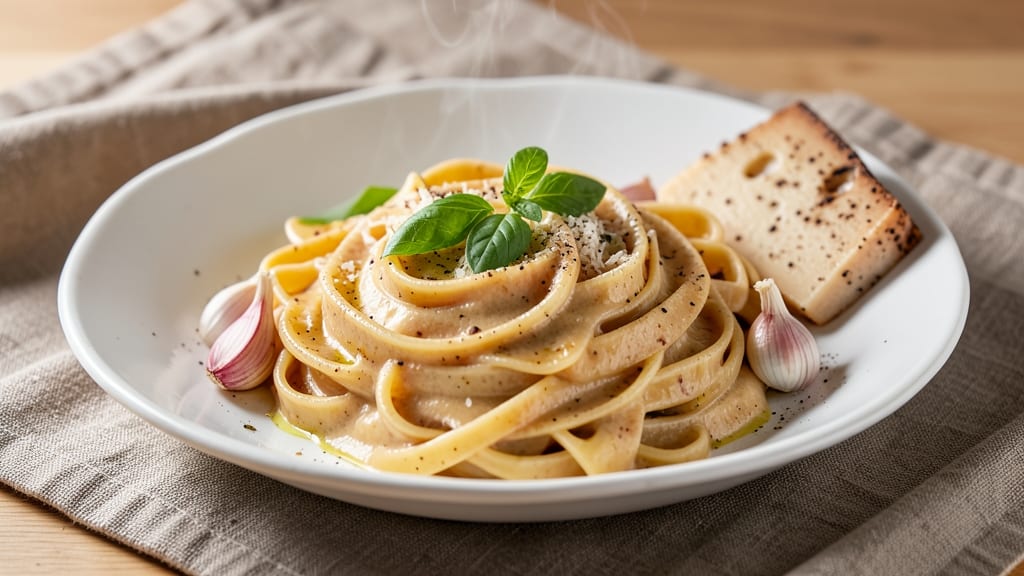
This Alfredo sauce recipe for 1 lb pasta delivers the ultra-smooth, velvety perfection you crave—no curdling, no lumps, just restaurant-quality richness in under 20 minutes. 💛 The secret lies in tempering the cream properly and using a blend of butter and heavy cream for a sauce that clings to every strand of pasta without breaking.
I perfected this version after years of trial and error, and it's the one that finally convinced my picky eaters to ask for seconds.
What sets this recipe apart is the balance of ingredients: high-quality Parmesan cheese for authentic flavor, heavy cream for body, and a touch of garlic for depth. The sauce comes together in a single pot while the pasta cooks, making this a true one-pan wonder.
No need for complicated techniques—just precise timing and gentle heat to maintain that luxurious, creamy texture from start to finish.
By the time you twirl that first forkful, you'll taste what makes this sauce exceptional: a velvety, almost custard-like consistency that coats each noodle perfectly. The sauce stays smooth even after reheating, so leftovers taste just as good as the first bite.
This isn't just another Alfredo recipe—it's the one that will make you question why you ever bought store-bought sauce.
Pair it with classic fettuccine, add grilled chicken or shrimp for extra protein, and finish with fresh parsley and a crack of black pepper for that final restaurant touch. Let's make the creamiest Alfredo you've ever tasted.
Ingredients for alfredo sauce recipe for 1 lb pasta
Nine simple ingredients transform into velvety Alfredo perfection for your 1 lb pasta.
| Ingredient | Amount | Notes |
|---|---|---|
| Unsalted Butter 🧈 | ½ cup | Cold, cubed for even melting |
| Heavy Cream 🥛 | 1 cup | Full-fat for maximum creaminess |
| Fresh Garlic Cloves 🧄 | 3 cloves | Minced for aromatic depth |
| Parmesan Cheese 🧀 | 1 ½ cups | Freshly grated from block |
| Extra-Virgin Olive Oil 🫒 | 1 tbsp | For tempering cream blend |
| All-Purpose Flour 🌾 | ¼ cup | For thickening base |
| Salt 🧂 | ½ tsp | Kosher or sea salt |
| Black Pepper 🌶️ | ¼ tsp | Freshly cracked for heat |
| Fresh Parsley 🌿 | ⅛ cup | Chopped for garnish |
| Dry Fettuccine Pasta 🍝 | 1 lb | High-quality for sauce adhesion |
| Nutritional Yeast 🍄 | 1 tbsp | Optional for umami boost |
The Parmesan is non-negotiable here—look for Parmigiano-Reggiano from a deli counter or specialty store. Pre-grated cheese has anti-caking agents that ruin the sauce's silky texture. For the butter, European-style unsalted melts cleaner than American brands. Heavy cream needs to be full-fat—anything less and your sauce will separate. I grab mine from Whole Foods or Trader Joe's where they keep it cold. The garlic? Fresh is a must—jarred garlic has no depth. If you're worried about burning, microwave the butter and garlic together for 30 seconds before adding to the pot.
No heavy cream? Half-and-half plus 1 tbsp extra butter works in a pinch, though the texture won't be quite as luxurious. Pre-grated Parmesan? Grind your own from a wedge—it's worth the 30-second effort. Running low on butter? Olive oil in equal parts keeps the sauce creamy, though it'll taste different. The flour is just a thickener here—don't overmix or you'll get lumps. For a dairy-free version, swap cream for full-fat coconut milk and use nutritional yeast instead of Parmesan. The pasta? Fettuccine is ideal, but any wide noodle works.
This sauce tastes even better the next day—store leftovers covered in the fridge for up to 5 days. For freezing, portion into ice cube trays, then transfer to a bag. Thaw overnight in the fridge before reheating. The sauce reheats beautifully—just add a splash of milk or cream and warm gently. I always make extra because it disappears so fast. Keep the grated Parmesan in an airtight container in the freezer for up to 3 months—it's perfect for future sauces or sprinkling on soups.
Why You'll Love This Recipe
- No Garlic Overload: I swear by this recipe because it balances that rich, buttery garlic flavor without making you regret breathing near the pan. Just two cloves—minced fast, cooked low—so you get aroma without bitterness. (Yes, even my garlic-averse husband asks for seconds.)
- Creamy Without Clumping: Between us, store-bought Alfredo sauce is a crime. This version? Heavy cream simmered with butter until silky, then finished with grated Parmesan—no lumps, no weird texture. It coats every strand of pasta like it was born to.
- Weeknight Crowd-Pleaser: Honestly, this feeds six but costs less than takeout. Double the sauce, reheat portions later, or toss with roasted chicken for dinner two nights running. My college kids’ favorite? They’ll eat it straight from the pot.
- Pantry-Friendly Magic: You’re using ingredients you already have: butter, cream, cheese. No specialty items, no last-minute grocery runs. That olive oil hit at the end? The secret weapon that makes it taste homemade, not heavy. (I keep a jar of it just for this.)
Step-by-step instructions for ultra-smooth Alfredo sauce
Here's how to make a velvety, no-curdle Alfredo that clings perfectly to every strand of pasta.
🍳 Step 1: Melt Butter and Bloom the Flour
Heat a medium saucepan over medium-low heat and melt the 0.5 cup unsalted butter completely, stirring occasionally. Once fully melted and foaming subsides, reduce heat to low and whisk in the 0.25 cup all-purpose flour all at once. Cook for exactly 1-2 minutes, stirring constantly, until the mixture forms a smooth, pale roux with no raw flour taste.
This roux is your flavor foundation—don't rush it. You'll see the mixture thicken slightly and develop a nutty aroma. If it starts to brown, reduce heat immediately. The goal is a light, blond roux that will blend seamlessly with the cream later. Keep the heat gentle to prevent burning.
🍳 Step 2: Gradually Add Cream and Garlic
Slowly pour in the 1 cup heavy cream while whisking vigorously to prevent lumps. Bring the mixture to a gentle simmer over medium heat, then immediately reduce heat to low and stir in the 3 minced garlic cloves and 1 tbsp nutritional yeast. Let it simmer for 3-4 minutes until slightly thickened but still pourable.
Here's where the magic happens: the garlic should infuse the sauce without burning, and the nutritional yeast adds that savory depth. Taste as you go—if the garlic flavor isn't strong enough, simmer another minute. The sauce should coat the back of a spoon but still move smoothly. If it's too thin, we'll fix it in the next step.
🥘 Step 3: Incorporate Cheese and Seasonings
Remove the sauce from heat and gradually whisk in the 1.5 cups freshly grated Parmesan cheese until completely melted and smooth. Then stir in the 1 tbsp extra-virgin olive oil, 0.5 tsp salt, and 0.25 tsp black pepper. The olive oil helps stabilize the sauce and prevents curdling when the pasta water is added later.
This is the moment that matters: the sauce should be luxuriously thick but still silky. If it's too thick, whisk in 1-2 tablespoons of hot pasta water (we'll save some from cooking the pasta) to reach your desired consistency. The cheese should be fully dissolved with no graininess—if you see any, whisk in another splash of hot water to help it melt completely.
🍝 Step 4: Cook and Toss with Pasta
Boil the 1 lb dry fettuccine pasta in generously salted water until 1 minute before al dente (check package directions). Reserve 1 cup of pasta water before draining. Add the drained pasta to the saucepan with the Alfredo and toss gently over low heat for 1-2 minutes, adding reserved pasta water as needed to create a glossy, clinging sauce.
Don't overcook the pasta here—it should finish cooking in the sauce. The starch in the pasta water is what makes this sauce cling perfectly. If the sauce starts to separate or looks too thick, add more pasta water 1 tablespoon at a time until it reaches that restaurant-quality consistency. The final sauce should coat the pasta completely with a velvety sheen.
🍽️ Step 5: Finish and Serve Immediately
Transfer the pasta to serving plates and garnish with 0.125 cup chopped fresh parsley. The parsley adds freshness and a pop of color that makes the creamy sauce look even more inviting. Serve immediately while the sauce is still hot and silky—Alfredo doesn't keep well once cooled.
Each bite should deliver that perfect balance of rich, creamy cheese, buttery flavor, and subtle garlic notes. The sauce should cling to every strand of pasta without being gluey. If you made extra sauce, it'll keep in the fridge for 3-4 days, but I promise you won't have leftovers—this is the kind of sauce that disappears fast!
Pro Tips For Making Alfredo Sauce Recipe For 1 Lb Pasta
- Sweat, Don’t Burn, the Garlic: I learned this the hard way—when you add garlic to butter, keep the heat low and stir like your life depends on it. Butter burns faster than you think, and once that nutty smoke hits, your sauce tastes like a campfire instead of a restaurant dish. If you’re impatient like me, just pull the pan off heat for a second while you chop the next ingredient.
- Bloom the Butter First: Skip the urge to toss everything in at once. Melt the butter over medium heat until it’s foaming but not browned—about 2 minutes—and let it sit for 30 seconds. This step makes the garlic aroma pop and prevents the sauce from tasting raw. (Yes, it feels like you’re waiting forever, but trust me, your taste buds will notice.)
- Strain the Parmesan: Grated Parmesan from the block is a game-changer, but even that leaves gritty bits that ruin the texture of your sauce. After mixing in the cheese, strain the sauce through a fine-mesh sieve or cheesecloth into the pasta water. It’s a little extra work, but your sauce will be silky instead of sandy—no one wants to bite into a cheese clump mid-bite.
- Use Room-Temp Cream: Cold heavy cream curdles like a bad dream when it hits hot butter. Take it out of the fridge 30 minutes before you start cooking, or even better, warm it slightly in a bowl over hot (not boiling) water. Your sauce will blend smoothly instead of separating like a science experiment gone wrong. (I know, I know—another thing to remember, but it’s worth it.)
Perfect pairings for this dish
Creamy Protein Pairings
Grilled chicken breast is my go-to protein for Alfredo—its mild flavor lets the sauce shine while adding substance. Sear 2 boneless, skinless chicken breasts (about 6 oz each) in a cast-iron skillet with 1 tbsp olive oil until golden, then slice into strips.
Toss them with the pasta in the final minute of cooking to keep them juicy. 🍗
For seafood lovers, shrimp delivers a luxurious touch. Pound 12 large shrimp lightly to even thickness, then sauté in 1 tbsp butter with ½ tsp smoked paprika for 2 minutes per side.
Add them to the pasta just before serving so they stay tender. The briny shrimp pairs beautifully with the rich, cheesy sauce.
Vegetable Additions
Fresh spinach wilts perfectly in the sauce's heat, adding vibrant color and a slight earthiness. Stir in 2 cups loosely packed baby spinach during the final 30 seconds of tossing the pasta—it'll melt into the sauce without overcooking.
For a heartier dish, add ½ cup roasted mushrooms (sautéed with 1 tsp thyme) for an umami depth that complements the creaminess.
Bread Pairings
Garlic bread is a must-have companion—it soaks up any stray sauce drippings beautifully. Toast 4 slices Italian bread with 2 tbsp butter, 2 minced garlic cloves, and ¼ tsp red pepper flakes until golden.
For a more elegant touch, serve with crusty baguette slices drizzled with extra-virgin olive oil and sprinkled with sea salt. The crispy bread contrasts perfectly with the creamy pasta.
Wine and Drink Pairings
A buttery Chardonnay is my top wine pairing—its rich, oaky profile mirrors the sauce's creaminess. Look for a California Chardonnay with notes of vanilla and citrus to complement the garlic and Parmesan.
For non-alcoholic options, a sparkling apple cider (like Martinelli's) cuts through the richness while adding a refreshing contrast. The bubbles help cleanse your palate between bites.
Unexpected Upgrades
Add ¼ cup toasted pine nuts or walnuts for crunch—toss them in during the final minute of cooking. For a smoky twist, stir in ½ tsp smoked salt when finishing the sauce.
Both upgrades elevate the dish without overpowering the creamy base. These little touches make your homemade Alfredo feel like a restaurant special. 💫
Nutrition facts
Frequently asked questions
Why does my Alfredo sauce get grainy even when I use freshly grated cheese?
Graininess usually happens when cheese isn't fully melted or when the sauce is too hot. Always remove the sauce from heat before adding cheese, then whisk in gradually. If you see lumps, whisk in 1 tablespoon of hot pasta water to help dissolve them completely. Also ensure your Parmesan is freshly grated—pre-grated cheese contains anti-caking agents that cause graininess.
Can I make this sauce ahead of time?
Yes, but with a few key adjustments. Prepare the sauce up to 2 days in advance and store it in an airtight container in the fridge. When reheating, add 1-2 tablespoons of milk or cream to help restore its silky texture. For best results, finish with fresh parsley and black pepper just before serving to keep flavors vibrant.
What's the best pasta shape for this creamy sauce?
Wide, flat noodles work best—fettuccine is ideal because its broad surface area clings perfectly to the sauce. Other great options include pappardelle or tagliatelle. Avoid thin noodles like spaghetti—the sauce won't adhere as well. For extra flavor, try whole wheat fettuccine or gluten-free brown rice pasta if needed.
How do I fix a sauce that's too thick or separated?
If your sauce is too thick, whisk in 1-2 tablespoons of hot pasta water until it reaches a glossy, pourable consistency. For separation, the issue is usually heat—simmer gently while whisking continuously. If it's curdled, whisk in 1 tablespoon of cold butter to help stabilize it. The key is maintaining gentle, even heat throughout the process.
Can I make this sauce dairy-free?
Replace the butter with olive oil, use full-fat coconut milk instead of heavy cream, and swap Parmesan for nutritional yeast or vegan Parmesan. The sauce will have a slightly different texture but still be creamy. For extra richness, add 1 tablespoon of cashew cream (blended soaked cashews). Taste as you go and adjust seasonings to balance the flavors.