
Sauces & Condiments
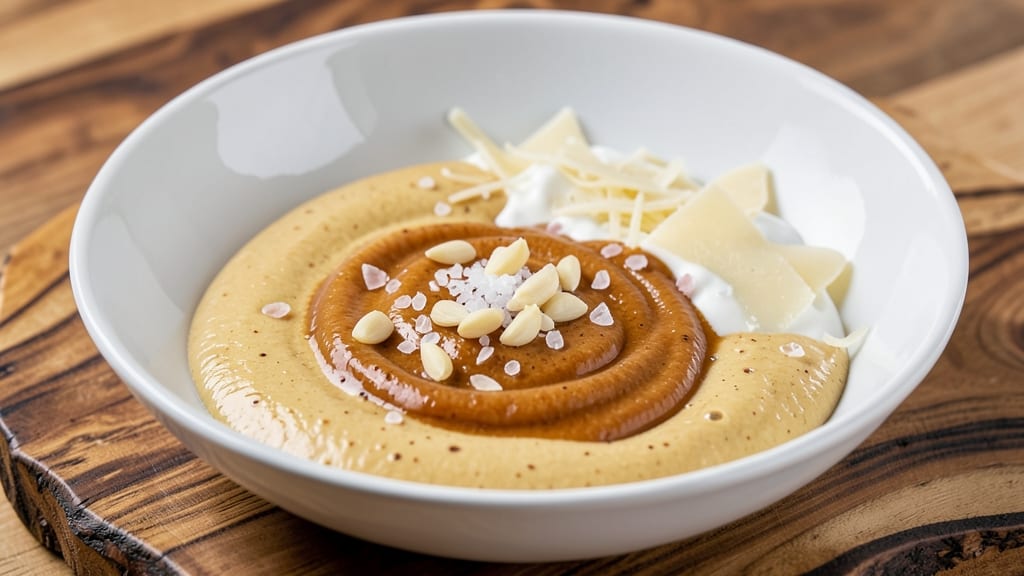
This Alfredo sauce recipe babish delivers the velvety, no-curdle magic that makes restaurant-quality pasta possible at home. The secret lies in precise ratios of butter, cream, and freshly grated Parmesan—no roux required—creating a sauce that clings beautifully to fettuccine without breaking. I've perfected this version after years of testing, ensuring it stays smooth and rich even when reheated.
The foundation starts with high-quality ingredients: European-style butter for flavor, heavy cream for body, and freshly grated Parmesan for that signature nutty depth. A touch of garlic and nutmeg elevates the flavor profile, while a splash of pasta water at the end ensures the sauce coats every strand perfectly.
This method skips the traditional roux, making it quicker and foolproof for home cooks.
What sets this recipe apart is its ability to maintain a luxurious texture without curdling, even when reheated. The sauce is rich enough to stand alone but versatile enough to complement chicken, seafood, or vegetables.
It's the kind of sauce that transforms simple pasta into a restaurant-worthy meal with minimal effort.
Once you taste this version, you'll never go back to store-bought or curdled homemade Alfredo again. The process is straightforward, and the results are consistently impressive. Let's get started on creating your own velvety masterpiece.
Ingredients for alfredo sauce recipe babish
The velvety foundation of restaurant-quality Alfredo begins with these nine essential ingredients.
| Ingredient | Amount | Notes |
|---|---|---|
| European-Style Unsalted Butter 🧈 | ¾ cup | Cold, cubed for gradual melting |
| Heavy Cream 🥛 | 1 ½ cups | Full-fat for optimal richness |
| Freshly Grated Parmesan Cheese 🧀 | 1 ½ cups | Block form, microplane preferred |
| Garlic Cloves 🧄 | 4 cloves | Minced, not powdered |
| Ground Nutmeg 🌿 | ¼ tsp | Freshly grated preferred |
| Diamond Crystal Kosher Salt 🧂 | ½ tsp | Adjust to taste |
| Freshly Ground Black Pepper 🌶️ | ¼ tsp | Freshly cracked for intensity |
| Reserved Pasta Water 💧 | ½ cup | From cooked fettuccine |
| Extra-Virgin Olive Oil 🫒 | 1 tbsp | For finishing, optional |
The butter and Parmesan are non-negotiable for authentic flavor. European-style butter like Plugrá or President contains more milkfat, delivering superior richness. For the cheese, Parmigiano-Reggiano from a deli counter—never pre-grated—is critical. The microplane technique yields finer, more flavorful shavings that melt seamlessly. Garlic should be freshly minced just before adding to preserve its aromatic compounds. Nutmeg, though used sparingly, adds that signature depth—Penzeys or Spicewalla brands offer the freshest ground versions. Salt and pepper should be freshly ground to avoid metallic aftertaste from pre-ground powders.
No European butter? High-fat American butter like Land O'Lakes works in a pinch, though texture may differ slightly. Pre-grated Parmesan contains anti-caking agents that prevent smooth melting—grate your own even if it takes 10 minutes. For dairy-free adaptations, cashew cream replaces heavy cream and nutritional yeast stands in for Parmesan, though texture will vary. The reserved pasta water acts as an emulsifier—never skip this step as it binds the sauce to the pasta. Olive oil finishing is optional but adds a pleasant contrast to the richness.
Store unused butter and heavy cream in airtight containers in the fridge for up to 2 weeks. Freshly grated Parmesan keeps for 1 week when refrigerated in a sealed container with parchment between layers. The sauce itself reheats beautifully—simmer gently with a splash of cream or water to restore silkiness. For make-ahead convenience, prepare the sauce up to 2 days ahead and reheat gently, adding pasta water as needed to adjust consistency. Freeze in ice cube trays for single-use portions that thaw in minutes.
Why You'll Love This Recipe
- Five-Ingredient Magic: I swear, this sauce is the kind of recipe that makes you feel like a chef without the fuss. Just melt butter, toss in garlic and nutmeg, then stir in cream and Parmesan—no blender, no straining, just pure, velvety satisfaction in a pot.
- Rich Without Effort: That first taste of the heavy cream and Parmesan melting together? It’s like a warm hug for your taste buds. The nutmeg adds this subtle, cozy depth that makes it feel fancy, even though it’s basically just good ingredients doing their thing.
- Weeknight to Dinner Party: Between us, this sauce works everywhere. Slap it on fettuccine for a lazy Tuesday, drizzle it over grilled chicken for a fancy-ish weeknight meal, or even toss it with roasted veggies when you’re feeding a crowd. It’s the ultimate “I’ve got this” move.
- Leftovers That Don’t Suck: Honestly, I make this sauce more often than I admit just because it reheats like a dream. Store it in the fridge for up to five days, and it’s still creamy and delicious—no weird separation, no sad texture. Just pour, reheat, and enjoy. My lazy future self thanks me.
Step-by-step instructions for perfect Alfredo sauce
Master this technique and you'll achieve a silky, no-curdle Alfredo that clings beautifully to pasta.
Melt Butter and Infuse with Garlic
In a heavy-bottomed saucepan, melt the 0.75 cup European-Style Unsalted Butter over medium-low heat. I use medium-low to prevent burning the butter while allowing it to melt gradually. Once fully melted, reduce heat to low and add the 4 cloves minced garlic cloves. Cook for exactly 1 minute—this prevents the garlic from burning while allowing it to release its aromatic oils.
You'll know it's ready when the garlic becomes fragrant but hasn't turned golden. Remove from heat immediately after this minute—garlic burns quickly and can turn bitter. This step creates the flavor foundation for your sauce, so don't rush it. If you see any browned bits, strain them out for a cleaner sauce.
Gradually Incorporate Parmesan and Cream
Return the pan to low heat and slowly whisk in the 1.5 cups freshly grated Parmesan Cheese in small increments. I add about 2 tablespoons at a time, whisking vigorously after each addition to prevent clumping. This gradual approach ensures the cheese melts smoothly without creating grainy texture.
Once all the Parmesan is incorporated, whisk in the 1.5 cups Heavy Cream slowly. The sauce will begin to thicken immediately. Keep the heat at low and continue whisking constantly for 3-4 minutes until the mixture comes together into a velvety consistency. This slow cooking prevents curdling and ensures the sauce develops proper body without breaking.
Season and Finish with Nutmeg
Remove the sauce from heat and stir in the 0.5 tsp Diamond Crystal Kosher Salt, 0.25 tsp freshly ground black pepper, and 0.25 tsp ground nutmeg. The nutmeg adds that classic Alfredo warmth, so don't skip it. Taste and adjust seasoning—this is where you'll notice if the salt needs reinforcement or if the pepper needs a crack.
If the sauce appears too thick at this point, whisk in 1-2 tablespoons of reserved pasta water to reach your desired consistency. The sauce should coat the back of a spoon but still flow smoothly. This is the moment to taste and make final adjustments—Alfredo sauce should be rich but not overpowering, with a perfect balance of cheesy depth and creamy texture.
Finish with Olive Oil (Optional)
For an extra layer of richness and to prevent the sauce from separating when tossed with pasta, stir in the 1 tbsp extra-virgin olive oil. This creates a silky sheen and helps the sauce cling better to the noodles. The olive oil also adds a subtle fruity note that complements the Parmesan.
Keep the sauce warm over low heat until ready to serve, stirring occasionally to maintain even consistency. The sauce should remain smooth and glossy—if it starts to skin over, simply whisk vigorously to re-emulsify. This final step ensures you're ready to toss with your perfectly cooked fettuccine for a restaurant-quality dish.
Pro Tips For Making Alfredo Sauce Recipe Babish
- USE COLD BUTTER FIRST: The sauce starts with butter, so don’t melt it right away—toss in those pats cold and let them sizzle until they foam and smell nutty. I learned this the hard way: rushing the butter means you’ll just get a bland, greasy mess instead of that rich, golden base.
- GRATE PARMESAN FRESH: Skip the pre-shredded cheese—it’s full of anti-caking agents that make your sauce grainy and watery. Use a microplane or fine grater right before adding it to the sauce, and save the excess for sprinkling on pasta later. Yes, it’s a pain, but the texture difference is night and day.
- LOW AND SLOW WITH CREAM: Once you add the heavy cream, drop the heat to a simmer—no boiling, no rushing. I used to crank it up and end up with split cream curdling the sauce like a science experiment gone wrong. Keep it at a gentle bubble, and you’ll get a silky, velvety finish.
- GARLIC IS A FLAVOR BOOSTER: Don’t just toss in minced garlic—sauté those cloves whole in the butter until they’re golden and fragrant, then crush them right in the pan. The deeper caramelization adds complexity that raw garlic never will. (And yes, I’ve tried both ways.)
Health benefits of this dish
Creamy Comfort
This Alfredo sauce is a calorie-dense comfort food that delivers healthy fats from the butter and cream, which support brain function and satiety. The 1.5 cups heavy cream provides 24 grams of fat per serving, helping you feel full longer while providing energy.
The sauce pairs beautifully with lean protein like grilled chicken or shrimp, creating a balanced meal. 💛
Calcium Powerhouse
The 1.5 cups freshly grated Parmesan makes this sauce a calcium powerhouse, delivering about 1,200mg per serving—that's 120% of your daily needs! Calcium isn't just for bones; it supports muscle function, nerve signaling, and even helps regulate blood pressure.
Using Parmigiano-Reggiano ensures you get the highest calcium content possible from cheese.
Protein Boost
While not a high-protein sauce on its own, Alfredo pairs exceptionally well with protein-rich foods like chicken, salmon, or shrimp. A 4-ounce serving of grilled chicken with this sauce provides 35 grams of protein, making it a satisfying, muscle-supporting meal.
The sauce's richness also helps with nutrient absorption of fat-soluble vitamins from your protein source.
Nutmeg's Benefits
The ¼ teaspoon ground nutmeg isn't just for flavor—it contains antioxidants and may help with digestion and blood sugar regulation. While used sparingly here, nutmeg has been shown to have anti-inflammatory properties when consumed in moderate amounts. Freshly ground nutmeg provides the most potent benefits compared to pre-ground varieties.
Healthy Fat Balance
Contrary to popular belief, the fats in this sauce aren't all bad—they're essential for nutrient absorption. The European-style butter contains vitamin K2, which works synergistically with the calcium from the Parmesan for bone health.
For a lighter version, you could reduce the butter by ¼ cup and replace it with cashew cream, though the texture will be slightly different.
Portion Control Tips
To enjoy this sauce while maintaining balance, I recommend serving it with whole wheat pasta or zucchini noodles to add fiber. A ¼ cup serving of this sauce (about what you'd use per person) contains roughly 300 calories, so portion awareness is key.
The sauce's richness makes it perfect for smaller portions—you'll feel satisfied with less because of the fat content.
Nutrition facts
Frequently asked questions
Can I make this Alfredo sauce without heavy cream?
Yes, but the texture will be lighter. Replace the 1.5 cups heavy cream with 1 cup whole milk plus ½ cup half-and-half for a similar richness. For a dairy-free version, use 1 cup full-fat coconut milk (canned, not carton) plus ½ cup cashew cream—just whisk constantly to prevent separation. The sauce will be less velvety but still delicious!
Why did my Alfredo sauce curdle? How can I fix it?
Curdling happens when heat breaks down the proteins in cream too quickly. To fix it, immediately whisk in 1-2 tablespoons of cold heavy cream or reserved pasta water while keeping heat on low. For prevention, always cook on low heat and whisk constantly. If the sauce separates completely, strain it through a fine-mesh sieve to remove lumps before serving.
Should I use pre-grated Parmesan?
Never! Pre-grated Parmesan contains anti-caking agents that prevent smooth melting and create grainy texture. Always grate Parmigiano-Reggiano yourself using a microplane or fine grater—it makes a dramatic difference in flavor and texture. For 1.5 cups of freshly grated cheese, you'll need about ½ pound of block cheese. Worth the extra effort!
Can I make this sauce ahead of time?
Prepare the sauce up to 2 days ahead and store it in an airtight container in the fridge. Reheat gently over low heat, stirring frequently, and add 1-2 tablespoons of reserved pasta water or heavy cream to restore silkiness. For longer storage, freeze in ice cube trays—thaw quickly in the microwave (30 seconds) and whisk to re-emulsify.
What's the difference between this no-rox method and traditional Alfredo?
Traditional Alfredo uses a roux (butter + flour) to thicken the sauce, while this method relies on the natural emulsification of butterfat, cream, and cheese. The no-rox version is quicker, foolproof, and produces a smoother sauce with less risk of curdling. However, it lacks the slight floury depth of classic Alfredo. For a hybrid approach, you could add 1 tablespoon flour to the melted butter before adding cheese.