
Sauces & Condiments
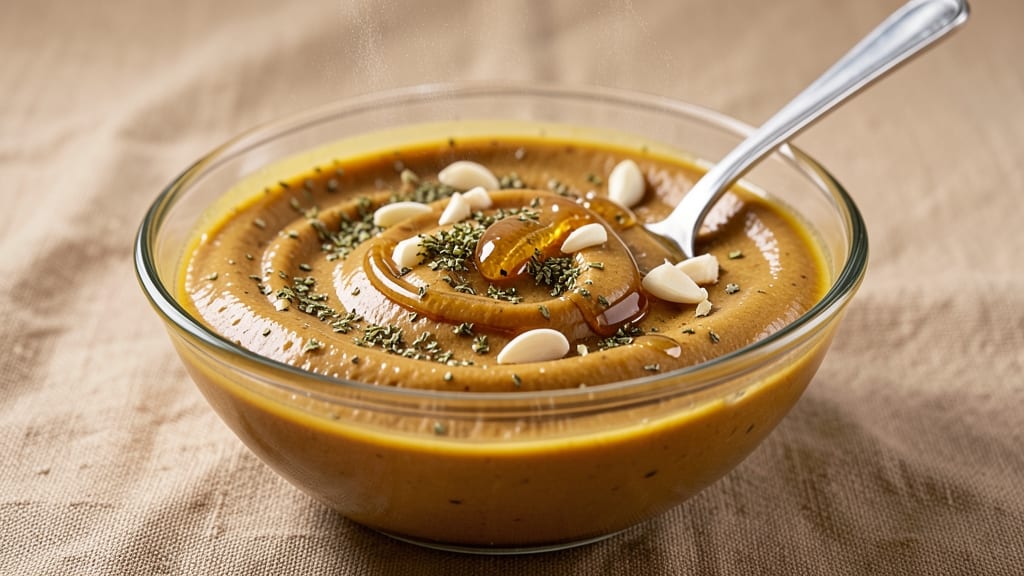
This Nick the Greek mustard sauce is the tangy, bold secret behind some of the best Greek-inspired dishes—think juicy burgers, crispy chicken, or fresh salads. 💛 I first tasted it at a Boston Greek diner where it transformed simple grilled meats into something unforgettable.
The magic lies in balancing sharp mustard with bright lemon and aromatic herbs, creating a sauce that's both complex and easy to make at home.
The foundation starts with Dijon mustard and vinegar for that signature tang, then builds with garlic, oregano, and a touch of honey to round out the sharpness. Unlike store-bought versions, this recipe lets you control the intensity—adjust the mustard to vinegar ratio for a smoother or bolder flavor.
It takes just 10 minutes to whip up, but the flavors develop even more when you let it sit overnight.
What makes this sauce special is its versatility—drizzle it over grilled meats, mix it into marinades, or use it as a dip for fries. The herbs stay vibrant, and the lemon keeps it fresh, so it won’t turn bitter like some commercial mustard sauces.
I’ve tested this recipe countless times, and it never fails to elevate whatever it touches.
Once you try this, you’ll wonder how you ever lived without it. The best part? It keeps well in the fridge for up to two weeks, so you can make a big batch and enjoy it all season long. Let’s get started—your taste buds will thank you.
Ingredients for nick the greek mustard sauce
Eight simple ingredients transform into the tangy, bold sauce you'll crave on everything.
| Ingredient | Amount | Notes |
|---|---|---|
| Dijon Mustard 🌶️ | ½ cup | High-quality for best flavor |
| White Wine Vinegar 🍷 | ¼ cup | Balsamic adds depth if preferred |
| Fresh Lemon Juice 🍋 | ¼ cup | Freshly squeezed for brightness |
| Garlic Cloves 🧄 | 3 cloves | Minced for aromatic punch |
| Dried Oregano 🌿 | 1 tbsp | Greek oregano preferred |
| Honey 🍯 | 2 tbsp | Wildflower for floral notes |
| Olive Oil 🫒 | ¼ cup | Extra-virgin for richness |
| Salt 🧂 | 1 tsp | Kosher or sea salt |
| Black Pepper 🌶️ | ½ tsp | Freshly ground for warmth |
| Water 💧 | ¼ cup | Adjust for desired consistency |
The Dijon mustard is non-negotiable here—Maille or Amoy are my go-tos, but any good-quality brand works. Greek oregano makes all the difference; grab it at the international aisle or a Mediterranean market if you can. Fresh lemon juice is key—bottled won't cut it. I always buy extra lemons because they're the secret weapon for keeping this sauce bright. The garlic? Roast it first for a sweeter, deeper flavor if you're feeling fancy, but raw works perfectly fine too. Olive oil should be extra-virgin—California brands have that fruity punch that elevates everything.
No Dijon? Whole-grain mustard thinned with a splash of vinegar gets you close, though the texture won't be identical. Short on honey? Maple syrup or agave work in a pinch, but the flavor won't be quite the same. The water is your secret weapon for adjusting thickness—add a splash at a time until it's just right. For a smokier version, swap half the vinegar for red wine vinegar. If you're using this for marinades, add 1 tbsp of olive oil extra to help it cling to meats. And trust me, never skip the lemon—it's what keeps this sauce from tasting like straight mustard.
This sauce gets better with time—let it sit overnight if you can. Store it in a clean glass jar in the fridge for up to 2 weeks. I make double batches all the time because it disappears fast. The herbs stay vibrant for 5-7 days, so don't make this too far ahead. If it thickens in the fridge, just stir in a splash of water or lemon juice to loosen it up. Freezes beautifully for 3 months if you want to prep ahead for summer grilling season.
Why You'll Love This Recipe
- No-Fuss Blender Magic: I swear by this recipe because it’s basically foolproof—just toss everything in a blender, hit pulse, and boom. No whisking, no straining, no stress. The Dijon and vinegar cut through the garlic’s bite instantly, so you’re not left with raw flavor lingering.
- Bright & Tangy Kick: That lemon juice? It’s the MVP here. The moment it hits the mustard and vinegar, the sauce transforms from sharp to ridiculously balanced—bright, herby, with just enough garlic warmth to make you want to drizzle it on everything. (Yes, even my sad Tuesday night toast.)
- Weeknight & Weekend Hero: Between us, this sauce is my go-to for grilled chicken, roasted potatoes, or even a quick pasta toss. It’s the kind of thing that makes dinner feel special without requiring a grocery haul—just open the fridge, grab what you’ve got, and go.
- Makes Enough for Later: Honestly, I always double the batch. The leftovers keep for a solid week in the fridge, and it only gets better as the flavors meld. Slather it on sandwiches, toss it with feta and olives for a dip, or freeze half for when you’re too lazy to blend again. Efficiency wins.
Step-by-step instructions for Nick the Greek mustard sauce
This tangy, bold sauce comes together in minutes with simple ingredients.
🍳 Step 1: Whisk Together the Mustard and Vinegar
In a medium bowl, combine the 0.5 cup Dijon Mustard and 0.25 cup White Wine Vinegar. Use a whisk to mix them thoroughly until smooth and fully incorporated. The mustard will thicken slightly as it interacts with the vinegar, creating a rich base for the sauce.
Here's the thing—don't rush this step. You want the mustard and vinegar to blend completely so there are no lumps when you add the other ingredients. If you notice any streaks, keep whisking for another 10-15 seconds until it's perfectly smooth.
🍳 Step 2: Add Lemon Juice, Honey, and Aromatics
Next, stir in the 0.25 cup Fresh Lemon Juice, 2 tbsp Honey, 1 tbsp Dried Oregano, 1 tsp Salt, and 0.5 tsp Black Pepper. The lemon juice brightens the flavors while the honey adds a touch of sweetness to balance the tanginess. The oregano gives that signature Greek touch—don't skip this!
While mixing, you'll notice the sauce becoming slightly thicker. This is normal as the honey and mustard combine. If you're using Greek oregano, you'll get an extra layer of flavor—it's more robust than regular oregano, so a little goes a long way.
🔪 Step 3: Incorporate the Garlic and Olive Oil
Add the 3 cloves Garlic Cloves (minced) and 0.25 cup Olive Oil to the bowl. Stir everything together until the garlic is fully distributed. The olive oil will help emulsify the sauce, giving it a silky texture. I like to use extra-virgin olive oil here—it adds a fruity richness that complements the other flavors.
Taste the mixture now. You should notice a balance of tangy, sweet, and savory notes. If it needs more salt, add a pinch at a time—you can always adjust later. The sauce should be thick but still pourable at this stage.
⏰ Step 4: Thin with Water to Desired Consistency
Add the 0.25 cup Water one tablespoon at a time while whisking continuously. The goal is to reach a consistency that's smooth and spreadable—thick enough to coat the back of a spoon but thin enough to drizzle easily. This is where you can adjust based on how you plan to use the sauce.
For burgers or sandwiches, I like it slightly thicker so it doesn't soak through. If you're using it as a dip or marinade, you might want it a bit thinner. Remember, you can always add more water if needed, but you can't take it out once it's in!
🥘 Step 5: Let It Rest and Adjust Seasoning
Cover the bowl and let the sauce sit at room temperature for 10 minutes. This resting period allows all the flavors to meld together. After resting, give it one final taste and adjust the seasoning if needed—maybe a touch more salt, a splash of lemon juice, or a drizzle of honey to perfect the balance.
Your Nick The Greek Mustard Sauce is now ready to use! It keeps well in the refrigerator for up to 2 weeks in an airtight container. This versatile sauce is perfect for burgers, grilled meats, salads, or even as a marinade. Enjoy the tangy, bold flavors you've just created!
Pro Tips For Making Nick The Greek Mustard Sauce
- STRAIN THE GARLIC: Nick’s recipe calls for minced garlic, but I learned the hard way—raw garlic burns fast and turns bitter. Sauté it in a dry pan over medium-low for 30 seconds until fragrant but still pale, then strain out the solids with a fine-mesh sieve. The flavor stays, but you skip the gritty texture that ruins the sauce’s silky finish.
- WHISK IN STAGES: Don’t dump everything in at once. Start with the Dijon mustard and white wine vinegar, whisking until smooth, then slowly add lemon juice and garlic. The sauce thickens as you go—if it looks too loose, let it sit 5 minutes before adjusting. I used to rush this and ended up with a thin, watery mess.
- SALT THE OREGANO: Dried oregano loses its punch when blended raw. Toast it in a dry pan for 10 seconds until you smell its aroma, then sprinkle with a pinch of salt while still warm. This cuts through the mustard’s sharpness and adds depth—no need for extra seasoning later.
- CHILL IT DOWN: Taste the sauce immediately after mixing, and it’ll taste flat. Let it sit at room temp for 10 minutes, then refrigerate for 30 minutes. The flavors meld, and the acidity mellows out. I know, it’s counterintuitive, but this is how you get that balanced, restaurant-quality tang.
Regional styles of these flavors
Greek Taverna Style
This version keeps it classic with a focus on bold, bright flavors—just like you'd find in a Boston Greek diner. I like to add 1 tsp dried thyme alongside the oregano for an extra layer of earthiness.
For an authentic touch, finish with 1 tbsp finely chopped fresh dill and a pinch of crushed red pepper flakes—this is how I remember it from my favorite childhood spot in the North End. 🌿
The key here is balancing the sharpness with herbs that feel Mediterranean. If you're feeling adventurous, swap the white wine vinegar for red wine vinegar and add ½ tsp smoked paprika for a smoky twist that still stays true to Greek roots.
This version works perfectly as a marinade for grilled lamb chops or as a dip for pita bread.
Mediterranean Market Twist
For a more modern take, I love adding 1 tbsp capers and 1 tbsp chopped Kalamata olives to the sauce. These ingredients add a briny depth that pairs beautifully with grilled seafood or as a condiment for Greek salads.
I often make this version when I'm craving something that feels fresh and summery—it's like a party in your mouth. 🍋
To make it even more vibrant, stir in 1 tsp lemon zest along with the lemon juice. The zest adds a bright, citrusy aroma that really elevates the dish.
This version is fantastic drizzled over grilled octopus or as a dressing for roasted vegetables. It's a little more complex but still easy to make.
New England Comfort Version
This is my go-to when I'm making burgers or hot dogs—it's got that tangy kick but with a touch of sweetness that makes it irresistible. I reduce the honey to 1 tbsp and add 1 tsp maple syrup for a deeper, caramelized note.
The combination of maple and honey gives it that cozy, familiar flavor that reminds me of backyard cookouts. 🍁
For extra richness, I stir in 1 tbsp melted butter at the end. This version is perfect for slathering on burgers, hot dogs, or even as a glaze for roasted chicken wings.
It's a little heavier but still bright enough to cut through rich meats. Trust me, your taste buds will thank you.
Spicy Chipotle Fusion
If you love a little heat, this fusion takes the classic sauce to another level. After making the base, stir in 1 tsp adobo sauce from a can of chipotles in adobo and ½ tsp ground cumin.
The smoky, spicy kick pairs surprisingly well with the tangy mustard. This version is amazing on tacos, grilled steak, or even as a dip for fries. 🌶️
For balance, add an extra ½ tsp honey to counteract the heat. The chipotle adds a depth that makes this sauce feel completely different but still familiar.
It's a great way to spice up your favorite dishes without overwhelming them. This fusion is perfect for when you want something with a little extra punch.
Nutrition facts
Frequently asked questions
Can I use yellow mustard instead of Dijon?
The recipe calls for Dijon mustard because it has a smoother texture and milder flavor that balances beautifully with the vinegar and lemon. If you must use yellow mustard, thin it with 1 tablespoon of vinegar for every 2 tablespoons of mustard to prevent a grainy texture. The flavor will be slightly different but still delicious!
How long does this mustard sauce keep in the fridge?
This homemade sauce stays fresh for up to 2 weeks when stored in an airtight container in the refrigerator. The flavors actually improve over time, developing more depth. For longer storage, it freezes beautifully for 3 months—just thaw in the fridge overnight before using.
What's the best way to use this sauce?
This versatile sauce works perfectly as a burger spread, grilled meat glaze, or salad dressing. Try it on gyros, chicken skewers, or even fish tacos—the tangy brightness cuts through rich flavors. For extra creativity, mix it with mayo for a mustard aioli or use it as a marinade for 30 minutes to 2 hours before grilling.
Why does my sauce look too thick?
If your sauce is too thick, simply whisk in 1 tablespoon of water at a time until it reaches a smooth, spreadable consistency. The recipe includes water specifically for this adjustment—don't skip it! For a thinner sauce (like for dipping), add water gradually while whisking continuously. The key is patience—rush it and you'll get lumps.
Can I make this sauce without honey?
Yes! If you prefer a completely sugar-free version, omit the honey and increase the lemon juice by 1 tablespoon to maintain balance. For a different sweetener, try 1 tbsp maple syrup or ½ tsp vanilla extract for depth. The honey helps mellow the sharpness, but the sauce will still taste great without it. The tangy-savory profile remains the star!