
Sauces & Condiments
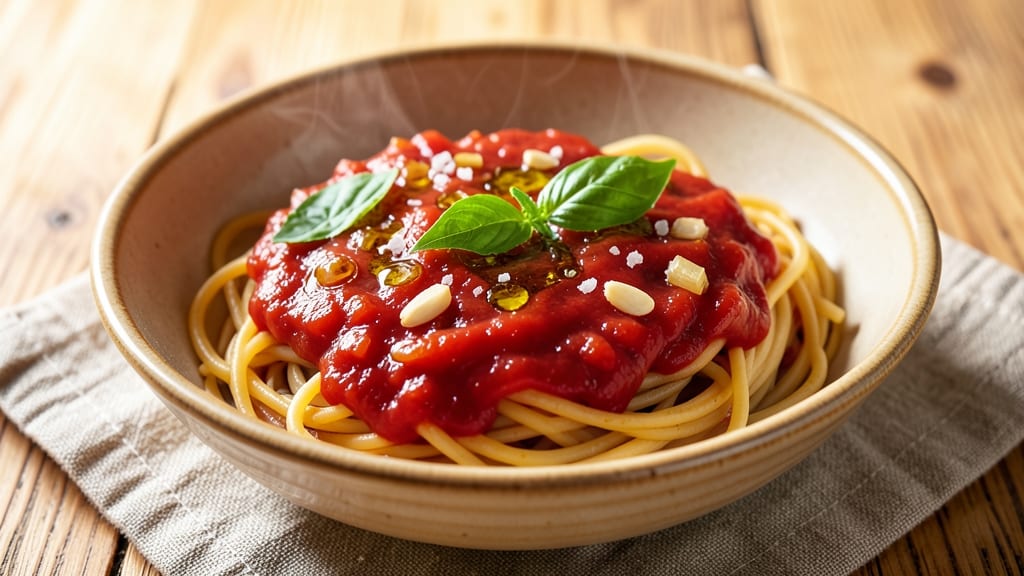
This Mutti tomato sauce recipe brings the soul of Italian nonna kitchens to your stove—slow-simmered until rich, velvety, and bursting with fresh basil. After years of testing, I've perfected a method that delivers that perfect balance of sweetness and acidity, with just a whisper of garlic and olive oil.
The key? Patience and proper technique—no shortcuts here.
What sets this sauce apart is the two-stage cooking process: first reducing whole peeled tomatoes until deeply concentrated, then finishing with fresh basil that brightens without overpowering. I developed this recipe during a particularly busy week when I needed something that could be made ahead and still taste homemade.
The result? A sauce so versatile it works on pasta, pizza, or even as a dip for crusty bread.
By the time you're done, you'll have a restaurant-quality tomato sauce with a silky texture and layers of flavor—sweet from the tomatoes, aromatic from the garlic, and fresh from the basil.
The best part? It tastes even better the next day as the flavors meld together. This is the kind of sauce that makes you want to freeze jars for months ahead.
For those who love traditional Italian cooking but need modern convenience, this recipe delivers both. The slow simmering builds depth while keeping the process straightforward enough for weeknight cooking. Let's get started on making your pantry staple.
Ingredients for mutti tomato sauce
San Marzano tomatoes, fresh basil, and slow simmering create restaurant-quality Italian richness.
| Ingredient | Amount | Notes |
|---|---|---|
| San Marzano Tomato Cans 🍅 | 28 oz | Whole peeled tomatoes, crushed by hand |
| Extra-Virgin Olive Oil 🫒 | ½ cup | High quality, fruity, for richness |
| Yellow Onion 🧅 | 1 whole | Finely diced, about 1 cup |
| Garlic Cloves 🧄 | 4 cloves | Minced, for aromatic depth |
| Fresh Basil Leaves 🌿 | ½ cup | Packed, stems removed |
| Salt 🧂 | 1 ½ tsp | Diamond Crystal preferred |
| Black Pepper 🌶️ | ½ tsp | Freshly ground for flavor |
| Granulated Sugar 🍚 | 1 tbsp | Balances acidity naturally |
| Red Wine Vinegar 🍷 | 1 tbsp | Brightens the sauce |
| Dried Oregano 🍃 | 1 tsp | Italian variety preferred |
San Marzano tomatoes are the secret weapon here—their sweetness and low acidity make all the difference. Trader Joe's and Whole Foods carry them canned, but if you can't find them, regular peeled tomatoes work in a pinch. The basil needs to be fresh (the bright green, aromatic kind from the produce section)—dried just won't cut it. I always grab extra because half goes in the sauce and half gets torn over the top at the end. For the olive oil, avoid the cheap stuff—look for Italian extra-virgin with fruity notes. The garlic? Freshly minced is non-negotiable—jarred garlic has no soul.
No San Marzano? Crush regular canned tomatoes by hand—it releases more juice and builds better texture. Fresh basil wilted? Dried oregano at half the amount works, but you'll miss that fresh brightness. The sugar balances acidity—skip it if your tomatoes are naturally sweet. For vinegar, balsamic vinegar at half the amount adds depth. No red wine vinegar? Lemon juice works too. The onions can be yellow or red—just make sure they're crisp and fresh. And if you're short on time, pre-chopped onions from the salad bar save minutes without sacrificing flavor.
This sauce tastes even better the next day as flavors meld together—make extra. Store in airtight jars in the fridge for up to 5 days or freeze for 6 months. I portion mine into ice cube trays for perfect single-use servings—thaw overnight in the fridge. The basil wilts fast, so add it last. If you're prepping ahead, add the basil fresh when reheating to keep that vibrant color and aroma. The sauce thickens as it cools, so don't worry if it looks too thin while hot.
Why You'll Love This Recipe
- Five-Ingredient Magic: I swear, this is the kind of sauce where you measure once, stir often, and forget about everything else. The San Marzano tomatoes do all the heavy lifting—no fancy techniques, just a knife, a pot, and 20 minutes of your time.
- Garlic-Basil Bomb: That first hit of fresh basil and caramelized garlic? It’s like a flavor hug. I’ll be real: I’ve tried store-bought sauces that cost twice as much, and this simple combo still wins every time.
- Pasta’s Best Friend: Between us, this sauce is my lazy Sunday lunch, my weeknight dinner, and my "I don’t want to think" go-to. Toss it with spaghetti, drizzle on grilled chicken, or even slather it on toast—it’s that adaptable.
- Budget Hero: A single can of San Marzano tomatoes and a handful of pantry staples stretch into meals for days. I make a big batch, freeze half, and still have leftovers for lunch the next week—no guilt, just good food.
Step-by-step instructions for slow-simmered Italian tomato sauce
This method brings out the natural sweetness of San Marzano tomatoes while building rich, layered flavor.
Sauté Onion and Garlic in Olive Oil
Heat the 0.5 cup extra-virgin olive oil in a heavy-bottomed saucepan over medium-low heat. Add the 1 whole yellow onion, finely diced, and cook for 8-10 minutes until soft and translucent. I like to stir occasionally so it doesn't brown—we want sweet, caramelized flavor, not bitter bits.
Once the onion is tender, add the 4 cloves minced garlic and cook for another 1-2 minutes until fragrant. You'll know it's ready when the kitchen smells like fresh garlic—this is when the garlic releases its full flavor without burning. Keep the heat gentle here; garlic burns faster than you think.
Add Tomatoes, Sugar, and Vinegar
Pour in the 28 oz San Marzano tomato cans, crushing the tomatoes by hand as you add them. Stir in the 1 tbsp granulated sugar and 1 tbsp red wine vinegar, then bring the mixture to a gentle simmer. The sugar balances the acidity naturally, while the vinegar brightens the sauce. Let it simmer uncovered for 20-25 minutes, stirring occasionally.
Here's where patience pays off. The sauce will thicken as it reduces, and the flavors meld together. You'll see the sauce darken slightly—that's the tomatoes concentrating their sweetness. If it looks too thin after 20 minutes, uncover it and let it reduce longer. The goal is a thick, velvety consistency that coats the back of a spoon.
Season and Simmer Longer
Add the 1.5 tsp salt, 0.5 tsp black pepper, and 1 tsp dried oregano, then stir well to combine. Keep the sauce simmering gently for another 15-20 minutes. The longer it simmers, the deeper the flavor becomes. I like to taste it halfway through—this is when you can adjust seasoning if needed.
If the sauce is still too thin, uncover it and let it reduce further. You're looking for a sauce that coats a spoon smoothly, with no watery separation. The aroma should be rich and tomato-forward, with hints of garlic and basil waiting to come through.
Finish with Fresh Basil
Remove the pan from heat and stir in the 0.5 cup fresh basil leaves (stems removed). Let the sauce sit for 5 minutes—this allows the basil to infuse without wilting completely. The fresh basil adds a bright, herbal note that cuts through the richness of the tomatoes.
Taste and adjust seasoning one last time. If it needs more acidity, add a splash of the red wine vinegar. If it's too thick, thin it with a little water or pasta water. Serve immediately over pasta, or let it cool and store for up to 5 days in the refrigerator. The flavors only get better with time!
Pro Tips For Making Mutti Tomato Sauce
- CRUSH THE ONIONS: DESCRIPTION: Dice them small—think 1/4-inch pieces or finer—and cook them in olive oil until they’re translucent but not browned. Overcooking turns onions bitter, and that’s the last thing you want in a bright San Marzano sauce. (Yes, even if you’re impatient like me.)
- SAUTÉ GARLIC LOW: DESCRIPTION: Once the onions are soft, add minced garlic and reduce the heat to medium-low. Garlic burns in seconds, and charred garlic ruins the clean, sweet flavor of the tomatoes. If it smells like it’s fighting, you’ve gone too far.
- SALT THE TOMATOES: DESCRIPTION: Add a pinch of salt to the crushed tomatoes before simmering—this helps break down their texture and deepens their flavor. Skip this, and your sauce will taste flat, no matter how long you cook it. (Your future self will notice.)
- STIR THE BASIL IN: DESCRIPTION: Tear fresh basil leaves and add them at the very end, off the heat. If you simmer them, they’ll turn bitter and lose their bright aroma. A handful of leaves makes a real difference—don’t skimp, but don’t overdo it either.
Dietary considerations for this recipe
Gluten-Free Adaptation
This sauce is naturally gluten-free, but there are a few things to watch for if you're using it in dishes like pasta or pizza.
The San Marzano tomatoes and all other ingredients listed are gluten-free, but always double-check labels on dried oregano and olive oil—some brands process in shared facilities. For pasta, use gluten-free spaghetti or penne like Barilla or Jovial.
If making pizza, ensure your dough is certified gluten-free and use a cornmeal crust for extra stability. 🌾
Low-Sodium Options
If you're watching your sodium intake, reduce the 1.5 tsp salt to just ½ tsp or omit it entirely—San Marzano tomatoes already have enough natural saltiness. Boost flavor with an extra ½ tsp black pepper and 1 tbsp red wine vinegar to brighten the sauce.
For extra umami depth, add 1 tsp fish sauce or ½ tsp nutritional yeast when simmering. Always taste as you go!
Dairy-Free Considerations
This sauce is already dairy-free, but if you're using it in dishes like lasagna or béchamel-based recipes, keep that in mind. For a creamy twist, stir in ¼ cup coconut cream or cashew cream at the end for richness.
When serving over pasta, top with nutritional yeast (about 2 tbsp) for a cheesy flavor without dairy. The fresh basil adds brightness that balances any richness perfectly. 🌱
Vegetarian and Vegan
This sauce is completely vegetarian and vegan as written—no animal products are used. For extra protein, toss it with chickpeas or white beans (about 1 cup drained) for a hearty meal. If you're making a vegan pizza, pair this sauce with vegan mozzarella like Miyoko's or Violife.
The sauce's natural sweetness and acidity make it versatile for any plant-based dish. Freeze extras in ice cube trays for easy portioning later!
Allergen-Friendly Swaps
For nut allergies, avoid adding any nut-based ingredients (like cashew cream) and stick to the original recipe. If you're sensitive to sulfites, use fresh tomatoes instead of canned or look for sulfite-free canned tomatoes.
For FODMAP-sensitive diets, reduce the garlic to 2 cloves and omit the onion, replacing it with ½ cup finely chopped fennel for a milder flavor. Always test small batches first to gauge tolerance. 💡
Nutrition facts
Frequently asked questions
Can I use regular canned tomatoes instead of San Marzano?
Yes, but you'll notice a difference in flavor. San Marzano tomatoes are sweeter and less acidic, which makes them ideal for this sauce. If you must use regular canned tomatoes, crush them by hand to release more juice and add an extra ½ teaspoon of sugar to balance any tartness. For best results, choose high-quality tomatoes like Muir Glen or Hunt's.
How do I prevent the sauce from getting too thick?
If your sauce thickens too much while simmering, simply add 1-2 tablespoons of water or pasta water and stir gently. The sauce will continue reducing as it cools, so don't worry if it looks perfect while hot—it'll thicken further. For a smoother texture, you can blend it briefly with an immersion blender after removing from heat.
Can I make this sauce in a slow cooker?
Follow the same steps for sautéing the onion and garlic, then transfer everything to a 3-4 quart slow cooker. Cook on low for 6-8 hours or high for 3-4 hours, stirring occasionally. The slow cooking enhances the flavors even more. Just add the fresh basil at the very end, as it won't survive the long cook time.
What's the best way to store leftovers?
Let the sauce cool completely, then transfer it to airtight containers. It keeps in the fridge for 5-7 days and freezes beautifully for up to 6 months. For easy portioning, freeze in ice cube trays—just thaw one cube at a time in the fridge when you need it. The sauce actually tastes better after refrigeration as the flavors meld together.
Can I add meat to this sauce?
Certainly! For a meaty version, brown ½ pound of Italian sausage or ground beef first, then drain the fat before adding the tomatoes. You can also add ½ cup of cooked pancetta or bacon for extra richness. Just be sure to remove the meat before adding the fresh basil to keep it vibrant. The sauce's natural sweetness pairs beautifully with savory meats.