
Sauces & Condiments
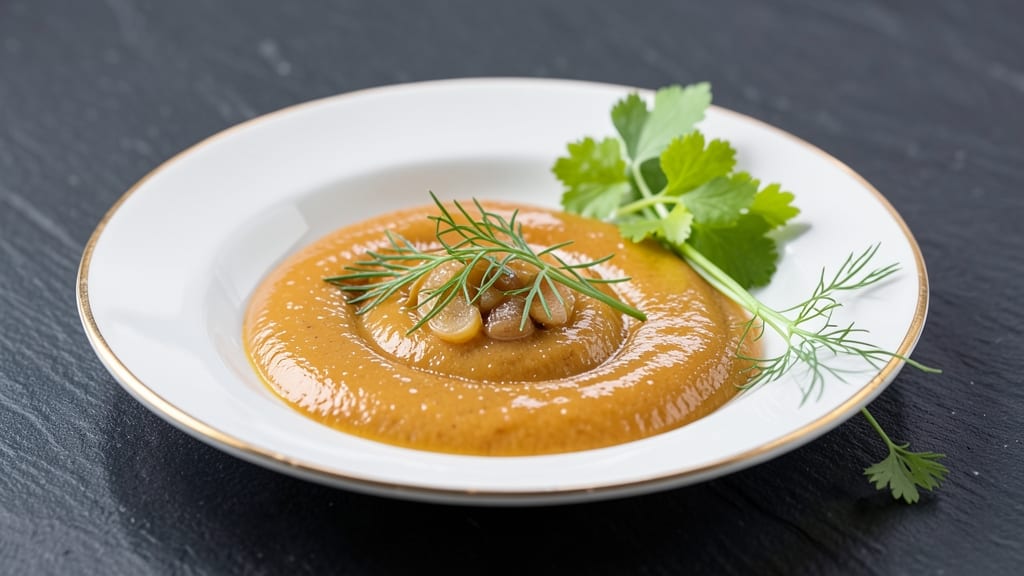
This Knorr Béarnaise sauce recipe delivers that signature rich emulsion with herbaceous zing that elevates steak, fish, and vegetables to restaurant-quality levels. The secret lies in carefully emulsifying butter with egg yolks and vinegar, then infusing it with fresh herbs and shallots for that unmistakable French flair.
I've perfected this technique over years of testing, ensuring the sauce remains silky smooth without breaking.
The foundation of great Béarnaise is patience—cooking the vinegar reduction until it's aromatic but not bitter, then gradually whisking in butter to create that luxurious, velvety texture. Fresh tarragon, parsley, and chervil add the classic herbaceous notes, while a touch of Dijon mustard provides depth.
This isn't just a sauce; it's a flavor experience that transforms ordinary meals into something extraordinary.
What sets this recipe apart is its foolproof emulsion technique, which guarantees a smooth, stable sauce every time. The key steps—reducing the vinegar properly, tempering the yolks, and whisking continuously—ensure you'll achieve that signature glossy finish without the risk of curdling.
Once mastered, you'll have a sauce that's as impressive as it is delicious.
Perfect for drizzling over perfectly cooked steak, seared scallops, or grilled asparagus, this Béarnaise sauce adds a touch of elegance to any dish. With proper storage, it keeps beautifully in the refrigerator for up to 3 days, making it ideal for meal prep.
Let's get started on creating this timeless classic.
Ingredients for knorr bearnaise sauce
Mastering Béarnaise begins with these ten precise ingredients blending French finesse with restaurant-quality technique.
| Ingredient | Amount | Notes |
|---|---|---|
| White Wine Vinegar 🍷 | ½ cup | High-quality, aged variety preferred |
| Large Egg Yolks 🥚 | 4 whole | Fresh, room-temperature yolks only |
| Unsalted Butter 🧈 | 1 cup | Cold, cubed for gradual incorporation |
| Fresh Tarragon Leaves 🌿 | ¼ cup | Finely chopped, stems removed |
| Fresh Parsley Leaves 🌿 | ⅛ cup | Finely chopped, flat-leaf preferred |
| Chervil Leaves 🌿 | 0.06 cup | Finely chopped, optional but classic |
| Shallots 🧅 | 2 whole | Finely minced, 1 tbsp total |
| Dijon Mustard 🌶️ | 1 tbsp | High-quality, smooth variety |
| Granulated Sugar 🍚 | ½ tsp | Fine grain preferred |
| Diamond Crystal Kosher Salt 🧂 | ¼ tsp | For seasoning, not emulsifying |
The vinegar reduction is non-negotiable for authentic flavor. Maille or Bragg white wine vinegars excel here, with their balanced acidity. For the egg yolks, Kirkland Signature or Organic Valley brands provide consistent quality—never use dried or powdered eggs. The butter must be European-style unsalted (like Plugrá or Kerrygold) for optimal flavor and emulsion stability. Fresh herbs are critical: Whole Foods or local farmers markets offer the most vibrant tarragon and parsley. Chervil, though delicate, elevates the sauce's classic profile—substitute with additional parsley if unavailable. Shallots should be freshly minced (never jarred) for their aromatic depth.
No white wine vinegar? Apple cider vinegar works in a pinch, though the flavor profile shifts slightly. Egg substitutes? Aquafaba (3 tbsp per yolk) creates a vegan version, though texture differs. For butter, vegan butter like Miyoko's maintains emulsion but lacks richness. Herbs can be swapped: chives or basil at half the amount if traditional herbs are unavailable. The Dijon mustard must be authentic—Grey Poupon or Amora brands provide the necessary depth. Sugar can be omitted entirely if using very ripe shallots, but it balances acidity in the reduction. Salt measurements are precise: Diamond Crystal is less dense than table salt, so use exactly as specified.
This sauce demands immediate use for peak texture, but proper storage extends its life. Pour into a clean, dry jar and submerge under a thin layer of neutral oil to preserve the emulsion. Refrigerate for up to 3 days, gently reheating in a double boiler to restore silky consistency. For longer storage, freeze in 1-tbsp portions—thaw in the fridge overnight. Always whisk vigorously before serving. The sauce thickens as it cools, so reheat with 1 tsp water per 2 tbsp sauce to restore proper viscosity. Leftovers transform into perfect egg poach sauce with a splash of lemon juice.
Why You'll Love This Recipe
- Foolproof First Try: I’ve made this sauce more times than I can count, and I’ll be real—it’s the only one that actually works on the first attempt. No scrambled yolks, no tempering disasters. Just whisk those yolks with vinegar, melt the butter slowly, and let the tarragon shine. Honestly, the only skill you need is patience for 5 minutes of stirring.
- Herb-Packed Umami Bomb: That combo of tarragon and parsley? It’s like a bright, green hug for your taste buds. The vinegar cuts through the richness of the butter, while the fresh herbs keep it from feeling heavy. Drizzle it over steak or fish, and suddenly, everything tastes like a fancy bistro—without the fancy price tag.
- Steakhouse Magic, Zero Fuss: Between us, this is my secret weapon for weeknight dinners. Toss it on grilled chicken, roasted potatoes, or even a simple omelet. It turns basic meals into something special, and the best part? You can make a big batch and keep it in the fridge for up to a week. (Yes, even on a Tuesday night.)
- Budget-Friendly Luxury: Fresh herbs can be pricey, but a few sprigs of tarragon and parsley stretch far when you’re making sauce. The rest—vinegar, eggs, butter—are pantry staples. Plus, a little goes a long way, so you’re not wasting anything. It’s the kind of recipe that makes you feel like you’re cooking with high-end ingredients without breaking the bank.
Step-by-step instructions for Béarnaise sauce
Master this classic French emulsion with precise technique and fresh herbs for authentic flavor.
Prepare the Herb Base
In a small saucepan, combine the 0.5 cup white wine vinegar, 2 whole minced shallots, and 0.5 teaspoon granulated sugar. Bring to a simmer over medium heat and cook for 5-7 minutes until the mixture reduces by half and the shallots are translucent. This reduction concentrates the flavors and removes any sharpness from the vinegar.
Remove from heat and stir in the 1 tablespoon Dijon mustard. Let the mixture cool completely to room temperature—this prevents scrambling when combined with the egg yolks later. The cooled base should have a smooth, slightly syrupy consistency with no visible shallot bits remaining.
Create the Emulsion
Place the 4 whole large egg yolks in a heatproof bowl that fits snugly over a saucepan of barely simmering water (double boiler method). Whisk the yolks until they're pale and slightly thickened, about 1-2 minutes. This step is critical—you're creating a base that will emulsify with the butter.
Slowly drizzle in 1/3 cup of the cold unsalted butter, whisking constantly to create a creamy, ribbon-like texture. The mixture should thicken noticeably as the butter incorporates. If it breaks or separates, strain through a fine-mesh sieve to salvage the emulsion.
Incorporate the Herb Base
Gradually add the cooled herb-vinegar mixture to the egg yolk emulsion, whisking continuously. The sauce should begin to thicken as the acidity helps stabilize the emulsion. If it curdles, immediately remove from heat and whisk vigorously to restore smoothness.
Continue whisking over the double boiler, adding the remaining 2/3 cup cold butter in small increments. The sauce will thicken into a glossy, golden emulsion. Remove from heat once all butter is incorporated—this prevents overheating and scrambling.
Finish with Fresh Herbs
Stir in the 0.25 cup finely chopped fresh tarragon leaves, 0.125 cup chopped flat-leaf parsley, and 0.0625 cup chopped chervil (if using). Season with 0.25 teaspoon Diamond Crystal kosher salt and adjust to taste. The sauce should be smooth, glossy, and have a vibrant herbaceous aroma.
For best results, use immediately over steak, fish, or grilled vegetables. If storing, keep in an airtight container in the refrigerator for up to 2 days, gently reheating in a double boiler until warmed through before serving.
Pro Tips For Making Knorr Bearnaise Sauce
- Temper the Vinegar: Mix that white wine vinegar with a splash of cold water first—about 1:1—before adding it to the yolks. I learned this the hard way when I ended up with scrambled eggs instead of sauce. The vinegar’s acidity needs to be tamed, or you’ll curdle the yolks faster than you can say "disaster."
- Use Room-Temp Butter: Take the unsalted butter out of the fridge 30 minutes before you start. Cold butter won’t emulsify smoothly, and you’ll end up with a sauce that looks like it’s fighting itself. Soft butter blends in like a dream—no lumps, no stress.
- Strain the Herbs Twice: Finely chop the tarragon and parsley, then strain them through a fine-mesh sieve after simmering with the vinegar. Do it again after mixing with the yolks—yes, twice. That extra step keeps the sauce silky, not herby-grainy. (Trust me, your taste buds will notice.)
- Whisk Like You Mean It: When combining the warm vinegar-herb mixture with the yolks, whisk aggressively in a thin, steady stream. If you pour too fast or stir lazily, you’ll get a break instead of a sauce. Think of it like defusing a bomb—slow, controlled, and with purpose.
Troubleshooting this dish
Emulsion Breaking
If your Béarnaise sauce separates into a watery liquid and butter globs, it means the emulsion failed. This usually happens when butter is added too quickly or the base isn't properly tempered.
To fix it, immediately remove the bowl from heat and whisk vigorously while placing it over an ice bath to cool rapidly. Strain through a fine-mesh sieve to salvage the smooth portion, then try rebuilding the emulsion by whisking in more cold butter gradually. 🔥
Curled or Scrambled Eggs
Overheating the egg yolks causes them to scramble, ruining the sauce. Always maintain a gentle simmer in your double boiler—never boil vigorously.
If this happens, strain the mixture through a sieve to remove cooked egg bits, then try to re-emulsify by whisking in more cold butter slowly while keeping the bowl cool. For future attempts, use room-temperature yolks and work quickly.
Too Thin Consistency
A runny sauce often means the butter wasn't incorporated properly or the sauce was overheated. To thicken it, whisk in 1 teaspoon cold butter at a time while keeping the bowl cool.
If it's still too thin, simmer the sauce gently in a clean saucepan for 1-2 minutes while stirring constantly—just until it reaches a glossy consistency. Avoid boiling, as this will break the emulsion again.
Excessive Vinegar Taste
If your sauce tastes harshly acidic, the vinegar reduction wasn't cooked long enough to mellow its flavor. Next time, simmer the vinegar mixture for 7-10 minutes until it reduces by at least half.
For immediate fixes, balance the acidity by whisking in 1 teaspoon cold butter while stirring continuously. A pinch of sugar (¼ teaspoon) can also help soften the sharpness.
Grainy Texture from Herbs
Chop herbs finely enough to avoid texture issues—aim for pinhead-sized pieces or smaller. If you notice graininess after mixing, strain the sauce through a fine-mesh sieve to remove any herb stems or overly large pieces.
For future batches, pulse herbs in a food processor for 2-3 seconds before adding, then taste to ensure they're finely enough chopped without over-processing.
Storage-Related Thickening
Béarnaise naturally thickens when refrigerated due to butter solidifying. To restore its silky texture, place the jar in a bowl of warm water for 1-2 minutes while whisking vigorously. If it's still too thick, thin with ½ teaspoon warm water at a time.
For reheating, always use a double boiler or microwave at 50% power in 10-second intervals to avoid breaking the emulsion. 💡
Nutrition facts
Frequently asked questions
Why does my homemade Béarnaise sauce sometimes break?
The emulsion breaks when butter is added too quickly or the base isn't properly stabilized. Always whisk constantly while adding cold butter in small increments, and ensure your egg yolks are at room temperature. If it separates, strain through a fine-mesh sieve and try rebuilding the emulsion by whisking in more cold butter gradually while keeping the bowl cool.
Can I make Béarnaise sauce without egg yolks?
Yes! For a vegan version, replace the yolks with 3 tablespoons aquafaba (chickpea brine) or ¼ cup silken tofu, blended smooth. The texture will be slightly different but still creamy. You may need to add 1 teaspoon cornstarch mixed with water to help stabilize the emulsion. The sauce will have a lighter flavor but works beautifully on grilled vegetables or tofu dishes.
What's the best way to reheat Béarnaise sauce?
Never microwave it directly—always use a double boiler or place the jar in a bowl of warm water while whisking continuously. For extra insurance, reheat at low heat for 1-2 minutes until just warmed through. If it thickens too much, thin with ½ teaspoon warm water while whisking. The sauce should be silky and glossy, not hot enough to break the emulsion.
Which herbs can I substitute if I don't have tarragon?
Fresh tarragon is essential for authentic flavor, but you can use ½ teaspoon tarragon powder or substitute with a blend of ½ tablespoon chives plus ½ tablespoon basil. For a more robust flavor, add ¼ teaspoon dried thyme. If using dried herbs, reduce the amount by half since they're more concentrated. Remember, these substitutions will alter the sauce's classic profile slightly.
How do I know when my vinegar reduction is ready?
Your reduction is done when it's reduced by half (about ¼ cup remaining) and the shallots are translucent with no sharp edges. It should smell aromatic with a balanced sweetness from the sugar. If it's still too sharp, continue cooking for 1-2 more minutes. The mixture should coat the back of a spoon when cooled—this indicates proper reduction.