
Sauces & Condiments
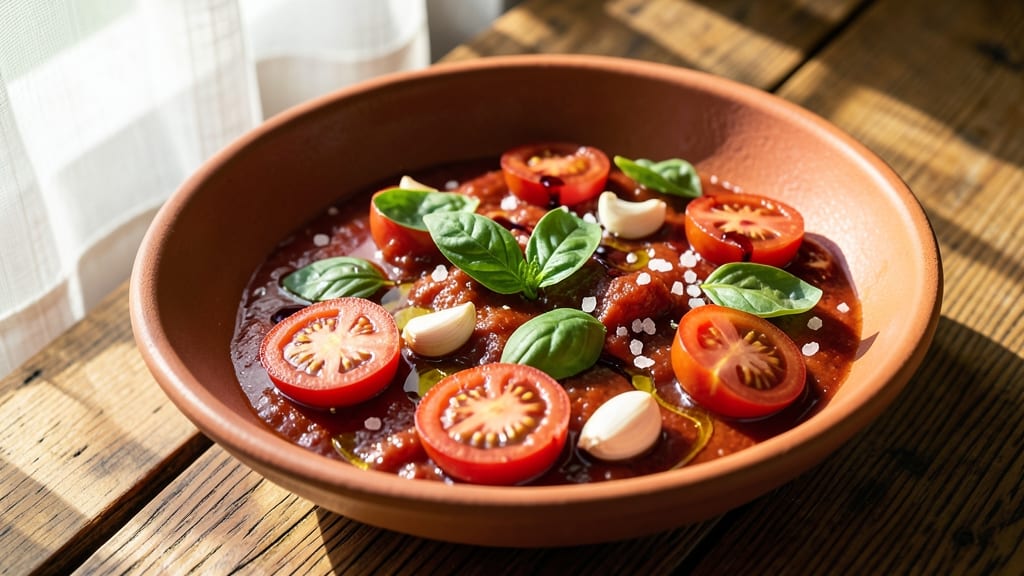
This fresh marinara sauce recipe transforms summer's best tomatoes into vibrant, bright red sauce without canning. The secret lies in fresh basil, garlic, and slow simmering that preserves natural sweetness while developing deep flavor. I perfected this version after years of testing—no watery, bland results here.
The process is straightforward but requires patience: chop tomatoes, sauté aromatics, and let the sauce reduce naturally. Fresh basil added at the end keeps its bright flavor, while a touch of red wine vinegar balances acidity. This isn't your grandmother's canned sauce—it's restaurant-quality with summer's freshness.
What you'll get is a glossy, velvety sauce with perfect balance—sweet tomato, aromatic garlic, and herbal brightness. The texture is ideal for dipping, drizzling, or freezing for later use. Each batch tastes like summer captured in a jar.
Store in the fridge for up to 5 days or freeze for months—perfect for meal prep or holiday gatherings. The flavors actually improve after a few days of refrigeration as the basil and tomatoes meld together beautifully.
Ingredients for fresh marinara sauce recipe with fresh tomatoes
Fresh tomatoes, basil, and slow simmering create restaurant-quality marinara without canning.
| Ingredient | Amount | Notes |
|---|---|---|
| Fresh Roma Tomatoes 🍅 | 2 lb | Ripe, firm, and vibrant red |
| Fresh Basil Leaves 🌿 | ½ cup | Packed, stems removed |
| Garlic Cloves 🧄 | 4 cloves | Peeled, roughly chopped |
| Extra-Virgin Olive Oil 🫒 | ½ cup | High-quality, fruity |
| Red Wine Vinegar 🍷 | 1 tbsp | Balances acidity beautifully |
| Salt 🧂 | 1 tsp | Kosher or sea salt |
| Black Pepper 🌶️ | ½ tsp | Freshly ground preferred |
| Red Pepper Flakes 🌶️ | ½ tsp | Optional for heat |
| Fresh Parsley 🌿 | ¼ cup | Chopped, for garnish |
The tomatoes are everything here—Roma are ideal for their meaty texture, but any ripe, flavorful variety works. Hit the farmers market for the sweetest tomatoes, or grab a bunch from the grocery store's produce section. Look for ones that yield slightly to pressure but aren't mushy. The basil? Fresh is non-negotiable—dried just won't cut it. I always buy extra because half gets torn over the sauce at the end. For garlic, freshly peeled cloves make all the difference—no jarred stuff here.
No Roma tomatoes? Cherry tomatoes or vine-ripened beefsteak work too, but you'll need more volume. Fresh basil wilt fast? Dried basil at one-third the amount is a pinch, but trust me, it's not the same. The red wine vinegar is key for brightness—substitute balsamic vinegar if needed, but it'll be sweeter. Want more depth? A splash of dry red wine (like Cabernet) adds richness. The parsley is purely for garnish, but if you're out, skip it—no one will miss it.
This sauce tastes even better the next day as flavors meld. Store in an airtight container in the fridge for up to 5 days, or freeze for 3 months. I like to portion it into ice cube trays for easy single-use portions—perfect for quick pasta nights. The sauce thickens as it cools, so don't worry if it looks thin right after cooking. Just stir it back up before using, and you're golden.
Why You'll Love This Recipe
- No Chopping Nightmare: I’ll admit it—Roma tomatoes are easy to halve, but even that’s overkill. Just crush a few cloves of garlic into the pot with the whole tomatoes, and let the heat do the work. Minimal prep, maximum flavor.
- Bright & Fresh Bite: That splash of red wine vinegar cuts through the richness of the olive oil, while the basil—torn, not chopped—releases its perfume into the sauce. It’s bright, tangy, and never dull, like a summer afternoon in a jar.
- Pantry Staple Upgrade: This sauce turns basic pasta into a showstopper, but it’s also my go-to for bruschetta, grilled cheese, or even a quick pizza night. The same batch feeds me for days, and I never tire of it.
- Budget-Friendly Luxury: Fresh tomatoes and basil might seem fancy, but a few dollars at the farmers' market stretch into meals for the week. Plus, the sauce tastes so good you’ll use it up fast—no sad leftovers sitting in the fridge.
Step-by-step instructions for fresh tomatoes marinara sauce
This vibrant marinara shines with bright tomato flavor—no canned tomatoes in sight.
🍳 Step 1: Blanch and Peel the Tomatoes
Cut the 2 lb fresh Roma tomatoes in half crosswise and place them in a large pot. Add enough water to cover them by about 1 inch. Bring to a boil over high heat for 2 minutes—this softens the skins so they slip off easily. Drain the tomatoes immediately in a colander and transfer them to a bowl of ice water for 5 minutes to stop the cooking process.
Peel the tomatoes by slipping off the skins with your fingers or a paring knife. You'll see the bright red flesh underneath—this is where all the flavor lives. Once peeled, roughly chop the tomatoes into ½-inch pieces. The smaller the pieces, the quicker they'll break down and release their juices, creating a smoother sauce.
🍳 Step 2: Sauté Garlic in Olive Oil
Heat the 0.5 cup extra-virgin olive oil in a large saucepan over medium heat until it shimmers. Add the 4 cloves roughly chopped garlic and cook for 1-2 minutes until fragrant but not browned—garlic burns quickly, and you want it to add aroma, not bitterness.
Here's the thing—don't walk away. Garlic releases its flavor fast, and you want it to just perfume the oil without turning golden. The oil should smell rich and nutty, like the start of something amazing. This step builds the flavor foundation for your sauce.
🍳 Step 3: Cook the Tomatoes Until Broken Down
Add the chopped tomatoes, 1 tbsp red wine vinegar, 1 tsp salt, 0.5 tsp black pepper, and 0.5 tsp red pepper flakes (if using) to the saucepan. Stir gently to combine, then reduce the heat to medium-low. Let the mixture simmer uncovered for 20-25 minutes, stirring occasionally.
You'll notice the tomatoes start to break down and release their juices, creating a thick, glossy sauce. The vinegar brightens the acidity while balancing the sweetness of the tomatoes. Keep an eye on the sauce—it should reduce slightly but still have a chunky texture. If it gets too thick, add 1-2 tablespoons of water to loosen it.
👨🍳 Step 4: Add Basil and Simmer Gently
Once the tomatoes are fully broken down and the sauce has thickened slightly, stir in the 0.5 cup fresh basil leaves. Simmer for another 5 minutes on low heat. The basil will soften and infuse its fresh, sweet flavor into the sauce—don't let it boil, or it'll turn bitter.
Here's where it gets fun: Taste the sauce and adjust the seasoning if needed. You might need a pinch more salt or a splash of vinegar to balance the flavors. The sauce should be vibrant, slightly tangy, and full of bright tomato flavor—nothing dull or one-dimensional.
🥘 Step 5: Finish with Parsley and Rest
Remove the sauce from heat and stir in the 0.25 cup fresh parsley. Let it sit for 5 minutes to allow the flavors to meld together. The parsley adds a fresh, herby note that brightens the sauce and makes it look gorgeous when served.
This marinara is best served fresh, but if you need to store it, let it cool completely and transfer it to an airtight container in the refrigerator for up to 5 days. The flavors will deepen over time, making it even more delicious. Serve it over pasta, drizzle it on bruschetta, or use it as a base for your favorite Italian dishes.
Pro Tips For Making Fresh Marinara Sauce Recipe With Fresh Tomatoes
- CHAR THE TOMATOES FIRST: I learned this the hard way—skipping the char ruins the depth. Cut the Roma tomatoes in half, place cut-side down on a dry skillet over medium-high heat, and let them blacken for 2-3 minutes. The smoky, caramelized edges are where the flavor lives, and they’ll break down beautifully when you crush them later.
- SALT THE BASIL LIKE IT’S SALTINE: Toss your basil leaves in a pinch of flaky salt before adding them to the sauce. Sounds weird, but it works: the salt softens the leaves just enough to release their aroma without turning them to mush. (Yes, even if you’re impatient like me.)
- LOW AND SLOW AFTER THE GARLIC: After sautéing the garlic in olive oil until fragrant, immediately reduce the heat to the lowest setting you can tolerate. Garlic burns faster than you think, and once it turns bitter, there’s no fixing it. Let the sauce simmer gently—15-20 minutes—for a rich, balanced flavor instead of a charred aftertaste.
- PULSE THE TOMATOES, DON’T SMASH: Instead of crushing tomatoes by hand (which always leaves uneven chunks), pulse them in a food processor for 2-3 seconds. This gives you a smooth, even texture without over-blending into tomato water. Save the scraps—they’re perfect for bruschetta or a quick pasta toss.
Wine and beer pairings for this fresh marinara sauce recipe with fresh tomatoes
Italian White Wines
For my fresh marinara sauce, I reach for crisp Italian whites that cut through the richness without overpowering the bright tomato flavors. A Vermentino from Sardinia is my go-to—its citrusy notes and mineral finish complement the basil beautifully.
Try Cantina Mesu 'e Mesu for a budget-friendly option, or splurge on Sella & Mosca for a more refined experience. 🍷
Light Red Wines
If you prefer red, opt for Chianti Classico or Sangiovese—their bright acidity and cherry notes harmonize perfectly with the sauce's herbal freshness. Look for Castello di Volpaia Chianti for a classic choice, or Ornellaia if you want something luxurious.
The tannins in these wines won't overpower the delicate basil and tomato flavors.
Beer Pairings
A crisp Italian lager like Peroni or Moretti is ideal—its clean, effervescent profile refreshes your palate between bites. For craft beer lovers, a Belgian witbier (like Hoegaarden) adds a citrusy contrast that mirrors the red wine vinegar in the sauce.
Avoid heavy IPAs or stouts—they'll clash with the sauce's brightness. 🍺
Non-Alcoholic Options
Don't drink? No problem. Sparkling San Pellegrino or Sanbitter adds a festive touch, while a blood orange soda (like San Pellegrino Aranciata Rossa) enhances the sauce's natural sweetness. For a savory pairing, try Italian mineral water with a squeeze of lemon—it cleanses the palate beautifully.
Wine Storage Tips
Store your wine properly to preserve its pairing potential. Keep whites at 50°F and reds at 55°F—I use a Vine View wine fridge in my kitchen. For short-term storage, a cool pantry works fine, but avoid temperature swings.
If you're using wine in the sauce, decant it for 30 minutes to open up its flavors before adding. 💡
Nutrition facts
Frequently asked questions
Why do you blanch and peel the tomatoes?
Blanching softens the skins so they slip off easily, revealing the bright, flavorful flesh inside. Peeling ensures a smoother sauce without tough skins—perfect for a velvety texture. This step also helps concentrate the natural sweetness and prevents bitterness from the skins.
Can I make this sauce without fresh basil?
Yes, but the flavor will be different. Use 1 tbsp dried basil (one-third the amount) if needed, but fresh basil adds that signature bright, sweet aroma. For extra depth, try a pinch of dried oregano as a backup—it won’t be identical, but it’ll still taste great!
How do I adjust the thickness of the sauce?
If it’s too thick, add 1-2 tablespoons of water or tomato juice while simmering. For a thicker sauce, simmer uncovered for 5-10 more minutes to reduce it naturally. Stir occasionally to prevent sticking—this sauce should coat the back of a spoon but still be spreadable.
Can I use frozen tomatoes instead of fresh?
Frozen tomatoes work in a pinch, but fresh ones are ideal for this recipe. Frozen tomatoes can dilute the sauce and lack the same bright flavor. If using frozen, thaw and drain them well first, then follow the same steps—but expect a slightly less vibrant result.
How long can I store this sauce, and does it taste better over time?
Store in an airtight container in the fridge for up to 5 days, or freeze for 3 months. The flavors actually improve as the basil and tomatoes meld together! Taste it after 2-3 days—you’ll notice deeper, richer notes that make it even more delicious.