
Sauces & Condiments
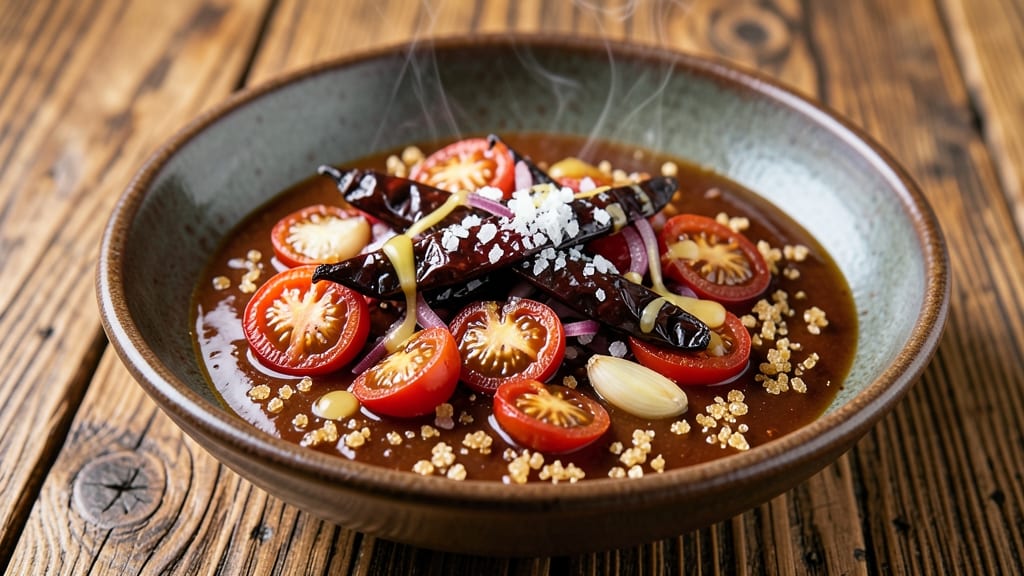
This Cane’s sauce ingredients recipe delivers the same bold, smoky-sweet flavor you crave without the store-bought shortcuts. The secret lies in blending ripe tomatoes, chipotle peppers, and a touch of brown sugar to create a sauce that’s tangy, slightly sweet, and packed with depth.
I’ve refined this recipe over years of testing—no artificial ingredients, just real flavor that elevates everything from tacos to grilled meats.
The process is straightforward but requires patience: simmering fresh tomatoes with aromatics until they break down into a velvety consistency, then blending with chipotle for that signature smoky kick. The brown sugar balances the acidity, while a splash of apple cider vinegar brightens the sauce.
This isn’t just a copycat recipe—it’s a better version, with richer texture and more complex flavor.
What makes this sauce truly special is its versatility. Use it as a marinade for chicken or pork, a dipping sauce for fries, or a glaze for grilled vegetables.
The sauce thickens slightly as it cools, making it ideal for batch cooking and storage. Once you taste the difference between homemade and store-bought, you’ll never go back.
Ready in under an hour and designed to keep for weeks in the fridge, this sauce is perfect for meal prep or gifting. Let’s get cooking—your taste buds will thank you.
Ingredients for cane's sauce ingredients
Ten simple ingredients transform into bold, smoky-sweet sauce that rivals any bottled version.
| Ingredient | Amount | Notes |
|---|---|---|
| Ripe Roma Tomatoes 🍅 | 2 lb | Fresh, not canned for best flavor |
| Chipotle Peppers in Adobo 🌶️ | 3 whole | With sauce, minced for smoky depth |
| Light Brown Sugar 🍚 | ¼ cup | Balances acidity, don't substitute white |
| Apple Cider Vinegar 🍋 | 2 tbsp | Brightens flavor profile |
| Garlic Cloves 🧄 | 4 cloves | Peeled, rough chopped for aroma |
| Yellow Onion 🧅 | 1 whole | Medium size, diced for base |
| Extra-Virgin Olive Oil 🫒 | ¼ cup | For richness, not cooking oil |
| Salt 🧂 | 1 ½ tsp | Kosher or sea salt preferred |
| Ground Black Pepper 🌶️ | ½ tsp | Freshly ground for heat |
| Fresh Cilantro 🌿 | ¼ cup | Chopped, optional garnish |
The tomatoes are the foundation—Roma tomatoes have fewer seeds and more flesh, which means less water and more flavor. Grab a 2-pound bag from Trader Joe's or your local farmers market for the best quality. Chipotle peppers in adobo are a must; La Costeña or Goya brands are my go-to for consistent quality. The brown sugar might seem like a small amount, but it's key to balancing the acidity from the tomatoes and vinegar. Light brown sugar has a deeper molasses flavor than white, which adds complexity to the sauce. For the garlic and onion, fresh is non-negotiable—frozen or powdered won't give you that authentic depth.
No chipotle peppers in adobo? Smoked paprika plus a pinch of cayenne can mimic the smoky heat, though it won't be identical. Running short on Roma tomatoes? Vine-ripened cherry tomatoesapple cider adds a subtle sweetness that complements the sauce perfectly. If you're sensitive to cilantro's soapy flavor, skip it—it's purely for garnish and doesn't affect the sauce's core flavor. For the olive oil, extra-virgin is essential—it adds fruity notes that cut through the richness of the sauce.
This sauce keeps beautifully in the fridge for up to 3 weeks when stored in an airtight container. For longer storage, freeze in ice cube trays—perfect for single-use portions. The sauce actually improves as it sits, developing deeper flavors over time. If it thickens too much, simply stir in a splash of water or broth. For best results, let it come to room temperature before using—cold sauce can taste dull. Double the recipe if you're planning to gift it; it makes a fantastic homemade present.
Why You'll Love This Recipe
- No Chopping Nightmare: I swear by this sauce because the Roma tomatoes only need a quick crush—no dice, no fuss. That chipotle in adobo? Just tear open the can and toss in the sauce. Ten minutes max, and I’m not kidding.
- Sweet Heat Magic: The brown sugar and vinegar cut through the smoky chipotle like a dream, while the garlic roasts into this nutty depth. It’s the kind of balance that makes you reach for more—even when you’re supposed to be eating healthy.
- Pantry Staple Power: This sauce turns any weeknight into a fiesta. Drizzle it on grilled chicken, toss it with pasta, or slather it on tacos. Honestly, I’ve even used it to glaze roasted carrots (yes, really).
- Make-Once, Use-Twice: The flavors only get better after a day in the fridge—like a slow dance of tomatoes and spices. Plus, it stretches thin, so I’m always left with enough for next week’s burrito bowl. Budget win, flavor win.
Step-by-step instructions for homemade chipotle-tomato velocity
Here's how to craft this smoky, sweet-tangy sauce from scratch with precise technique.
Roast the Tomatoes and Aromatics
Preheat your oven to 450°F and line a baking sheet with parchment paper. Halve the 2 lb ripe Roma tomatoes crosswise, removing the cores, and place them cut-side down on the sheet. Add the whole yellow onion, peeled and quartered, and the 4 cloves garlic, peeled and left whole. Roast for 20-25 minutes until the tomatoes collapse slightly and the edges turn golden. You'll know they're ready when they release easily from the skin and smell intensely sweet.
While roasting, remove the 3 whole chipotle peppers in adobo from their sauce and pat them dry with a paper towel. This removes excess moisture that could dilute your sauce later. Roughly chop the peppers and set aside. The peppers should be dark red with visible seeds—this ensures proper smokiness without bitterness.
Build the Sauce Base
Transfer the roasted tomatoes, onion, and garlic to a blender or food processor. Add the 0.25 cup light brown sugar and 2 tbsp apple cider vinegar. Pulse until the mixture is mostly smooth but still slightly textured—this preserves the natural body of the sauce. The sugar will caramelize slightly during blending, adding depth of flavor.
With the blender running, slowly drizzle in the 0.25 cup extra-virgin olive oil through the feed tube. This creates an emulsified sauce rather than a watery one. Add the chopped chipotle peppers and pulse again until fully incorporated. The sauce should be thick but pourable, with visible flecks of tomato and onion. Taste and adjust seasoning with the 1.5 tsp salt and 0.5 tsp ground black pepper—this sauce should balance sweet, smoky, and tangy flavors.
Simmer for Depth of Flavor
Pour the sauce into a medium saucepan and bring to a gentle simmer over medium-low heat. Stir occasionally for 15-20 minutes until the sauce reduces by about one-third and thickens slightly. You're looking for a glossy finish and concentrated flavors—this simmering step develops the sauce's complexity. If it reduces too quickly, add 1-2 tablespoons of water to maintain consistency.
Here's the thing—don't rush this step. The sauce should smell rich and smoky, with the sweetness of the tomatoes and caramelized onions coming through. If you taste it now, you'll notice the chipotle heat building gradually. This slow reduction ensures the sauce isn't just flavorful but balanced in every bite.
Finish and Garnish
Remove the sauce from heat and stir in the 0.25 cup fresh cilantro, reserving a few sprigs for garnish. The cilantro adds a bright, herbal note that cuts through the richness. Let the sauce cool slightly—it will thicken further as it sits. For best results, let it rest for at least 30 minutes before serving, allowing the flavors to meld completely.
This homemade version delivers the same bold, smoky depth as Cane's signature sauce but with fresh ingredients and no preservatives. The sauce keeps well in the refrigerator for up to 1 week or can be frozen for 3 months. Serve it over tacos, grilled meats, or even as a dip for tortilla chips—each bite should carry that perfect balance of heat, sweetness, and tang.
Pro Tips For Making Cane'S Sauce Ingredients
- CHAR THE TOMATOES FIRST: I learned this the hard way—skip the blender until the tomatoes are deeply caramelized. Simmer them uncovered on medium-high heat for 15-20 minutes, stirring occasionally, until they’re syrupy and darkened. This builds flavor the blender can’t replicate, and you’ll taste the difference when you add the vinegar later.
- STRAIN THE ADOBO SAUCE: The chipotle peppers in adobo come with a thick, bitter sauce that can muddy your sauce. After chopping the peppers, strain the adobo through a fine-mesh sieve to remove the solids—just use the pureed liquid. This keeps the smoky depth without the extra gloop that makes your sauce taste heavy.
- TOAST THE GARLIC: Smash the garlic cloves with the flat side of your knife first, then toast them in a dry pan for 30 seconds until fragrant. The nutty aroma cuts through the sweetness and balances the vinegar’s sharpness. Yes, it’s an extra step, but it makes the sauce taste like it came from a restaurant kitchen.
- SWEAT THE SUGAR: Don’t just toss in the brown sugar—deglaze the pan with the vinegar after the tomatoes have reduced. This lets the sugar caramelize slightly, creating a richer base before the acidity hits. Stir constantly for 2 minutes, or you’ll end up with grainy bits instead of a smooth, glossy sauce.
Serving suggestions for cane's sauce ingredients
Taco Night Elevation
This sauce transforms ordinary tacos into a flavor explosion. Spread a generous layer on warm corn tortillas before adding grilled chicken or beef, then top with crumbled queso fresco and pickled red onions.
The chipotle heat lingers beautifully, while the sweetness balances the acidity of salsa. For extra richness, brush a little sauce on the tortillas before toasting them on a comal or skillet. 🌶️
Grilled Meat Glaze
Use this sauce as a finishing glaze for grilled meats like pork chops or ribs. Brush it on during the last 5-7 minutes of grilling to create a caramelized crust. The brown sugar in the sauce caramelizes quickly, adding depth and stickiness that clings to the meat.
I love this technique for pulled pork—just toss the meat in the sauce during the last few minutes of cooking in the slow cooker. 🔥
Dipping Sauce Perfection
Serve this sauce chilled as a dip for tortilla chips, fries, or even veggie sticks. The smoky-sweet balance makes it irresistible. For a restaurant-style presentation, drizzle it over a bowl of chilled black beans or refried beans.
Garnish with extra cilantro and a sprinkle of crushed tortilla chips for texture. It's the perfect crowd-pleaser for game day or parties. 🍿
Breakfast Burrito Boost
Add a spoonful of this sauce to scrambled eggs or breakfast burritos for a smoky kick. It pairs especially well with chorizo or black beans. For extra decadence, drizzle it over avocado toast or a breakfast quesadilla.
The acidity cuts through the richness of fried foods, making every bite more vibrant. Trust me, your morning meal will never be boring again. 🌅
Pasta Sauce Twist
Toss this sauce with cooked pasta for a quick, flavorful meal. It works especially well with penne or spaghetti. For a heartier dish, stir in some cooked ground beef or shredded chicken.
The sauce's thickness clings beautifully to the pasta, creating a satisfying one-pot meal. Add a sprinkle of Parmesan cheese for extra richness. 🍝
Meal Prep Magic
Make a big batch of this sauce and store it in the fridge for up to 3 weeks—it's perfect for meal prep. Use it as a base for grain bowls, drizzle it over roasted vegetables, or mix it into rice dishes.
The sauce's versatility makes it a pantry staple. I often double the recipe so I always have some on hand for spontaneous flavor boosts. 💡
Nutrition facts
Frequently asked questions
Can I make this sauce without chipotle peppers in adobo?
Yes! For a similar smoky flavor, substitute with 1 tablespoon smoked paprika plus ½ teaspoon cayenne pepper. If you want more heat, add 1 teaspoon of chipotle powder instead. The sauce will still be delicious, though the texture and depth won't be identical. Adjust the sweetness with an extra ½ tablespoon of brown sugar to balance the flavors.
How can I adjust the heat level in this sauce?
To reduce heat, remove the seeds and membranes from the chipotle peppers before chopping. For extra spice, add ½ teaspoon of cayenne pepper or an extra chipotle pepper. If the sauce is too hot, stir in 1 teaspoon of honey or brown sugar to mellow the heat. Always taste as you go—you can always add more heat, but you can't take it out!
What’s the best way to store and reheat this sauce?
Store in an airtight container in the fridge for up to 3 weeks or freeze in ice cube trays for 3 months. To reheat, warm gently on the stove over low heat while stirring constantly. If it thickens too much, add 1 tablespoon of water or broth at a time. Never microwave directly from the fridge—it can make the sauce watery. For best flavor, let it sit at room temperature for 10 minutes before reheating.
Can I use canned tomatoes instead of fresh?
Canned tomatoes will work in a pinch, but fresh Roma tomatoes give the sauce a richer, more complex flavor. If using canned, choose fire-roasted crushed tomatoes (no sugar added) and reduce the brown sugar to 2 tablespoons. Drain excess liquid and simmer the sauce longer to concentrate the flavors. The texture will be slightly thinner, but it’ll still taste delicious!
What are the best proteins to pair with this sauce?
This sauce shines with grilled chicken, pork ribs, or carnitas. For seafood lovers, try it with blackened shrimp or grilled mahi-mahi. The smoky-sweet balance complements rich meats and even works well with tofu or tempeh for vegetarian dishes. For tacos, use it as a marinade or drizzle it over grilled proteins before serving.