
Sauces & Condiments
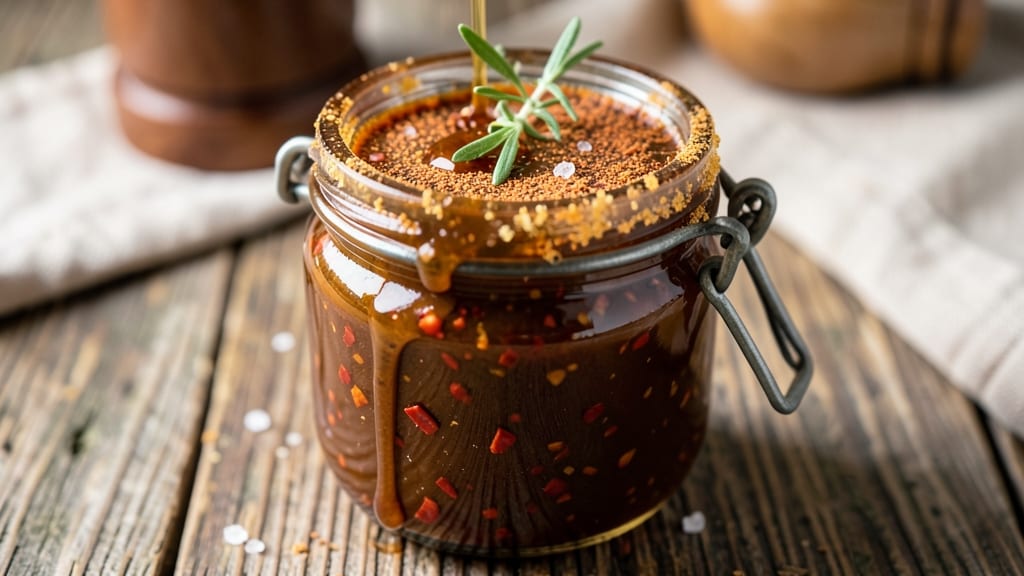
This bourbon hot sauce recipe transforms simple ingredients into a complex, smoky-sweet condiment that elevates everything from wings to cocktails. The combination of bourbon's vanilla oak notes and fermented heat creates depth you won't find in store-bought versions.
I developed this after years of experimenting with small-batch hot sauces, and the 3-ingredient base makes it surprisingly approachable for home cooks.
The process begins with fermenting peppers in bourbon-infused vinegar, which builds flavor while mellowing the initial heat. We'll use a 3:1 vinegar-to-pepper ratio for balance, with optional smoked paprika to enhance the bourbon's natural smokiness.
The key is patience—letting the mixture ferment for at least 2 weeks allows the bourbon's vanilla and oak characteristics to fully integrate into the sauce.
What you'll end up with is a versatile hot sauce that's perfect for adding depth to grilled meats, seafood, or even cocktails like bourbon Old Fashioneds.
The sauce has a medium heat level (around 1,000-2,000 Scoville units) with complex smoky-sweet undertones that make it far more interesting than traditional hot sauces. Each batch develops unique characteristics based on the bourbon used and fermentation time.
Storage is simple: transfer to clean glass bottles and keep refrigerated for up to 6 months. The flavor actually improves over time as the bourbon's notes continue to develop.
This is the kind of hot sauce that transforms ordinary meals into memorable experiences—once you try it, you'll never go back to store-bought again.
Ingredients for bourbon hot sauce
Bourbon's rich oak and vanilla meet fermented heat in this simple yet sophisticated hot sauce.
| Ingredient | Amount | Notes |
|---|---|---|
| White Vinegar 🍶 | 2 cups | Distilled for clarity and acidity |
| Bourbon Whiskey 🥃 | ½ cup | 80-proof minimum, good quality |
| Fresh Red Cayenne Peppers 🌶️ | ½ cup | Seeds removed for milder heat |
| Smoked Paprika 🌶️ | 1 tbsp | For authentic bourbon smokiness |
| Granulated Garlic 🧄 | 1 tsp | Or 1 minced garlic clove |
| Sea Salt 🧂 | ½ tsp | Diamond Crystal preferred |
| Honey 🍯 | 1 tbsp | Lightens heat and balances acidity |
| Xanthan Gum 🧪 | ¼ tsp | For thickening, optional |
The bourbon is the soul of this sauce—Buffalo Trace or Maker's Mark deliver that perfect balance of vanilla and oak. Local distilleries often sell bottles at lower prices, and the flavor difference is minimal. If you can't find bourbon, rye whiskey works in a pinch, though the flavor profile shifts slightly. The cayenne peppers should be bright red and firm; Mexican serranos add extra depth if you're feeling adventurous. Vinegar quality matters too—distilled white vinegar keeps things clear, while apple cider vinegar adds complexity but may cloud the sauce.
No bourbon? Substitute with apple cider vinegar and a splash of vanilla extract, though the oak notes will be missing. Want more heat? Add extra cayenne or a pinch of cayenne pepper—but taste as you go. The smoked paprika is non-negotiable for that bourbon-like smokiness, but if you're out, liquid smoke at half the amount works in a bind. Honey can be swapped for maple syrup for a different sweetness profile. The xanthan gum is optional but worth it for a thicker, more professional finish—agar-agar works too if you're avoiding gums.
Ferment the peppers in a clean glass jar for at least 2 weeks before straining—this is where the magic happens. Store the finished sauce in sterilized glass bottles in the fridge for up to 6 months. The flavor deepens over time, so make a big batch and gift some to friends. If you want to experiment, try adding a pinch of black pepper or a dash of cinnamon to the final sauce for extra complexity.
Why You'll Love This Recipe
- No-Fuss Blend: I swear by this recipe because it’s basically hands-off. Toss the cayennes and garlic into vinegar, let the bourbon do its magic while you sip coffee, then strain. That’s it. No peeling, no dicing, no stress—just let the heat and depth develop on their own.
- Smoky-Sweet Kick: Honestly, the smoked paprika and bourbon transform this into something way beyond basic hot sauce. It’s got that caramelized, slightly charred edge from the cayennes, but the whiskey smooths it out—like a spicy old-fashioned in sauce form. Drizzle it on eggs, and you’ll never go back.
- Game for Any Meal: Between us, this sauce is my lazy Sunday brunch MVP and my late-night pizza upgrade. Slather it on grilled cheese for a grown-up twist, or toss it into marinades for wings that’ll make your friends ask for the recipe. The best part? It doesn’t scream “holiday food,” so it works year-round.
- Pantry Goldmine: I make a big batch and keep it in the fridge for weeks—it only gets better with time. The vinegar preserves the heat, the bourbon mellows, and the cost? A fraction of store-bought. Plus, one jar turns a sad takeout meal into a “wait, did you cook this?” moment. Budget win, flavor jackpot.
Step-by-step instructions for bourbon hot sauce
Here's how to craft a velvety, smoky hot sauce with depth from oak and bourbon.
Sterilize and Prepare the Peppers
Begin by sterilizing a clean glass jar and its lid by running them through hot, soapy water and then rinsing thoroughly. This ensures your hot sauce stays fresh longer. While they dry, prepare the fresh red cayenne peppers by removing stems and seeds - leave the seeds in for extra heat if you prefer. Chop the peppers into ¼-inch chunks for even cooking and heat distribution.
Transfer the chopped peppers to a clean bowl. They should measure about ½ cup when packed. Set aside while you prepare the remaining ingredients. The fresh peppers will infuse their vibrant heat and color into the sauce, creating that signature fiery kick.
Combine Base Ingredients
In a medium saucepan, combine the 2 cups white vinegar, ½ cup bourbon whiskey, 1 tablespoon smoked paprika, 1 teaspoon granulated garlic, and ½ teaspoon sea salt. Stir well to dissolve all dry ingredients completely. This liquid base forms the foundation of your sauce, balancing acidity with smoky depth.
Place the saucepan over medium-high heat and bring to a gentle boil. Once boiling, reduce heat to medium-low and let it simmer for 5 minutes, stirring occasionally. This pre-simmer helps extract maximum flavor from all the spices and prepares the liquid for the peppers.
Infuse with Peppers and Simmer
Add the chopped cayenne peppers to the simmering liquid. Stir gently to combine, being careful not to crush the pepper pieces. Return to a simmer and cook for 10-15 minutes, stirring occasionally. You'll notice the peppers soften slightly and release their oils into the liquid, creating a vibrant red color and intense heat.
Watch the sauce carefully - it should maintain a gentle simmer without boiling vigorously. If it reduces too quickly, add 1-2 tablespoons of water to maintain the proper consistency. The peppers should be tender but still hold their shape, indicating they've infused their maximum flavor.
Finish with Honey and Thicken
Remove the saucepan from heat and stir in the 1 tablespoon honey and ¼ teaspoon xanthan gum. The honey will lighten the heat slightly while adding a subtle sweetness that balances the acidity. The xanthan gum acts as a natural thickener, giving your sauce that perfect velvety body without altering the flavor.
Return the sauce to low heat and stir continuously for 2-3 minutes until it thickens slightly. You're looking for a consistency similar to ketchup - smooth and pourable but with good body. If it thickens too much, add 1 teaspoon of hot water to adjust the texture.
Bottle and Rest
Carefully ladle the hot sauce into your sterilized jar, leaving about ½-inch headspace. Seal the lid tightly and let the sauce cool to room temperature. Once cooled, refrigerate for at least 24 hours before using. This resting period allows all the flavors to meld together perfectly.
The sauce will continue to develop complexity over the next few days, with the bourbon flavors becoming more pronounced. For best results, store in the refrigerator and use within 3 months. The longer it sits, the more the flavors will integrate, creating that perfect balance of smoky oak, sweet heat, and tangy acidity.
Pro Tips For Making Bourbon Hot Sauce
- CHAR THE PEPPERS FIRST: Don’t just toss raw cayennes into the pot—char them first over a gas flame (or under a broiler) until blackened in spots. This smoky depth carries straight into your sauce, and skipping it means missing that campfire kick that makes bourbon hot sauce feel like a grown-up drink.
- USE OLD BOURBON: Save the new bottle for sipping. For hot sauce, grab that dusty bourbon from the back of your cabinet—the older, the better. The caramelized notes and subtle oak from aged whiskey blend smoother with the vinegar’s sharpness, giving your sauce complexity instead of just boozy burn.
- SIMMER LOW AND Slow: After adding the bourbon, resist the urge to crank the heat. A gentle simmer (barely bubbling) for 20-30 minutes lets the flavors meld without turning the sauce into vinegar soup. I learned this the hard way—rushing it leaves you with a harsh, one-dimensional burn instead of a balanced heat.
- STRAIN TWICE: First pass through a fine-mesh strainer catches seeds and skins. But for truly silky sauce, let it cool slightly, then strain again through cheesecloth. The extra effort removes lingering grit and makes the final product look (and taste) restaurant-worthy—no one wants to feel like they’re eating pepper pulp.
Wine and beer pairings for this recipe
Bourbon Cocktail Pairings
This hot sauce is a game-changer in cocktails—especially bourbon-based drinks. Try adding ½ teaspoon to a classic Old Fashioned to deepen the oak and vanilla notes while adding a subtle kick.
For a smoky twist, mix 1 oz bourbon, ½ oz hot sauce, and ½ oz honey syrup over ice with a splash of soda. The heat and sweetness balance perfectly, making it a crowd-pleaser. 🍹
Beer Pairings
Pair this sauce with American pale ales or amber ales to complement its smoky-sweet profile. The hop bitterness cuts through the heat while enhancing the bourbon's caramel undertones. For a lighter option, try it with a wheat beer—the citrus notes brighten the sauce's depth.
Avoid heavy stouts or IPAs, as they can overpower the delicate flavors. 🍺
Grilled Meats
This hot sauce elevates grilled meats like ribeye steak or pulled pork. Brush it on ribs during the last 5 minutes of cooking for a caramelized finish.
For wings, toss them in 1 tablespoon hot sauce after baking and drizzle with extra before serving. The smoky-sweet heat pairs beautifully with charred meats. 🔥
Seafood Applications
Surprisingly, this sauce works wonders with seafood. Drizzle it over grilled shrimp or blackened fish for a bold contrast. The acidity in the vinegar cuts through the richness of seafood, while the bourbon adds warmth.
For a quick appetizer, mix 1 tablespoon hot sauce with mayo and spread on grilled corn or avocado slices. 🦞
Cheese and Charcuterie
Use this hot sauce as a dipping sauce for sharp cheddar or aged gouda. The heat and smokiness cut through the cheese's richness, creating a perfect balance. Pair it with prosciutto or salami on a charcuterie board for a sophisticated touch.
A small bowl of the sauce adds an unexpected but delicious twist to any spread. 🧀
Nutrition facts
Frequently asked questions
Can I make this bourbon hot sauce without alcohol?
The bourbon adds essential depth, but you can substitute with ½ cup apple cider vinegar + ½ teaspoon vanilla extract for a similar sweetness. The smoky oak notes will be less pronounced, but the heat and tang will remain. For extra complexity, add ½ teaspoon liquid smoke to mimic bourbon's charred flavor.
How do I adjust the heat level?
For milder heat, remove pepper seeds before chopping or reduce cayenne by ¼ cup. For extra spice, add 1-2 extra cayenne peppers or ½ teaspoon cayenne powder. Remember: heat builds during fermentation—taste after 1 week and adjust if needed.
Why does my sauce look cloudy?
Cloudiness usually means unfiltered pepper particles or vinegar impurities. Strain through a fine-mesh sieve for clarity, or use distilled white vinegar next time. If using apple cider vinegar, expect slight cloudiness—it's natural and doesn't affect flavor. For a smoother sauce, simmer longer to break down pepper fibers.
Can I ferment this sauce longer than 2 weeks?
Yes! Fermenting 3-4 weeks deepens bourbon flavors and mellows heat, but check daily for mold (discard if present). After 4 weeks, taste-test—some prefer the funkier, more complex profile. Store in a cool, dark place during fermentation. The longer you wait, the more the sauce tastes like aged bourbon.
What's the best way to use leftover peppers?
Save leftover peppers for future batches or blend them into pepper jelly (combine with vinegar, sugar, and spices). For immediate use, dry them in a 200°F oven for 2 hours, then crush into flakes for seasoning. Never reuse peppers from spoiled sauce—always discard if fermentation smells off.