
Sauces & Condiments
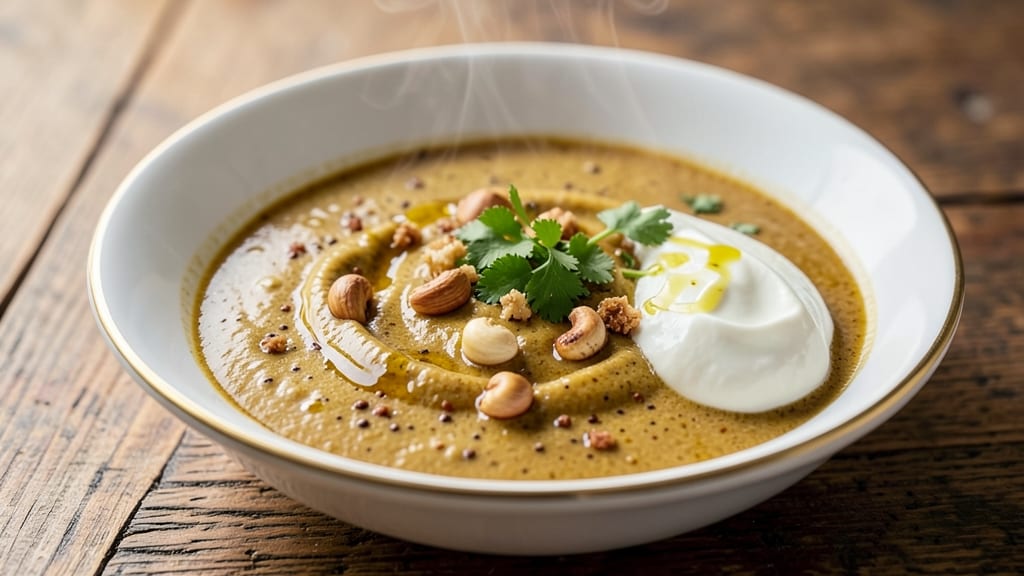
This basic korma sauce recipe delivers the creamy, aromatic foundation you need for restaurant-quality curries in just 30 minutes. The secret lies in blending cashews and coconut milk to create a velvety base, while warm spices and yogurt develop depth that transforms ordinary proteins into something extraordinary.
I've perfected this sauce over years of testing—it's the one my family reaches for when we crave that rich, comforting korma flavor without the fuss of complex techniques.
The beauty of this recipe is its versatility—use it as a base for chicken, lamb, or vegetable curries, or serve it with rice and naan for a satisfying meal. The sauce thickens beautifully when simmered, creating that signature korma texture that's neither too thin nor cloyingly heavy.
What makes it special is the balance: creamy yet not greasy, fragrant without overpowering, and perfectly adaptable to whatever protein you choose.
What you'll achieve is a smooth, fragrant sauce with layers of cardamom, cinnamon, and ginger that infuse every bite. The cashew-coconut blend creates that signature korma creaminess without dairy, while the yogurt adds tangy brightness.
Best of all, it stores beautifully in the refrigerator for up to 5 days or freezes for 3 months—ideal for meal prep or when you want to save time on busy nights.
This isn't just another sauce recipe—it's the foundation for countless curry variations. Whether you're cooking for a weeknight dinner or preparing for a gathering, this korma sauce delivers professional-quality results with simple ingredients and straightforward steps. Let's get started on creating your perfect sauce base.
Ingredients for basic korma sauce
Twelve simple ingredients transform into velvety korma creaminess in just 30 minutes.
| Ingredient | Amount | Notes |
|---|---|---|
| Raw Cashews 🥜 | ½ cup | Unsalted, toasted for richness |
| Full-Fat Coconut Milk 🥥 | 1 can | 13.5 oz can, full-fat preferred |
| Plain Yogurt 🥛 | ½ cup | Greek or regular, unsweetened |
| Ginger Root 🌿 | 1 tbsp | Freshly grated, aromatic |
| Garlic Cloves 🧄 | 4 cloves | Peeled, minced for depth |
| Ground Cumin 🌿 | 1 tsp | Toasted for warmth |
| Ground Coriander 🌶️ | 1 tsp | Freshly ground preferred |
| Ground Turmeric 🌶️ | ½ tsp | Bright yellow color |
| Ground Cardamom 🌿 | ½ tsp | Freshly ground for aroma |
| Ground Cinnamon 🌿 | ¼ tsp | Ceylon preferred |
| Salt 🧂 | ½ tsp | Kosher or sea salt |
| Lemon Juice 🍋 | 1 tbsp | Freshly squeezed |
| Extra-Virgin Olive Oil 🫒 | 1 tbsp | For sautéing spices |
The cashews are non-negotiable here—they're what gives this sauce its signature richness. Trader Joe's and Costco sell unsalted raw cashews in bulk, which is ideal. Toast them lightly in a dry pan for 3-4 minutes before blending to deepen their nutty flavor. The coconut milk can be full-fat or light, but full-fat delivers that authentic korma texture. For the yogurt, Greek yogurt works best—it's thicker and adds more body, but regular unsweetened yogurt is fine too. Fresh ginger and garlic are worth hunting down at your local Asian market if your grocery store selection is limited—they have more punch than the bottled versions.
No cashews? Macadamia nuts or almonds at half the amount work in a pinch, though the texture will be slightly different. Running out of Ceylon cinnamon? Regular cinnamon at double the amount gets you close, but the flavor profile shifts slightly. The spices should be freshly ground if possible—Penzeys Spices sells pre-ground blends, but grinding your own makes a world of difference. For the ginger, if you only have powdered, reduce to one-third the amount—it's less potent. The lemon juice is key for brightness, so don't skip it. If you're short on time, bottled lemon juice works, but fresh is always better.
This sauce stores beautifully—keep it in an airtight container in the fridge for up to 5 days. For longer storage, freeze portions in ice cube trays, then transfer to a freezer bag for up to 3 months. The sauce actually improves overnight as the flavors meld together. If it thickens too much after refrigeration, simply stir in a splash of water or coconut milk to reach your desired consistency. I like to make a double batch and freeze half—perfect for quick curry nights when I'm craving that rich, comforting flavor.
Why You'll Love This Recipe
- No-Fuss Pantry Magic: I swear by this sauce because it uses what’s already lurking in my cupboards—cashews, coconut milk, and yogurt—no specialty trips required. The moment I blend those raw cashews with ginger and garlic, the kitchen smells like a shortcut to comfort.
- Creamy Without the Guilt: That velvety texture from full-fat coconut milk and yogurt? Chef’s kiss. It’s rich but not heavy, and honestly, the first time I tasted it, I thought, “Why haven’t I been doing this forever?” The garlic and ginger hit just right—warm, not overpowering.
- Weeknight to Dinner Party: Between us, this sauce works for everything. Slather it on grilled chicken for a lazy Tuesday, drizzle it over roasted veggies for a fancy-ish weeknight, or toss it with rice for a crowd. I’ve even used it in soups—it’s that adaptable.
- Leftovers That Don’t Let You Down: Make a big batch, store it for days, and it still tastes fresh. Freeze half for when you’re too tired to cook—thaw, reheat, and boom, instant flavor upgrade. (Yes, even on a Tuesday night.) The yogurt keeps it smooth, so no weird textures after reheating.
Step-by-step instructions for basic korma sauce
Here's how to craft velvety, aromatic korma sauce that balances creamy richness with warm spice notes.
Toast the Spices for Depth of Flavor
Heat the 1 tablespoon extra-virgin olive oil in a medium saucepan over medium-low heat. Add the 1 teaspoon ground cumin, 1 teaspoon ground coriander, ½ teaspoon ground turmeric, ½ teaspoon ground cardamom, and ¼ teaspoon ground cinnamon. Toast for 1-2 minutes until the spices release their aroma—you'll smell a warm, earthy fragrance that's more complex than just dry spices. This step develops the sauce's signature warmth without bitterness.
Watch carefully—the spices should dance and sizzle gently but not burn. If they darken too quickly, reduce the heat immediately. Once fragrant, remove the pan from heat and set aside. This quick toasting prevents the spices from overpowering the delicate coconut and cashew base.
Sauté Aromatics Until Fragrant
Return the pan to medium heat and add the 1 tablespoon freshly grated ginger root and 4 minced garlic cloves. Sauté for 2-3 minutes until the garlic turns golden and the ginger softens slightly. The mixture should smell vibrant—bright, slightly peppery from the garlic and fresh from the ginger. This step builds the sauce's aromatic foundation before blending with the creamy elements.
Here's the thing—don't rush this step. The garlic should release its sweetness before it burns. If it starts to darken too quickly, reduce the heat slightly. The goal is to develop flavor without turning the aromatics bitter.
Blend the Creamy Base
Transfer the spiced oil to a high-powered blender. Add the ½ cup raw cashews, ½ cup plain yogurt, and 1 can full-fat coconut milk. Blend on high for 30-45 seconds until completely smooth. The mixture should be silky with no visible texture—this ensures a velvety sauce. If needed, add 1-2 tablespoons water to help the blending process.
This is where the sauce's luxurious texture comes together. The cashews add natural richness, the yogurt provides tang, and the coconut milk delivers that signature creamy body. The blend should be pale yellow with a smooth, almost custard-like consistency.
Combine and Simmer Gently
Pour the blended mixture back into the saucepan and return to low heat. Stir in the ½ teaspoon salt and 1 tablespoon freshly squeezed lemon juice. Simmer gently for 8-10 minutes, stirring occasionally, until the sauce thickens slightly. You're looking for a consistency where it coats the back of a spoon but isn't gluey—it should be smooth and luxurious, not heavy.
The lemon juice brightens the flavors and balances the richness, while the salt enhances all the spices. Taste as you go—this is your guide. If it needs more acidity, add another splash of lemon. If it needs more salt, adjust gradually. The sauce should finish with a perfect balance of creamy, spiced, and slightly tangy notes.
Pro Tips For Making Basic Korma Sauce
- Toast the Cashews: Toss them in a dry pan over medium heat for 3-4 minutes until they smell nutty and golden. I learned this the hard way—raw cashews taste bland and chalky in the sauce, no matter how much you blend them. This step adds depth without extra work.
- Blend Yogurt Cold: Chill the yogurt for at least 30 minutes before blending it into the sauce. Warm yogurt makes the sauce split like a bad smoothie, and nobody wants curdled coconut milk in their korma. Trust me, the fridge wait is worth it.
- Simmer Low and Slow: Reduce the heat to the lowest setting once the sauce thickens—just a whisper above "off." High heat turns cashew cream grainy and burns the ginger before it’s fully cooked. Patience here means creamy, velvety sauce.
- Use Fresh Ginger: Skip the jarred paste—grate or finely chop fresh ginger for a brighter, less bitter flavor. Jarred paste often has additives that dull the sauce, and fresh ginger releases its oils more evenly when cooked. (Yes, even if you’re impatient like me.)
Storing and reheating this basic korma sauce
Refrigerator Storage
Store your homemade korma sauce in an airtight glass container (I love using Pyrex) in the refrigerator for up to 5 days. The flavors actually deepen overnight as the spices meld together—this is when the sauce becomes truly magical.
Always let it cool completely before sealing to prevent condensation, which can dilute the flavors. 🥥
Freezer Storage
For longer-term storage, portion the sauce into ice cube trays before transferring to a freezer bag. This makes it easy to grab just what you need for a quick curry.
The sauce keeps its quality for up to 3 months in the freezer, though I recommend using it within 2 months for peak flavor. Thaw overnight in the fridge before reheating.
Reheating Methods
For the best results, reheat your korma sauce on the stovetop over low heat. Add 1-2 tablespoons of water or coconut milk to prevent sticking, and stir gently until warmed through.
Avoid high heat—this sauce is delicate and can separate if heated too quickly. A splash of lemon juice at the end helps restore brightness if the sauce tastes flat after reheating. 🔥
Consistency Adjustments
If your sauce thickens too much after refrigeration, simply stir in 1 tablespoon of water or coconut milk at a time until it reaches your desired consistency. For a smoother texture, blend briefly with an immersion blender—this works wonders without diluting the flavors.
I find this especially helpful when using the sauce as a base for curries.
Using Leftovers
Leftover korma sauce makes an excellent gravy for rice dishes or a dipping sauce for naan. I often use it to elevate simple grilled chicken or paneer by simmering the protein directly in the sauce for 10-15 minutes on low heat.
The sauce's creamy richness pairs beautifully with roasted vegetables too—just toss them in at the end for a quick, flavorful side dish.
Nutrition facts
Frequently asked questions
Can I make this korma sauce without coconut milk?
Yes, but the texture will differ. For a dairy-free version, substitute with ½ cup heavy cream plus ½ cup water—this mimics the richness. If you prefer a lighter sauce, use ½ cup Greek yogurt plus ½ cup water. The sauce will be less creamy but still flavorful. For extra richness without coconut, try ½ cup cashew cream—blend soaked cashews with water until smooth.
How do I adjust the spice level for sensitive palates?
Start by reducing the ground spices by half (½ tsp each—cumin, coriander, turmeric). For heat, omit the cinnamon and cardamom entirely—they add warmth without spiciness. If you still want depth, increase the ginger to 1.5 tbsp—it adds flavor without heat. Always taste as you go and adjust gradually.
What's the best way to use this sauce in a curry?
Simmer your protein (chicken, lamb, or paneer) in 1 tbsp oil—until lightly browned. Add 1 cup of this sauce—enough to lightly coat the protein—and ½ cup water. Simmer for 10-15 minutes—until the sauce thickens and flavors meld. For extra richness, stir in 1 tbsp cream—just before serving.
Why did my sauce separate after refrigeration?
This happens when the sauce cools too quickly or lacks emulsifiers. Stir in 1 tbsp coconut milk or water—then blend briefly with an immersion blender. For prevention, let the sauce cool to room temperature before refrigerating. If it separates often, reduce the coconut milk by 2 tbsp—next time and add 1 tbsp Greek yogurt—it helps stabilize the texture.
Can I use this sauce as a marinade?
Mix ½ cup sauce with 1 tbsp yogurt and 1 tsp lemon juice—then coat your protein. Marinate for 2-4 hours—or overnight for deeper flavor. The sauce's creamy base tenderizes the meat while infusing it with aromatic spices. For best results, grill or bake the marinated protein—don't fry, as the sauce can burn.