
Sauces & Condiments
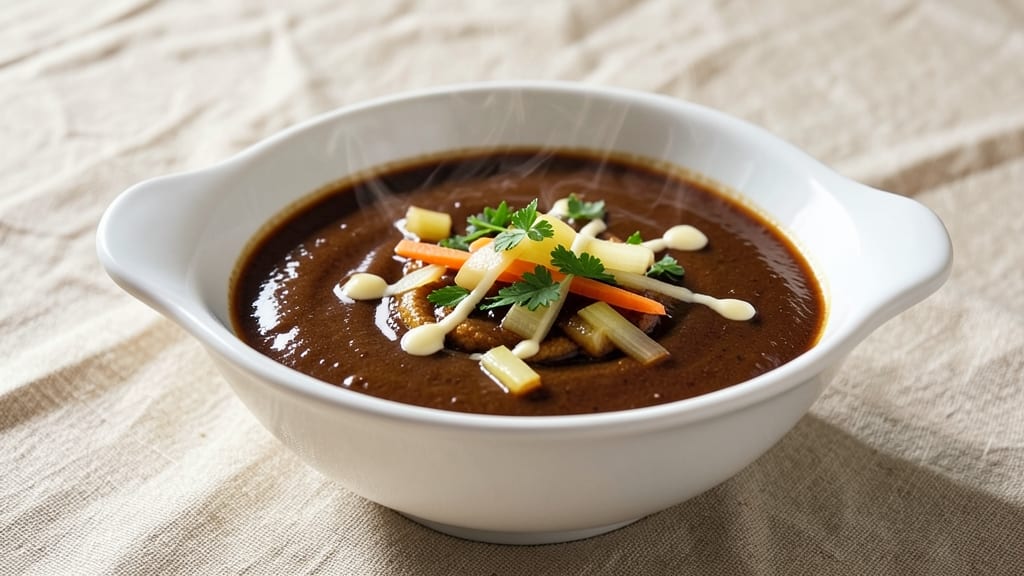
Mastering the basic espagnole sauce recipe transforms your cooking from ordinary to extraordinary—this rich, brown foundation elevates braises, gravies, and sauces with deep, complex flavor. 🌟 The secret lies in a proper roux and slow reduction of aromatic vegetables, stock, and tomato paste, creating a velvety sauce that forms the backbone of French cuisine.
This isn’t just a sauce; it’s the building block of restaurant-quality dishes you can make at home.
What sets this recipe apart is its balance of technique and simplicity. A dark brown roux (not burnt) forms the base, while mirepoix—carrots, celery, and onions—infuses the sauce with sweet, earthy notes.
The slow simmer reduces the liquid to a concentrated, intensely flavorful base, rich enough to stand alone or serve as a foundation for other sauces. Perfect for beginners and seasoned cooks alike, this sauce requires patience but delivers unmatched depth.
The result is a deep, glossy sauce with a complex flavor profile—sweet from the caramelized vegetables, savory from the stock, and umami from the tomato paste. It thickens beautifully when reduced, creating a silky texture that clings to meats and vegetables, enhancing their natural flavors rather than overpowering them.
This is the kind of sauce that makes weeknight dinners feel like a gourmet experience.
Use it as a base for braised dishes, gravies, or even as a glaze for roasted meats. Store leftovers in the refrigerator for up to 5 days or freeze for months, ensuring you always have a flavorful foundation at your fingertips. Let’s get started on creating this essential sauce.
Ingredients for basic espagnole sauce
Nine ingredients transform into the rich foundation of French cuisine—deep, velvety, and full of umami.
| Ingredient | Amount | Notes |
|---|---|---|
| Unsalted Butter 🧈 | ½ cup | Cold, cubed for roux |
| All-Purpose Flour 🌾 | ½ cup | Diamond Crystal preferred |
| Yellow Onions 🧅 | 1 whole | Medium, finely diced |
| Carrots 🥕 | 1 whole | Medium, peeled and diced |
| Celery Stems 🧄 | 2 whole | Medium, cleaned and diced |
| Tomato Paste 🍅 | 2 tbsp | San Marzano preferred |
| Vegetable Stock 💧 | 4 cups | Homemade or quality store-bought |
| Dry White Wine 🍷 | ½ cup | Sauvignon Blanc or Pinot Grigio |
| Fresh Thyme 🌿 | 1 tbsp | Leaves only, chopped |
| Fresh Bay Leaves 🍃 | 2 whole | Dried works in pinch |
| Salt 🧂 | 1 tsp | Kosher or sea salt |
| Black Peppercorns 🌶️ | ½ tsp | Freshly cracked |
The butter and flour are non-negotiable for that perfect dark brown roux—don't rush it. Whole Foods or Trader Joe's have great organic butter options, but any good unsalted brand works. For the mirepoix, equal parts onion, carrot, and celery is key—skip the pre-diced veggies at the store (they bruise fast). The tomato paste? San Marzano is worth the splurge—sweeter and smoother than regular brands. If you're feeling fancy, toast the diced vegetables in the butter before adding flour for extra depth.
No vegetable stock? Chicken stock works in a pinch, but keep it vegetarian for true French technique. Fresh thyme and bay leaves are ideal, but dried at half the amount gets you close. Running short on wine? Extra stock plus a splash of balsamic mimics the acidity. The roux should smell nutty, not burnt—keep it moving. If your sauce gets too thick, thin with a little stock. If it's too thin, reduce longer. This sauce is all about balance, so taste as you go—season with salt and pepper at the end, not before.
This sauce keeps beautifully—5 days in the fridge or 3 months frozen. Portion into ice cube trays for easy use later. The flavor actually improves over time as the ingredients meld. For restaurant-quality results, let it sit overnight before using. Store in airtight containers with a thin layer of oil on top to prevent skin formation. Perfect for braising meats, glazing vegetables, or elevating simple weeknight dinners to gourmet status.
Why You'll Love This Recipe
- I use this for everything: dump it over roasted chicken, stir it into pasta, or even slather it on grilled steak. It’s my go-to for when I need something hearty but don’t want to spend all day cooking. (Yes, even on a Tuesday night.)
- Pantry Magic: I swear by this sauce because it’s the ultimate “I’ve got nothing but basics” win. Butter, flour, and the holy trinity of onion, carrot, celery—no fancy ingredients, just pure flavor. Honestly, it’s the kind of recipe that makes me feel like a chef even when I’m too tired to chop much.
- Deep Umami Love: That slow simmer? It’s where the real magic happens. The onions caramelize just enough to add sweetness, while the carrots and celery mellow into a rich, earthy base. Between us, this sauce tastes like it’s been simmering for hours—even when I rush it.
- Weeknight Swiss Army: I use this for everything: dump it over roasted chicken, stir it into pasta, or even slather it on grilled steak. It’s my go-to for when I need something hearty but don’t want to spend all day cooking. (Yes, even on a Tuesday night.)
Step-by-step instructions for crafting espagnole sauce
This foundational sauce builds layer upon layer of flavor—let's make it right.
🔥 Step 1: Build the Roux Until Golden Brown
Melt the 0.5 cup unsalted butter in a heavy-bottomed pot over medium heat. Once fully melted, whisk in the 0.5 cup all-purpose flour all at once—this creates your roux. Cook it, stirring constantly with a wooden spoon, until it transforms from pale to a deep, nutty golden brown color. This should take about 8-10 minutes—don't rush it. The roux is the flavor backbone of your sauce, so proper cooking is non-negotiable.
Here's the thing—if you see any flour streaks lingering, keep stirring. The moment it smells toasty and looks like wet sand, you're ready. I press down gently with the spoon to check the color—if it leaves a golden imprint, it's perfect. Too light and your sauce will taste raw; too dark and it'll turn bitter. This is where great sauce begins.
🍳 Step 2: Sauté the Vegetable Mirepoix
Push the roux to one side of the pot and add the 1 whole yellow onion, 1 whole carrot, and 2 whole celery stems, all finely diced. Cook them over medium heat for 8-10 minutes, stirring occasionally, until they're softened and beginning to caramelize at the edges. You want them to sweeten slightly—this adds depth to your sauce.
Once they're tender, stir them into the roux and cook for another 2-3 minutes to toast the vegetables. This step develops the sauce's complexity. If you notice any browned bits sticking to the bottom, don't scrape them out—those are flavor bombs. Instead, use a wooden spoon to work them back into the roux. The vegetables should be completely incorporated and the mixture should look like a thick paste.
🍳 Step 3: Deglaze with Wine and Add Tomato Paste
Pour in the 0.5 cup dry white wine and scrape vigorously with a wooden spoon to deglaze the pot, lifting all those browned bits from the bottom. Let the wine simmer for 3-4 minutes until it reduces by half. This step is crucial—it removes the alcohol's harshness while concentrating the wine's flavor.
Next, stir in the 2 tbsp tomato paste and cook for 1-2 minutes until it's fully incorporated. The tomato paste adds richness and balances the acidity. Here's where it gets fun—taste the mixture now. You should detect the nutty roux, caramelized vegetables, and a hint of wine. If it needs more salt, add some of the 1 tsp salt now. This is your flavor checkpoint before committing to the long simmer.
🥘 Step 4: Simmer with Stock and Aromatics
Gradually whisk in the 4 cups vegetable stock, about 1 cup at a time, to prevent lumps from forming. Add the 1 tbsp fresh thyme, 2 whole fresh bay leaves, and the remaining 1 tsp salt and 0.5 tsp black peppercorns. Bring the mixture to a gentle simmer, then reduce the heat to low and let it cook uncovered for 30-45 minutes, stirring occasionally.
During this time, the sauce will reduce and thicken. You're looking for a consistency where it coats the back of a spoon but isn't gluey. Skim off any foam that rises to the surface—this ensures a clean, velvety texture. The aroma should be rich and complex, with layers of thyme, bay, and caramelized vegetables. If the sauce reduces too quickly, add a splash of water or stock to maintain the balance.
⏰ Step 5: Strain and Adjust for Perfection
Once the sauce has reduced to your desired consistency, remove it from the heat and strain it through a fine-mesh sieve into a clean pot. This step removes the vegetable pieces and bay leaves, leaving you with a silky, refined sauce. Press the solids with a spoon to extract every last bit of flavor.
Taste the strained sauce and adjust the seasoning if needed. It should be rich, balanced, and full-bodied. If it's too thick, whisk in a few tablespoons of warm stock or water to reach your preferred consistency. If it's too thin, simmer it gently for a few more minutes to reduce further. The finished sauce should coat the back of a spoon but still be pourable. Store any leftovers in the refrigerator for up to 5 days or freeze for longer storage.
Pro Tips For Making Basic Espagnole Sauce
- Sweat, Don’t Burn: The onions, carrots, and celery should release moisture and soften into a translucent base—not turn to mush or stick. Keep the heat medium-low, stir often, and resist the urge to speed it up. I learned this the hard way when my first batch stuck like glue and needed a spatula battle to rescue it.
- Use Cold Butter: Cut that unsalted butter into small cubes and toss it into the roux cold—this prevents the flour from cooking too fast and turning sandy. I was skeptical until I tried it; the sauce now has a richer, smoother finish instead of that chalky aftertaste.
- Whisk Like You Mean It: Once you add the stock, don’t just let it simmer passively. Whisk vigorously for the first 3-5 minutes to break up any lumps and distribute the flour evenly. Skipping this step is how you end up with a sauce that looks like it’s got gravel in it.
- Salt the Stock Early: Season the stock before adding it to the roux—this ensures the sauce tastes balanced from the start. I used to wait until the end, and the flavor always felt flat, like something was missing. A pinch of salt here makes a real difference.
Make-ahead tips for this dish
Prep Ahead Strategy
Make the roux one day ahead and store it in an airtight container in the fridge. It’ll keep for 3 days—just whisk it back to a smooth paste before using.
I like to prep this on Sunday so it’s ready for weeknight braising. The roux develops deeper flavor over time, giving your sauce an extra layer of richness. 💫
Stock Prep Shortcut
Use pre-made vegetable stock (like Pacific Foods or Imagine) instead of homemade to save time. Just ensure it’s low-sodium to control seasoning. If using, add an extra pinch of salt at the end.
For maximum flavor, reduce the stock by half before adding it to the roux—this concentrates the umami. I often do this in a separate pot while the roux develops.
Freezer-Friendly Portions
Divide cooled sauce into ice cube trays or small jars for easy storage. Each cube equals 1 tbsp—perfect for finishing dishes later. Label with the date and freeze for up to 3 months.
When ready to use, thaw in the fridge overnight or reheat gently on the stove. This method keeps the sauce’s texture intact and prevents freezer burn. 🧊
Wine Substitution Hack
No wine? Use apple cider vinegar (2 tbsp) or lemon juice (1 tbsp) to deglaze. Both add acidity that brightens the sauce. For a deeper flavor, add 1 tsp soy sauce or 1 tsp balsamic vinegar with the stock.
These swaps mimic wine’s role without altering the sauce’s structure. Trust me, your braised short ribs won’t miss it.
Make-Ahead Flavor Boost
Let the sauce sit overnight at room temperature before using. This allows the flavors to meld completely, deepening the caramelized notes. I often make it the night before and let it rest uncovered in the fridge.
The next day, it’s even more complex—like a fine wine aging. Just reheat gently on low heat, stirring occasionally to prevent skin formation.
Long-Term Storage Tips
For beyond 3 months, store sauce in freezer-safe glass jars with ¼-inch headspace. Seal tightly and freeze. When ready to use, thaw in the fridge and reheat on low heat, adding a splash of stock if it thickens too much.
The sauce’s texture may change slightly after freezing, but the flavor remains rich and robust. Perfect for batch cooking and meal prep! ⏰
Nutrition facts
Frequently asked questions about espagnole sauce
Why does my roux turn burnt before reaching golden brown?
Roux burns when heat is too high or stirring isn't consistent. Keep heat at medium and stir constantly with a wooden spoon—never walk away! A heavy-bottomed pot helps distribute heat evenly. If it starts browning too quickly, reduce heat slightly. The goal is golden brown, not blackened—this takes patience but makes all the difference.
Can I make this sauce vegetarian?
Simply replace the vegetable stock with mushroom or lentil-based stock and add 1 tbsp soy sauce for umami depth. The tomato paste and caramelized vegetables already provide rich flavor. For extra richness, stir in 1 tbsp nutritional yeast at the end. The texture and technique remain identical—just the ingredients change.
How do I know when the sauce is reduced enough?
Test consistency by coating the back of a spoon with sauce—it should leave a visible trail but not be gluey. For braising, aim for a medium thickness that coats vegetables lightly. If too thick, whisk in 1-2 tbsp warm stock. If too thin, simmer uncovered for 10-15 minutes longer, stirring occasionally. The sauce should glisten slightly when finished.
What's the best way to reheat stored Espagnole sauce?
Thaw frozen sauce in the fridge overnight, then reheat gently on low heat, stirring frequently to prevent scorching. If using fridge-stored sauce, warm it directly on low-medium heat and add 1-2 tbsp water or stock if it thickens too much. Never microwave—it breaks the sauce's silky texture. Stir in a pinch of salt at the end to refresh flavors.
Can I use this sauce in pasta dishes?
Yes, but thin it further with pasta water or stock to achieve a lighter consistency. Espagnole works beautifully with pappardelle or tagliatelle—toss it with cooked pasta and finish with fresh herbs. For extra richness, stir in 1 tbsp butter or cream at the end. The sauce's depth pairs well with hearty pasta shapes and earthy mushrooms or wild game.