
Sauces & Condiments
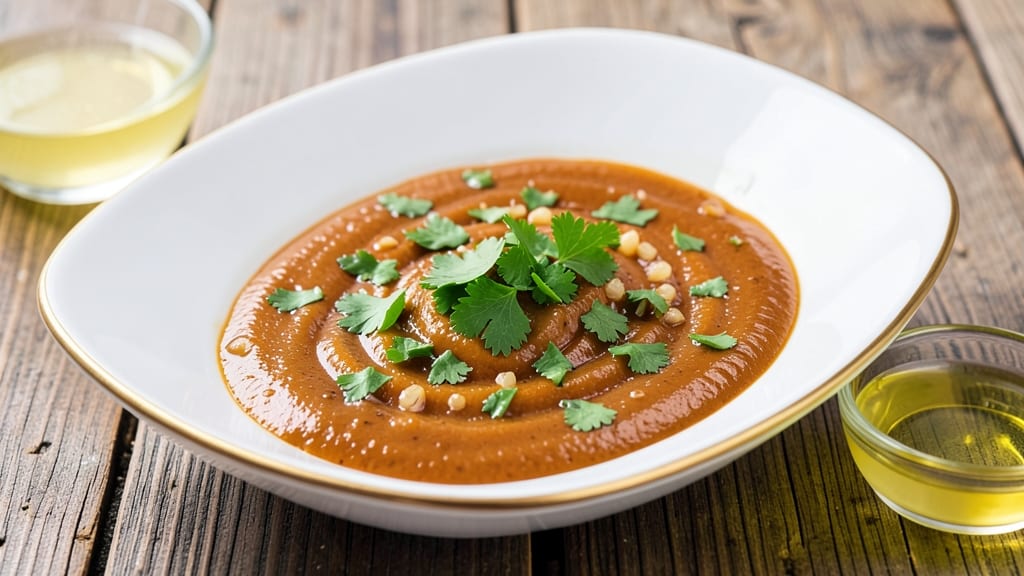
A basic butter sauce recipe transforms simple ingredients into a velvety, flavorful emulsion that elevates everything from pasta to seafood. The secret lies in balancing melted butter with acid—whether lemon juice or white wine vinegar—to create a smooth, stable sauce that clings beautifully.
This technique is foolproof once you master the emulsification step, and the results are far superior to store-bought versions.
The foundation of this sauce is simple yet powerful: butter, acid, and a pinch of salt. You’ll melt the butter gently, then whisk in the acid while the mixture is still hot to prevent separation.
A splash of warm water helps bind the emulsion, creating a luxurious, glossy finish. The sauce is versatile enough for drizzling over steamed vegetables, tossing with linguine, or finishing grilled fish.
What makes this recipe stand out is its restaurant-quality texture—silky, rich, and perfectly balanced. The acid brightens the butter’s richness, while herbs like parsley or chives add freshness. It’s a game-changer for weeknight dinners, requiring just 5 minutes of active time but delivering professional results every time.
Store leftovers in the refrigerator for up to 3 days, rewhisking before use to restore its velvety consistency. For extra depth, infuse the butter with garlic or shallots before emulsifying. This sauce is your secret weapon for turning ordinary meals into something extraordinary.
Ingredients for basic butter sauce
Eight essential ingredients create a restaurant-quality butter sauce perfect for pasta and seafood dishes.
| Ingredient | Amount | Notes |
|---|---|---|
| Unsalted Butter 🧈 | ¾ cup | Cold, cut into small cubes |
| Lemon Juice 🍋 | 2 tbsp | Freshly squeezed, strained |
| White Wine Vinegar 🍷 | 2 tbsp | Substitute with apple cider vinegar |
| Warm Water 💧 | ¼ cup | Room temperature for binding |
| Diamond Crystal Kosher Salt 🧂 | ¼ tsp | Adjust to taste |
| Fresh Flat-Leaf Parsley 🌿 | ¼ cup | Finely chopped, for garnish |
| Fresh Chives 🌱 | 2 tbsp | Chopped, optional garnish |
| Shallots 🧅 | 1 whole | Minced, for infused butter |
The butter is non-negotiable—European-style unsalted like Plugrá or Kerrygold delivers the best flavor. For infused depth, mince 1 shallot and mix into the cold butter cubes before melting. Whole Foods and specialty grocers carry high-quality options, but even basic supermarket brands work if they're fresh. Avoid salted butter, as the sodium content can overpower the delicate balance of the sauce. The acid component—either lemon juice or white wine vinegar—must be fresh; bottled versions lack brightness and can introduce unwanted flavors.
No fresh lemon? Substitute with an equal amount of white wine vinegar, though the flavor profile will shift slightly. For a herb-free version, skip the parsley and chives, but the sauce will benefit from their freshness. If you prefer a milder acidity, reduce the vinegar to 1 tbsp and add an extra 1 tbsp of lemon juice. The warm water is critical for emulsification—never use cold water, as it can cause the sauce to break. For a quicker option, substitute with warm chicken or vegetable stock, though the texture will be slightly lighter. Salt to taste at the end, as the acidity can mask its flavor initially.
This sauce reheats beautifully—simply whisk over low heat with a splash of warm water to restore its silky texture. Store in an airtight container in the refrigerator for up to 3 days, though the flavor peaks within the first 24 hours. For longer storage, freeze in ice cube trays for up to 3 months, thawing in the refrigerator before use. Always rewhisk before serving to ensure a smooth, velvety consistency. Garnish with fresh herbs just before serving to preserve their vibrant color and aroma.
Why You'll Love This Recipe
- Five-Ingredient Magic: I swear, this sauce is the culinary equivalent of a blank canvas—just butter, lemon, vinegar, water, and salt. That’s it. No fancy gadgets, no hidden techniques, just melting butter and balancing bright acid until it sings. (Yes, even on a Tuesday night.)
- Bright & Creamy Balance: The tang from the lemon and vinegar cuts through the richness of the butter like a cool breeze on a summer day. Honestly, the first time I tasted it, I thought, "Why didn’t I do this sooner?"—because it’s that good without trying too hard.
- Pantry Staple Power: Between us, this sauce is my secret weapon for turning boring meals into something special. Drizzle it over steamed veggies, toss it with pasta, or use it as a quick glaze for roasted chicken. It’s the kind of thing that makes you feel like a chef without the fuss.
- Make-Ahead MVP: I double the batch and keep it in the fridge for up to a week—perfect for when I’m too tired to cook but still want flavor. Just reheat with a splash of water, and it’s like it was just made. (My lazy Sundays thank me.)
Step-by-step instructions for velvety emulsion sauce
Here's the method I've perfected for a silky, balanced sauce that elevates any dish.
Infuse the Butter with Shallots
In a small saucepan, melt the 0.75 cup unsalted butter over low heat until completely liquid but not browned. Add the 1 whole minced shallots and cook for 2-3 minutes until softened and just beginning to color—this prevents bitterness while building depth of flavor. Remove from heat immediately to preserve the delicate aroma.
Here's the thing—cooking the shallots too long turns them bitter, but not cooking them enough leaves the sauce flat. The 2-3 minute window is critical for that perfect balance. Strain the butter through a fine-mesh sieve into a heatproof bowl to remove any shallot pieces, leaving you with a smooth, infused base.
Create the Acidic Foundation
Return the strained butter to the saucepan and whisk in the 2 tablespoons lemon juice and 2 tablespoons white wine vinegar. Increase heat to medium-low and let the mixture simmer gently for 1-2 minutes until the acidic ingredients are fully incorporated and the butter begins to foam slightly. This step neutralizes the raw acidity and prepares the emulsion.
Don't rush this reduction—you're creating the flavor backbone. The sauce should smell bright and citrusy with a subtle sweetness from the shallots. If you see any liquid separating, stir gently to re-emulsify before proceeding.
Build the Emulsion with Warm Water
Remove the saucepan from heat and gradually whisk in the 0.25 cup warm water in a slow, steady stream. The water should be at room temperature—cold water can cause the emulsion to break. Continue whisking vigorously for 30-45 seconds until the mixture becomes smooth and homogeneous, resembling heavy cream.
This is where the science happens. The warm water hydrates the butterfat molecules, creating microscopic droplets that suspend evenly. If the sauce looks curdled, strain it again through a fine-mesh sieve to ensure silky texture. The result should be a velvety, pourable consistency perfect for coating.
Season and Finish
Return the sauce to low heat and whisk in the 0.25 teaspoon kosher salt. Taste and adjust seasoning—this is where you can fine-tune the balance between richness and acidity. The sauce should taste bright and balanced, not overly salty or buttery. Remove from heat immediately to prevent separation.
For garnish, stir in 0.25 cup finely chopped parsley and 2 tablespoons chopped chives just before serving. These herbs add freshness and visual contrast to the rich sauce. If the sauce thickens too much, whisk in 1 teaspoon warm water at a time until you reach the desired consistency.
Use Immediately or Store Properly
Serve the sauce immediately over pasta, grilled fish, or roasted vegetables while still warm. For storage, transfer to an airtight container and refrigerate for up to 3 days. When reheating, warm gently over low heat and whisk in 1 teaspoon warm water to restore the emulsion. Never microwave—it breaks the delicate fat-water balance.
Real talk: this sauce is at its peak when used fresh, but the proper technique ensures it reheats beautifully. The key is maintaining that emulsion—never let it boil or sit uncovered, as both can cause separation. With this method, you'll achieve a restaurant-quality sauce every time.
Pro Tips For Making Basic Butter Sauce
- Melt Butter Slowly: I learned this the hard way—dumping cold butter into a hot pan makes it seize up like a stubborn mule. Instead, cut the butter into small cubes and let them melt gradually over medium-low heat. This keeps the sauce smooth and prevents those unsightly (and unappetizing) butter lumps.
- Measure Vinegar Precisely: White wine vinegar is acidic, and a little goes a long way. Use a 1:1 ratio with lemon juice (about 1 tablespoon each) unless you’re aiming for something tangier. Too much vinegar will overpower the butter and make the sauce taste harsh—trust me, you’ll regret it.
- Salt the Butter First: Diamond Crystal kosher salt is less dense than table salt, so don’t eyeball it. Dissolve ½ teaspoon in the warm water before adding it to the butter—this guarantees even distribution. Skipping this step means you’ll end up with clumpy salt crystals in your sauce.
- Emulsify with a Whisk: Once you’ve combined the butter, lemon juice, and vinegar, resist the urge to stir vigorously—it’ll break the emulsion. Instead, whisk gently in quick, small circles to blend the ingredients smoothly. This keeps the sauce creamy and cohesive, not separated.
Wine and beer pairings for this dish
White Wine Pairings
This butter sauce pairs beautifully with crisp Sauvignon Blanc from New Zealand or Loire Valley, France. The wine’s bright citrus notes mirror the sauce’s lemon acidity while its mineral finish cuts through the richness.
I love Cloudy Bay Sauvignon Blanc—its zesty lime and grapefruit flavors complement the shallots and herbs perfectly. 🍷
Chardonnay Options
For a richer pairing, try an oaked Chardonnay like Meursault from Burgundy. The buttery, vanilla notes from the wine’s oak aging enhance the sauce’s richness without overpowering it.
Look for one with 12-14% alcohol to balance the sauce’s acidity. A California Chardonnay like Kendall-Jackson also works well for a more approachable option.
Light Beer Complements
A Belgian Witbier like Hoegaarden or Stella Artois creates a refreshing contrast with this sauce. The beer’s coriander and citrus notes cleanse your palate between bites, while its light body prevents the sauce from feeling heavy.
For a darker option, try a German Helles Lager—its subtle malt sweetness pairs surprisingly well with the butter’s richness.
Non-Alcoholic Choices
For a non-alcoholic pairing, I recommend sparkling apple cider like Martinelli’s or a ginger beer such as Brew Dr. Brown’s. The effervescence helps cut through the sauce’s richness, while the apple’s tartness echoes the lemon juice.
A cucumber-mint infused water with a squeeze of lime also works beautifully as a refreshing alternative.
Wine Temperature Tips
Serve white wines slightly chilled—around 45-50°F—to preserve their crisp acidity. I keep mine in the fridge for 30 minutes before pouring. For beer, serve Witbiers at 40°F and lagers at 45°F to highlight their delicate flavors. The cold temperature also enhances the sauce’s velvety texture when paired together.
Nutrition facts
Frequently asked questions
Why does my butter sauce separate?
Separation happens when the emulsion breaks, usually from cold water or overheating. Always use warm water when emulsifying and keep heat on low. If it separates, whisk in 1 teaspoon warm water at a time to restore the velvety texture. Straining through a fine-mesh sieve also helps remove any curdled bits.
Can I make this sauce ahead of time?
Yes! Store it in an airtight container in the fridge for up to 3 days. Before using, whisk gently and warm over low heat with 1 teaspoon warm water to restore its smooth consistency. Avoid microwaving—it breaks the emulsion. For longer storage, freeze in ice cube trays for up to 3 months.
What are the best dishes to use this sauce on?
This versatile sauce elevates pasta dishes, grilled or steamed seafood, roasted vegetables, and even mashed potatoes. Drizzle it over asparagus or green beans for a restaurant-worthy finish. The emulsion clings beautifully to both delicate and hearty ingredients.
Can I substitute vinegar for lemon juice?
Use an equal amount of white wine vinegar or apple cider vinegar for the lemon juice. Vinegar adds a sharper tang, so reduce the amount slightly if you prefer a milder flavor. For extra depth, infuse the butter with garlic or herbs before emulsifying to balance the acidity.
How do I fix a sauce that's too thick?
Thickened sauce happens when the emulsion tightens. Thin it with 1 teaspoon warm water at a time while whisking continuously. If it's still too thick, gently reheat over low heat while stirring. Never add cold water—it can cause separation. The goal is a pourable, glossy consistency that coats ingredients beautifully.