
Sauces & Condiments
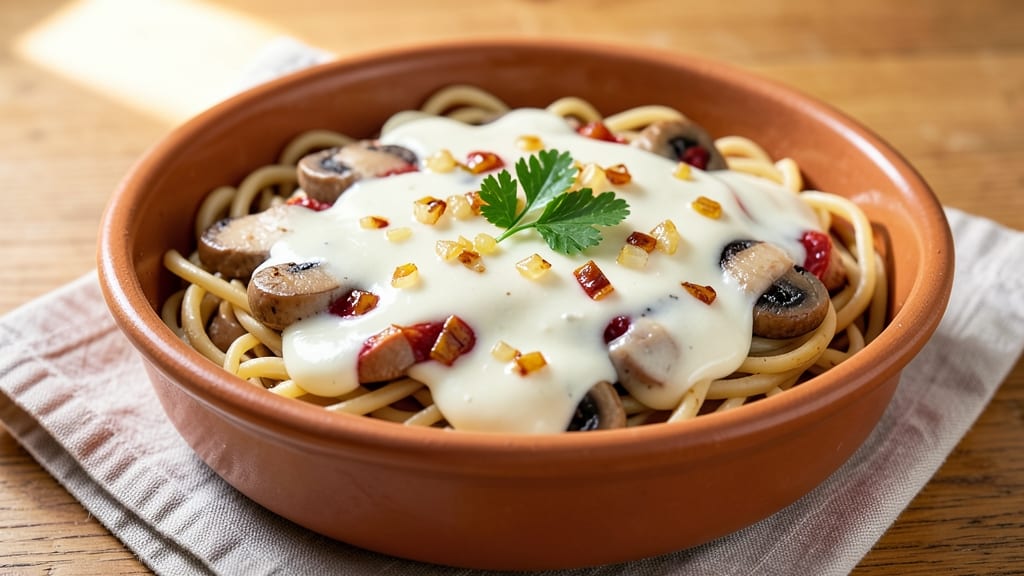
This barigoule sauce recipe transforms humble ingredients into a rich, velvety masterpiece that elevates any dish. 💛 The secret lies in slow-simmering mushrooms, onions, and tomatoes until they melt into a deeply flavorful base, then finishing with cream and fresh herbs for brightness.
I developed this sauce after years of refining French techniques at home—it’s the kind of dish that makes you feel like a chef without the fuss.
What sets this barigoule apart is its versatility and depth. The sauce starts with a deep, umami-rich foundation from mushrooms and shallots, then builds layers of sweetness from tomatoes and a touch of creaminess that balances the acidity.
Fresh thyme and parsley add aromatic complexity, while a splash of white wine deglazes the pan for extra richness. The result? A sauce that’s silky, aromatic, and packed with flavor—perfect for drizzling over grilled fish, roasted chicken, or even pasta.
This sauce is designed to be made ahead, allowing flavors to meld and deepen over time. Store it in the refrigerator for up to 5 days or freeze for longer shelf life, making it an ideal prep-ahead solution for busy weeks.
The texture thickens slightly when reheated, so a splash of water or cream can restore its velvety consistency. Whether you're serving it over seared scallops or dolloping it onto a plate of roasted vegetables, this barigoule sauce will impress with its restaurant-quality depth.
For those looking to customize, swap in different herbs like tarragon or basil for variation, or add a pinch of nutmeg for warmth. The sauce also pairs beautifully with crusty bread to soak up every last drop.
Let’s get cooking—this is one recipe that delivers big on flavor with minimal effort.
Ingredients for barigoule sauce
Eleven ingredients transform into a restaurant-worthy sauce with slow-simmered depth and velvety texture.
| Ingredient | Amount | Notes |
|---|---|---|
| Shallots 🧅 | 1 ½ lb | Minced for deep flavor |
| Yellow Onions 🧅 | 2 whole | Medium size, diced |
| Cream of Mushroom Soup 🍄 | 1 cup | Condensed, full-fat preferred |
| Canned San Marzano Tomatoes 🍅 | 2 cans | 28 oz each, crushed |
| White Wine 🍷 | ½ cup | Dry variety, like Sauvignon Blanc |
| Heavy Cream 🥛 | ½ cup | Full-fat for richness |
| Fresh Thyme Leaves 🌿 | ¼ cup | Packed, stems removed |
| Fresh Parsley Leaves 🌿 | ¼ cup | Chopped for garnish |
| Garlic Cloves 🧄 | 4 cloves | Minced for aromatic depth |
| Extra-Virgin Olive Oil 🫒 | ¼ cup | High quality, fruity |
| Salt 🧂 | 1 ½ tsp | Diamond Crystal preferred |
| Ground Black Pepper 🌶️ | ½ tsp | Freshly ground |
The shallots and mushrooms form the sauce's aromatic backbone. Fresh shallots from the produce section—avoid the pre-minced jarred kind—deliver the most complex flavor. Cremini mushrooms work best for their meaty texture, but white or portobello mushrooms also shine. For the cream of mushroom soup, Campbell's Premium or French's are reliable choices, though homemade roux-based versions elevate the sauce further. The San Marzano tomatoes are non-negotiable—their sweetness and acid balance perfectly. Look for the whole canned tomatoes at specialty stores like Whole Foods or Trader Joe's for the best quality.
No white wine? Dry vermouth or apple cider vinegar works in a pinch, though the sauce will lack nuance. Substituting heavy cream with half-and-half or coconut cream reduces richness but keeps the sauce usable. Fresh thyme and parsley are ideal, but dried thyme at one-third the amount suffices if needed. For a vegetarian version, ensure your mushroom soup contains no chicken fat. The olive oil should be extra-virgin—anything less will taste harsh when reduced. If you're short on time, pre-minced shallots from the freezer section save chopping, though fresh always tastes superior.
This sauce thickens as it cools, so thin with warm water or broth before serving if needed. Store in an airtight container in the fridge for up to 5 days, or freeze for 3 months. The flavors deepen overnight, making it perfect for meal prep. For reheating, warm gently over low heat—never boil, or the sauce may curdle. Portion into ice cube trays for easy use in future dishes, then transfer to a freezer bag for convenience.
Why You'll Love This Recipe
- Pantry Magic: I swear by this sauce when I’ve got nothing but a few cans and a bottle of wine. No fresh herbs? No problem. The San Marzano tomatoes and mushroom soup handle the depth, while the white wine keeps it bright—like a fancy dinner without the fuss.
- Umami Bomb: That cream of mushroom soup? It’s the secret weapon. The shallots and onions caramelize just enough to melt into something rich and savory, while the wine cuts through the creaminess. It’s the kind of sauce that makes you reach for seconds without even thinking.
- Weeknight Wonder: I make this when I’m hosting last-minute or just don’t feel like cooking. Dump it over pasta, toss it with grilled chicken, or even use it as a pizza sauce—it’s that adaptable. Plus, it reheats like a dream, so leftovers taste just as good the next day.
- Budget-Friendly Luxe: Honestly, this sauce costs me pennies but tastes like I spent hours in the kitchen. Canned tomatoes and a cheap bottle of wine stretch far, and the mushroom soup adds that restaurant-quality richness without breaking the bank. My wallet and taste buds both win.
Step-by-step instructions for slow-simmered barigoule sauce
Mastering this rich tomato-herb sauce requires patience and precision—here's how to achieve depth of flavor.
🍳 Step 1: Develop the Aromatic Base
Heat the 0.25 cup extra-virgin olive oil in a heavy-bottomed Dutch oven over medium-low heat. Add the 1.5 lb minced shallots and 2 whole diced yellow onions, stirring frequently for 10-12 minutes until they become translucent and begin to caramelize at the edges. This slow process builds sweetness that forms the sauce's foundation.
I press down gently on the shallots with a wooden spoon during the first 5 minutes—this prevents them from burning while ensuring even contact with the pan. When the onions soften and their edges turn golden, add the 4 cloves minced garlic and cook for another 30 seconds until fragrant. The garlic should perfume the kitchen noticeably without browning.
🍳 Step 2: Build the Tomato Foundation
Pour in the 0.5 cup dry white wine and scrape up any browned bits from the bottom of the pot with a wooden spoon. This deglazing step captures all the concentrated flavor you've built. Let the wine simmer for 3-4 minutes until reduced by half, then add the 2 cans crushed San Marzano tomatoes and 1 cup cream of mushroom soup.
Stir well to combine, then increase heat to medium-high and bring to a boil. Once boiling, reduce heat to low and let the sauce simmer uncovered for 30 minutes. This initial reduction allows the tomatoes to break down and develop their natural sweetness. You'll notice the sauce thicken noticeably as it reduces.
🥘 Step 3: Incorporate Herbs and Cream
After the initial reduction, stir in the 0.25 cup packed fresh thyme leaves and 1.5 tsp salt. Let the sauce simmer for another 15 minutes, stirring occasionally. The thyme will infuse its earthy aroma into the sauce, creating that signature herbal depth. When the thyme is fully incorporated and the sauce has thickened to your desired consistency, reduce heat to low.
Gently whisk in the 0.5 cup heavy cream and 0.5 tsp freshly ground black pepper. The cream will immediately begin to thicken the sauce further. Simmer for an additional 5-7 minutes until the sauce reaches a velvety texture that coats the back of a spoon. This is where the sauce transforms from simple tomato base to rich, luxurious barigoule.
⏰ Step 4: Finish and Rest the Sauce
Remove the sauce from heat and stir in the 0.25 cup chopped fresh parsley leaves. Let the sauce rest for 10 minutes at room temperature. This resting period allows the flavors to meld completely and the sauce to thicken slightly as it cools. The parsley adds a bright, fresh finish that cuts through the richness of the cream and tomatoes.
Taste and adjust seasoning if needed—this is your final opportunity to balance the sauce. The barigoule should be rich with tomato sweetness, herbal depth, and just enough acidity from the wine. If it's too thick, whisk in 1-2 tablespoons of water to reach your desired consistency. Serve immediately over pasta, with grilled meats, or as a standalone sauce for bread.
Pro Tips For Making Barigoule Sauce
- Sweat, Don’t Burn: Shallots and onions need patience—low heat, lid on, and 8-10 minutes of steady cooking until translucent but not browned. I used to rush this, and my sauce always tasted raw; now I let it melt down like butter.
- Deglaze First, Stir Later: After the onions soften, pour in the white wine immediately and let it bubble 30 seconds before scraping up the browned bits. Scrape before stirring—those bits pack flavor, and skipping this step means losing half the depth.
- San Marzano Only: No shortcuts here—San Marzano tomatoes are worth the splurge for their sweetness and acid balance. Canned tomatoes from other brands add bitterness or wateriness, and your sauce will taste like it’s missing something.
- Simmer, Don’t Boil: Once the soup and tomatoes come in, reduce to a gentle simmer (tiny bubbles, not rolling). Boiling turns the sauce thin and breaks down the creaminess of the mushroom soup. Keep it at a whisper—this is where the texture comes together.
Flavor customization for this barigoule sauce
Herbal Variations
Swap the thyme for fresh tarragon (about 1 tbsp chopped) to create a lighter, anise-like profile that pairs beautifully with seafood. For a Mediterranean twist, add 1 tsp dried oregano along with the thyme—this adds earthy depth without overpowering.
I’ve also experimented with basil (about ¼ cup chopped) for a brighter, sweeter finish that works well with summer dishes. 🌿
Spice Infusions
Add a pinch of nutmeg (about ¼ tsp) when incorporating the cream for a warm, slightly sweet undertone that complements the richness. For heat lovers, stir in ½ tsp smoked paprika during the final simmer—it deepens the sauce’s complexity without overpowering.
A dash of cayenne pepper (about ⅛ tsp) at the end adds subtle spice, perfect for bold meats like duck or lamb.
Vegetable Substitutions
Replace half the yellow onions with leeks (about ½ cup sliced) for a milder, slightly sweet flavor that blends seamlessly. For a creamier texture, swap ½ cup of the heavy cream for coconut cream—it adds richness while keeping the sauce dairy-free.
If mushrooms aren’t available, ½ cup finely chopped celery adds a subtle earthiness, though it won’t replicate the umami depth.
Protein Pairings
This sauce shines with grilled chicken thighs—their natural fat balances the sauce’s acidity. For seafood, try it with pan-seared scallops or baked cod, where the sauce’s creaminess contrasts the fish’s delicate texture. With pasta, fettuccine or tagliatelle work best—the wide noodles hold the sauce like a hug. 🍽️
Dietary Adaptations
For a dairy-free version, replace the heavy cream with ½ cup cashew cream (blend ½ cup soaked cashews with ¼ cup water). To make it gluten-free, ensure your cream of mushroom soup contains no wheat additives.
For low-carb, serve the sauce over zucchini noodles or cauliflower rice—the sauce’s richness makes up for the missing starch.
Nutrition facts
Frequently asked questions about barigoule sauce
What makes this barigoule sauce different from other tomato-based sauces?
The key lies in its aromatic base of slow-cooked shallots and mushrooms combined with white wine reduction, creating deep umami flavor. Unlike simple marinara, this sauce incorporates cream of mushroom soup and fresh herbs like thyme for complexity, plus a finishing touch of heavy cream for velvety texture. The long simmering time (over 60 minutes) develops a richness that sets it apart from quick tomato sauces.
Can I make this sauce without white wine?
Yes! Substitute with ½ cup dry vermouth (for similar depth) or ¼ cup apple cider vinegar + ¼ cup chicken broth to maintain acidity. The sauce will still develop flavor, though the wine's subtle fruit notes will be missing. For a completely alcohol-free version, use ½ cup extra vegetable broth> instead—just reduce it by half before adding tomatoes.
How do I fix a sauce that's too thick or too thin?
For a thick sauce, whisk in 1-2 tablespoons warm water or broth> at a time until reaching desired consistency. For a thin sauce, simmer uncovered for 5-10 extra minutes> to reduce. If the sauce separates after reheating, whisk in 1 tablespoon cold butter> or a splash of cream to re-emulsify. The sauce should coat the back of a spoon but still be pourable.
What's the best way to store and reheat this sauce?
Store in an airtight container in the fridge for up to 5 days> or freeze for 3 months>. To reheat, warm gently over low heat> (never boil) and stir frequently. For frozen sauce, thaw overnight in the fridge first. If it thickens too much, thin with 1 tablespoon water or milk> before serving. The flavors actually improve after resting overnight!
Can I make this sauce in a slow cooker?
Follow the same steps for the aromatic base (shallots, onions, garlic), then transfer everything to your slow cooker. Cook on low for 4-5 hours> instead of simmering on the stove. The texture will be slightly thinner, so reduce uncovered for the last 30 minutes**> to thicken. Add the cream at the very end to prevent curdling from the slow cooker's heat.