
Sauces & Condiments
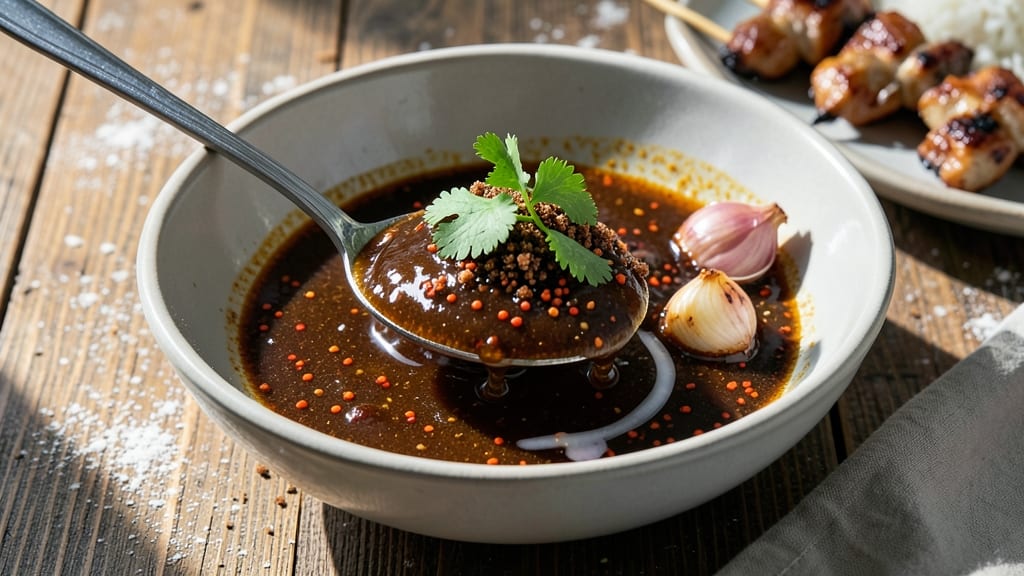
This Filipino-style barbeque sauce recipe panlasang Pinoy brings the bold, smoky-sweet flavors of Panlasang Pinoy to your grill or stovetop. 🔥 The secret lies in tamarind’s tangy punch, balanced by caramelized sugar and a touch of annatto for that signature Filipino red hue.
I developed this sauce after realizing how much it elevates simple grilled chicken or pork—transforming basic proteins into restaurant-worthy dishes with just a few minutes of prep and simmering.
The beauty of this sauce is its versatility—use it as a marinade for tender, caramelized meats, a sticky glaze for grilled skewers, or even a dipping sauce for crispy lechon kawali.
The ingredients are simple but potent: soy sauce for umami, vinegar for brightness, and spices like garlic and chili to deepen the flavor. What makes it special is the slow simmer, which reduces the sauce to a thick, glossy consistency that clings perfectly to food.
Once you taste this sauce, you’ll understand why it’s a staple in Filipino kitchens. The tamarind adds a tangy depth that cuts through the sweetness, while the annatto gives it that vibrant color and earthy note.
It’s the kind of sauce that turns weeknight dinners into flavor-packed experiences—no fancy techniques required, just patience and a little heat. Ready to make your own?
Store it in the fridge for up to a month, or freeze portions for later use. This sauce is your ticket to authentic Filipino flavors without the fuss. Let’s get cooking!
Ingredients for barbeque sauce recipe panlasang pinoy
Nine simple ingredients transform into this iconic Filipino sauce with smoky-sweet depth.
| Ingredient | Amount | Notes |
|---|---|---|
| Tamarind Paste 🍈 | ½ cup | High-quality, block or paste form |
| Dark Brown Sugar 🍬 | 1 cup | Packed firmly for accuracy |
| Soy Sauce 🥫 | ½ cup | Light or regular, not low-sodium |
| White Vinegar 💧 | ½ cup | White distilled preferred |
| Annatto Seeds 🌶️ | 1 tbsp | Ground for vibrant red color |
| Garlic Cloves 🧄 | 6 cloves | Minced finely for depth |
| Red Chili Peppers 🌶️ | 2 whole | Seeds removed for mild heat |
| Black Peppercorns 🌶️ | 1 tsp | Crushed lightly for aroma |
| Ground Black Pepper 🌶️ | ½ tsp | Freshly ground preferred |
| Water 💧 | 1 cup | Filtered or bottled preferred |
Tamarind is the heart of this sauce—look for block form at Asian markets for the most authentic flavor. Filipino supermarkets like 99 Ranch or H Mart carry it, or order online if needed. The brown sugar should be packed firmly to avoid under-measuring; I always tap the cup to settle it. Annatto seeds are key for that signature red hue—grind them fresh in a spice grinder for maximum vibrancy. If you can't find annatto, paprika at half the amount works in a pinch, though it won't be as authentic.
No tamarind? Lime juice plus a pinch of sugar mimics the tang, though it won't be identical. The vinegar can be swapped for cane vinegar if you're aiming for extra authenticity. Chili peppers can be adjusted—serrano for heat or bell peppers for mildness. I've made this with chipotle powder in place of fresh peppers when fresh wasn't available, and it still turned out great. The garlic and black peppercorns should be toasted briefly in a dry pan before grinding for deeper flavor—worth the extra minute.
This sauce keeps beautifully—1 month refrigerated or 6 months frozen in airtight containers. I double the batch and freeze half immediately; it's perfect for quick weeknight dinners. For best results, store it in a glass jar to preserve the vibrant color. Once opened, bring to a simmer before using to reactivate the flavors. The sauce thickens as it cools, so it's ideal for glazing grilled meats or dipping crispy fried foods.
Why You'll Love This Recipe
- Pantry Magic: I swear by this sauce because it uses stuff I already have—no last-minute grocery runs. That tamarind paste? It’s the secret weapon giving it that tangy depth without extra shopping.
- Sweet-Savory Balance: Between the dark brown sugar’s caramel richness and the vinegar’s sharp bite, every bite is ridiculously satisfying. The annatto seeds add that golden hue and subtle earthiness—like a hug in sauce form.
- Weeknight Hero: Slather it on grilled chicken, toss with rice, or drizzle over adobo-style pork—it’s my go-to when I’m too tired to think. Honestly, I’ve made it three times this month already, and I’m not stopping.
- Budget-Friendly Staple: A single batch stretches across multiple meals, and the ingredients cost pennies. That soy sauce and vinegar combo? It’s the ultimate flavor multiplier—I’ve fed my whole family for days with just this one sauce.
Step-by-step instructions for panlasang Pinoy BBQ sauce
Here's how to craft this signature Filipino glaze with perfect balance—deep, smoky, and sweet.
🍳 Step 1: Bloom the Annatto and Toast Aromatics
Heat a medium saucepan over medium-low heat and add the 1 tablespoon annatto seeds. Toast them for 1-2 minutes until they release their vibrant aroma—you'll smell that earthy, slightly floral note that defines authentic Filipino BBQ sauce. Don't let them burn; just warm them enough to release their oils.
Add the 6 cloves minced garlic and 1 teaspoon crushed black peppercorns to the pan. Cook for 30 seconds until the garlic turns golden and fragrant. This step develops the aromatic foundation—if you skip it, your sauce will lack that complex depth. Watch closely; garlic burns faster than you think.
🍳 Step 2: Build the Sauce Base with Tamarind and Vinegar
Pour in the 0.5 cup tamarind paste and 0.5 cup white vinegar. Stir well to dissolve the tamarind completely—you want a smooth, lump-free mixture. Increase heat to medium-high and bring to a gentle boil. The tamarind's tangy sweetness will start to mingle with the vinegar's sharpness, creating that signature Filipino balance.
Let the mixture simmer for 5 minutes until it reduces by about 25%. You're looking for a syrupy consistency that coats the back of a spoon. This reduction step concentrates the flavors and removes some of the acidity, making the sauce more complex. Skim off any foam that rises to the surface during this time.
🍳 Step 3: Incorporate Sweetness and Umami
Add the 1 cup packed dark brown sugar and 0.5 cup soy sauce all at once. Stir vigorously to dissolve the sugar completely—it should melt into the mixture within 2-3 minutes. The sauce will darken dramatically as the sugar caramelizes slightly, creating that rich, molasses-like quality we love in Filipino BBQ.
Add the 2 seeded and chopped red chili peppers and 0.5 teaspoon ground black pepper. Simmer for another 5-7 minutes until the sauce thickens to a glaze-like consistency. You'll know it's ready when it coats a spoon smoothly and leaves a slight sheen. The chilis should soften but still retain some texture—this adds just the right amount of heat without overpowering.
⏰ Step 4: Finish and Adjust the Balance
Remove the pan from heat and stir in the 1 cup water. This final addition adjusts the sauce's consistency to a perfect pour—thick enough to cling but still fluid enough to glaze. Let it sit off the heat for 5 minutes to allow the flavors to meld completely. Taste and adjust: if it needs more sweetness, add a pinch of sugar; if it's too sharp, a splash more water helps.
For the final touch, strain the sauce through a fine-mesh sieve to remove any seeds or pepper skins. This gives you a silky, professional finish. The sauce should have a deep reddish-brown color with a glossy sheen—this is your visual cue that it's ready. Let it cool to room temperature before using, as the consistency will continue to thicken slightly as it cools.
Pro Tips For Making Barbeque Sauce Recipe Panlasang Pinoy
- STRAIN THE TAMARIND: I learned this the hard way—lumpy tamarind paste ruins the sauce. Before mixing, dissolve it in ¼ cup hot water first, then strain through a fine sieve to remove any grit. This keeps your sauce silky smooth, not like you’re eating sand with your ribs.
- SIMMER LOW AND SLOW: After burning three batches, I finally figured out: this sauce needs patience. Once all ingredients are combined, reduce heat to medium-low and let it bubble gently for at least 20 minutes. Skipping this step leaves it thin and underdeveloped—like skipping the marinating.
- TOAST THE ANNATTO: Sounds weird, but it works: dry-toast the annatto seeds in a separate pan for 30 seconds until fragrant. This deepens their color and aroma before grinding them into the sauce. My grandmother swore by this, and the sauce actually looks richer afterward.
- BALANCE THE VINEGAR: Start with just 1 tablespoon of white vinegar, then taste as you go. Too much and it’ll taste harsh; too little and the tang fades. Add it gradually—this sauce should be sweet, tangy, and umami-rich, not like you’re pickling pork.
Pro cooking tips for barbeque sauce recipe panlasang pinoy
Toast Annatto Properly
Blooming the annatto seeds over medium-low heat for 1-2 minutes unlocks their full earthy, floral aroma—this is non-negotiable for authentic Filipino flavor. I always use a light-colored saucepan so I can see the seeds change color from pale yellow to golden brown.
If they darken too much, they’ll taste bitter. Toasting them first prevents that bitter note from overpowering your sauce. 🌶️
Control Sugar Caramelization
The dark brown sugar should dissolve completely but caramelize just enough to deepen the sauce’s molasses-like richness. Stir constantly over medium heat for 2-3 minutes—if you walk away, it’ll burn. I’ve ruined batches by getting distracted; trust me, it’s worth staying close.
The sauce should darken to a deep amber color, not black. A splash of water can rescue a slightly over-caramelized batch, but prevention is easier.
Simmer for Depth
Simmering the sauce for 10-12 minutes total (after adding sugar and soy sauce) is where the magic happens. This isn’t just about reducing liquid—it’s about letting the tamarind’s tang mellow, the vinegar’s acidity soften, and the garlic’s sharpness mellow into a harmonious blend.
Skim off any foam that forms; it’s mostly starch from the tamarind and can make the sauce cloudy. Patience here pays off with a sauce that’s balanced, not one-sided.
Adjust Consistency Precisely
The 1 cup water added at the end is your secret weapon for perfect glaze consistency. Too thick? Add a splash more. Too thin? Simmer uncovered for 1-2 extra minutes to reduce it. I test consistency by dipping a spoon in—it should coat the back smoothly but still drip lightly.
If it’s too sticky, a few drops of water help; if it’s too runny, simmer longer. This is your chance to fine-tune before the final strain.
Strain for Silky Texture
Straining through a fine-mesh sieve removes any pepper skins or seeds, giving your sauce a restaurant-quality finish. I use a stainless steel sieve because it won’t retain flavors like plastic might.
Press the solids gently with a spoon to extract every last drop of flavor, but don’t force it—you don’t want to introduce air bubbles. The result? A glossy, velvety sauce that clings beautifully to grilled meats or fried foods. ✨
Cool Before Using
Letting the sauce cool to room temperature is crucial—it thickens as it cools, and using it too soon can make it lumpy or uneven. I always let mine sit for 10-15 minutes before glazing or marinating.
Pro tip: Store it in a glass jar in the fridge, and give it a quick stir before using. The flavors continue to meld overnight, making it even better the next day. Trust the process!
Nutrition facts
Frequently asked questions
Can I substitute tamarind paste if I can't find it?
Yes! For 1/2 cup tamarind paste, mix 1/4 cup lime juice with 1 tablespoon brown sugar to mimic the tangy-sweet balance. The texture won't be identical, but it'll work in a pinch. For deeper flavor, add 1/2 teaspoon MSG to enhance umami—Filipino kitchens often use this trick when tamarind isn't available.
How long should I marinate meat in this sauce?
For tender cuts like chicken thighs or pork ribs, marinate for 30 minutes to 2 hours at room temperature. Thin cuts like fish or shrimp only need 15-20 minutes to absorb flavor. The sauce is also fantastic as a glaze—brush it on during the last 5-7 minutes of grilling or pan-searing for a caramelized crust.
Why did my sauce turn out too thin?
This usually happens if you didn't simmer long enough or added too much water. For a quick fix, return the sauce to medium heat and simmer uncovered for 3-5 minutes, stirring constantly. If it's still too runny, mix 1 tablespoon cornstarch with 1 tablespoon water, stir into the sauce, and simmer until thickened.
Can I make this sauce without annatto?
Use 1 tablespoon paprika (preferably smoked) for color, though it won't be as vibrant. For deeper flavor, add 1/2 teaspoon beet powder or 1 tablespoon tomato paste. The sauce will still taste amazing—just expect a slightly different hue. The key is balancing the spices to maintain that signature Filipino tang.
Is this sauce gluten-free?
Only if you use gluten-free soy sauce! Regular soy sauce contains wheat, so check the label. For a fully gluten-free version, substitute with 1/2 cup coconut aminos (it has a slightly sweeter profile but works well). The rest of the ingredients are naturally gluten-free, making this an easy adaptation for dietary needs.