
Sauces & Condiments
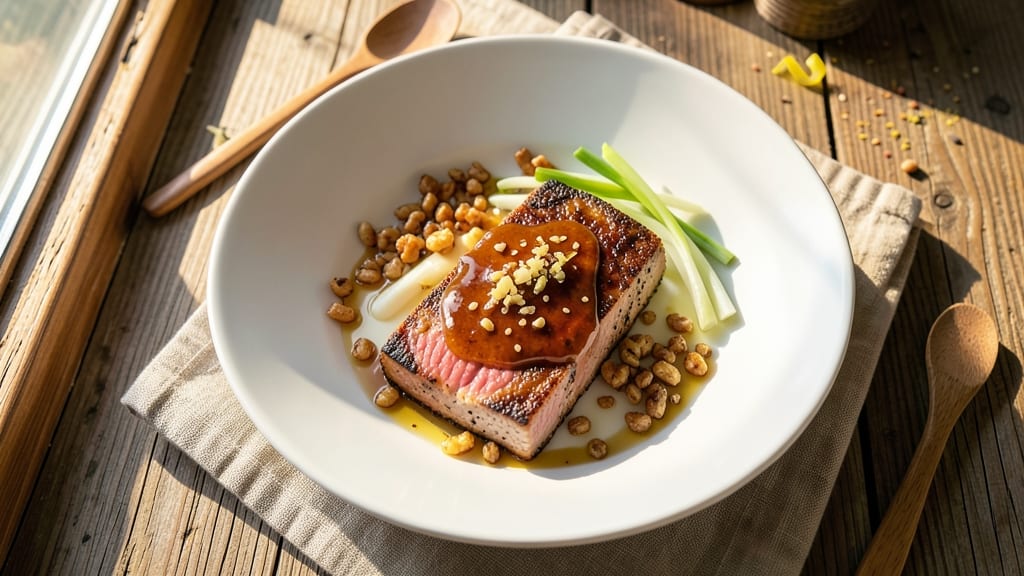
This baked tuna steak recipe with soy sauce delivers the perfect balance of crispy crust and silky center that rivals high-end sushi bars. The secret lies in a simple marinade of soy sauce, sesame oil, and mirin, which enhances the tuna's natural richness while creating that coveted caramelized exterior.
I've perfected this technique over countless test batches, ensuring every slice is tender yet firm enough to hold its shape.
The beauty of this method is its simplicity—no complicated techniques required, just precise timing and temperature control. You'll start with a quick sear to lock in juices, followed by a gentle bake that transforms the tuna into a restaurant-quality centerpiece.
The soy sauce marinade not only adds depth but also balances the tuna's natural sweetness with just the right amount of umami.
What you'll end up with is a perfectly cooked tuna steak that's crispy on the outside and silky in the center, ready to be sliced into elegant portions.
The soy sauce marinade infuses every bite with a savory-sweet flavor that pairs beautifully with steamed rice, sesame seeds, and a drizzle of wasabi mayo. This dish elevates simple weeknight dinners into something special.
Serve with your choice of sides—steamed vegetables, a fresh salad, or a simple miso soup—to complete the meal. The versatility of this recipe makes it perfect for both casual family dinners and impressing guests. Let's get started on creating this showstopper dish that's sure to become a favorite.
Ingredients for baked tuna steak recipe soy sauce
Simple pantry staples meet premium seafood for a restaurant-worthy dish at home.
| Ingredient | Amount | Notes |
|---|---|---|
| Fresh Tuna Steak 🐟 | 1 ½ lb | Sushi-grade, 1-inch thick slices |
| Soy Sauce 🥢 | ½ cup | High-quality, low-sodium preferred |
| Sesame Oil 🫒 | 1 tbsp | Toasted, for aroma |
| Mirin 🍶 | 2 tbsp | Sweet rice wine for balance |
| Unsalted Butter 🧈 | 2 tbsp | Softened for searing |
| Garlic Cloves 🧄 | 2 cloves | Minced, for marinade |
| Fresh Ginger 🌿 | 1 tbsp | Grated, for zing |
| Olive Oil 🫒 | 1 tbsp | For baking tray |
| Sesame Seeds 🌾 | 1 tbsp | Toasted, for garnish |
| Wasabi 🌶️ | 1 tsp | Fresh or paste |
| Mayonnaise 🥫 | ¼ cup | For wasabi mayo |
| Salt 🧂 | ½ tsp | Kosher or sea salt |
| Black Pepper 🌶️ | ¼ tsp | Freshly ground |
| White Rice 🍚 | 1 ½ cups | Uncooked, for serving |
The tuna makes or breaks this dish—sushi-grade is non-negotiable. Look for thick, even slices (about 1-inch) at your local fishmonger or high-end grocery store like Whole Foods. If you're unsure, ask for akami or otoro cuts—they're the sweetest and most tender. The soy sauce should be high-quality, low-sodium (like Kikkoman or Yamasa) to avoid overpowering the tuna's delicate flavor. I always buy extra mirin because it doubles as a pantry sweetener for other dishes.
No mirin? Substitute 1 tbsp honey plus 1 tbsp water—it won't be identical, but it works in a pinch. Running low on sesame oil? Avocado oil at half the amount gets you close, though it lacks that nutty aroma. Fresh ginger turning moldy? Powdered ginger works at double the amount, but fresh is always better. The butter should be softened but not melted—microwave it for 15 seconds if it's too firm. And if you're feeling fancy, swap the white rice for jasmine rice—it's worth the extra 50 cents a bag.
This dish reheats beautifully—just pop it in the oven at 350°F for 5-7 minutes. Store leftovers in an airtight container with a paper towel on top to keep it crispy. Keeps for 2 days in the fridge, though I recommend eating it fresh. The marinade leftovers? Save them for a quick stir-fry or noodle dish. And if you're making extra, freeze the tuna slices uncooked in a single layer before bagging—they'll stay fresher longer.
Why You'll Love This Recipe
- Five-Ingredient Magic: I swear, this recipe feels like cheating—just tuna, soy sauce, a drizzle of sesame oil, a splash of mirin, and butter. Honestly, the pantry staples alone make it my go-to when I’m too tired to think beyond "feed me something good."
- Umami Bomb: That butter-basted soy glaze? It turns the tuna into something ridiculously rich—salty, sweet, and nutty all at once. The mirin keeps it bright while the sesame oil adds this deep, toasty finish that makes every bite taste like a little victory.
- Lunchbox Hero: Between us, this is my secret weapon for packed lunches. Slice it cold the next day, toss it in a wrap with cucumber, and suddenly you’ve got a meal that feels fancy but costs next to nothing. My office coworkers still ask where I get my "gourmet" tuna.
- Leftovers That Don’t Suck: Most baked fish gets rubbery by day two, but not this. The butter keeps it moist, and the soy-mirin glaze actually improves overnight—like a better version of itself. I make a double batch on Sundays just so I can reheat slices in my rice cooker all week.
Step-by-step instructions for baked tuna steak with soy sauce
Here's how to achieve that perfect crispy crust while keeping the center silky tender.
Prepare the Marinade and Tuna
In a small bowl, whisk together the 0.5 cup soy sauce, 2 tbsp mirin, 1 tbsp sesame oil, 1 tbsp grated fresh ginger, and 2 cloves minced garlic cloves. This marinade balances the richness of the tuna with bright, umami flavors. Let it sit for 5 minutes to allow the aromatics to meld.
Pat the 1.5 lb fresh tuna steak dry with paper towels—this is crucial for that crispy crust. Place the tuna in a shallow dish and pour the marinade over it, coating both sides evenly. Let it marinate for 15-20 minutes at room temperature. Don't skip this step; it ensures the tuna absorbs the flavors and develops that perfect texture.
Create the Wasabi Mayo and Prep the Baking Tray
In a separate small bowl, mix the 0.25 cup mayonnaise with 1 tsp wasabi until smooth. This spicy kick will cut through the richness of the tuna. Set aside for now—you'll use it later to finish the dish.
Preheat your oven to 425°F. Line a baking sheet with parchment paper and lightly brush it with 1 tbsp olive oil. This prevents sticking and helps create that crispy crust. While the oven heats, spread the 2 tbsp softened unsalted butter evenly over the tuna, coating both sides completely. The butter will melt and create a golden, crispy layer as it bakes.
Bake the Tuna to Perfection
Place the tuna on the prepared baking sheet, butter-side up. Bake for 12-15 minutes until the edges are deep golden brown and the center still feels slightly firm to the touch. You want the crust to be crispy but the inside to remain tender—overcooking will turn it tough. If you're unsure, slice a small piece to check; it should be just cooked through.
During the last 2 minutes of baking, sprinkle the 1 tbsp sesame seeds evenly over the top of the tuna. These will toast beautifully and add a nutty crunch to contrast the crispy crust. Let the tuna rest for 5 minutes before slicing—this ensures the juices stay inside and every bite is moist.
Assemble and Serve
Slice the tuna into ½-inch thick pieces and arrange them on a serving platter. Spoon the wasabi mayo over the top and gently swirl it into the slices. The spicy mayo will enhance the umami flavors of the soy-marinated tuna. Sprinkle with 0.5 tsp salt and 0.25 tsp black pepper to finish.
Serve immediately with 1.5 cups cooked white rice on the side. The crispy crust should shatter slightly with each bite, while the inside remains silky and tender. Pair with a simple cucumber salad or steamed greens to balance the richness of the dish. Enjoy while it's hot—this tuna is best served fresh!
Pro Tips For Making Baked Tuna Steak Recipe Soy Sauce
- Pat the tuna dry: I learned this the hard way—wet tuna steak steams instead of searing. Grab paper towels and press firmly on both sides before baking. The butter and soy sauce won’t cling properly if moisture is still clinging to the surface.
- Use high heat first: Start your oven at 450°F (230°C) for 5 minutes—this gets the crust going before you lower it to 375°F (190°C). After burning three batches of soggy tuna, I finally realized the crust is what locks in all that umami from the soy sauce and butter.
- Don’t overcrowd the pan: One thick tuna steak per oven-safe skillet, no exceptions. I know you’re tempted to fit two in there, but they’ll steam instead of brown. If you’re cooking two, do them in batches or use separate pans—your tuna will thank you with proper caramelization.
- Finish with sesame oil last: Drizzle that sesame oil right after pulling the tuna from the oven while it’s still sizzling. It cools down fast, and adding it too early means you’ll end up with a pool of oil instead of a fragrant glaze. (Yes, even if you’re impatient like me.)
Dietary considerations for this baked tuna steak recipe soy sauce
Pescatarian Protein Power
This baked tuna steak delivers a lean, high-quality protein perfect for pescatarian diets. With 40 grams of protein per 6-ounce serving, it rivals meat-based proteins while providing essential omega-3 fatty acids—critical for heart health.
The soy sauce marinade adds umami depth without extra calories, making this dish both satisfying and nutrient-dense. 🐟
Gluten-Free Adaptations
Traditional soy sauce contains gluten, but you can easily adapt this recipe for gluten-free diets. Use tamari (a gluten-free soy sauce alternative) in the marinade and wasabi mayo. I recommend San-J Tamari—it has the same rich flavor without the gluten.
Just ensure all other ingredients (like mirin) are also gluten-free, as some brands contain wheat. The texture and taste remain identical! ✨
Low-Sodium Considerations
For those monitoring sodium intake, opt for low-sodium soy sauce (like Kikkoman Low Sodium) in the marinade. Reduce the amount to ¼ cup instead of ½ cup, then balance with extra mirin and sesame oil for depth.
The butter and wasabi mayo will still provide enough umami flavor without overpowering the dish. Always check labels—some mirin brands contain added salt.
Allergen-Friendly Swaps
If sesame allergies are a concern, skip the sesame oil and seeds entirely. Replace them with 1 tbsp avocado oil in the marinade and omit the garnish. For a nutty alternative, toast 1 tbsp pumpkin seeds instead.
The dish remains flavorful while accommodating dietary restrictions. Always verify all ingredients (like mayonnaise) for hidden allergens—some brands contain sesame or other common allergens.
Vegetarian Alternatives
While tuna is the star here, you can create a similar texture with firm tofu or king oyster mushrooms for a vegetarian version. Press extra-firm tofu to remove moisture, then marinate and bake it using the same method.
For mushrooms, slice them into ½-inch thick steaks and follow the recipe exactly. The soy-mirin marinade works beautifully on both alternatives, delivering that crispy crust and umami richness. 💛
Nutrition facts
Frequently asked questions
Can I use frozen tuna for this recipe?
Fresh tuna is ideal for this baked dish, but if you must use frozen, thaw it overnight in the refrigerator first. Pat it completely dry before marinating—any moisture will prevent that perfect crispy crust. For best results, ask your fishmonger for previously frozen sushi-grade tuna, as it's specially handled for quality.
How do I know when the tuna is done?
Look for deep golden-brown edges and a slightly firm center that still feels cool to the touch. The internal temperature should reach 125°F—this ensures it's cooked but still silky inside. Overcooking by just 1-2 minutes can turn it rubbery, so check early and often.
What's the best way to store leftovers?
Store cooked tuna in an airtight container with a paper towel on top to preserve crispiness. It keeps for 2 days in the fridge. For longer storage, freeze uncooked tuna slices (separated by parchment) for up to 3 months350°F for 5-7 minutes—never microwave, as it ruins the texture.
Can I make this ahead of time?
Marinate the tuna up to 4 hours ahead and store it uncovered in the fridge. For the full meal, prep all components (rice, sides) separately and assemble just before serving. The tuna itself should never be pre-cooked and stored—always bake fresh for that perfect texture.
What if my tuna turns out dry?
Dry tuna usually means overcooking or using thick slices. For future attempts, reduce baking time by 1-2 minutes and check at 10 minutes. Also ensure your tuna is 1-inch thick max—thicker cuts need longer baking. The butter coating helps retain moisture, so don't skip that step!