
Sauces & Condiments
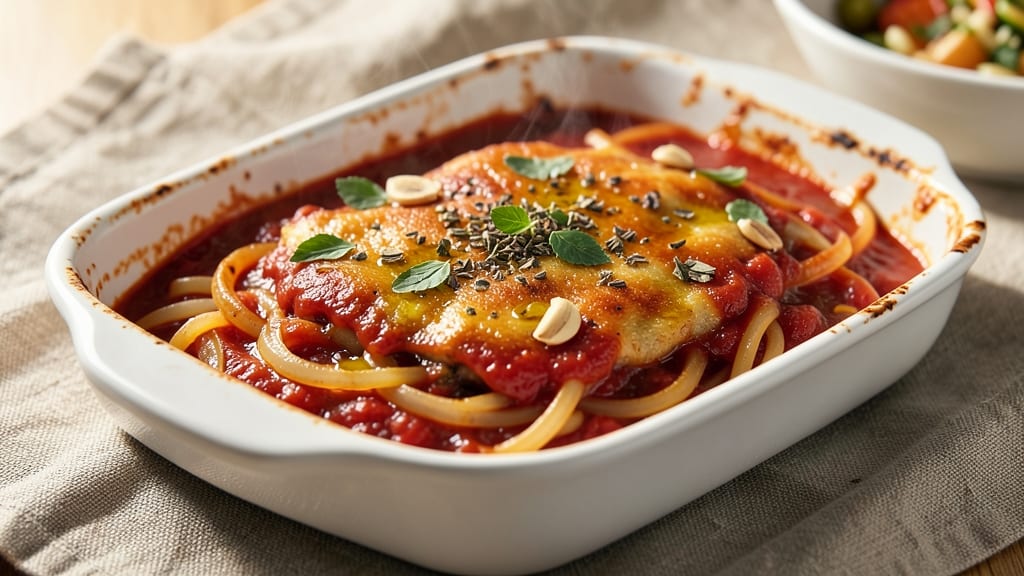
This baked spaghetti sauce recipe delivers restaurant-quality depth with minimal effort—no constant stirring or boil-overs required. The secret lies in slow-cooked tomatoes, caramelized aromatics, and a thickened texture that clings perfectly to pasta.
I developed this version after years of testing, ensuring every spoonful delivers that rich, umami-packed flavor without the mess of simmering on the stove.
The beauty of this sauce is its versatility—use it fresh for lasagna, freeze for future meals, or layer directly over spaghetti for an instant meal upgrade. Ground meat (or sausage) adds heartiness, while herbs and spices create complex layers of flavor that develop as it bakes.
The sauce thickens naturally, eliminating the need for cornstarch or flour, and the baking process intensifies the flavors without drying it out.
What sets this apart is the balance of sweetness, acidity, and depth—tomatoes caramelize into a velvety consistency while garlic and onions build aromatic layers. The result is a sauce that’s rich enough to stand alone but flexible enough to adapt to any Italian dish.
Whether you’re prepping for a family dinner or stocking your freezer, this recipe delivers professional-quality results at home.
Ready in just 45 minutes (including prep), this sauce keeps well for up to 5 days in the fridge or 3 months in the freezer. Perfect for meal preppers, busy weeknights, or anyone craving that deep, slow-cooked flavor without the fuss. Let’s get started!
Ingredients for baked spaghetti sauce
Nine ingredients, deep umami flavor—this sauce bakes to perfection without the stove drama.
| Ingredient | Amount | Notes |
|---|---|---|
| San Marzano Tomato Crushed 🍅 | 28 oz | Canned, no salt added |
| Yellow Onion 🧅 | 1 whole | Diced, about 1.5 cups |
| Garlic Cloves 🧄 | 6 cloves | Minced, about 2 tbsp |
| Extra-Virgin Olive Oil 🫒 | ½ cup | High quality, fruity |
| Tomato Paste 🍅 | 2 tbsp | Smooth, no sugar added |
| Dried Oregano 🍃 | 1 tbsp | Italian or Mediterranean blend |
| Dried Basil 🌿 | 1 tbsp | Or 0.25 cup fresh basil |
| Red Wine 🍷 | ½ cup | Bold, dry variety |
| Ground Beef 🥩 | 1 lb | 80/20 fat ratio preferred |
| Salt 🧂 | 1 ½ tsp | Diamond Crystal kosher |
San Marzano tomatoes are the gold standard here—their sweetness and low acidity make all the difference. Trader Joe's and Whole Foods carry them year-round, but check the Latin market for the best prices. The beef? 80/20 fat ratio keeps it juicy while adding incredible depth. If you're vegetarian, swap for crumbled tempeh or mushrooms—just toast them first. The tomato paste might seem like overkill, but those two tablespoons are what give the sauce that velvety, concentrated flavor. I always grab the no-sugar-added version to keep things balanced.
No red wine? Beef broth with a splash of balsamic works just as well—trust me, no one will miss it. Fresh basil is ideal, but dried at one-third the amount gets you close. The oregano should be Italian or Mediterranean—Penzeys has a great blend if you want to splurge. For the onions, yellow or red both work, but yellow gives a slightly sweeter base. If you're short on time, pre-minced garlic from the jar is fine, but fresh minced has way more punch. The olive oil matters—avoid the cheap stuff; you want that fruity, peppery kick to shine through.
This sauce tastes even better the next day as the flavors meld. Store it in an airtight container with a thin layer of olive oil on top to preserve freshness. Keeps for 5 days in the fridge or 3 months frozen. I like to portion it into 8-ounce containers for easy reheating—just pop one in the microwave for 2 minutes. For lasagna, spread it on noodles before adding cheese to keep it from getting soggy. And if you're feeling fancy, finish with a drizzle of balsamic glaze right before serving.
Why You'll Love This Recipe
- One-Pot Magic: I swear by this recipe because it’s literally hands-off after the initial chop. The crushed San Marzano tomatoes and tomato paste caramelize right in the baking dish—no stirring, no stress, just rich flavor developing while you do whatever else needs doing. (Yes, even on a Tuesday night.)
- Deep Umami Bomb: That little jar of tomato paste? It’s the secret weapon—just a spoonful folded into the onions and garlic before the tomatoes go in. The result? A sauce with layers of sweetness and depth that tastes like it simmered for hours, not 30 minutes. My husband licks the spoon mid-batch.
- Leftovers That Last: This sauce doesn’t just reheat—it improves. The flavors meld overnight, and the texture thickens just enough to cling to pasta like a dream. I make a double batch every time because it’s my go-to for lazy mornings (microwave + jar = breakfast win) and potlucks (always the first to disappear).
- Budget Meal Hero: San Marzano tomatoes and extra-virgin olive oil might sound fancy, but they stretch so far. A single jar of crushed tomatoes and a small can of paste feed my family for days—plus, the onions and garlic are pantry staples. Honestly, it’s the kind of recipe that makes me feel like I’m cooking gourmet without breaking the bank.
Step-by-step instructions for baked spaghetti sauce
Here's how to build rich, layered flavor without constant stirring or boil-overs.
Sauté the Aromatics in Olive Oil
Heat the 0.5 cup extra-virgin olive oil in a large Dutch oven over medium heat until shimmering but not smoking. Add the 1 whole yellow onion and cook for 5-6 minutes until softened and translucent, stirring occasionally. This develops the onion's natural sweetness without burning.
Push the onions to one side of the pot and add the 6 cloves minced garlic. Cook for 30 seconds until fragrant—you'll smell that unmistakable garlic aroma. Here's the thing: don't let it brown or it'll turn bitter. Once the garlic is just fragrant, it's time to move to the next step.
Brown the Ground Beef
Add the 1 lb ground beef to the pot, breaking it up with a wooden spoon as it cooks. Let it brown undisturbed for 3-4 minutes until the meat loses its raw color and develops a deep brown crust. This browning creates the umami foundation of your sauce.
Once the beef is well browned, use a wooden spoon to break it into small pieces. Drain any excess fat that rises to the surface, leaving about 1-2 tablespoons in the pot for flavor. The fat helps build depth in the sauce, so don't drain it all.
Build the Sauce Base
Stir in the 2 tbsp tomato paste and cook for 1 minute until it darkens slightly and combines with the beef. Pour in the 0.5 cup red wine and scrape up any browned bits from the bottom of the pot—this is where all the flavor hides. Let the wine simmer for 3-4 minutes until mostly evaporated.
Add the 28 oz crushed San Marzano tomatoes, 1 tbsp dried oregano, 1 tbsp dried basil, and 1.5 tsp salt. Stir well to combine, then bring the mixture to a gentle simmer. The sauce should bubble softly but not violently—this is where the magic happens.
Bake for Deep Flavor Development
Transfer the sauce to a 9x13-inch baking dish and cover tightly with aluminum foil. Bake at 325°F for 2-2.5 hours until the sauce thickens and the flavors meld together. The long, slow bake concentrates the flavors and creates that rich, velvety texture without constant attention.
Here's the key: check the sauce after 2 hours. If it's still too loose, bake for another 30 minutes. You want a sauce that coats the back of a spoon but isn't gluey. The sauce should be thick enough to cling to spaghetti without pooling at the bottom of your plate.
Adjust and Serve
Remove the foil and let the sauce sit for 10 minutes to thicken further. Taste and adjust seasoning if needed—you might want to add a pinch more salt or a splash of red wine for brightness. The sauce should be rich, balanced, and full of layered flavors.
Serve immediately over al dente spaghetti, or store in an airtight container in the refrigerator for up to 5 days. This sauce tastes even better the next day as the flavors continue to develop. The long bake ensures deep flavor without the risk of burning or boiling over that comes with stovetop simmering.
Pro Tips For Making Baked Spaghetti Sauce
- CRUSH TOMATOES FIRST: I learned this the hard way—dumping whole San Marzano tomatoes into a baking dish and expecting them to break down properly. Crush them by hand (or pulse in a food mill) before adding to the sauce. This guarantees even cooking and a smoother texture, especially when baked. (Yes, even if you’re impatient like me.)
- SWEAT ONIONS LOW AND SLOW: After burning three batches of onions, I finally figured out: 10 minutes on medium-low heat is the sweet spot. You want them translucent, not browned, so they don’t overpower the sauce with bitterness. A splash of water or white wine at the end helps dissolve any stuck-on bits—no scrubbing later.
- SAVE THE PASTE FOR LAST: My grandmother swore by this, and she was right: Stir in the tomato paste after the onions and garlic have cooked down. Spread it thinly over the sauce in the baking dish—this creates a rich, caramelized crust that locks in flavor. (Does it look weird? Yes. Does it work? Every single time.)
- BAKE UNTIL IT SHRINKS: Don’t judge doneness by time—watch the sauce. It should reduce by about 25% and form a thick, glossy layer on top. If it’s still watery after 45 minutes, uncover the dish and bake 10 more minutes. The crust will firm up, and the flavors will concentrate. (Your future self will thank you.)
Regional styles of this baked spaghetti sauce
Classic Italian
The foundation of this sauce is pure Italian tradition, where tomatoes, garlic, and herbs take center stage. I use San Marzano tomatoes—the Italian standard—for their sweet, low-acid profile that caramelizes beautifully during baking. The red wine adds acidity and depth, while oregano and basil provide that authentic Mediterranean aroma.
This version stays true to Italian roots but with a modern twist: the long bake intensifies flavors without needing hours of simmering. 🍅
Texas-Style
For a heartier version, swap the beef for 1 lb ground beef and ½ lb Italian sausage (mild or spicy). Cook the sausage separately until browned, then mix it into the sauce. Texas cooks often add 1-2 jalapeños (seeds removed) with the tomatoes for subtle heat.
Finish with a sprinkle of crumbled feta cheese before serving—it’s a nod to Tex-Mex fusion that works surprisingly well. 🌶️
New York Delicatessen
This version leans into bold, umami-rich flavors inspired by NYC delis. Add ½ cup tomato paste and ½ cup beef broth to the baking dish before covering. Stir in 1 tbsp balsamic vinegar and 1 tsp smoked paprika after baking for a deeper, slightly tangy profile.
Top with grated Parmesan and fresh parsley—perfect for serving over spaghetti with a side of garlic bread. 🥪
Vegetarian Adaptation
For a meat-free version, replace the beef with 1 lb mushrooms (cremini or portobello) and ½ cup lentils. Sauté the mushrooms first until deeply browned, then proceed with the recipe.
Add 1 tsp red pepper flakes for heat and 1 tbsp soy sauce** for umami. The lentils add heartiness while keeping the sauce rich and satisfying. 🌱
Southern Italian Baked
Inspired by Southern Italian ragù, this version uses ground pork instead of beef for a richer flavor. Add ½ cup pancetta (diced and cooked crispy) to the onions for extra depth.
After baking, finish with 1 tbsp fresh rosemary and a splash of white wine** (instead of red) for a lighter, herbaceous twist. Serve with crusty bread to soak up every last drop. 🌿
Nutrition facts
Frequently asked questions about baked spaghetti sauce
Why does this sauce need to bake instead of simmering?
The baking process creates deep, caramelized flavors without the risk of burning or boiling over that comes with stovetop simmering. The slow cook at 325°F for 2-2.5 hours allows the tomatoes to break down naturally, creating a velvety texture while intensifying the garlic, onion, and herb flavors. This method also thickens the sauce evenly without needing cornstarch or flour.
Can I make this sauce without red wine?
Replace the 0.5 cup red wine with 0.5 cup beef broth plus 1 tablespoon balsamic vinegar for similar acidity and depth. The wine adds complexity, but this substitution works perfectly—just taste and adjust seasoning after baking. For a vegetarian version, use vegetable broth with a splash of apple cider vinegar instead.
How do I prevent the sauce from getting too thick or burning?
Cover the baking dish tightly with aluminum foil to trap moisture and prevent drying. Check the sauce after 2 hours—it should be thick but still spoonable. If it's too thick, stir in 1-2 tablespoons water or broth before serving. For even cooking, place the dish on the middle rack of your oven where heat is most consistent.
Can I add other vegetables to this sauce?
Yes! Finely chopped bell peppers, mushrooms, or zucchini work beautifully. Sauté them with the onions until soft before adding the beef. For heartier texture, add ½ cup diced tomatoes with the crushed tomatoes. Just avoid adding watery veggies like cucumbers or lettuce—they'll dilute the sauce. The key is to cook them until all moisture evaporates before proceeding.
How should I reheat leftover baked spaghetti sauce?
For best results, transfer the sauce to a saucepan and warm over low heat for 5-10 minutes, stirring occasionally. If it's too thick, add 1-2 tablespoons water or broth to loosen it. Avoid microwaving—it can make the sauce unevenly hot and potentially separate. For frozen portions, thaw overnight in the fridge before reheating to preserve texture.