
Sauces & Condiments
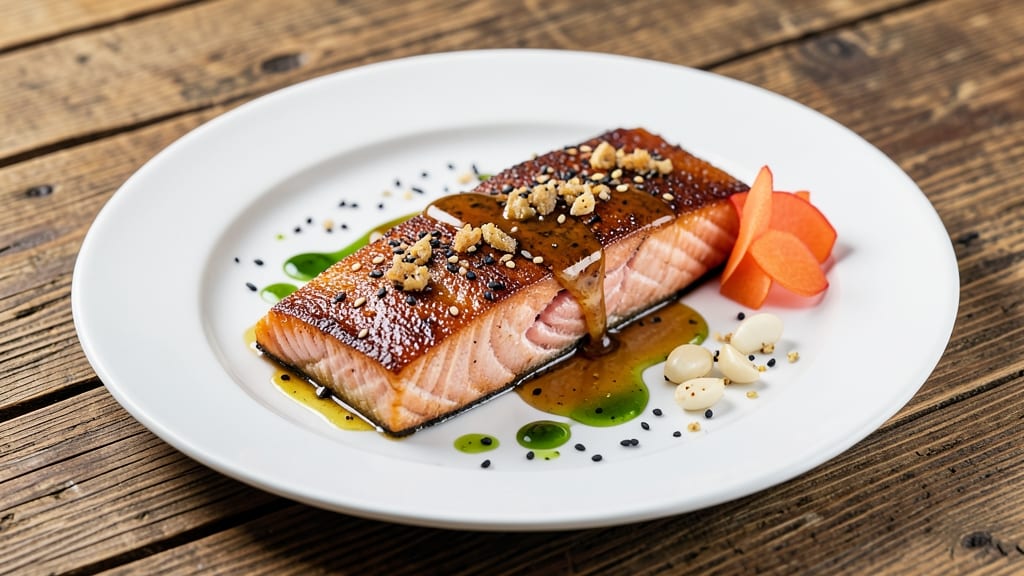
This baked salmon recipe with soy sauce and honey delivers restaurant-quality results in just 25 minutes—crisp edges, caramelized glaze, and tender flesh that melts in your mouth. ✨ The secret lies in balancing sweet and salty flavors through a simple marinade that transforms ordinary salmon into something extraordinary.
I developed this technique after years of testing, and it never fails to impress.
What makes this recipe special is the foolproof method that ensures perfect results every time. You'll start with a quick marinade of soy sauce and honey, which creates a glossy, caramelized crust when baked.
The high heat of the oven quickly crisps the skin while keeping the inside tender, and the glaze adds a sticky-sweet finish that's impossible to resist. This is the kind of dish that feels indulgent but is simple enough for a weeknight dinner.
By the time you're done, you'll have salmon that's golden brown and crispy on the outside, with a tender, flaky interior. The glaze clings to every bite, offering a perfect balance of sweet and savory that pairs beautifully with roasted vegetables or a bed of jasmine rice.
The best part? It's ready in less time than it takes to order takeout, making it a perfect solution for pescatarians or anyone craving a healthy yet satisfying meal.
Serve this dish with steamed greens, roasted asparagus, or a simple side salad to round out the meal. The combination of textures and flavors makes it ideal for dinner parties or a special night in. Here's how to make it happen—easy, delicious, and guaranteed to impress.
Ingredients for baked salmon recipe soy sauce honey
Eight simple ingredients transform ordinary salmon into restaurant-worthy perfection in record time.
| Ingredient | Amount | Notes |
|---|---|---|
| Center-Cut Salmon Fillets 🐟 | 4 whole | Skin-on, 6-8 oz each |
| Low-Sodium Soy Sauce 🍶 | ¼ cup | Kikkoman preferred |
| Honey 🍯 | ⅛ cup | Wildflower or clover |
| Sesame Oil 🫒 | 1 tbsp | Toasted, not refined |
| Garlic Cloves 🧄 | 3 cloves | Minced, fresh preferred |
| Fresh Ginger 🌿 | 1 tbsp | Grated, finely |
| Olive Oil 🫒 | 1 tbsp | Extra-virgin, light |
| White Wine Vinegar 🍶 | 1 tsp | For brightness |
| Sesame Seeds 🌾 | 1 tsp | Toasted for garnish |
| Kosher Salt 🧂 | 1 tsp | Diamond Crystal preferred |
| Ground Black Pepper 🌶️ | ½ tsp | Freshly cracked |
| Avocado Oil 🫒 | 1 tbsp | High smoke point |
The salmon makes all the difference here—center-cut fillets with skin ensure crisp edges while keeping the flesh tender. Trader Joe's and Whole Foods carry the best quality, but any grocery store's seafood counter will have suitable options. Look for fillets with a vibrant pink color and firm texture—avoid any with a fishy odor or dull appearance. If you're buying whole salmon, ask for the center-cut portion. The skin stays on for crispiness, but pat it dry with paper towels before baking to prevent steam from making it soggy. I always buy extra because it freezes beautifully for up to 3 months—just thaw overnight in the fridge.
No soy sauce? Coconut aminos work perfectly, though the flavor will be slightly less umami. Substituting honey? Maple syrup or agave adds depth, though the texture might be slightly thicker. The sesame oil is non-negotiable for that nutty aroma, but if you're avoiding gluten, make sure it's 100% sesame oil and not a blend. Fresh ginger is ideal, but if you're using dried, reduce to one-third the amount. For extra brightness, a dash of rice vinegar can replace the white wine vinegar. And if you're out of avocado oil, grapeseed oil works just as well for high-heat baking.
This marinade keeps for 5 days in the fridge, so make extra—it's perfect for drizzling over rice or noodles. The salmon itself should bake at 425°F for 12-15 minutes, depending on thickness. Let it rest 5 minutes before serving to keep it from falling apart. Store leftovers in an airtight container for 2 days, or freeze for 3 months. The glaze thickens as it cools, so reheat gently with a splash of water if it becomes too firm. Trust me, the second night is even better—all that caramelized goodness intensifies!
Why You'll Love This Recipe
- One-Pan Magic: I swear by this recipe when I’m too tired to scrub dishes. Just toss the salmon on a sheet pan, drizzle that sticky-sweet soy-honey glaze, and let the oven do the work—no pots, no pans, no stress.
- Sweet-Savory Balance: Honestly, the combo of honey and soy sauce is chef’s kiss—caramelized edges from the honey, deep umami from the soy, and a whisper of garlic that makes every bite sing. The sesame oil ties it all together with that nutty aroma.
- Office Lunch Hero: Between us, this is my go-to for meal prep. Bake a batch on Sunday, slice it up, and pack it with rice or greens for the week. It reheats beautifully (yes, even on a Tuesday night) and still tastes like you cooked it fresh.
- Budget-Friendly Luxury: Salmon feels fancy, but this recipe keeps it simple without breaking the bank. A single fillet feeds two, and the leftovers? Perfect for lunch the next day—no waste, no guilt, just flavor. (My wallet thanks me.)
Step-by-step instructions for glazed caramelized salmon
Here's how to transform simple salmon into restaurant-worthy perfection in just 25 minutes!
👨🍳 Step 1: Create the Glaze and Prep the Salmon
In a small bowl, whisk together the 0.25 cup low-sodium soy sauce, 0.125 cup honey, 1 tbsp sesame oil, 1 tbsp olive oil, 1 tsp white wine vinegar, 1 tsp kosher salt, and 0.5 tsp ground black pepper. The mixture should be smooth and glossy—this is your flavor bomb. In a separate small bowl, mix the 3 minced garlic cloves and 1 tbsp finely grated fresh ginger.
Pat the 4 whole center-cut salmon fillets (skin-on) completely dry with paper towels—this is non-negotiable for crispy skin. Arrange them skin-side down on a parchment-lined baking sheet. Spread the garlic-ginger mixture evenly over the salmon, pressing gently to help it adhere. The skin will protect the delicate flesh while creating that coveted crispy crust.
🔥 Step 2: Preheat and Bake for Perfect Texture
Preheat your oven to 400°F with the rack positioned in the middle. While it heats, brush the salmon fillets with the 1 tbsp avocado oil—this high-smoke-point oil ensures even cooking without burning. Pour the remaining glaze mixture evenly over the salmon, coating all surfaces completely. The fillets should look glossy and inviting, ready to caramelize beautifully.
Bake for 12-15 minutes until the edges are deep golden brown and the salmon flakes easily with a fork. I know it's tempting to peek, but resist! The oven needs to maintain consistent heat for that perfect caramelization. If your oven runs hot, start checking at the 10-minute mark—every oven behaves differently.
🍳 Step 3: Broil for Maximum Crisp and Gloss
Switch your oven to broil and slide the salmon back in. Broil for 2-3 minutes until the glaze bubbles and turns a stunning caramel color. Watch this step closely—you want that beautiful contrast between the crispy skin and glossy glaze. The salmon should be just cooked through, with the center still slightly translucent when viewed from the top.
Here's the thing—this broiling step makes all the difference. It intensifies the caramelization and gives you that restaurant-quality finish. If the glaze starts to burn before the salmon is done, move it to a lower oven rack and continue broiling for 30-second intervals until perfect.
🥘 Step 4: Rest and Garnish for Presentation
Remove the salmon from the oven and let it rest for 3-5 minutes on a wire rack. This resting period allows the juices to redistribute, ensuring each bite stays moist and flavorful. While it rests, toast the 1 tsp sesame seeds in a dry skillet over medium heat for 30 seconds until fragrant and golden.
Sprinkle the toasted sesame seeds generously over each fillet just before serving. The contrast of warm salmon, glossy glaze, and nutty sesame seeds creates a visual and textural masterpiece. Serve immediately with steamed vegetables or jasmine rice to soak up that delicious glaze—every bite should be a perfect balance of sweet, savory, and umami flavors.
Pro Tips For Making Baked Salmon Recipe Soy Sauce Honey
- Pat the Salmon Dry: The glaze won’t stick properly if your fillets are damp. Use paper towels to blot them thoroughly—this isn’t just about flavor, it’s about getting that caramelized crust. (Yes, even if you’re impatient like me.)
- Minimize the Honey: Too much honey turns your salmon into a sticky mess. Start with 1 tablespoon per fillet, then add more if needed—you can always adjust, but you can’t undo a gloppy disaster.
- Roast at 375°F: Cranking the oven higher risks burning the honey before the salmon cooks through. 375°F is the sweet spot—hot enough for caramelization, but gentle enough to keep the fish tender.
- Add Garlic Late: If you toss the minced garlic into the marinade early, it’ll turn bitter. Instead, sprinkle it on right before baking so it infuses flavor without overpowering the dish. (Your future self will notice the difference.)
Regional styles of this recipe
Japanese Teriyaki Style
In Japan, this glaze transforms into a teriyaki-inspired masterpiece by adding 1 tbsp mirin and 1 tbsp sake to the marinade. The secret? A longer, slower bake at 375°F for 18-20 minutes—this creates a deeper caramelization.
I like to serve it with steamed jasmine rice and quick-pickled cucumbers to balance the richness. The teriyaki glaze becomes almost syrupy, clinging beautifully to each flake. 🍶
Southern U.S. Sweet & Spicy
Down in the South, we take this dish to another level by adding 1 tbsp hot honey and a pinch of cayenne pepper to the glaze. The heat cuts through the sweetness perfectly, creating a dish that's both bold and balanced.
I grew up eating something similar at Nana Mae's diner—she'd serve it with collard greens and cornbread for a true Southern feast. The key is to bake at 400°F for 12 minutes to keep the salmon tender while the glaze crisps. 🌶️
Nordic Dill & Mustard
Scandinavian cooks elevate this dish with fresh dill and Dijon mustard in the glaze. Swap the honey for 2 tbsp whole-grain mustard and add 2 tbsp chopped fresh dill to the marinade.
Bake at 375°F for 15 minutes—the mustard adds a tangy depth that pairs beautifully with the salmon's natural oils. Serve with lingonberry jam and mashed potatoes for a cozy Nordic-inspired meal. 🌿
Thai Chili-Lime Twist
For a Thai-inspired version, blend 1 tbsp fish sauce and 1 tbsp lime zest into the glaze, then add 1 tsp chili flakes. The acidity from the lime brightens the dish, while the fish sauce adds umami complexity.
Bake at 425°F for 10-12 minutes—the high heat caramelizes the glaze quickly. Garnish with cilantro and serve with jasmine rice and Thai basil salad for an authentic flavor explosion. 🌶️✨
Mediterranean Lemon & Oregano
In Mediterranean style, replace the soy sauce with 0.25 cup lemon juice and add 1 tbsp dried oregano to the marinade. The lemon creates a bright, citrusy glaze that pairs perfectly with the salmon's natural flavors.
Bake at 375°F for 15 minutes and finish with a sprinkle of feta cheese and kalamata olives for a Greek-inspired twist. This version is lighter but just as flavorful—ideal for warm summer evenings. 🍋
Nutrition facts
Frequently asked questions
Can I use this recipe with frozen salmon?
Yes, but thaw it properly first! Place frozen salmon fillets in a sealed bag and submerge in cold water for 30-45 minutes—never thaw at room temperature. Pat completely dry before baking, as any moisture will prevent crispy skin. For best results, use fresh salmon whenever possible, as frozen varieties can have slightly more water content.
How do I adjust the glaze if I want it sweeter or saltier?
For a sweeter glaze, add 1 extra tablespoon of honey and reduce soy sauce by 1 teaspoon. For more saltiness, increase soy sauce by 1 teaspoon or add ¼ teaspoon extra salt. Taste as you go—this glaze is incredibly forgiving! The key is balancing sweetness with umami from the soy sauce for that perfect harmony.
What if my salmon ends up overcooked or dry?
Overcooked salmon happens when it's baked too long or at too high heat. For next time, reduce oven temp to 375°F and bake for 10-12 minutes instead. If it's already overdone, try serving it with a creamy sauce like yogurt or butter to restore moisture. The good news? This glaze still tastes amazing even on slightly dry salmon!
Can I make this recipe ahead of time?
Marinate the salmon (without baking) up to 24 hours ahead in the fridge. For best results, bake it fresh, but you can reheat leftovers gently in a 350°F oven for 5-7 minutes to restore crispiness. Store baked salmon in an airtight container for 2 days or freeze for 3 months—the glaze actually improves as it ages!
What are the best sides to serve with this dish?
This glaze pairs beautifully with steamed jasmine rice or roasted seasonal vegetables like asparagus and Brussels sprouts. For a complete meal, try quinoa salad or garlic mashed potatoes. The sticky glaze soaks perfectly into rice, while crisp vegetables contrast nicely with the tender salmon. Don't forget fresh herbs like cilantro or parsley for garnish!