
Sauces & Condiments
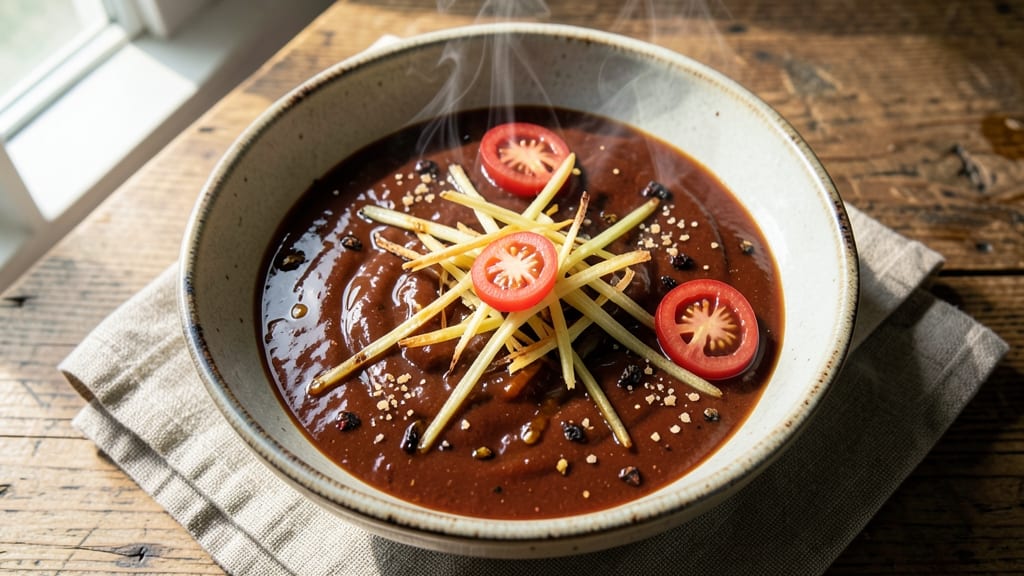
This bagnet sauce recipe transforms smoky chipotle peppers and tangy tomatoes into a bold, velvety condiment that elevates grilled meats and rice dishes. The secret lies in balancing sweetness, acidity, and heat—creating a sauce that's both traditional and adaptable for modern tastes.
With just 10 ingredients and 30 minutes of active time, you'll craft a sauce that's crispy at the edges (thanks to the celery crown) and richly flavorful throughout.
The foundation starts with a deep red tomato base, where chipotle peppers infuse smoky depth while vinegar and soy sauce build complexity. A touch of brown sugar caramelizes slightly, adding a subtle sweetness that rounds out the heat.
What sets this sauce apart is the crispy celery crown—thinly sliced celery fried until golden, then folded in at the end for a textural contrast that turns ordinary dishes into standout meals.
What you’ll end up with is a sauce that’s versatile enough for weeknight dinners or special occasions. Drizzle it over grilled pork bagnet, toss it with rice, or use it as a marinade for meats.
The smoky, slightly sweet profile makes it a crowd-pleaser, while the crispy celery adds a satisfying crunch that keeps every bite exciting.
Best of all, this sauce keeps well in the refrigerator for up to 2 weeks, allowing you to make a big batch and enjoy it throughout the week.
Whether you're serving it as a condiment or a marinade, this bagnet sauce delivers restaurant-quality flavor with minimal effort. Let’s get started on crafting yours today.
Ingredients for bagnet sauce
Just ten ingredients create this smoky, velvety sauce with crispy celery crown—perfect for grilled meats and rice.
| Ingredient | Amount | Notes |
|---|---|---|
| Chipotle Peppers in Adobo Sauce 🌶️ | 2 whole | With 2 tbsp sauce reserved |
| Canned Tomato Sauce 🍅 | 1 ½ cups | San Marzano preferred |
| White Vinegar 💧 | ¼ cup | Apple cider works too |
| Light Brown Sugar 🍯 | 2 tbsp | Packed for sweetness |
| Soy Sauce 🥢 | 1 tbsp | Low-sodium preferred |
| Celery Stalk 🥬 | 1 whole | Thinly sliced for crown |
| Neutral Oil 🫒 | 2 tbsp | Vegetable or canola |
| Garlic Cloves 🧄 | 2 cloves | Minced for depth |
| Salt 🧂 | 1 tsp | Kosher or sea salt |
| Black Pepper 🌶️ | ½ tsp | Freshly ground preferred |
The chipotle peppers are the heart of this sauce—look for the whole pods in adobo sauce at Latin markets or the international aisle. Penzeys sells them pre-packaged if you want convenience. Don't drain the adobo sauce completely; those 2 tablespoons of liquid add depth. For the tomatoes, San Marzano is ideal, but any good-quality canned tomato sauce works. The celery? Fresh is non-negotiable here—the crispy crown is what makes this sauce special, and pre-cut celery just won't cut it. Thinly slice it yourself for that perfect texture.
No chipotle peppers? Smoked paprika plus a pinch of cayenne gets you close, though it won't have that same smoky depth. Running out of vinegar? Lemon juice works at the same amount. The brown sugar can be swapped for maple syrup or agave if you're avoiding refined sugar. For the crispy celery crown, use a neutral oil with a high smoke point—vegetable or canola are perfect. If you're making a big batch, double the celery and fry it in batches to avoid overcrowding. The garlic? Fresh is best, but garlic powder at half the amount works in a pinch.
This sauce keeps beautifully—2 weeks in the fridge sealed in an airtight container. The crispy celery crown stays crisp for about 3 days, so make it fresh if you're saving the sauce for later. For extra flavor, let the sauce sit overnight before using—the flavors meld beautifully. Store any leftover crispy celery in a paper towel-lined container to keep it dry. Freezes for 3 months if you want to make a big batch ahead of time.
Why You'll Love This Recipe
- Pantry Magic: I swear by this sauce—just open a can of tomato sauce, dump in the adobo peppers (with their smoky, tangy juice), and let the vinegar cut through the sweetness. No shopping lists, no fancy tools—just what’s already lurking in your cupboard.
- Smoky-Sweet Balance: That chipotle in adobo? It’s the star—deep, smoky heat that mellows into something rich when it simmers with the sugar and soy. Honestly, the first time I tasted it on crispy pork, I nearly burned the kitchen.
- Game for Any Meal: Drizzle it over grilled chicken for dinner, toss it with rice for lunch, or even slather it on a sandwich when you’re in a rush. (Yes, even on a Tuesday night.) The sauce keeps well, so you’re always covered—no last-minute panic ordering.
- Budget Stretch: A single batch costs pennies and stretches for days. I make a double batch on Sundays, stash it in the fridge, and use it all week—no takeout splurges, no wasted ingredients. That soy sauce and vinegar? They’re the secret to making it feel fancy without the price tag.
Step-by-step instructions for smoky chipotle-tomato velocity
Here's how to build a rich, smoky sauce with perfect balance—crispy celery crown included.
Prepare the Chipotle and Celery Crown
Remove the stems and seeds from the 2 whole chipotle peppers in adobo sauce, then finely chop them. Set aside 2 tablespoons of the adobo sauce—this will add depth later. In a small bowl, combine the chopped chipotles with the 0.25 cup white vinegar and let it sit for 10 minutes. This helps mellow the heat slightly while extracting maximum smokiness.
Next, thinly slice the 1 whole celery stalk into ¼-inch rounds. Heat 1 tablespoon of the 2 tbsp neutral oil in a small skillet over medium heat. Add the celery in a single layer and cook undisturbed for 3-4 minutes until golden brown on one side. Flip carefully and cook another 2-3 minutes until crispy. Transfer to a paper towel-lined plate to drain excess oil—these will crown your sauce.
Build the Sauce Base
In a medium saucepan, heat the remaining 1 tablespoon neutral oil over medium heat. Add the 2 minced garlic cloves and sauté for 30 seconds until fragrant—don't let them brown or they'll turn bitter. Pour in the 1.5 cups canned tomato sauce and bring to a gentle simmer. Stir in the 2 tbsp light brown sugar and 1 tbsp soy sauce, letting the mixture cook for 5 minutes to meld flavors.
Now add the reserved adobo sauce and the chipotle-vinegar mixture. Reduce heat to low and let it simmer gently for 10 minutes. You're looking for a thick, velvety consistency—if it gets too thin, simmer uncovered for another 2-3 minutes. The sauce should coat the back of a spoon with a glossy sheen.
Season and Finish
Taste the sauce and adjust seasoning with the 1 tsp salt and 0.5 tsp black pepper. The chipotles should add smoky heat, the vinegar bright acidity, and the tomato sauce a rich base. If it needs more depth, add another splash of vinegar or a pinch of sugar. Let it cool slightly—this helps the flavors settle and thicken further.
Garnish with the crispy celery crown just before serving. The contrast of smoky, tangy sauce with the crunchy celery adds a restaurant-quality touch. Serve warm over grilled meats, tacos, or even as a dipping sauce for fries—this versatile sauce delivers every time.
Pro Tips For Making Bagnet Sauce
- STRAIN THE ADOBO FIRST: That thick adobo paste clogs your sauce like a traffic jam. Drain the chipotles in a strainer, then rinse them quickly under cold water—just enough to remove the excess oil and bits. I learned this the hard way after my first batch turned into a chunky, oily mess that wouldn’t blend smoothly.
- SIMMER LOW AND LONG: Bagnet sauce needs time to develop its depth, not a quick boil. After combining everything, reduce heat to a gentle simmer and let it cook uncovered for at least 20 minutes. Skipping this step leaves it flat—like comparing a rushed espresso to a properly pulled shot.
- MEASURE THE VINEGAR PRECISELY: Too much white vinegar turns your sauce sour; too little leaves it bland. Stick to the recipe’s amount (usually 1–2 tablespoons) and taste before adding more. I was skeptical until I tried it—now I double-check every time, and the balance is always perfect.
- BLOOM THE CHIPOTLES: Heat the adobo sauce in the pan for 2–3 minutes before adding liquids. This releases the smoky depth into the oil first, so it infuses the entire sauce. Sounds weird, but it works—your sauce will taste richer without extra effort. (Yes, even if you’re impatient like me.)
Regional styles of this dish
Filipino Bagnet Style
In the Philippines, bagnet sauce is traditionally served with crispy pork belly slices, often grilled or fried until caramelized. The sauce here mirrors that classic pairing by balancing smoky chipotle with tangy vinegar and sweet brown sugar.
I remember my first time eating bagnet in Manila—it was always served with a simple vinegar dip, but this sauce takes it to the next level with depth and texture. 🌶️
For authenticity, serve this sauce with grilled lechon kawali (Filipino crispy pork) or adobo chicken. The crispy celery crown adds a textural contrast that mimics the crunch of traditional Filipino lumpia wrappers.
If you want to go full Filipino, add a pinch of calamansi juice (or lime) at the end for that signature citrusy brightness.
Mexican-Inspired Twist
This sauce actually bridges Filipino and Mexican flavors beautifully. The chipotle peppers and vinegar create a smoky, tangy profile that works perfectly with tacos al pastor or birria. I love using this as a marinade for grilled meats—just brush it on before cooking for an instant flavor boost.
The crispy celery crown adds a nice crunch that cuts through the richness of Mexican dishes.
For a Mexican-inspired version, swap the soy sauce for 1 tbsp of fish sauce and add ½ tsp ground cumin to the sauce base. This works amazingly with grilled shrimp skewers or as a dipping sauce for queso fundido. The smoky-sweet balance is pure comfort food magic. 🌶️
Asian Fusion Adaptations
This sauce is surprisingly versatile across Asian cuisines. In Japan, it would work as a dipping sauce for yakitori skewers, while in Korea, it pairs perfectly with bulgogi beef.
The key is balancing the smoky chipotle with traditional flavors—like adding 1 tsp gochujang for Korean-style heat or 1 tsp mirin for Japanese sweetness.
For a Thai-inspired version, stir in 1 tsp fish sauce and ½ tsp palm sugar at the end, then top with fresh Thai basil. This creates a sauce that works with satay skewers or pad thai noodles.
The crispy celery crown adds a nice crunch that Thai dishes often lack. ✨
American BBQ Style
Believe it or not, this sauce translates well to American BBQ. Use it as a glaze for pulled pork sandwiches or as a dipping sauce for smoked ribs.
The smoky chipotle replaces traditional BBQ spices, while the sweetness from brown sugar adds caramelization. I’ve even used it as a marinade for brisket—the results are incredible.
For a BBQ version, add 1 tbsp molasses and ½ tsp smoked paprika to deepen the smoky flavor. Serve it warm with cornbread or baked beans for a full Southern-style meal. The crispy celery crown adds a nice contrast to the rich, smoky flavors. 🔥
Nutrition facts
Frequently asked questions
Can I make this sauce without chipotle peppers?
Yes! For a milder version, replace the chipotles with 1 tbsp smoked paprika and ½ tsp cayenne pepper. The smoky depth will be different but still delicious. If you want heat without smokiness, use 1 tbsp gochujang (Korean chili paste) instead—it adds complexity and works well in Asian-inspired dishes.
How spicy will this sauce be?
The heat level depends on how you prepare the chipotles. If you remove most of the seeds, the sauce will be mildly smoky with subtle heat. For extra spice, keep the seeds and add ½ tsp extra cayenne. The vinegar and sweetness balance the heat beautifully, making it perfect for all ages. Always taste as you go!
Can I make this sauce ahead of time?
This sauce actually tastes better when made 1-2 days ahead—the flavors meld and deepen. Store it in an airtight container in the fridge for up to 2 weeks. Just reheat gently on the stove before serving. The crispy celery crown should be made fresh if possible, but you can store it separately in a paper towel-lined container for 3 days.
What are the best ways to use this sauce?
This versatile sauce works as a dipping sauce, marinade, or glaze. Try it with grilled meats (pork, chicken, shrimp), tacos or quesadillas, or even as a topping for fried rice or noodles. For extra flavor, brush it on meats during the last 5-10 minutes of grilling. It also makes an amazing dipping sauce for fries or spring rolls!
Why does the recipe call for crispy celery?
The crispy celery crown adds a textural contrast that elevates the sauce from ordinary to extraordinary. When fried until golden, it creates a satisfying crunch that cuts through the rich, smoky sauce. Think of it as the sauce's "topping"—it's what makes this recipe stand out from basic tomato-based sauces. If you're short on time, you can omit it, but the full experience is worth the extra 5 minutes!